West Virginia Grouse and Woodcock Season Rules
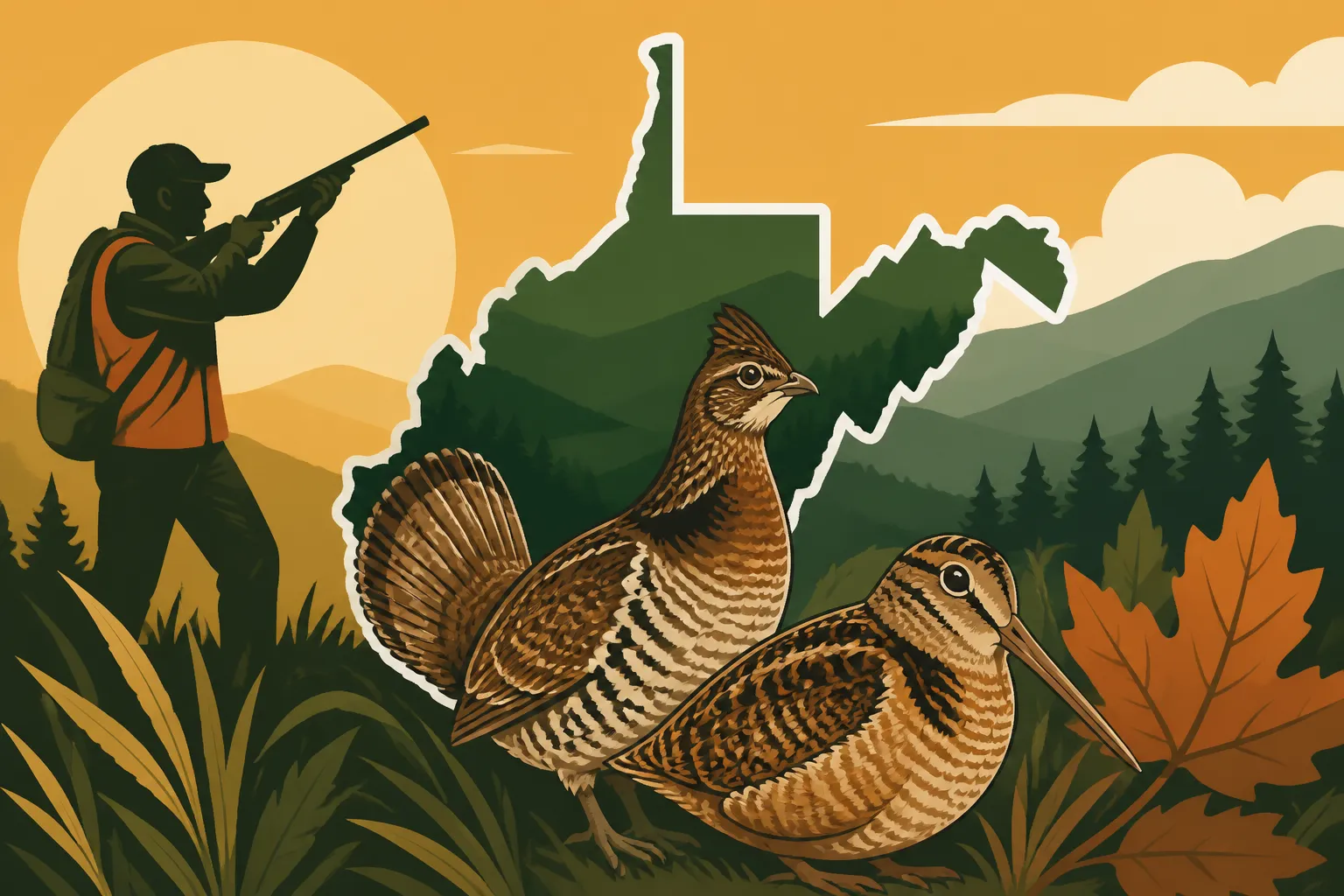
Few things get an upland hunter's heart pumping quite like the explosive flush of a ruffed grouse or the unpredictable zig-zag flight of a woodcock. But trying to pin down the exact season dates and bag limits for these elusive West Virginia birds can feel like navigating a dense laurel thicket blindfolded. This guide is here to untangle the complexities, offering clear, realistic insights into West Virginia's grouse and woodcock season rules so you can spend less time fumbling through regulations and more time enjoying the beautiful mountains and hollows.
Navigating West Virginia's Grouse and Woodcock Seasons
West Virginia offers some truly fantastic opportunities for upland hunters, but it's not always as straightforward as just picking up your shotgun and heading out. The Mountain State has a unique rhythm when it comes to its small game seasons, especially for those pursuing the king of game birds, the ruffed grouse, and the timber doodle, the American woodcock. Understanding these rhythms is key to a successful and compliant hunt.
The Allure of Upland Hunting in West Virginia
There’s a special magic to upland hunting here in West Virginia. It’s not just about the shot; it’s about the crisp autumn air, the vibrant fall foliage painting the mountainsides, and the camaraderie of hunting with a good dog, or even just a good friend. For many of us, it’s a tradition passed down through generations, a chance to connect with the land and experience the wild beauty of Appalachia. The challenge of finding these birds in their dense cover, the adrenaline of the flush, and the satisfying thud of a successful shot are what keep us coming back year after year. It's a physically demanding sport, often requiring long hikes through steep terrain, but the rewards are immeasurable.
Understanding the Season Structure
West Virginia's small game seasons, including those for grouse and woodcock, are set by the West Virginia Division of Natural Resources (WVDNR) and can vary slightly from year to year, though they tend to follow a consistent pattern. Generally, the seasons open in mid-October and run through the end of February for grouse, while woodcock have a more segmented season to account for their migratory patterns. It’s absolutely crucial to consult the current year's hunting regulations booklet, available on the WVDNR website or at most license vendors, before heading afield. Relying on last year’s dates or hearsay can lead to an unwelcome encounter with a game warden. These regulations outline everything from season start and end dates to daily bag and possession limits, which are vital for every hunter to understand.
Ruffed Grouse: Dates, Limits, and Local Considerations
The ruffed grouse holds a revered place in the hearts of many West Virginia upland hunters. Its explosive flush from dense cover and its challenging flight through timber make it a truly worthy quarry. But just like any wild game, there are specific seasons and limits you need to adhere to.
General Season Framework for Grouse
Typically, the West Virginia ruffed grouse season kicks off in mid-October and extends through the end of February. This long season offers ample opportunity, from the beautiful, mild days of early fall to the crisp, often snowy conditions of late winter. For many hunters, the early part of the season, when the leaves are still on the trees, presents a unique challenge, making it harder to spot birds and get a clean shot. As the leaves drop and the snow begins to fly, visibility often improves, but the birds become warier and can be harder to locate. It's also worth noting that the season is generally statewide, meaning you don't have to worry about county-specific variations for grouse, unlike some other game species. This consistency simplifies planning, allowing hunters to focus on finding the best cover.
When you're planning your outings, remember that public lands across the state, including the sprawling Monongahela National Forest, offer vast tracts of potential grouse habitat. Knowing the season dates helps you plan scouting trips in the off-season, identifying prime locations like those mentioned in our guide on Grouse Hunting Allegheny Highlands Cover. Pay close attention to recent logging operations or areas with regenerating forest growth, as these are often grouse magnets.
Daily and Possession Limits for Ruffed Grouse
When it comes to how many of these magnificent birds you can harvest, West Virginia sets clear daily and possession limits. The daily bag limit for ruffed grouse is generally four birds per day. This means that in a single day of hunting, you cannot legally take more than four ruffed grouse. The possession limit is usually eight birds, which refers to the maximum number of grouse you can have in your possession at any given time, whether they are freshly killed or stored in your freezer at home.
It's critical to keep these numbers straight to avoid any issues. Imagine you have a fantastic day and bag four grouse. If you hunt again the next day and bag another four, you've hit your daily limit for that day. But if you haven't processed or eaten the previous day's birds, you now have eight in your possession, which is your possession limit. Any additional birds would put you over the legal threshold. These limits are in place to ensure a sustainable harvest and help manage the population, especially given the challenges faced by populations as explored in West Virginia Ruffed Grouse Decline. Always double-check the current year's regulations for any changes, as these numbers can be adjusted based on population surveys and conservation efforts.
Impact of Habitat and Weather on Grouse Seasons
The success of a grouse season isn't just about the calendar dates; it's heavily influenced by habitat conditions and weather patterns. Ruffed grouse thrive in specific types of cover: young, dense forest stands, particularly those with a good mix of aspen, alders, and thick undergrowth. These areas provide both food and protection from predators. Unfortunately, as timber harvesting practices change and forests mature, suitable grouse habitat can diminish, which directly impacts bird numbers.
Weather also plays a huge role. Mild, dry springs generally lead to better nesting success and higher chick survival rates, resulting in more birds come fall. Conversely, cold, wet springs can decimate broods, making for a tougher hunting season. A poor acorn year, for instance, might push grouse to different food sources, altering their usual patterns, a phenomenon we discuss in Hunting After a Poor Acorn Year. During the actual hunting season, snow cover can sometimes help hunters locate birds by concentrating them in specific areas or making their tracks visible. However, deep snow can also make access difficult and put stress on bird populations. Monitoring these environmental factors can give you an edge and help you predict where the birds might be holding.
American Woodcock: Migration, Dates, and Bag Limits
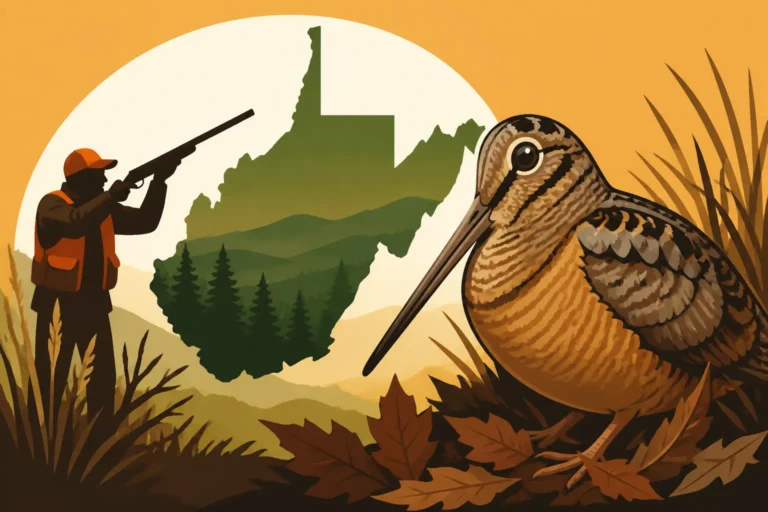
While the ruffed grouse is a resident, the American woodcock is a migratory bird, and its season rules are designed around its journey. This makes hunting woodcock in West Virginia a bit different, often a game of timing the migration just right.
Synchronizing with the Woodcock Migration
Hunting woodcock in West Virginia is largely about timing the "flight" – the birds' annual migration south from their breeding grounds further north. The season for woodcock typically has two segments to capture different waves of migrants. The first segment usually opens in mid-October, coinciding with the grouse opener, and runs for a few weeks. After a brief closure, a second segment often reopens in November and may run through December or even early January, depending on the year's specific regulations.
The best woodcock hunting often occurs during cold snaps further north, which push birds down into West Virginia. Keep an eye on weather patterns in states like Pennsylvania and New York; when they experience an early freeze or heavy snow, it’s a good sign that woodcock will soon be moving through the Mountain State. Our resource on When Woodcock Migrate Through West Virginia offers more detail on how to predict these movements. Successful woodcock hunters often prioritize hunting after a cold front has passed, as these conditions tend to concentrate birds in specific cover types before they continue their journey south.
Woodcock Daily and Possession Limits
The daily and possession limits for American woodcock are generally more conservative than those for grouse, reflecting their migratory status and broader management across multiple states. The typical daily bag limit for woodcock in West Virginia is three birds per day. The possession limit is usually nine birds, allowing hunters to accumulate a few days' worth of birds from their migratory flights.
Similar to grouse, it's crucial to understand and adhere to these limits. Woodcock are small birds, and it can be tempting to keep hunting if you've only bagged one or two, but exceeding the daily or possession limit is a serious violation. Because woodcock are federally protected migratory birds, these limits are set in cooperation with the U.S. Fish and Wildlife Service, and they are rigorously enforced. Always make sure your hunting permit includes the necessary HIP (Harvest Information Program) certification if required, as this is standard for all migratory bird hunters. Being prepared with your licenses and understanding these rules is part of being a responsible hunter, and tools like GoHunt can help you keep track of regulations.
Prime Woodcock Cover in the Mountain State
Woodcock prefer different habitat types than grouse, favoring moist, young, successional cover with rich, loamy soil that allows them to probe for earthworms, their primary food source. Look for alder runs, willow thickets, sapling-choked creek bottoms, and the edges of beaver ponds. These "alder runs" are particularly crucial, as discussed in Woodcock Hunting West Virginia Alder Runs. Even seemingly insignificant strips of cover along old logging roads or field edges can hold good numbers of birds during the migration.
Unlike grouse, which might hold tight in heavy cover, woodcock will often flush more readily, providing a quicker, more challenging shot. They can also be found in surprisingly small pockets of suitable habitat, making them a great target for those who prefer to walk smaller tracts of land. A good bird dog with a strong nose is invaluable for woodcock hunting, as these birds can be incredibly well-camouflaged on the forest floor. However, even without a dog, careful, slow walking through prime cover can produce flushes.
Essential Regulations and Licensing for Upland Hunters
Beyond just season dates and bag limits, there are several other critical regulations and licensing requirements that every West Virginia upland hunter needs to understand and adhere to. This isn't just about avoiding a ticket; it's about ethical hunting and contributing to conservation.
General Small Game Regulations to Know
When you're out chasing grouse and woodcock, remember that these species fall under the broader umbrella of West Virginia's small game regulations. This means rules regarding legal shooting hours apply, which are generally from one-half hour before sunrise to one-half hour after sunset. You also need to be aware of any restrictions on firearms. For upland birds, shotguns are the most common and effective choice, and there are specific rules regarding shotgun plugs, usually requiring a plug that limits your gun to holding no more than three shells (one in the chamber, two in the magazine).
Another crucial aspect, especially during concurrent deer firearm seasons, is blaze orange. While not always required for small game hunting when deer firearm season is closed, it becomes mandatory during any deer firearm season in the area you are hunting. This is a critical safety measure. Always check the regulations to confirm West Virginia Small Game Season Rules and potential overlap with other seasons. It's not just about what you can hunt, but how safely and responsibly you can hunt it.
Obtaining Your West Virginia Hunting License
Before you even step foot in the woods, you absolutely need to have the proper West Virginia hunting licenses and stamps. For resident hunters, this usually means a Class A (Resident Hunting) license, or often a Class X (Resident Sportsman) license which bundles hunting, fishing, and trapping privileges. Non-residents will need a Nonresident Hunting license. Beyond the general hunting license, you might also need specific stamps depending on what you're hunting. For migratory birds like woodcock, a HIP (Harvest Information Program) certification is required, which is typically a free add-on when you purchase your license.
The easiest way to get your license is online through the Go Wild West Virginia platform or by visiting a WVDNR license agent. It's smart to purchase your license well in advance of the season opener to avoid any last-minute rushes or technical glitches. For those considering an out-of-state hunt, be sure to explore options like the West Virginia Nonresident License Options to understand the varying costs and privileges. Always carry proof of your license while hunting, either the physical copy or an electronic version on your phone, to present to a game warden if requested.
Hunter Education Requirements for New Hunters
If you're new to hunting in West Virginia, or if you're bringing a younger hunter along, understanding hunter education requirements is paramount. Generally, anyone born on or after January 1, 1975, must successfully complete an approved hunter education course to purchase a hunting license in West Virginia. There are a few exceptions, such as those hunting under a mentored youth program or an apprentice license, but even then, strict supervision rules apply.
Hunter education covers vital topics like firearm safety, wildlife identification, conservation principles, and ethical hunting practices. It's designed to ensure that hunters are safe, responsible, and knowledgeable afield. Courses are offered online and in traditional classroom settings throughout the year. Don't wait until the last minute to fulfill this requirement! If you're unsure if you need it, or what type of course to take, check out West Virginia Hunter Education Requirements for comprehensive details. This certification is a fundamental step in becoming a legal and responsible hunter in West Virginia.
Table: West Virginia Upland Bird Seasons (Typical)
| Species | Typical Season Start | Typical Season End | Daily Limit | Possession Limit | Special Notes |
|---|---|---|---|---|---|
| Ruffed Grouse | Mid-October | End of February | 4 | 8 | Statewide, check for specific opening dates |
| Woodcock | Mid-October (Segment 1) | Early November | 3 | 9 | Migratory, often a second segment in Nov-Dec |
| Mid-November (Segment 2) | Mid-December (varies) | Federal HIP certification required |
Note: These dates and limits are typical and illustrative. Always consult the official West Virginia Hunting and Trapping Regulations for the current year.
Conservation and Ethical Hunting Practices
Hunting in West Virginia isn't just a recreational activity; it's a vital part of wildlife management and conservation. As upland hunters, we have a responsibility to contribute to the health of the game populations and their habitats, ensuring that future generations can enjoy the same experiences we do.
Contributing to Upland Game Conservation
Every time you purchase a hunting license or certain types of gear, you're directly contributing to conservation efforts in West Virginia through the Pittman-Robertson Act. This federal excise tax on firearms, ammunition, and archery equipment funds wildlife research, habitat restoration, and land acquisition across the country. Beyond financial contributions, active participation in habitat improvement projects, like those focused on Aspen Management and Highlands Grouse, can make a real difference.
Good conservation practices also involve being observant and reporting unusual wildlife sightings or concerns to the WVDNR. This could include reporting sick animals, unusual population fluctuations, or habitat degradation. The WVDNR uses data from hunter harvest reports and public observations, alongside their own scientific surveys (like West Virginia Woodcock Singing Ground Surveys), to make informed decisions about season lengths and bag limits. By being engaged and following regulations, you're an active partner in conserving West Virginia's natural heritage.
Responsible Hunting: Safety and Respect
Ethical hunting goes hand-in-hand with safety and respect for the land, wildlife, and other outdoor enthusiasts. Always practice proper firearm safety: keep the muzzle pointed in a safe direction, treat every firearm as if it's loaded, be sure of your target and what's beyond it, and keep your finger off the trigger until ready to shoot. These rules are non-negotiable. Using appropriate gear, like that discussed in our guide on Upland Guns for Highlands Grouse Cover, and knowing its limitations will make you a safer and more effective hunter.
Beyond safety, respect means leaving no trace, packing out everything you pack in, and being mindful of private property boundaries. If you're hunting public land, be aware that others might be hiking, birdwatching, or enjoying the outdoors. A courteous interaction can go a long way in fostering a positive image of hunters. Respect for the game means only taking clean, ethical shots and making every effort to recover any bird you shoot. These practices not only uphold the integrity of our hunting tradition but also ensure that we remain good stewards of West Virginia's wild places. Checking the GoHunt app for land boundaries or public access points can help avoid accidental trespass, further demonstrating responsible hunting.
Disclaimer
The information provided in this guide is for general informational purposes only and is subject to change. While we strive to offer accurate and up-to-date content, hunting regulations in West Virginia can be amended by the WVDNR at any time. It is the sole responsibility of each hunter to consult the most current official West Virginia Hunting and Trapping Regulations booklet or the WVDNR website before engaging in any hunting activities. Failure to do so may result in legal penalties.