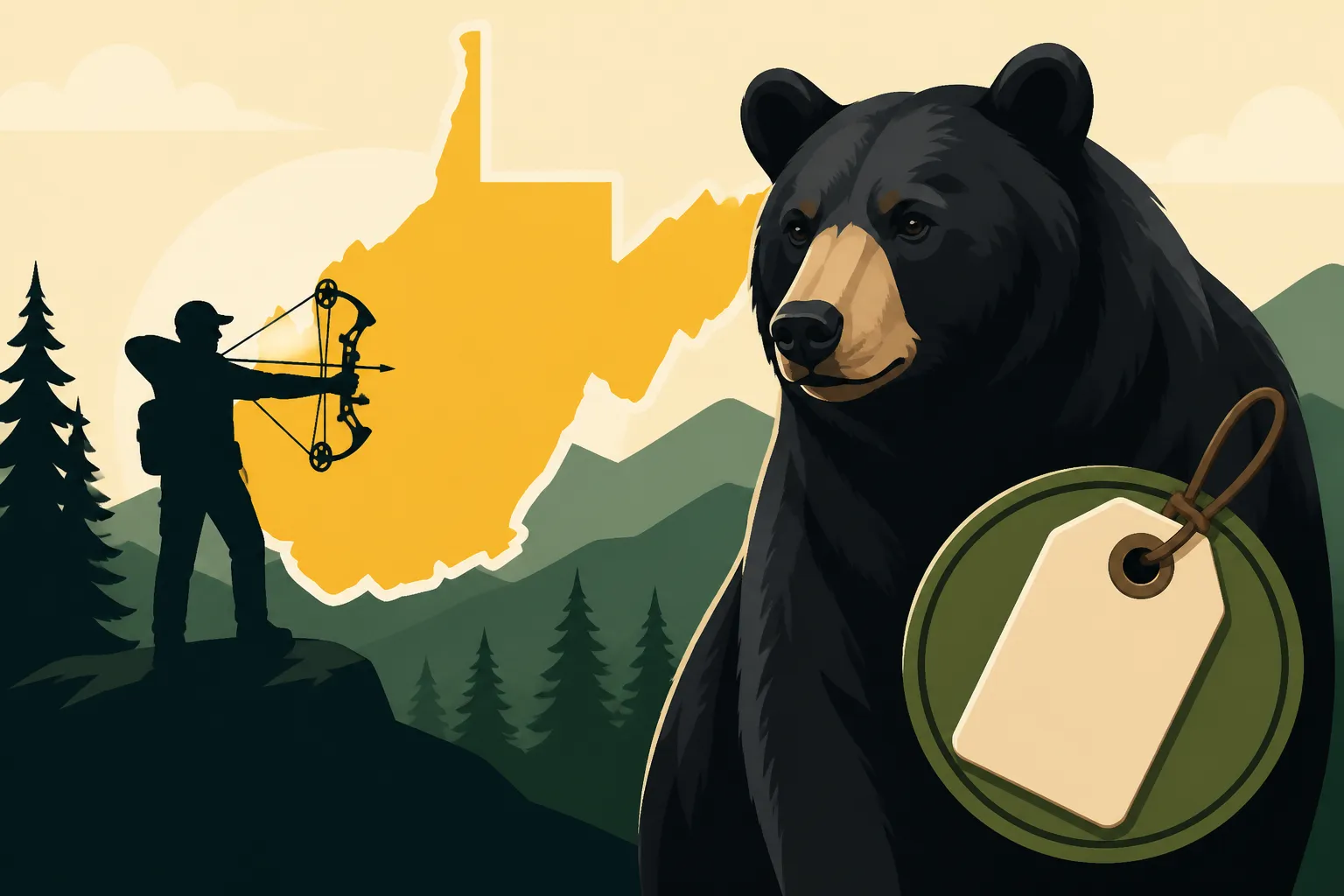
West Virginia Bear Tag Requirements
Navigating the specific requirements for hunting licenses and tags in West Virginia can sometimes feel like a puzzle, especially when you're preparing for a specialized season like bear hunting. It's easy to get overwhelmed trying to figure out which stamps you need, where to buy them, and what the latest regulations entail. This comprehensive guide will unravel the intricacies of West Virginia's bear tag requirements, making sure you're fully prepared and legal for your next mountain adventure.
Understanding the Basics of West Virginia Bear Tags
Before you even think about hitting the woods, understanding the fundamental requirements for bear hunting in West Virginia is absolutely crucial. It's not just about having a general hunting license; bear hunting demands an additional layer of specific certification, often referred to as a "bear stamp." This isn't just a bureaucratic hurdle; it's a vital component of the state's wildlife management and conservation efforts.
Who Needs a Bear Tag in West Virginia?
Let's cut right to it: if you intend to hunt bear in West Virginia, you need a bear tag. There are no exceptions based on age, residency, or weapon choice, with specific provisions for youth hunters that we'll touch on later. Whether you're a seasoned local who's been chasing bruins for decades or a non-resident venturing into the Mountain State for the first time, that bear tag is non-negotiable.
For West Virginia residents, this means ensuring your general hunting license is current and then adding the necessary bear stamp. It’s a common misconception that if you have a Class X or other combo license, all your bases are automatically covered. While these combo licenses are fantastic for streamlining many aspects of hunting, you still need to verify that the bear stamp is explicitly included or purchased separately. This distinction is critical because each stamp contributes directly to the specific species' management fund. For non-residents, the process is similar but begins with securing a valid non-resident hunting license, then layering on the bear stamp. The state diligently tracks harvest data and funds conservation efforts for each game species, and your purchase is a direct contribution to those programs. This detailed approach ensures that the state has accurate data on hunter participation and can adequately fund research, habitat improvement, and enforcement efforts specifically for the robust West Virginia's Black Bear Comeback.
The Cost of a West Virginia Bear Stamp
Now, let's talk numbers, because budget is often a real concern for hunters. The cost of a West Virginia bear stamp varies significantly depending on your residency status. For residents, it's typically a much more affordable add-on to their base license, reflecting their ongoing tax contributions to the state. Non-residents, on the other hand, will find the bear stamp, like their general hunting licenses, to be a more substantial investment. These fees are not arbitrary; they are carefully calculated to support the extensive work done by the West Virginia Division of Natural Resources (WVDNR) to manage and sustain the state's bear population.
The funds generated from these stamps go directly into programs like population surveys, health monitoring, habitat protection, and law enforcement. So, while you might grumble a bit about another fee, remember that you’re directly contributing to the healthy bear population you're hoping to hunt. It's an investment in the future of the sport. You can find detailed breakdowns of all the associated fees by looking into West Virginia Hunting Licenses and What They Cost and specifically West Virginia Deer, Turkey and Bear Stamp Rules. Always double-check the current year's fee schedule, as regulations and costs can be subject to change.
What the Bear Stamp Actually Covers
Beyond simply giving you permission to hunt a bear, the bear stamp is your proof of participation in West Virginia's comprehensive bear management program. It validates your intent to pursue this specific game animal and links you directly to the regulatory framework governing that pursuit. This stamp is essential for legal compliance, but it's also tied into data collection, which is a cornerstone of sound wildlife management.
When you purchase a bear stamp, you're not just getting a piece of paper or a digital entry on your phone; you're securing the right to pursue a specific species within specific seasons and bag limits. This stamp signifies that you understand and agree to abide by all the rules associated with bear hunting, including mandatory checking requirements, which we'll cover in more detail. It allows the WVDNR to gauge hunter effort and success, vital statistics for determining future season lengths and regulations. In essence, it's your official acknowledgment that you're part of the system designed to maintain a sustainable bear population in West Virginia.
Acquiring Your West Virginia Bear Tag
The process of actually getting your hands on that coveted bear tag might seem daunting at first, but thankfully, the West Virginia Division of Natural Resources (WVDNR) has streamlined the system quite a bit over the years. Gone are the days of needing to trek to a specific physical location to fill out paper forms. Now, there are several convenient avenues to ensure you're squared away before season opens.
Online, In-Person, and Phone Options
West Virginia offers a variety of ways to purchase your hunting licenses and stamps, catering to different preferences and situations. The most popular method these days is undoubtedly online. The Go Wild West Virginia system is a user-friendly portal where you can manage all your licensing needs from the comfort of your home. This is particularly convenient if you're planning your trip well in advance or if you live a good distance from a license vendor.
However, if you prefer a more traditional approach or have questions you want to ask in person, many sporting goods stores, bait shops, and even some county clerk offices across the state are authorized license agents. These local vendors can process your purchase on the spot, print your license and stamps, and often offer valuable local insights. For those who might not have easy internet access or simply prefer speaking to a person, there's usually a phone option available through the WVDNR as well. While specific phone numbers and hours can vary, it's a reliable backup, especially if you find yourself in a bind close to season opener. Each option is designed to make it as easy as possible for legal hunters to get their required documentation.
Navigating the Go Wild West Virginia System
If you're going the online route – and honestly, for most hunters, this is the way to go these days – getting familiar with the Go Wild West Virginia platform is essential. It's the official online portal for all your license, tag, and harvest reporting needs. The system allows you to create an account, purchase licenses and stamps, and even report your harvest after a successful hunt.
When you log in, you'll typically navigate to a section where you can select the specific licenses and stamps you need. For bear hunting, you'll select your general hunting license (e.g., resident Class A, or a non-resident equivalent), and then add the "bear stamp" or "bear tag" option. It's a straightforward process, but it pays to take your time and read all the prompts carefully to ensure you're selecting the correct items. Sometimes, during the rush of pre-season preparations, hunters accidentally overlook a required stamp. Utilizing mapping and regulatory tools, sometimes even integrated with platforms like GoHunt, can help clarify what licenses are required for specific areas or seasons, ensuring you don't miss anything crucial for West Virginia's Liberal Bear Season Rules.
Essential Information for Purchase
Regardless of how you choose to purchase your bear tag, you'll need to have some basic information on hand. This typically includes:
- Personal Identification: Your full name, date of birth, and physical address.
- Social Security Number: This is a federal requirement for all hunting and fishing license purchases in the United States.
- Residency Proof: If you're a West Virginia resident, you might need to confirm your residency. For non-residents, your out-of-state ID will suffice.
- Hunter Education Certification: If you were born on or after January 1, 1975, you are required to have successfully completed a hunter education course. You'll need to provide proof of this, usually a certification number, during the purchase process. This requirement is vital for safety and ethical hunting practices. You can learn more about this by checking the West Virginia Hunter Education Requirements.
Having all this information readily available will make the purchase process smooth and quick, whether you're online, on the phone, or at a local vendor. Don't wait until the last minute, especially for online purchases, as technical glitches or busy servers can happen.
| License Type | Base Hunting License (Resident) | Base Hunting License (Non-Resident) | WV Bear Stamp (Resident) | WV Bear Stamp (Non-Resident) |
|---|---|---|---|---|
| Typical Annual Cost (Approx.) | $19 | $145 (Annual Class E) | $10 | $40 |
| Eligibility | WV Residents | Non-WV Residents | All Bear Hunters | All Bear Hunters |
| Purchase Method | Online, In-Person, Phone | Online, In-Person, Phone | Online, In-Person, Phone | Online, In-Person, Phone |
| Purpose | General Hunting Privileges | General Hunting Privileges | Specific Bear Hunting | Specific Bear Hunting |
Note: Prices are approximate and subject to change. Always verify current fees on the official Go Wild West Virginia website.
Specific Requirements and Regulations
West Virginia's bear hunting seasons are known for being quite liberal, a testament to the state's thriving bear population. However, "liberal" doesn't mean "lax" when it comes to regulations. There are very specific rules you need to be aware of, especially concerning concurrent seasons, weapon choices, and special opportunities for youth and the unique Mountaineer Heritage Season. Getting these details wrong could lead to a ruined hunt or, worse, legal trouble.
Concurrent Seasons and Weapon Specifics
West Virginia's bear season is cleverly structured to overlap with other popular hunting seasons, particularly deer archery, muzzleloader, and even gun seasons in certain areas. This means you might be in the woods deer hunting and have an opportunity to harvest a bear, provided you have the proper bear stamp. It’s a fantastic way to maximize your time afield, but it also necessitates an extra layer of awareness regarding your tag. For example, during Bowhunting West Virginia's Long Archery Season, if you're carrying a bow and have a valid bear stamp, you're legal to harvest a bear if the opportunity arises within the specific county's open bear season. The same applies during Muzzleloader Deer Hunting in West Virginia or West Virginia's Buck Gun Season.
However, you must be absolutely sure that the bear season is open in your specific county and for your chosen weapon type at that exact time. West Virginia's bear seasons can vary significantly by county, and not all counties have the same concurrent weapon allowances. For instance, some areas might have an early archery/muzzleloader bear season followed by a later gun bear season. Your general hunting license, plus your bear stamp, legally covers you for the weapon you are using during its respective open season. Always consult the current West Virginia Bear Tag Requirements published by the WVDNR for county-specific regulations.
Youth Hunters and Bear Tag Rules
Encouraging the next generation of hunters is vital, and West Virginia has provisions for youth hunters to participate in bear season. Generally, youth hunters need to follow the same basic licensing and stamp requirements as adults. However, there are often specific youth hunting weekends or mentorship programs designed to make it easier and safer for younger hunters to get involved. For example, during certain youth seasons, they may be able to hunt without a mentor, or with specific bag limits.
A significant benefit for youth hunters, especially those participating in a mentored youth hunting program, is that they might be exempt from certain fees or hunter education requirements if they are hunting under the direct supervision of a licensed adult. It's crucial for the supervising adult to be intimately familiar with West Virginia Mentored Youth Hunting Rules and ensure that both they and the youth hunter are fully compliant with all bear hunting regulations, including possessing the correct bear stamp. This hands-on approach ensures safety and promotes ethical hunting practices from a young age, without sacrificing the importance of proper tagging.
Special Considerations for the Mountaineer Heritage Season
West Virginia offers a unique hunting opportunity known as the Mountaineer Heritage Season. This season is specifically designed to celebrate and preserve traditional hunting methods, often focusing on historical weapons like muzzleloaders and crossbows (though crossbows are also widely used in the general archery season). If you plan to participate in The Mountaineer Heritage Season Explained with the intent to harvest a bear, the bear tag requirements remain the same: you must possess a valid hunting license and the appropriate West Virginia bear stamp.
While the season highlights specific weapon types, it doesn't alter the core licensing structure for big game like bear. The spirit of the Mountaineer Heritage Season is about embracing tradition and skill, and part of that tradition is adhering to all legal requirements, including having your bear tag in possession. Always double-check the specific dates and counties open for bear during this specialized season, as they might differ from the broader archery or gun bear seasons. This ensures that your traditional hunting experience is both rewarding and fully compliant with state law.
Reporting and Checking Your Bear Harvest
Taking down a bear in the West Virginia mountains is a monumental achievement, a culmination of skill, patience, and often a lot of hard work. But the hunt isn't truly over until you've fulfilled your legal obligation: reporting and checking your harvest. This isn't just a formality; it's a critical step in the WVDNR's ongoing efforts to manage the state's black bear population sustainably.
Mandatory Bear Checking Requirements
In West Virginia, checking your bear is not optional; it is mandatory. This requirement is in place to ensure accurate data collection on bear harvest numbers, locations, and biological information. Each bear harvested provides valuable insights into the health, size, and distribution of the population, which in turn informs future hunting regulations. The WVDNR uses this data to make science-backed decisions about season lengths, bag limits, and specific county management plans. Failure to check your bear can result in fines and penalties, and frankly, it undermines the very conservation efforts that make these hunts possible.
Once you’ve successfully harvested a bear, your first immediate step, after performing any necessary field dressing, is to attach your field tag (which usually comes with your bear stamp or general license). This tag must be filled out completely and securely affixed to the bear immediately after the kill. This field tag acts as temporary proof of legality while you transport the animal to a checking station. This ensures that even during transit, law enforcement can verify that the bear was legally harvested. For a full breakdown, consult West Virginia Bear Checking Requirements.
Where and When to Check Your Bear
The WVDNR has a network of official checking stations across the state, which often include authorized license agents, taxidermists, and WVDNR offices. You are required to present your harvested bear in person at one of these official stations within a specific timeframe – typically within 24 hours of harvest. It's not enough to just call it in; wildlife officials need to physically inspect the animal.
At the checking station, WVDNR personnel or authorized agents will record vital information such as the date and location of the kill, the hunter's license number, and the sex of the bear. They may also collect biological samples, like a tooth, to determine the bear's age. This is incredibly important for understanding the age structure of the population, which is a key indicator of population health. Before heading into the field, it's a smart move to scout out the nearest checking stations to your hunting area. Using tools like the WVDNR app or GoHunt can help you locate these stations and understand their operating hours, especially if you're hunting in remote areas like the Monongahela National Forest. Knowing your route to a checking station before you hunt can save you a lot of stress and ensure compliance after a successful harvest.
Penalties for Non-Compliance
Let's be clear: non-compliance with West Virginia's bear checking requirements is taken seriously. The WVDNR and state law enforcement are committed to protecting the state's wildlife resources, and that includes enforcing harvest reporting regulations. If you fail to check a legally harvested bear within the prescribed timeframe, or if you attempt to transport an untagged bear, you could face significant penalties.
These penalties can range from substantial fines to the revocation of your hunting privileges, and in severe cases, even potential jail time. Beyond the legal ramifications, failing to check your bear skews the data that wildlife biologists rely on. This inaccurate data can lead to misguided management decisions, potentially harming the bear population or affecting future hunting opportunities for everyone. It's a collective responsibility, and every hunter plays a part. So, while the adrenaline might be pumping after a successful bear harvest, remember that the final, critical step is to honor the animal and the regulations by checking it in promptly and properly.
Understanding West Virginia's Bear Season Structure and Impact on Tags
West Virginia's black bear population is a conservation success story, and the WVDNR manages it with a detailed and adaptive season structure. This structure directly impacts how and when your bear tag is valid, making it imperative for every hunter to understand the nuances. From the earliest archery openers to the late-season gun hunts, the rules can shift depending on your location and the time of year.
Early Archery/Muzzleloader vs. Gun Season Tags
The West Virginia bear season is unique in that it's often split into multiple phases, corresponding with other big game seasons. You might find an early archery and muzzleloader season for bear that overlaps significantly with deer archery season. This means if you're in the woods targeting deer with your bow or muzzleloader, and a legal bear presents itself, you can harvest it provided you have the bear stamp. This can be an incredible opportunity for hunters who are already in their stands or walking the timber.
Later in the fall, typically after the deer gun season has opened or concluded, a separate gun season for bear will commence in many counties. Your bear stamp is valid for both these phases, but the key is that the season must be open for the specific weapon you are using in the county you are hunting. This dual-phase approach allows for a broader harvest window and helps manage the population effectively. For hunters who enjoy Hunting West Virginia's Liberal Bear Season, this extended opportunity is a significant draw. However, always refer to the specific county regulations as published by the WVDNR to ensure you are hunting within legal dates and using a legal weapon.
County-Specific Season Variations
One of the most critical aspects of West Virginia bear hunting is understanding that seasons are highly county-specific. The state does not have a single, statewide bear season that applies everywhere. Instead, seasons are tailored to local bear populations, habitat conditions, and harvest objectives. This means that a county in the Eastern Panhandle might have a vastly different season structure and length than a county in the Southern Coalfields or the Allegheny Highlands.
These county-specific rules can dictate not only the start and end dates but also whether archery, muzzleloader, or gun seasons are open, and sometimes even the bag limit (though typically it's one bear per year). Relying on information from a friend who hunts in a different part of the state, or assuming last year's regulations are identical, is a recipe for trouble. Before every hunt, double-check the current year's West Virginia Hunting and Trapping Regulations booklet or the WVDNR website. This is where tools like GoHunt become invaluable; their detailed mapping layers often incorporate real-time regulatory boundaries, helping hunters visualize where and when specific seasons are open. This level of detail is essential for avoiding accidental violations and ensuring a legal hunt, especially when trying to pinpoint Where West Virginia Black Bears Are Densest.
Bear Damage Permits and Special Tags
Beyond the general hunting seasons, there are instances where bears might become a nuisance or cause significant damage to agricultural property or human dwellings. In such cases, the WVDNR can issue special "bear damage permits" to landowners. These permits allow for the removal of problem bears outside of regular hunting seasons and are typically issued under strict conditions.
It's important to understand that these are not hunting tags for recreational purposes. They are management tools used by landowners, sometimes in conjunction with WVDNR personnel or authorized agents, to mitigate specific, documented damage. While these permits involve the harvesting of bears, they operate under a completely different regulatory framework than the recreational hunting seasons. A general bear stamp purchased for hunting seasons does not apply to these damage permits, nor do the rules for damage permits apply to recreational hunting. This distinction is crucial for understanding the comprehensive approach West Virginia takes to managing its bear population – balancing robust hunting opportunities with specific management actions to address human-wildlife conflicts.
Disclaimer
Please remember that hunting regulations, license requirements, and season dates can change. While every effort has been made to provide accurate and up-to-date information in this guide, it is ultimately the hunter's responsibility to consult the current West Virginia Hunting and Trapping Regulations issued by the West Virginia Division of Natural Resources (WVDNR) before engaging in any hunting activities. This guide is for informational purposes only and should not be considered a substitute for official WVDNR regulations.