Handling Venison From a CWD Containment Area
Dealing with a harvested deer is already a significant undertaking, full of hard work and satisfaction, but when you're hunting in one of West Virginia's Chronic Wasting Disease (CWD) containment areas, there's an added layer of stress and responsibility. Knowing exactly what you can and cannot do with your venison is crucial, not just for legal compliance, but for the health of our deer herd. This guide aims to clear up the confusion and provide practical, empathetic advice for handling your hard-earned venison safely and responsibly when CWD is a concern.
Understanding CWD and West Virginia's Containment Areas
The news about Chronic Wasting Disease can be unsettling, and it's completely normal to feel a bit overwhelmed by all the information. It’s important to remember that these regulations are in place for a vital reason: to protect West Virginia's deer herd, which we all cherish and rely on for our hunting heritage. Taking the time to understand CWD and the specific rules in our state is the first crucial step.
What is Chronic Wasting Disease?
Chronic Wasting Disease is a neurological disease affecting deer, elk, moose, and caribou. It's caused by abnormal proteins called prions, which slowly damage the brain and nervous system. Unfortunately, it's always fatal. Animals infected with CWD might appear healthy for a long time, but eventually, they will show symptoms like drastic weight loss, stumbling, listlessness, and excessive drooling. The really tricky part is that these prions can persist in the environment for years, making it a serious challenge to contain once it's established. While there's no evidence yet of CWD being transmitted to humans, health agencies like the CDC advise against consuming meat from infected animals.
Unlike a typical bacterial or viral infection, CWD prions are incredibly resilient. They aren't destroyed by cooking, freezing, or even many disinfectants. This unique characteristic is precisely why strict handling and disposal protocols are so essential, especially in areas where the disease has been detected. It's not just about the deer you harvest today, but about preventing the further spread to other animals and maintaining the integrity of the hunting landscape for generations to come. Understanding these fundamental facts helps put the regulations into perspective and underscores the importance of every hunter's role in disease management.
West Virginia's CWD Counties and Regulations
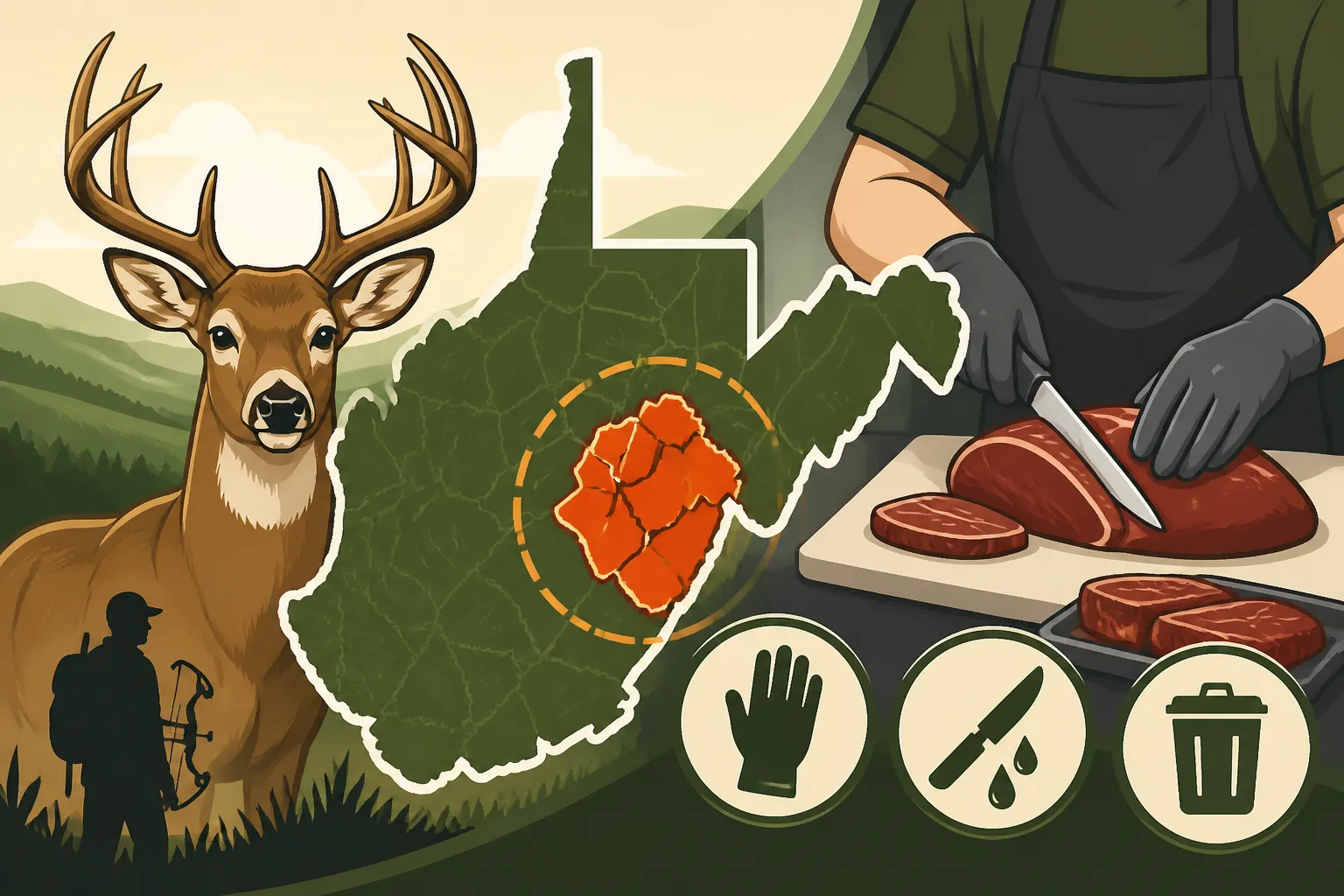
West Virginia has been proactively managing CWD since its first detection, primarily focused on preventing its spread beyond established zones. Our state has designated specific counties as CWD containment areas, and these areas come with a distinct set of rules for hunters. Currently, counties like Hampshire, Hardy, Mineral, Morgan, and Berkeley have been identified as part of these zones, though it's critical to always check the most current West Virginia DNR regulations before heading afield, as these can change. You can find detailed information about West Virginia's Chronic Wasting Disease Counties on the WVDNR website, and many hunters use reliable apps like GoHunt to quickly reference the latest CWD maps and regulations right from their phone.
The primary goal of these regulations is to restrict the movement of deer carcasses and certain parts out of the containment areas. Why? Because the prions are concentrated in specific tissues, such as the brain, spinal cord, lymph nodes, and spleen. Moving these parts from an infected area could inadvertently introduce CWD to healthy deer populations in other parts of the state. This is why you'll often hear about mandatory CWD testing requirements in certain zones, allowing the WVDNR to monitor prevalence and track the disease. The concept of How West Virginia's CWD Containment Area Works is a cornerstone of our state's management strategy, relying heavily on hunter compliance to be effective. Always verify if your hunting area falls within one of these zones, as the rules apply even if the deer you harvested appears perfectly healthy.
Field Dressing and Carcass Movement Restrictions
Field dressing your deer is a routine part of hunting, but when you're in a CWD containment area, it requires a few extra considerations to comply with regulations and minimize risk. It's about being prepared and knowing the specifics before you ever pull the trigger.
Initial Steps in the Field
When you've successfully harvested a deer in a CWD containment area, the first step is to field dress it as you normally would. However, the key difference lies in what you do with the internal organs. In CWD zones, the WVDNR strongly encourages hunters to dispose of the deer's entrails at the kill site, if practical, to avoid transporting potentially infectious material out of the area. This means leaving the gut pile right where the deer fell. If leaving entrails at the kill site isn't feasible or permitted on a particular property, you'll need to double-bag them and dispose of them in a proper landfill, not just any roadside ditch. This careful disposal is a critical part of containing the disease.
For hunters who plan to get their deer tested for CWD – which is often mandatory in specific CWD zones – it's important to know which samples are needed. Typically, the WVDNR requires lymph node samples from the neck area. This usually means you'll need to bring the deer's head, or at least the head with a portion of the neck, to a designated CWD sampling station. When performing your field dressing, try to be mindful of preserving these parts for potential sampling. After handling the carcass, it's always a good practice to thoroughly clean your hands and tools with a bleach solution or disinfectant to minimize any potential spread. Remember, precision in handling a deer after the shot in a CWD area extends beyond just the ethical harvest; it includes meticulous post-harvest procedures.
Legal Carcass Transport Rules
This is where many hunters get understandably confused, and it’s arguably the most critical regulation when hunting in a CWD zone. West Virginia has very specific West Virginia Carcass Movement Restrictions designed to prevent the physical transport of CWD prions. Generally, you cannot move a whole deer carcass or certain high-risk parts (like the brain, spinal cord, spleen, and lymph nodes) out of a CWD containment area. This applies even if you're just driving through to another county.
So, what can you transport? You can typically transport boned-out meat, quarters with no spinal column attached, cleaned skull plates or antlers (with no brain tissue), capes (without skull attached), and hides. Essentially, if it's a part that has a low likelihood of containing CWD prions, it's generally permissible to transport. The purpose is to allow you to take your venison home while ensuring you don't inadvertently spread the disease. For instance, if you harvest a deer in Hardy County and live in Kanawha County, you must ensure that only the allowed parts leave the CWD zone. The WVDNR provides clear guidelines on what is permitted, and consulting resources like GoHunt or the official state website before your hunt can prevent a significant headache later.
Here's a quick reference table of generally allowed and restricted parts for transport out of a CWD containment area in West Virginia:
| Permitted for Transport (Out of CWD Zone) | Restricted for Transport (Out of CWD Zone) |
|---|---|
| Boned-out meat | Whole deer carcass |
| Quarters (no spinal column or head attached) | Head (with brain or spinal column) |
| Hides (tanned or raw, no skull attached) | Spinal column |
| Cleaned skull plate (no brain or soft tissue) | Spleen |
| Antlers (shed or attached to cleaned skull plate) | Lymph nodes |
| Teeth | Internal organs (unless properly disposed of at kill site/landfill) |
| Finished taxidermy products | Brain tissue |
Always consult the official West Virginia DNR regulations for the most current and detailed information, as rules are subject to change.
Processing Your Harvested Deer
Once you've navigated the field dressing and transport rules, the next step is processing your deer. Whether you do it yourself or use a commercial processor, there are important considerations when dealing with venison from a CWD containment area.
Home Processing Safely
If you're like many West Virginia hunters, the thought of Butchering a Deer at Camp or in your garage is a tradition. When that deer comes from a CWD containment area, special precautions are warranted. First, designate specific tools for processing this venison, and thoroughly clean and disinfect all surfaces and equipment afterward. A diluted bleach solution (e.g., one part bleach to ten parts water) is effective against prions on non-porous surfaces. For knives and other tools, proper sterilization or even dedicated use for CWD-zone harvests can reduce risk. It's a small change in routine that makes a big difference in biosecurity.
Another crucial aspect of home processing involves waste disposal. After boning out your deer, you’ll have a significant amount of waste material, including bones, trimmings, and potentially any remaining high-risk tissues like lymph nodes that weren’t sampled at a station. All of this waste needs to be disposed of carefully. The safest method is to double-bag all processing waste and take it to a landfill. Never dispose of these materials in open fields, compost piles, or wooded areas, as this could contribute to environmental contamination and the spread of CWD prions. It's an extra step, but ensuring proper disposal is a testament to responsible hunting and disease management.
Commercial Processor Considerations
Using a commercial processor can be a huge convenience, especially for larger animals or when time is tight. However, if your deer comes from a CWD containment area, you need to be very clear with your processor. Many commercial processors in or near CWD zones are well-versed in the regulations and may have specific protocols for handling deer from these areas. They might require proof that your deer was harvested within a CWD zone or processed in a manner compliant with movement restrictions. Some processors will not accept whole carcasses from CWD zones, requiring you to bring only the boned-out meat.
It's absolutely essential to communicate openly with your chosen processor before you even drop off your deer. Ask about their CWD policies, how they manage cross-contamination, and their waste disposal practices. For instance, a reputable processor will have separate areas or protocols for CWD-zone deer to prevent any potential spread of prions to other animals. They should also be able to explain how they handle the high-risk tissues, especially if your deer hasn't been tested yet. Choosing a processor who understands and adheres to West Virginia CWD Testing for Hunters requirements ensures that your venison is handled safely and legally, giving you peace of mind.
Donating Venison and Other Considerations
Many hunters generously donate their harvested venison to feed the hungry, which is a fantastic way to give back to the community. However, CWD introduces specific challenges and requirements for donating meat from affected areas.
Donating Venison from CWD Zones
The desire to Donating Venison in West Virginia is a noble one, and thankfully, it's still possible even with CWD concerns, though with specific stipulations. If your deer was harvested in a CWD containment area, it often needs to be tested and confirmed negative for CWD before it can be donated to programs like Hunters for the Hungry. This is a crucial safeguard to ensure that only safe, healthy meat enters the food supply. The WVDNR and these donation programs prioritize public health above all else.
The process usually involves taking your deer's head (or required samples) to a designated WVDNR CWD sampling station. You might need to wait for the test results before proceeding with donation. This can take some time, so it's important to plan ahead, especially if you're hunting early in the season. Organizations and processors participating in venison donation programs will have clear guidelines on how to handle CWD-tested deer, and they will only accept animals that meet all health and safety criteria. Always check with the specific donation program in your area for their precise requirements, as they might have additional rules beyond state regulations.
Best Practices for CWD Zone Hunters
Hunting in a CWD containment area demands a heightened level of awareness and responsibility from every hunter. Beyond the legal requirements, adopting certain best practices can further help mitigate the risk of CWD spread. One key practice is being meticulous with your scouting and pre-hunt planning. Using mapping tools like GoHunt can help you clearly identify public and private land boundaries within CWD zones, and even mark potential CWD sampling station locations beforehand. Knowing your route and where you can legally dispose of waste or get samples tested saves valuable time and prevents missteps.
Another crucial best practice is to always stay informed. Regulations can and do change based on new scientific understanding and disease surveillance data. Regularly check the West Virginia DNR website or sign up for their email updates. Remember that when you participate in Mandatory Testing Inside the CWD Containment Area, you're directly contributing to the WVDNR's efforts to monitor and manage the disease. Your cooperation is invaluable. Finally, practice good personal hygiene and equipment sanitation. Clean your knives, saws, and processing surfaces thoroughly after each use, especially if you process multiple deer from different areas. These seemingly small steps, when collectively practiced by the hunting community, are our best defense against the continued spread of CWD in West Virginia.
Disclaimer
The information provided in this guide is for general informational purposes only and is based on typical West Virginia hunting regulations regarding Chronic Wasting Disease (CWD) containment areas. Hunting regulations, including those related to CWD, can change. It is the hunter's sole responsibility to consult the most current official West Virginia Division of Natural Resources (WVDNR) regulations and guidelines before, during, and after any hunting activity. Failure to do so may result in fines or other penalties. This guide does not constitute legal advice.