Flushing Grouse Without a Dog
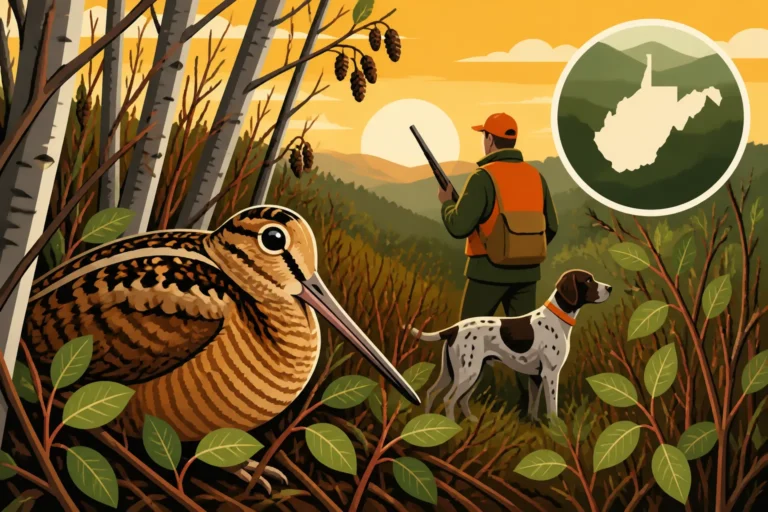
Hunting ruffed grouse in the dense, unforgiving cover of West Virginia without the keen nose and relentless drive of a bird dog can feel like an impossible task. These "mountain pheasants" are masters of evasion, often flushing unexpectedly or holding so tight you practically step on them. If you've ever found yourself walking mile after mile of prime habitat only to hear that explosive flush behind you, this guide is for you. We'll dive deep into practical, dog-less strategies to help you put more West Virginia grouse in your game vest.
Understanding the Ruffed Grouse in West Virginia
Before you can outsmart a grouse, you need to understand it. These birds aren't just randomly flitting about; they have specific habitat preferences and behavioral patterns that, once understood, can significantly increase your chances of a successful flush, even without a dog.
Grouse Habitat and Behavior
West Virginia's ruffed grouse thrive in specific types of dense, often unforgiving cover. Think thickets of mountain laurel, rhododendron bogs, dense stands of young aspen or maple, clear-cuts that are 5-20 years old, and brushy creek bottoms. These areas provide the perfect blend of food, nesting cover, and escape routes from predators. They prefer habitat edges where different cover types meet, offering both food and security. For instance, a small stand of mature oaks bordering a clear-cut might offer acorns, while the clear-cut itself provides dense cover.
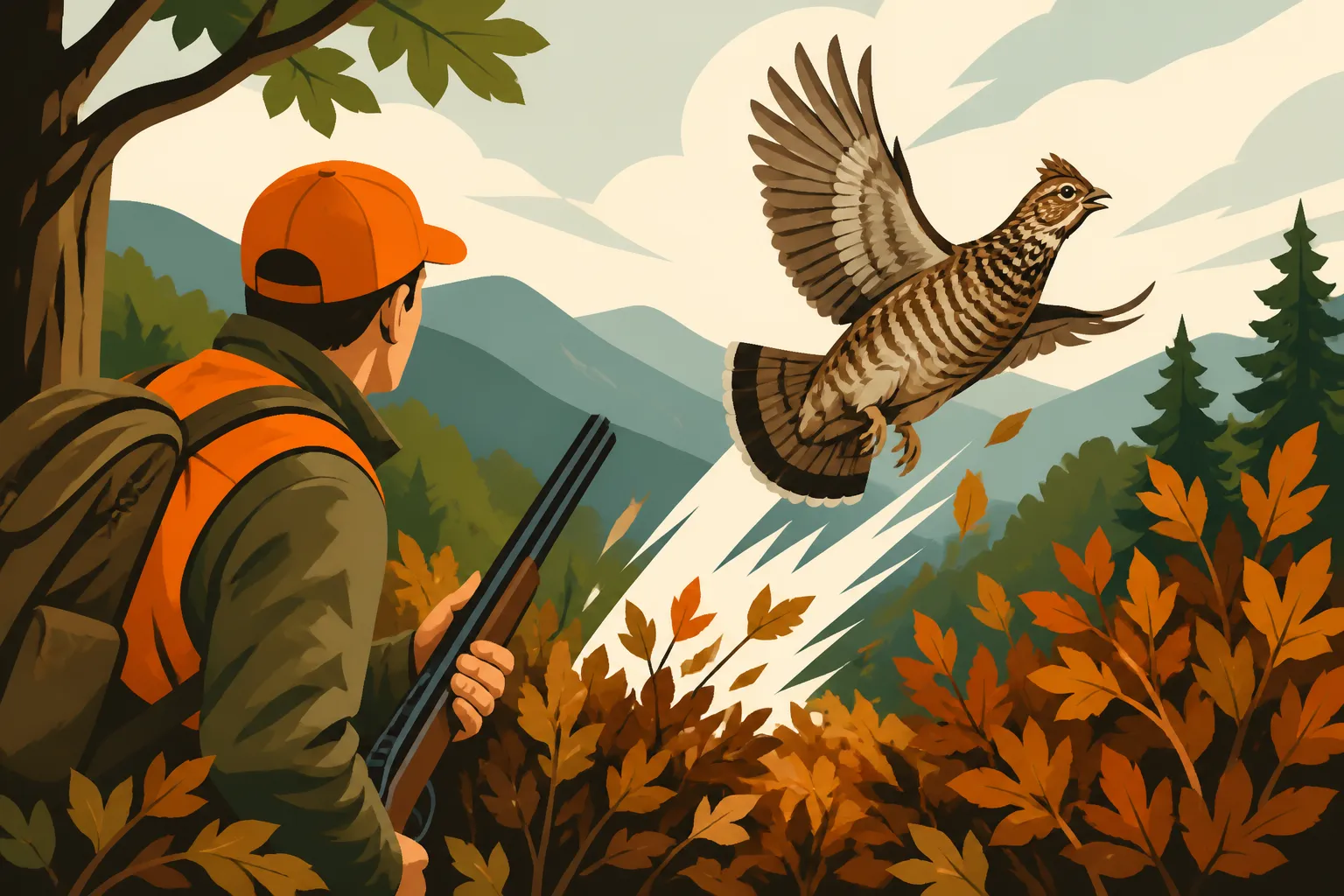
Grouse are notoriously hard to spot on the ground, thanks to their incredible camouflage. They'll often "hold tight," hunkering down and relying on their natural patterns to blend into the leaf litter and underbrush, letting hunters walk right past them. When they do flush, it's typically an explosive burst of wings, often accompanied by a startling cackle, and they typically fly straight into the thickest part of the cover, making for a challenging shot. Their diet shifts seasonally, from insects and berries in summer to buds, catkins, and hard mast like acorns in fall and winter. Knowing what they're eating can help you pinpoint specific areas to hunt.
The Elusive Nature of the Mountain Pheasant
Many hunters affectionately call the ruffed grouse the "mountain pheasant" because of its challenging nature and the rugged terrain it calls home. Their ability to seemingly vanish, or explode from cover just when you think you're alone, is legendary. They use the terrain to their advantage, often flushing downhill or into deep hollows where thick cover provides immediate sanctuary. It’s a common frustration to hear that tell-tale thunder of wings, only to realize the bird flushed from behind a thick tangle of rhododendron you just passed, or from a spot you were about to step into.
This elusiveness is part of what makes grouse hunting so addictive, but also incredibly frustrating for those without a dog to scent-track and pin them down. They are not like bobwhite quail that covey up and hold for a dog; a grouse is usually a solo act, and once flushed, it's often a single chance. The challenge lies in forcing that flush within shotgun range and having the split-second reaction time to get a shot off through the trees. You'll often be Grouse Hunting Allegheny Highlands Cover where the topography makes these birds even harder to pin down.
Reading the Land for Ruffed Grouse
Successful dog-less grouse hunting hinges on your ability to read the landscape. You're looking for prime habitat, yes, but also subtle signs of grouse activity and logical travel corridors. Start by studying maps, identifying potential clear-cuts, dense creek bottoms, or areas where How Old a Cut Should Be for Grouse to provide optimum cover. Look for food sources – berry bushes, oak flats, or areas with alder and birch for their catkins.
When on the ground, keep an eye out for droppings or "cuttings" (nibbled buds or catkins) under specific trees, which indicate recent feeding activity. Pay attention to transition zones – where a dense thicket meets a more open hardwood stand, or where a logging road cuts through heavy cover. These are prime areas where grouse might feed on the edge and retreat into the dense stuff when disturbed. Knowing the lay of the land, especially in challenging areas like Monongahela National Forest Hunting, is paramount.
Footwork and Strategy for Dog-less Grouse Hunters
Since you don't have a dog covering ground and sniffing out birds, your footwork and methodical approach become your most valuable assets. This isn't a stroll in the park; it's a strategic invasion of grouse territory.
The Slow, Deliberate Walk
When hunting grouse without a dog, speed is your enemy. A fast pace will cause birds to flush far out, or simply run ahead of you deeper into cover without ever offering a shot. Instead, adopt a slow, deliberate walk. Think of yourself as an old-school bird dog, but using your eyes and ears instead of your nose. Take a few steps, then pause. Scan the cover ahead, listen for any rustling leaves, subtle wingbeats, or cackles. Often, a grouse will flush when you pause, thinking it has been spotted, or will reveal its position as it adjusts its hold.
Your gun should always be in a ready position – either mounted or halfway to your shoulder, with your finger outside the trigger guard, ready to snap into action. This isn't easy, especially when navigating thick brush, but it's crucial for getting off a quick shot. Imagine trying to hit a blur disappearing into a wall of green; every fraction of a second counts. Maintain an awareness of your surroundings, constantly anticipating where a bird might flush and where it might try to fly.
Working Cover Systematically
Instead of simply wandering through the woods, approach grouse cover with a plan. Imagine the area as a grid and work it systematically. For a linear strip of cover, like a fencerow or a creek bottom, walk one side, then cross over and walk the other, creating noise and disturbance from both directions. In broader clear-cuts or thickets, try to walk in a zig-zag pattern, constantly changing your angle to the cover. This varies your approach and often makes birds nervous enough to flush.
Push edges hard. Grouse often prefer the fringes of dense cover. Focus your efforts on pushing through the thickest, nastiest stuff you can find, even if it's uncomfortable. This is where grouse feel safest and are most likely to hold tight. Don't be afraid to make some noise – scuff your boots, snap twigs, even kick at brush piles. This disruption can sometimes be enough to get a wary bird to flush when silence would only encourage it to hold tighter.
Anticipating the Flush
A dog-less grouse hunter must develop a sixth sense for where and when a bird might flush. It comes with experience, but some general rules apply. Grouse typically flush from the densest cover available, often within 10-20 yards of the hunter. They'll almost always try to put something between themselves and you – a big oak tree, a dense laurel thicket, or the steep side of a hollow.
Always have your gun ready when approaching a particularly thick patch of rhododendron, a blowdown, or a dense sapling stand. These are prime holding spots. When walking a ridge line, anticipate birds flushing downhill, or quickly darting over the opposite side. If you're hunting with a partner, communicate your intentions and positions clearly, especially regarding safety and shooting lanes. This can be crucial when Deer Drives With Three or Four Hunters are also working an area, though grouse hunting is a different animal entirely.
Key Tactics for Maximizing Opportunities
Beyond footwork, certain tactics can help you trick these cunning birds into flushing within range. These are skills developed over seasons of frustrating, yet rewarding, pursuit.
Utilizing Terrain and Obstacles
West Virginia's mountainous terrain is both a blessing and a curse for the grouse hunter. Steep ridges and hollows can offer difficult walking but also provide natural funnels and escape routes for birds. When hunting a steep slope, try to walk parallel to the contour lines. Grouse often flush downhill, using gravity and dense cover to gain speed and distance quickly. Positioning yourself above them can sometimes force a downhill flush that is easier to track.
Fallen trees, rock outcroppings, and dense laurel thickets aren't just obstacles; they're potential grouse hideouts. Treat every blowdown, every rock pile, every patch of impenetrable brush as a potential launchpad for a bird. Kick at the base of fallen trees, step over blowdowns with your gun ready, and try to skirt around dense thickets in a way that pushes birds out rather than deeper in. The goal is to funnel them into a more open area, however brief, where you might get a shot.
The "Stop-and-Go" Method
This tactic is a cornerstone of dog-less grouse hunting. Instead of a continuous, even pace, incorporate frequent, unpredictable pauses into your walk. Take five or ten steps, then stop completely for 5-15 seconds. Then repeat. The idea is that a grouse holding tight will likely stay put as long as it thinks you're just passing by. But when you stop, it signals to the bird that it might have been seen, or that its cover has been compromised. This sudden pause often triggers a nervous bird to flush.
It takes discipline, especially when your legs are burning, but it works. Many seasoned grouse hunters swear by it. During these pauses, actively scan your surroundings, looking for any movement or listening for subtle sounds. The flush often happens just as you're about to take your next step, or immediately after you stop. This strategy applies well to any form of Squirrel and Small Game Hunting in West Virginia where animals might try to hide from you.
Hunting with a Partner Human "Dog"
While a human partner can never replicate the scenting ability of a well-trained bird dog, they can certainly act as a very effective "flusher." Hunting with one or two partners allows you to systematically cover wider swaths of cover and create a more intimidating presence for holding birds. The key is to walk in a line, parallel to each other, about 20-30 yards apart, depending on the density of the cover and safety considerations.
The "beaters" (the people walking) make noise and push through the cover, while the "gunner" (whoever has the best shot opportunity) stays alert. This creates a wall of disturbance, making it harder for grouse to simply run ahead or slip out the sides. Communication is vital – verbally confirm positions, potential hazards, and especially, safe shooting lanes. Always know where your partner is and never swing your gun in their direction. This method is particularly effective in large clear-cuts or dense laurel thickets where solo hunting would leave too much ground untouched. Consider a system for Deer Drives With Three or Four Hunters to understand the safety and coordination needed, even if the prey is different.
Gear and Safety Considerations for Solo Grouse Hunting
The right gear can make your day more comfortable and productive, while strict adherence to safety is paramount, especially when hunting alone in rugged country.
Shotgun and Ammunition Choices
For flushing grouse without a dog, a fast-handling shotgun is key. Over/under or side-by-side shotguns are popular for their quick second shot, but a semi-automatic or pump can work just as well if you're comfortable with it. The most common gauges are 20-gauge and 12-gauge. Many prefer a 20-gauge for its lighter weight and quicker swing, especially when navigating thick brush.
Choke selection is critical. Since most shots will be close-range in dense cover, open chokes like Improved Cylinder (IC) or Skeet are ideal. They provide a wide pattern at close distances, increasing your chances of connecting with a fast-flying bird through the trees. For ammunition, game loads with 7 ½ or 8 shot are perfect. The smaller shot size creates a denser pattern, and the lighter loads reduce recoil for faster follow-up shots. Upland Guns for Highlands Grouse Cover provides more detail on ideal setups.
| Cover Type | Approach Strategy | Recommended Shotgun Choke | Why it Works |
|---|---|---|---|
| Dense Laurel Thickets | Slow, deliberate pushes, kick at base of thickets. | Skeet/Improved Cylinder | Birds hold extremely tight; close-range, fast flushes. |
| Young Aspen/Maple Cuts | Systematic zig-zag or grid pattern, stop-and-go. | Improved Cylinder | Provides good food/cover; birds may run or flush quickly through saplings. |
| Rhododendron Bogs | Push through slowly, listen for movement, gun ready. | Skeet | Very thick; shots will be extremely close or obscured. |
| Brushy Creek Bottoms | Walk both sides of the creek, push towards open edges. | Improved Cylinder | Linear cover; birds often follow the watercourse. |
| Blowdowns/Log Piles | Kick and prod with boot or stick; circle and watch. | Skeet/Improved Cylinder | Prime holding spots, birds will often burst out unexpectedly. |
Essential Apparel and Navigation Tools
Hunting West Virginia grouse means you're going to be in thick, unforgiving cover. Good quality brush pants or chaps are a non-negotiable item to protect your legs from briars, thorns, and sharp branches. Sturdy, waterproof boots with good ankle support are also critical for navigating uneven, often slippery terrain. Layer your clothing to adapt to changing temperatures and exertion levels. A blaze orange vest or hat is absolutely essential for safety, even during archery season, to ensure you're visible to other hunters.
A reliable navigation system is paramount. Cell service is spotty in many parts of the West Virginia mountains, so don't rely solely on your phone. A handheld GPS unit is highly recommended, but if you do use your phone, make sure you have offline maps downloaded. Apps like GoHunt are invaluable for showing property boundaries, topography, and even marking successful flush spots for future reference. Using a robust mapping platform such as GoHunt can help you avoid getting turned around in sprawling areas like Cranberry Wildlife Management Area. Knowing how to use Scouting West Virginia Public Land Before Season with these tools will give you a significant advantage.
Safety First in Thick Cover
Grouse hunting can be physically demanding and often takes you into remote areas. Always tell someone where you are going and when you expect to return. Carry a small first-aid kit, a whistle (three short blasts is a universal distress signal), and a fully charged cell phone (even if for emergencies only). If hunting with a partner, establish clear communication signals and always maintain visual contact or regular verbal check-ins.
Gun safety is paramount. Always know where your muzzle is pointed, keep your finger off the trigger until you're ready to shoot, and be absolutely certain of your target and what lies beyond it. In thick cover, shots can be obscured, so take extra precautions. Never shoot at sound alone. In areas with other hunters, especially during overlapping seasons like West Virginia's Buck Gun Season and small game, wearing plenty of blaze orange (or blaze pink, which is also legal in West Virginia) makes you much more visible. Being prepared for Recovering a Deer From a Steep Hollow is a testament to the ruggedness of the terrain, and grouse hunting often takes you into similar challenging spots.
Disclaimer
Please remember that hunting regulations and seasons can change. Always consult the official West Virginia Department of Natural Resources (WVDNR) regulations guide before heading afield to ensure you are compliant with all current laws.