How Old a Cut Should Be for Grouse
It’s a frustration many West Virginia grouse hunters know all too well: you’ve scouted a promising timber cut, walked your legs off through thick cover, and heard nothing but the crunch of leaves underfoot. Or maybe you've stumbled into a honey hole purely by accident, wondering what made that particular patch of woods so special. The truth is, not all timber cuts are created equal when it comes to ruffed grouse habitat. Understanding the life cycle of a forest after a harvest, and specifically how old a cut needs to be, is absolutely critical to finding these elusive birds in the Mountain State. This guide will walk you through exactly what to look for, helping you transform those hit-or-miss outings into more consistent success stories.
The Dynamic Relationship Between Timber Harvests and Ruffed Grouse Habitat
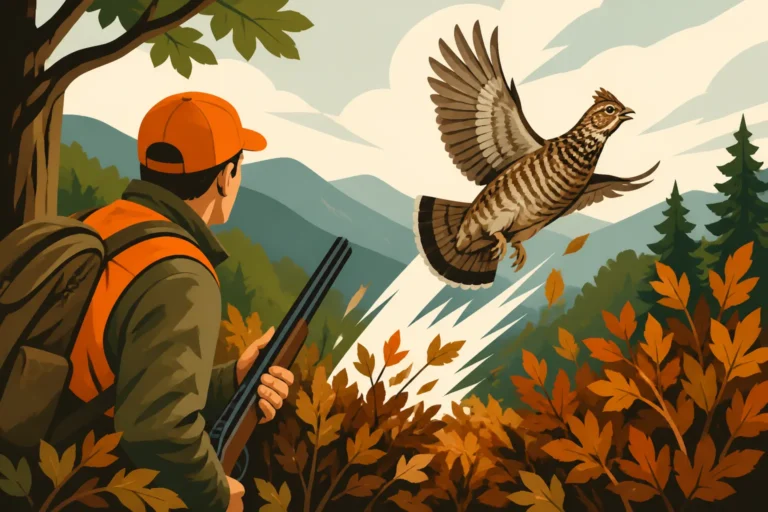
Ruffed grouse are often called "timberdoodles" for a reason – they are intricately tied to specific forest conditions, particularly those created by disturbance. In West Virginia, where vast tracts of mature timber dominate, active forest management, especially timber harvesting, is often the primary driver of the kind of habitat grouse need to thrive. Without it, the forest floor becomes too open, lacking the dense, tangled cover that provides food, protection from predators, and drumming sites.
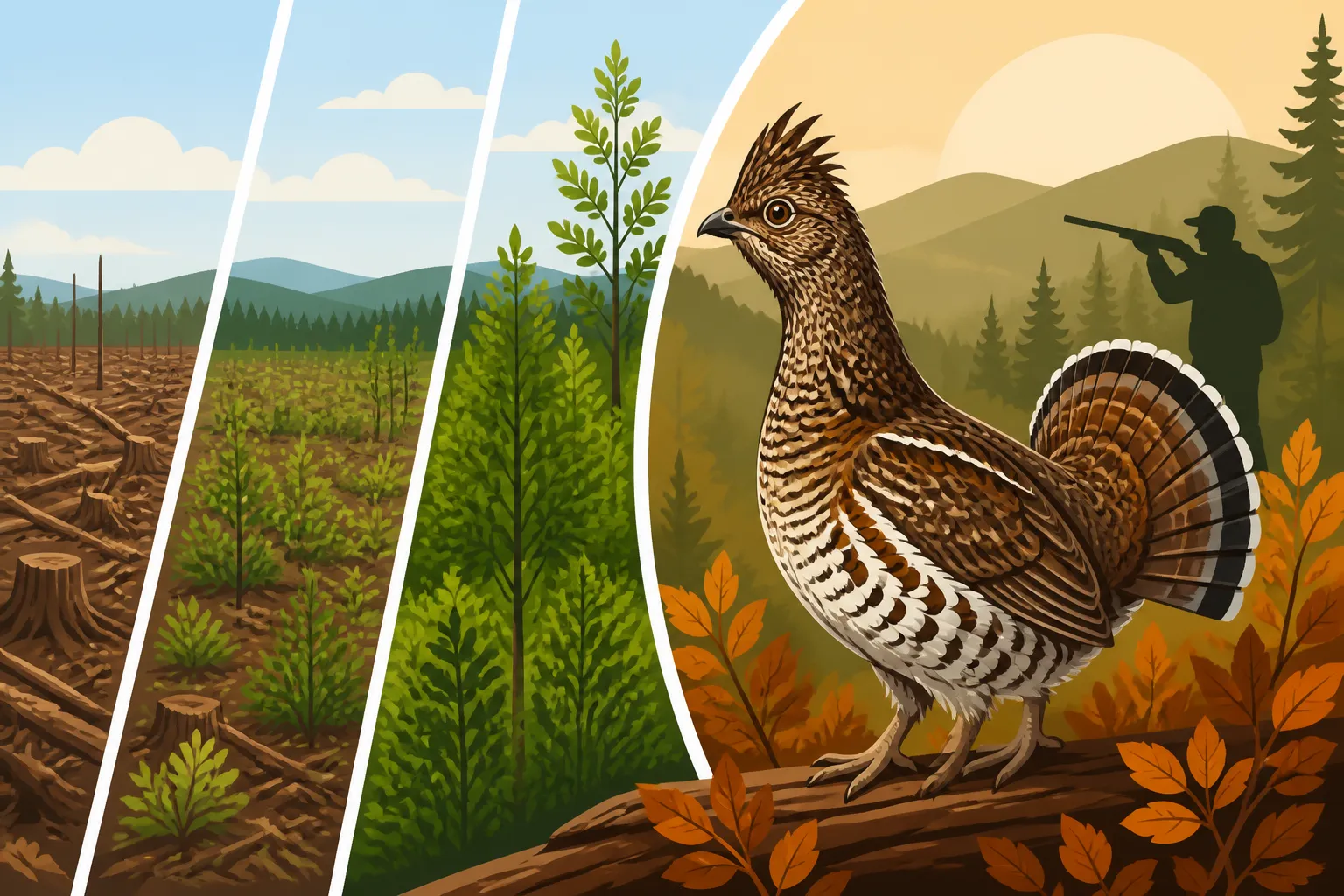
Think about a fresh clear-cut. Right after the timber is removed, it looks like a barren wasteland to a grouse. There's plenty of sunlight hitting the forest floor, which is great for new growth, but initially, there's no cover, and most of the crucial woody debris for drumming logs might be gone or too exposed. Grouse are vulnerable birds; they need overhead concealment from raptors and horizontal cover from ground predators like coyotes and foxes. This initial phase, typically the first year or two, isn't going to hold many birds consistently, if any at all. It's simply too open, too exposed, and doesn't offer the multi-layered protection they instinctively seek.
As time progresses, however, the magic begins. Sunlight fuels an explosion of regeneration. Saplings of various hardwoods like aspen, black cherry, oak, and maple, along with shrubs such as greenbrier, blackberry, and witch hazel, begin to shoot up. This dense, early successional growth is exactly what grouse are looking for. These young, vigorous plants provide a smorgasbord of buds, catkins, and berries, which form a crucial part of the grouse diet, especially in the leaner winter months. Furthermore, the sheer density of young stems creates a nearly impenetrable tangle at ground level, offering unparalleled escape cover. When a hawk swoops down or a fox stalks through the underbrush, a grouse can simply dive into this thicket and disappear. This cycle of regrowth is vital for the health of the grouse population, particularly given the broader trend of West Virginia Ruffed Grouse Decline. Without these cuts, much of the habitat needed for grouse begins to disappear, leading to fewer birds for us to pursue.
Pinpointing the Prime Age: What to Look For in West Virginia's Cuts
So, what's the sweet spot? While there's always variability due to soil type, elevation, and specific timbering practices, we can generally categorize cuts into stages to better understand their potential for grouse.
The Ideal Window: 5 to 15 Years Post-Harvest
This is arguably the absolute best time to find ruffed grouse in West Virginia timber cuts. After about five years, the regenerating forest has typically grown into a dense, almost impassable thicket of young hardwoods and shrubs. You'll be pushing through head-high saplings, tangled briar patches, and often areas with heavy mountain laurel or rhododendron undergrowth. It's tough walking, for sure, but that's precisely why the grouse are there.
- Dense Cover: The stem density is incredibly high, providing that crucial overhead and horizontal concealment. From a grouse's perspective, they can move through this maze relatively easily, while predators struggle. For hunters, it means birds often hold tight, offering close flushing opportunities, but also making them incredibly hard to see.
- Abundant Food Sources: Young trees and shrubs are bursting with nutritious buds, catkins, and fruits. Aspen stands, in particular, are phenomenal grouse producers, and a cut with significant aspen regeneration, often seen in the Allegheny Highlands, is a true goldmine. This is why Aspen Management and Highlands Grouse is such a critical topic for bird hunters. Black cherry, birch, and even grapevines provide excellent food.
- Drumming Logs: Often, the larger fallen logs from the original timber operation are still present and have begun to decay slightly, creating perfect drumming sites for male grouse to announce their presence and attract mates. These logs will be somewhat hidden by the dense new growth, offering protection for the drumming bird.
Hunting these cuts requires patience and a slow, methodical approach. Whether you're Flushing Grouse Without a Dog or working with a well-trained bird dog, covering ground thoroughly is key. Look for areas where the density is at its peak, especially where it transitions into slightly older timber or along the edges of small clearings.
Beyond the Prime: Early and Later Stages
Understanding the prime window also means knowing when a cut is less likely to be productive.
- Under 5 Years (Too Young): As mentioned, these cuts are generally too open. While a lone bird might occasionally visit for dusting or to pick at specific early growth, they typically won't hold resident grouse. The cover just isn't sufficient for sustained habitation. You might find some birds on the very edges where it meets thicker, older growth, but don't expect to work the interior.
- 15 to 25 Years (Maturing Out): After about 15 years, the forest begins to mature. The canopy starts to close, shading out the understory. The dense, ground-level tangle that grouse adore begins to thin out. While you can still find grouse in these cuts, particularly in pockets where sunlight still penetrates or where specific food sources persist, their numbers will likely decline. The cover becomes less effective as the trees grow taller and the lower branches self-prune.
- 25+ Years (Mature Forest): By this point, the cut has largely reverted to a mature forest, similar to the pre-harvest conditions. The understory is typically sparse, and there's little to no early successional growth. Grouse will only be found here if there are other specific habitat features, like dense mountain laurel patches or areas of persistent hemlock or pine thickets. For a deep dive into generalized grouse hunting, check out resources on Grouse Hunting Allegheny Highlands Cover.
Here's a quick overview to summarize the stages:
| Age of Timber Cut | Characteristics | Grouse Potential | Hunting Considerations |
|---|---|---|---|
| 0-5 Years | Very open, young saplings, low cover. | Very Low – Occasional visitors on edges. | Not worth targeting directly. |
| 5-15 Years | Optimal: Dense, tangled saplings and shrubs. | High – Excellent food, escape, and drumming sites. | Tough walking, slow methodical pace, look for tight holds. |
| 15-25 Years | Maturing, canopy closing, understory thinning. | Moderate – Pockets of good habitat remain. | Focus on persistent thickets, edges, and sun-drenched areas. |
| 25+ Years | Mature forest, sparse understory. | Low – Only if specific, dense habitat persists. | Not ideal grouse habitat; look for other cover types. |
Strategies for Locating and Hunting West Virginia's Grouse Hotspots
Finding these prime cuts takes a combination of good scouting, technological assistance, and on-the-ground effort. You can't just drive around hoping to stumble upon them.
Leveraging Technology for Initial Scouting
Before you even step foot in the woods, the best place to start is from your couch. Topographic maps, aerial imagery, and digital scouting apps are invaluable tools for identifying potential grouse cover.
- Online Mapping Tools: Utilize platforms like Google Earth, GoHunt, or the WVDNR's interactive mapping tools. Look for tell-tale signs of recent timber activity: areas with distinct boundaries, lighter green regeneration contrasted against older, darker timber, and visible logging roads or clearings. The key is to examine the forest canopy. Young growth will have a different texture and color than mature timber. Sometimes, you can even spot piles of logging slash from above.
- GoHunt and onX Maps: Apps like GoHunt and onX Layers for West Virginia Land Status allow you to view property lines, public land boundaries, and often overlay recent timber harvests or forest management plans (sometimes available through US Forest Service layers for Monongahela National Forest, for example). This can save you countless hours of walking unproductive ground. Public hunting access often means Monongahela National Forest Hunting or Hunting the Potomac Highlands Public Land, where active timber management is common.
- WVDNR Resources: The West Virginia Division of Natural Resources (WVDNR) sometimes provides information on active timber sales or managed areas on Wildlife Management Areas (WMAs). A quick check of their website before season can yield valuable clues.
On-the-Ground Scouting and Hunting
Once you've identified a promising area on your map, it's time for boots on the ground.
- Pre-Season Reconnaissance: Even if it's not hunting season, a hike through a suspected good cut can confirm its age and density. Look for visual signs like grouse droppings (small, dark pellets, often near drumming logs or dusting areas), dusting bowls (small, shallow depressions where birds dust themselves), and shed feathers. Identify potential drumming logs – large, sturdy fallen trees that are somewhat sheltered by dense cover. This kind of Scouting West Virginia Public Land Before Season is invaluable.
- Walking Patterns: When hunting, don't just wander aimlessly. Walk the edges where the thick cut meets older timber, especially near creek bottoms or along ridges. Grouse often use these transition zones. If the cut is large, try a grid pattern or zig-zag through the densest cover. Don't be afraid to push through areas that seem impenetrable – that's where the grouse feel safest.
- Working with a Dog: If you hunt with a dog, pay attention to their behavior. A good grouse dog will often get "birdy" well before you see the bird, signaling that a flush is imminent. For those without canine companions, focus on methodical movements and quick reactions when a bird bursts from cover.
- Shotgun and Choke Selection: In such dense cover, shots are often close and fast. A more open choke (Skeet, Improved Cylinder) is usually preferred, and a lighter, quicker-handling shotgun is a distinct advantage. Consider what Shotgun Gauge Choice is best for you, and for more specific advice on gear, look into Upland Guns for Highlands Grouse Cover. Always be mindful of West Virginia Grouse Season Dates to ensure you're hunting legally.
Beyond the Cut: Other Prime Grouse Habitats
While timber cuts are undeniably crucial, grouse aren't exclusively found there. West Virginia’s diverse landscape offers other pockets of prime habitat, often complementing or bordering recent timber activity.
Rhododendron and Mountain Laurel Thickets
These evergreen shrubs form incredibly dense, dark cover, especially prevalent in the Allegheny Mountains. Often found in hollows, on shaded slopes, or along creek drainages, these "hells" provide year-round cover for grouse, particularly during severe weather or when deciduous trees have lost their leaves. If you find a recent cut adjacent to a large rhododendron thicket, you've likely hit a grouse goldmine. The birds will use the cut for feeding and the laurel for roosting and escape.
Aspen and Birch Stands
Even without a recent timber cut, natural stands of aspen and birch can be outstanding grouse habitat. These pioneer species provide crucial catkins and buds, especially in winter. Aspen stands, particularly those with a mixed age structure or those beginning to fall and decay, also create excellent drumming log opportunities and dense suckering growth at ground level. This specific habitat is why Grouse Hunting Highlands Aspen Cuts is a topic often highlighted by experienced Mountain State bird hunters.
Old Fields and Apple Orchards
Abandoned farm fields or old apple orchards, now reverting to forest, can be phenomenal grouse coverts. The mix of open areas for sunning and feeding, along with dense tangles of thorn bushes, briars, and saplings, provides everything a grouse needs. The wild apples themselves are a valuable food source. These areas often have a patchwork quality, with thickets, old fencerows, and scattered mature trees, creating ideal edge habitat.
Stream Bottoms and Riparian Zones
The moist, rich soils along streams and rivers often support a different mix of vegetation, including dense undergrowth, alders, and willows. These areas can remain brushy and thick even as surrounding uplands mature. Grouse will use these corridors for travel and feeding, especially in the late season when other food sources become scarce.
Ultimately, hunting ruffed grouse in West Virginia is a challenging but incredibly rewarding pursuit. By understanding the dynamic relationship between timber harvests and grouse habitat, and focusing your efforts on those prime 5 to 15-year-old cuts, you significantly increase your odds of experiencing the thunderous flush that makes this sport so addictive. Always be prepared for tough walking, stay vigilant, and enjoy the wild beauty of West Virginia's regenerating forests.
Disclaimer
Hunting carries inherent risks, including but not limited to injury or death. Always prioritize safety, understand and follow all West Virginia hunting regulations, and be aware of your surroundings. The information provided in this guide is for informational purposes only and should not replace professional guidance or your own thorough research and discretion. Laws and regulations can change, so always consult the latest West Virginia hunting digest.