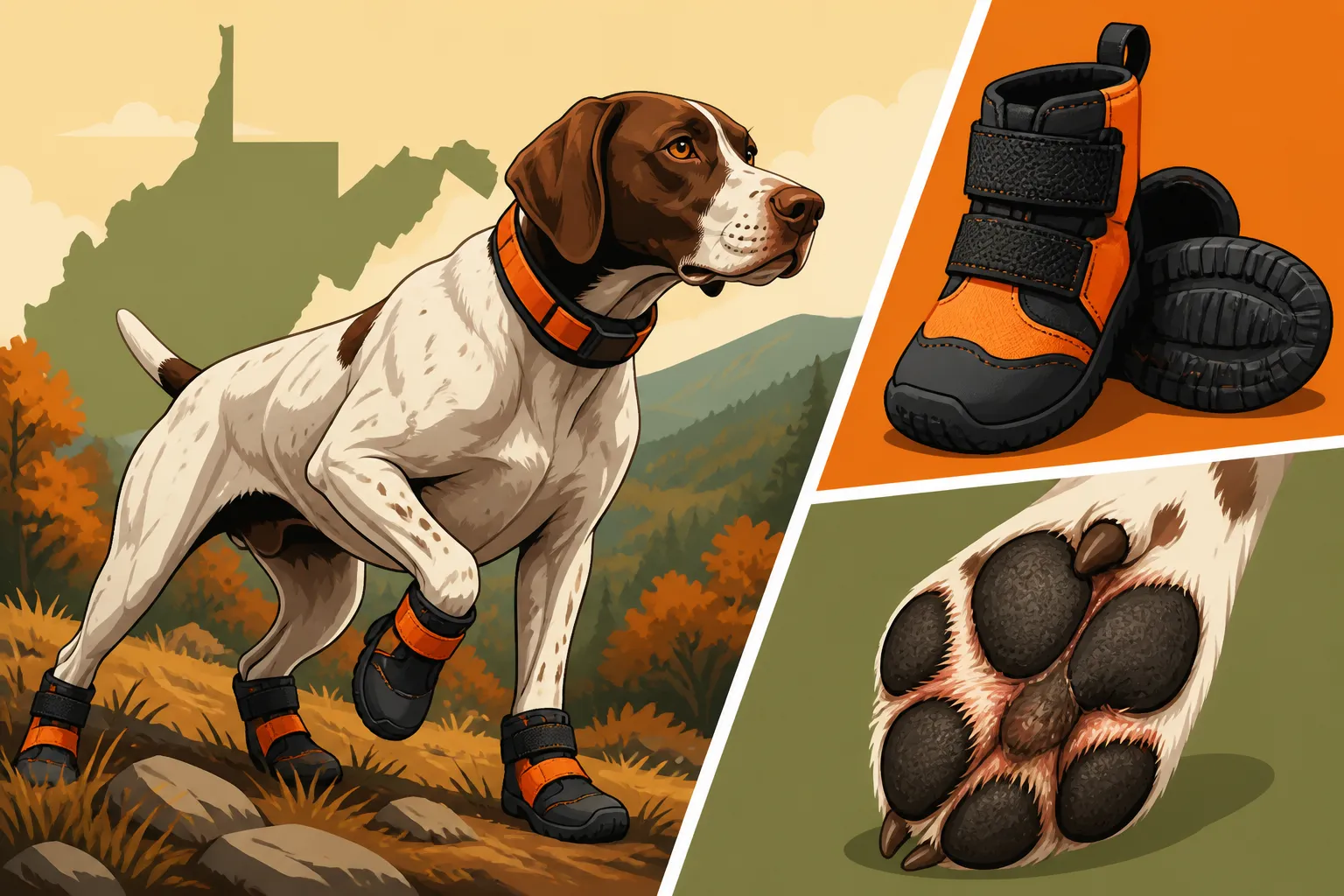
Bird Dog Boots and Cut Pads
Any hunter who has spent time afield with a working dog in West Virginia knows the heartache of a cut, bruised, or torn paw pad. Our rugged mountains, dense cover, and often unpredictable weather are brutal on canine feet, leading to prematurely ended hunts and costly vet visits. It’s a real frustration when your best hunting buddy is sidelined, and it makes you feel terrible. This comprehensive guide is all about protecting your four-legged hunting partner's paws, exploring everything from the necessity of protection in our tough terrain to choosing the right gear, ensuring they can perform their best and stay healthy for many seasons to come.
The West Virginia Challenge for Canine Paws
Let's be honest, West Virginia is beautiful, but it's not exactly a walk in the park for our hunting dogs. The terrain is relentlessly unforgiving, and the weather can swing wildly from one extreme to the next. Ignoring these factors can lead to serious paw injuries that not only interrupt your hunt but also cause your loyal companion unnecessary pain and a long recovery. We owe it to them to understand these challenges and proactively protect their most vital tools – their feet.
Rocky Terrain and Forest Debris
Picture this: you're Grouse Hunting Allegheny Highlands Cover with your setter, pushing through thickets and navigating steep, rocky slopes. Every step for your dog is an encounter with nature's sharpest edges. West Virginia’s landscape is a mosaic of sharp shale, loose scree, and exposed bedrock, especially prevalent on logging roads and older timber cuts. These rocks aren't smooth river stones; they're jagged, ready to slice open a pad or bruise a tender sole.
Beyond the rocks, the forest floor is a minefield of debris. Fallen branches, thorny bushes like multiflora rose and ubiquitous greenbrier, and even discarded trash can present serious puncture hazards. A splinter, a piece of glass from an old campsite, or a sharp stick can embed deep, causing immediate lameness or a slow-burning infection. I've seen good dogs limp back to the truck with pads shredded from a single day's hunt in what looked like perfectly innocent woods. It's not just about comfort; it's about preventing debilitating injuries that require extensive medical attention.
Weather Extremes: Ice, Snow, and Heat
The Mountain State earns its name with its varied climate, which throws another wrench into paw protection. During our long hunting seasons, a dog’s paws might face everything from scorching summer pavement to frozen winter ground. In the warmer early seasons, especially when Squirrel Hunting West Virginia Bottomland Hardwoods or during an early bear hunt, sun-baked rocks and asphalt can burn pads, leading to blistering and sensitivity. Dogs don't wear shoes, and their pads, while tough, aren't immune to extreme heat.
Come late fall and winter, when you might be Hunting the Late-Season December Lull, the challenges shift. Ice and hard-frozen ground can cause painful cracks in paw pads, similar to how our own skin cracks in cold, dry weather. Snow, particularly the wet, clumping kind, can ball up between a dog's toes, freezing into painful ice nuggets that tear at the delicate webbing. And if you're hunting anywhere near roads or trails that get salted, those chemicals can cause severe irritation and chemical burns. I always carry a little paw balm in my pack during winter hunts, just in case.
Preventing Common Injuries
The primary role of dog boots and protective pads is to act as a physical barrier against these myriad hazards. It’s not just about major cuts, though those are definitely a concern. Think about the insidious stuff: burrs, particularly cockleburs and burdock, which can embed themselves deep into the fur between toes, causing irritation and even infection if not removed promptly. Foxtails, though less common in some areas, can actually migrate under the skin, leading to abscesses.
Even seemingly minor abrasions can become major problems. A small cut, constantly re-opened by continued walking, can fester. When you're miles into the Monongahela National Forest Hunting, the last thing you want is a dog suddenly favoring a foot because of a thorn or a small cut that's now inflamed. Protecting their paws means more than just a quick fix; it's about enabling them to do their job effectively and enjoyably, ensuring they come home sound and ready for the next adventure.
Choosing the Right Protection: Boots, Pads, and Waxes
With so many challenges for our dogs' paws, it's clear that some form of protection is often necessary. But just like our own gear, not all paw protection is created equal. Understanding the different types available and when to use them is key to making the best choice for your hunting partner and the specific conditions you'll encounter in West Virginia.
Types of Dog Boots: Materials and Designs
Dog boots come in a surprising variety of materials and designs, each with its own strengths and weaknesses. It's not a one-size-fits-all solution, and what works for one dog or one type of hunt might not be ideal for another.
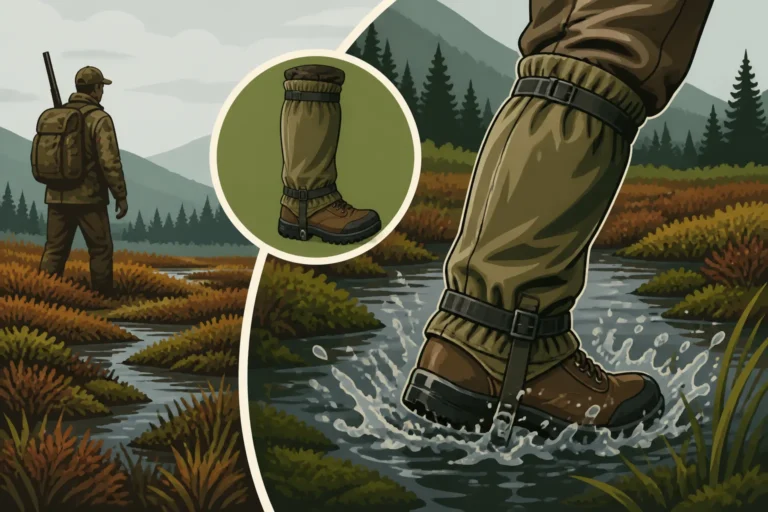
- Fabric/Cordura Boots: These are often the lightest and most breathable options. They’re usually made from durable synthetic fabrics, sometimes with a reinforced sole. They offer good protection against mild abrasions, burrs, and general trail debris. If you're covering vast distances in search of Grouse Hunting Allegheny Highlands Cover or Woodcock Hunting West Virginia Alder Runs where flexibility and minimal weight are crucial, these can be a great choice. However, they're generally not waterproof and can wear through relatively quickly if subjected to sharp rocks or very rough terrain. Think of them as light-duty hikers.
- Neoprene Boots: Neoprene offers a bit more flexibility and often some water resistance, making them a good choice for wet or cold conditions. They provide insulation, which is a big plus during chilly late-season hunts. The material conforms well to the paw, which can make them more comfortable for some dogs. The downside is that they can be less breathable, potentially leading to overheating in warmer weather, and their puncture resistance might not be as high as dedicated rubber-soled options.
- Rubber-Soled Boots: These are the heavy-duty option, designed for maximum grip, puncture resistance, and waterproofing. Many feature tough rubber soles similar to hiking boots. They are excellent for truly rocky terrain, icy conditions, and prolonged wet weather. The trade-off is often weight and flexibility; some dogs find them clunkier and less comfortable, and it can take more effort to acclimate them. Brands known for their ruggedness often use these designs. When researching durable options, many hunters consult online resources like GoHunt for reviews on the latest durable dog boots, often highlighting those with robust rubber soles.
- Disposable Rubber Boots: Think of these like balloons for paws. Brands like Pawz offer a completely waterproof, lightweight, and inexpensive option. They're great for short-term protection, like treating a wound, keeping mud out, or dealing with extremely wet conditions. They offer minimal padding or abrasion resistance, though, and they tend to wear through or tear quickly in rough terrain. They're definitely not a long-term solution for a full day of upland hunting.
Choosing the right type often involves balancing protection with your dog's comfort and range of motion. A good fit, regardless of material, is paramount.
Adhesive Pads and Liquid Protectants
Sometimes, full boots aren't the answer, or you need a supplementary layer of protection. That's where adhesive pads and liquid protectants come in.
- Adhesive Pads: These are essentially heavy-duty stickers that adhere directly to your dog's paw pads. They're designed to offer temporary, targeted protection against mild abrasions or to cover a healing wound. They're less bulky than boots and can be a good option for dogs who absolutely refuse to wear boots, or for shorter, less demanding hunts. The challenge is getting them to stay on, especially in muddy or very wet conditions, and they don't offer the same level of all-around protection or durability as a well-made boot. They can also peel off at inconvenient times, leaving your dog exposed.
- Liquid Protectants and Waxes: Products like Musher's Secret or paw balms fall into this category. These are not meant to protect against punctures or severe abrasions in the same way boots do. Instead, they form a breathable, conditioning barrier. They're excellent for preventing cracking in cold, dry weather, offering a minor shield against hot pavement, and helping to prevent snow from clumping between toes. They also moisturize and toughen up the pads over time. I consider them an essential part of general paw care, regardless of whether my dog wears boots. They require regular reapplication, however, and won't stand up to sharp rocks or thorns.
Considerations for Different Hunting Styles
The type of hunting you do in West Virginia should heavily influence your choice of paw protection.
- Upland Birds (Grouse, Woodcock, Pheasant): Dogs hunting grouse or woodcock in our mountains, or pheasants in the more open areas of the Eastern Panhandle, cover miles upon miles. For these fast-moving dogs, lightweight, flexible boots that don't impede natural movement are often preferred. Look for good traction to handle slippery leaves and mossy rocks. Durability against thorns and general abrasion is key, but you don't want something so heavy it tires them out. A quick search on GoHunt might reveal comparison charts or user experiences with different closure systems for these specific hunting styles.
- Deer Trailing/Bear Hounding: If your dog is primarily used for trailing deer, perhaps after a shot during West Virginia's Buck Gun Season, or working with hounds for bears, their pace might be slower, but the terrain can be just as, if not more, rugged. Here, maximum durability and puncture resistance, especially against sharp rocks and thick underbrush, become paramount. Warmth might also be a higher priority if working in deep snow or extreme cold.
- Rabbit and Small Game: When Rabbit Hunting West Virginia Fencerows or working thick brush for other small game, dogs can encounter heavy thorns and briars. Protection against punctures and tears from dense cover is critical. Boots that stay on well and resist snagging are a good choice.
| Protection Type | Pros | Cons | Best Use Case |
|---|---|---|---|
| Fabric Boots | Lightweight, breathable, flexible | Less durable, not waterproof | Mild terrain, long walks, warm weather, upland birds |
| Rubber-Soled Boots | Durable, waterproof, excellent grip | Heavier, less breathable, can be bulky | Rocky terrain, wet/cold conditions, deer trailing |
| Adhesive Pads | Targeted protection, less bulky | Can fall off, less durable, temporary | Minor injuries, short hunts, injured paws |
| Paw Waxes | Conditions pads, minor barrier | Not for cuts/punctures, requires reapplication | Hot pavement, ice prevention, pad conditioning |
Fitting, Acclimation, and Maintenance
Having the right boots is only half the battle. If they don't fit correctly or your dog isn't used to wearing them, they can cause more problems than they solve. Just like a new pair of hiking boots for us, canine paw protection requires careful fitting, a period of adjustment, and consistent care to ensure they're effective and long-lasting.
Getting the Perfect Fit
This cannot be stressed enough: fit is absolutely critical. A boot that's too loose will spin, fall off, and collect debris, chafing your dog's paw. One that's too tight will pinch, restrict blood flow, and cause painful rubs and blisters. It defeats the entire purpose of protection.
To measure your dog's paw, have them stand with weight on the paw you're measuring. Measure the widest part of the paw, and then from the back of the large pad to the tip of the longest claw. Compare these measurements to the manufacturer's sizing chart. Always go by measurements, not just by breed, as paw sizes vary wildly even within the same breed. It's often best to measure all four paws, as they can differ slightly.
When you receive the boots, try them on before any serious activity. They should fit snugly around the paw and ankle, but not so tight that they impede circulation (you should be able to slide a finger under the strap). Watch for any gaping or twisting. The boot should cover the entire paw pad and come up just above the dewclaw, if your dog has one. Many hunters find it useful to check reviews on how specific brands fit different paw shapes, which can be found on community sites or gear review platforms like GoHunt. A poorly fitting boot is a recipe for disaster in the field.
Training Your Dog to Wear Them
Most dogs, even the most seasoned hunters, will react to boots with confusion, disdain, or outright hilarity the first time you put them on. They might do a high-stepping dance, freeze up, or try to chew them off. This is normal! You wouldn't run a marathon in brand new shoes, and your dog shouldn't hunt in un-acclimated boots.
The key is gradual introduction and positive reinforcement:
- Start indoors, short sessions: Put one boot on, offer a treat, praise. Take it off after a minute. Repeat with all four.
- Increase time: Once they tolerate one boot, put all four on for five minutes, then ten. Distract them with toys, play, or feeding time. The more they associate boots with positive experiences, the better.
- Move outdoors, short walks: Once they're comfortable indoors, take them for short walks in the yard or around the block. Let them get used to the feel on different surfaces. This is also a good way to check the fit and identify any rubbing spots.
- Practice on familiar terrain: Before a big hunt, take them on a familiar trail or field near home, gradually increasing the duration. Make sure they are moving naturally and comfortably.
Patience is a virtue here. If you rush it and simply throw boots on your dog for the first time on opening morning, you're setting both of you up for frustration and a potentially ruined hunt. Take your time, make it fun, and build that positive association. You can often find great community advice on platforms like GoHunt about how to introduce new gear to your canine companion. For more general advice on preparing your dog for the season, check out Bird Dog Gear for West Virginia Cover.
Cleaning and Care for Longevity
Hunting in West Virginia is inherently dirty business, and your dog's boots will bear the brunt of it. Mud, burrs, sweat, and debris will accumulate, and proper cleaning is essential for extending their lifespan and maintaining their effectiveness.
After every hunt, or at least every few hunts, take the time to inspect and clean the boots:
- Remove Debris: Shake out any dirt, leaves, burrs, or small rocks. Pay attention to the inside of the boots and the closure straps.
- Wash: Most fabric and neoprene boots can be rinsed with water. For stubborn mud, a mild soap and a brush might be needed. Avoid harsh detergents that could irritate your dog's skin or damage materials. Rubber-soled boots can usually be hosed off.
- Dry Thoroughly: This is crucial. Wet boots left in your truck or gear bag will get moldy, smelly, and deteriorate quickly. Air dry them completely, preferably turned inside out if possible, before storing. Avoid direct heat sources, which can warp materials.
- Inspect for Wear: Regularly check for tears, loose stitching, worn-down soles, or stretched-out straps. Minor damage can often be repaired with a needle and thread or a strong adhesive, preventing a small issue from becoming a boot-destroying problem.
Just like you maintain your rifle or shotgun, taking care of your dog's paw protection ensures it's ready when you need it and lasts for more than a single season.
Beyond Boots: Comprehensive Paw Care
While boots and pads are excellent tools for protecting your dog's paws in the field, they are just one part of a holistic approach to paw health. A well-cared-for paw is a resilient paw, and paying attention to general maintenance and knowing how to handle emergencies will keep your hunting partner in top condition.
Post-Hunt Inspection and First Aid
Every single time your dog comes in from a hunt, especially a strenuous one in West Virginia's rugged terrain, a thorough paw inspection is non-negotiable. It only takes a few minutes and can prevent a minor issue from becoming a major problem.
- Visual Check: Lift each paw and carefully examine all the pads. Look for cuts, scrapes, punctures, redness, swelling, or any foreign objects.
- Between the Toes: Spread the toes apart and check the webbing. This is a common place for burrs, foxtails, thorns, and small rocks to embed themselves. Feel for any lumps or tenderness.
- Nails: Ensure no nails are broken, torn, or severely worn down.
- Limping or Favoring: If your dog is limping or favoring a paw, spend extra time on that particular foot. Pain in one paw can sometimes manifest as compensatory lameness in another leg, so check everything.
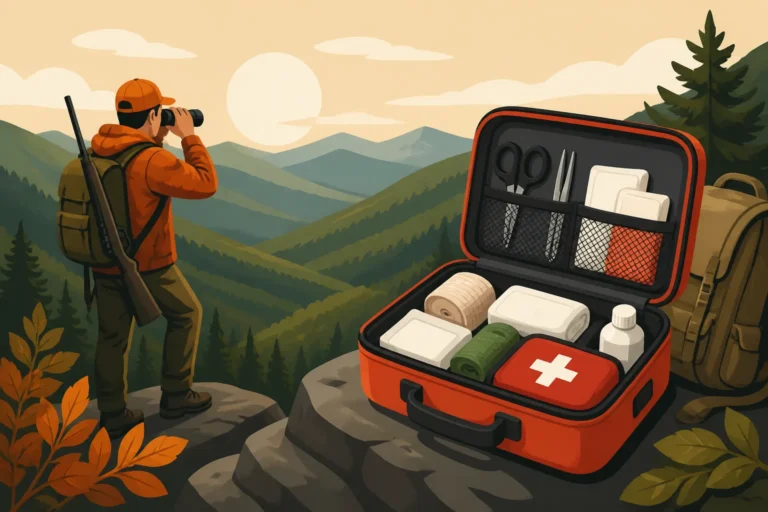
It's also essential to carry a basic canine first-aid kit in your pack or truck. This should include:
- Antiseptic wipes or spray (e.g., chlorhexidine or iodine solution)
- Sterile gauze pads
- Vet wrap or self-adhesive bandages
- Tweezers for removing splinters or burrs
- A small pair of scissors for cutting tape or hair
- Paw balm or wax for conditioning
For minor cuts, clean the wound thoroughly, apply antiseptic, and bandage if needed to keep it clean. For embedded burrs or thorns, use tweezers to carefully remove them. Know when a wound is too deep or severe for field treatment and requires immediate veterinary attention. Don't hesitate if you're unsure.
Nail Trimming and General Paw Health
Beyond immediate post-hunt care, regular maintenance is crucial for long-term paw health. Overgrown nails are a common issue that can lead to a host of problems. Long nails can splay a dog's toes, making walking painful and reducing traction, especially on uneven terrain. They can also get snagged and torn, which is incredibly painful and often requires a vet visit. Aim for nails that don't touch the ground when your dog is standing. If you're unsure how to trim them safely, ask your vet or a professional groomer for a demonstration.
Healthy pads are resilient pads. Just like our skin, paw pads can benefit from conditioning. Regular application of a paw balm or wax, even in the off-season, helps keep pads supple, prevents cracking, and can toughen them up slightly. Proper nutrition also plays a vital role; a diet rich in essential fatty acids can contribute to healthy skin and paw tissue. Think of it as year-round conditioning for your athlete.
When to Consult a Vet
While we can handle many minor issues in the field, knowing when to call in the professionals is paramount. Your dog's well-being always comes first. Don't try to be a hero or save a few bucks if a situation warrants expert care.
You should consult a veterinarian if you observe any of the following:
- Deep Punctures or Lacerations: Any wound that is deep, wide, or bleeding profusely likely needs stitches or professional cleaning to prevent infection.
- Persistent Limping: If your dog is still limping after a day or two, or if the lameness worsens, there might be an underlying issue like a sprain, fracture, or deep bruise that requires imaging or specific treatment.
- Signs of Infection: Redness, swelling, warmth, pus, or a foul odor coming from a wound are all red flags. Infections can spread rapidly and become serious.
- Foreign Objects You Can't Remove: If a thorn or piece of glass is deeply embedded and you can't remove it safely, or if you suspect something has migrated under the skin, a vet can safely extract it.
- Severe Swelling or Pain: Any unusual swelling, especially accompanied by intense pain, needs to be evaluated.
- Reactions to Chemicals: If your dog has walked through road salt or other irritants and their paws are severely red, blistered, or painful, a vet can provide soothing treatments and advice.
It’s always better to be safe than sorry. A quick vet visit for a seemingly minor issue can prevent a much more serious problem down the road, ensuring your hunting companion is back in action as quickly and safely as possible. While forums on sites like GoHunt can offer peer advice, always prioritize a vet's diagnosis for serious injuries. Remember, a healthy dog is a happy hunter, and their paws are their livelihood in the field.
Disclaimer
This article is for general informational purposes only and does not constitute professional advice. Laws, prices and regulations vary by location and change over time. Consult a qualified professional for guidance on your specific situation.