Treestands and Saddles on Public Land
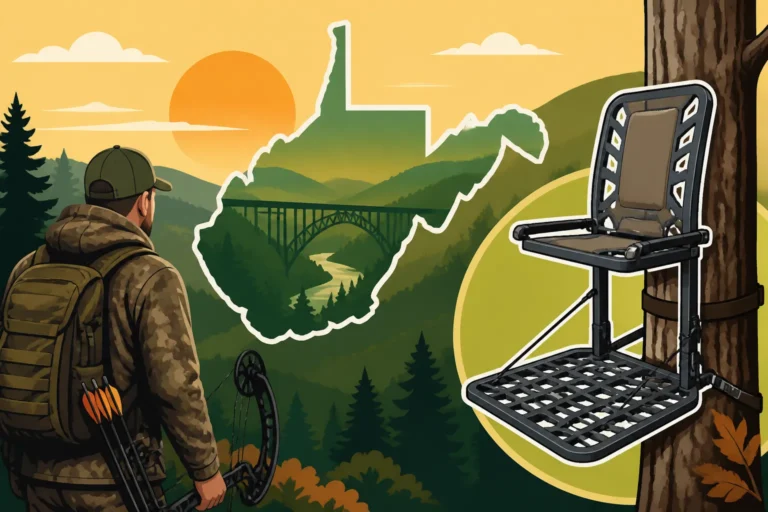
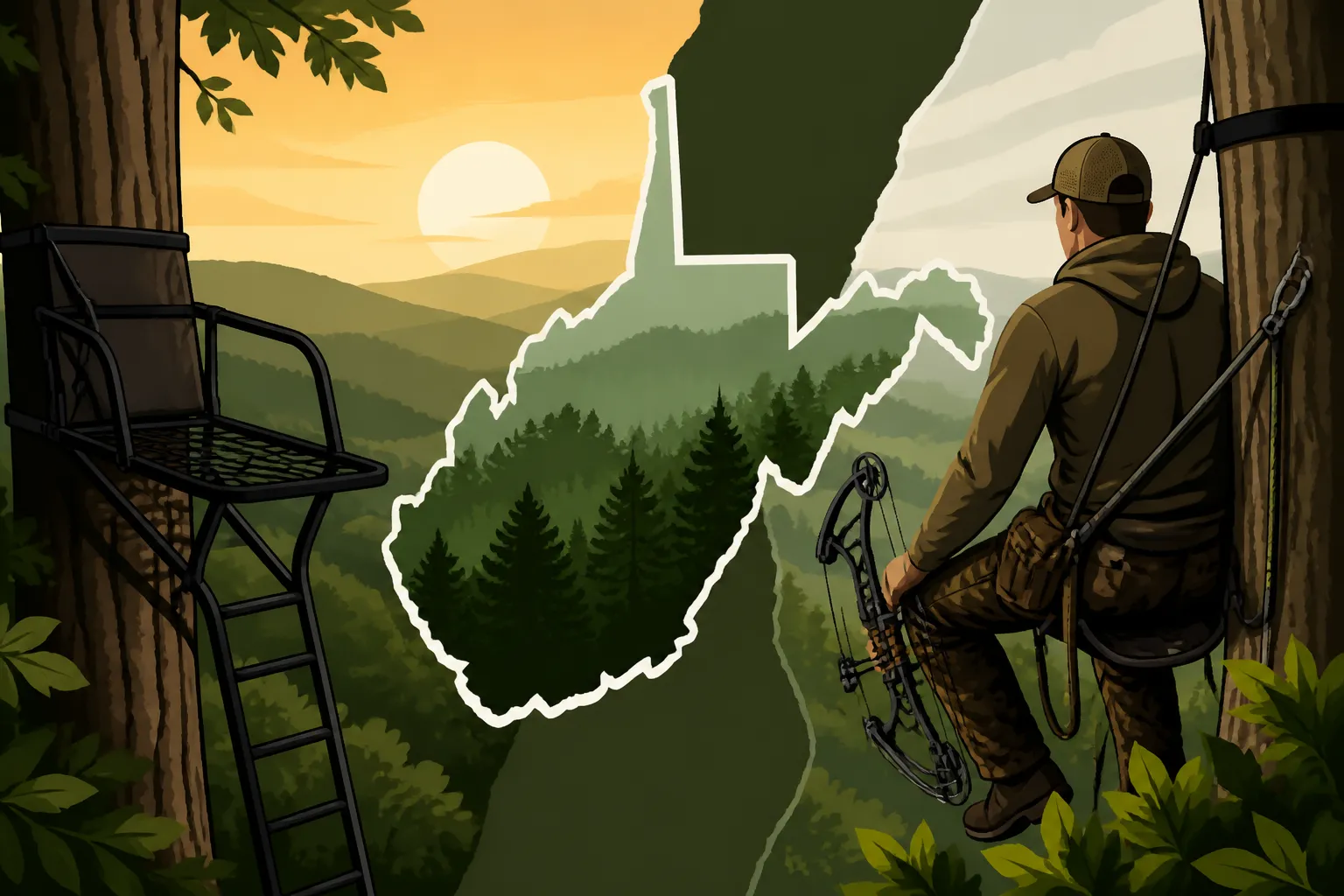
Hunting public land in West Virginia presents a unique set of challenges, from navigating dense woods and steep terrain to dealing with hunting pressure from other outdoors enthusiasts. One of the biggest hurdles can be finding the right way to gain an elevated advantage for deer and turkey without leaving a permanent mark or broadcasting your presence. This guide will dive deep into the world of treestands and saddle hunting, offering practical advice and considerations for those looking to stay mobile, stealthy, and safe on West Virginia's vast public lands.
The Public Land Challenge: Mobility and Stealth
West Virginia's public hunting lands, from the sprawling Monongahela National Forest Hunting to numerous Wildlife Management Areas (WMAs), offer incredible opportunities. However, these vast tracts also come with their own set of difficulties. You're often dealing with terrain that's far from flat, thick laurel thickets, and a constantly changing environment. Moreover, unlike private land where you might have established, permanent stands, public land demands a different approach focused on minimal impact and maximum adaptability.
Dealing with Pressure
It’s no secret that public land can see significant hunting pressure, especially during peak seasons like the buck gun season or the opening days of archery. You're not just hunting deer; you're also often hunting where others have been, or will be. This means deer are more educated, more wary, and often push deeper into less accessible areas. Relying on a fixed, easily identifiable stand location might work for a day or two, but over time, deer will learn to avoid it. Your ability to move quickly, set up silently, and vanish without a trace becomes a huge asset in these situations. It’s about being where the deer are on any given day, not just where you hope they’ll be. Hunting Pressure on West Virginia Public Land is a real factor, and mobility is often the best counter-tactic.
The Need for Adaptability
The weather in West Virginia can turn on a dime, from warm, sunny fall days to biting cold and snow within hours. Food sources shift throughout the season, and deer patterns follow suit. One week they might be hitting acorns hard on a ridge top, the next they could be down in a creek bottom browsing on honeysuckle. Your hunting setup needs to be as flexible as these conditions. Carrying a bulky, heavy stand deep into the backcountry only to realize the deer have moved is a frustrating and common public land scenario. This is where lightweight, portable options truly shine, allowing you to react to fresh sign, changing winds, or new food sources without committing to a single spot for too long.
Treestands: The Classic Choice for Elevated Hunting
Treestands have been a staple for elevated hunting for generations, and for good reason. They provide a comfortable, stable platform that gets you above a deer's primary line of sight and often helps with scent dispersion. On West Virginia public land, the key is choosing the right type of stand for your hunting style and the specific area you're targeting.
Climbing Stands for the Active Hunter
Climbing stands are fantastic for hunters who want to be able to pick a tree and go, without needing to carry separate climbing sticks or steps. They are essentially two pieces that work together – one for your feet and one for your seat – that you "walk" up the tree. The beauty of a climber is its self-contained nature; everything you need to get into the tree is right there. This makes them ideal for reaching those harder-to-get-to spots deep in the Monongahela National Forest Hunting or other public areas where lugging multiple pieces of equipment is simply not practical.
However, climbers do have their limitations on West Virginia public land. They require a relatively straight tree with no lower limbs, which can be surprisingly difficult to find in many of our dense, mixed hardwood forests. Moreover, the process of climbing can be noisy if you're not practiced, potentially alerting game. They can also be heavier than some hang-on setups. Still, for a quick, mobile setup on a suitable tree, a good climbing stand is a public land hunter's friend.
Hang-On Stands and Sticks: Versatility vs. Effort
Hang-on stands, also known as fixed-position stands, offer unparalleled versatility when it comes to tree selection. Since they are separate from your climbing method, you can put a hang-on stand in virtually any tree that can support your weight and offers a safe attachment point, even those with crooked trunks or low branches. This flexibility is a huge advantage on public land, where prime straight trees might be scarce or already taken. You combine a hang-on stand with climbing sticks, sections of ladders, or screw-in steps to get up to your desired height.
The downside? It's typically more gear to carry. You're packing the stand itself, plus at least three or four climbing stick sections, which adds weight and bulk. Each piece must be set individually, which can take more time and create more noise than a skilled climber operator. However, the ability to put a stand exactly where you need it, often on a less-than-perfect tree that other hunters pass by, can be a game-changer. Many public land aficionados swear by lightweight hang-on stands paired with ultralight climbing sticks for maximum adaptability. Remember to check local regulations concerning Treestand Rules on West Virginia Public Land as some WMAs have restrictions on screw-in steps or leaving stands overnight.
Ladder Stands and Tripods
While less common for truly mobile public land hunting, it's worth a brief mention of ladder stands and tripod stands. Ladder stands, as the name suggests, come with their own integrated ladder sections that you lean against a tree. They are often very comfortable and stable, but their size and weight make them impractical for carrying deep into public land. You might see them on private land, or perhaps very close to a public access road, but they don't fit the mobile, low-impact public land hunting ethos.
Tripod stands are freestanding units that don't require a tree at all. These can be useful in very specific scenarios, like open field edges or clear-cuts where mature trees are absent. However, they are bulky, heavy, and very conspicuous, making them a poor choice for most West Virginia public land, especially in steep, timbered country. Using a Ground Blind on West Virginia Public Land is usually a more stealthy and portable option if you need to be at ground level or in open areas.
Saddle Hunting: The Mobile Revolution
Saddle hunting has exploded in popularity in recent years, particularly among public land hunters. It represents a paradigm shift from traditional treestands, offering a unique blend of mobility, stealth, and comfort that can be incredibly effective in West Virginia's challenging terrain.
Understanding the Saddle System
At its core, a saddle hunting system consists of a climbing method (often lightweight climbing sticks or a single-stick method like an aider), a "saddle" worn around your waist and legs, and a platform or ring that you stand on once at hunting height. Instead of sitting in a stand, you are essentially tethered to the tree, leaning into your saddle, which distributes your weight comfortably. This allows you to hunt around the tree, rotating 360 degrees to get a shot, or shifting your position slightly to hide from an approaching deer.
The beauty of the saddle is its minimalist approach. There are no bulky frames or platforms to wrestle with. Everything packs down incredibly small and light, often fitting into a modest daypack. Brands like Tethrd, Treehopper, and Cruzr are popular in the saddle hunting community, offering various innovative components to optimize the setup. This system prioritizes low-profile movement and adaptability, allowing hunters to access areas previously deemed too difficult for traditional stands.
Advantages of Saddle Hunting on Public Land
The benefits of saddle hunting for West Virginia public land are numerous. First and foremost is portability. A complete saddle setup, including climbing sticks, often weighs significantly less than even the lightest climbing treestand. This means you can hike further and faster into remote areas, leaving other hunters behind. When you’re miles back in, chasing a buck along a secluded ridge top or checking out a promising saddle you saw on Reading Aerial Photos for Eastern Panhandle Deer, every pound matters.
Secondly, stealth. The gear is quieter to carry and often quieter to set up than many traditional stands. Once in the tree, your body is much more concealed against the trunk, breaking up your outline effectively. This natural camouflage can be a huge advantage when wary public land deer are constantly looking up for predators. Finally, the 360-degree shooting capability means fewer missed shot opportunities due to a deer circling your stand or approaching from an unexpected angle. You can literally shoot all the way around the tree, pivoting with the animal's movement.
The Learning Curve and Safety
While saddle hunting offers incredible advantages, it does come with a learning curve. It's not quite like sitting in a traditional treestand. The posture is different, and it takes practice to get comfortable and efficient with climbing and setting up your platform. Many hunters find it less fatiguing than standing all day, but it's a different kind of comfort. You'll want to practice in your backyard or a safe, low-risk environment before taking it into the woods for a real hunt. There are many online resources and communities dedicated to saddle hunting that can help new users.
Safety is paramount, just like with any elevated hunting. You are always tethered to the tree, which is a key safety feature. However, ensure all your gear is in good working order, inspect ropes and straps regularly, and always use a lineman's belt during ascent and descent. Just like with treestands, practice makes perfect when it comes to setting up safely and efficiently. Saddle Hunting in West Virginia Hardwoods is becoming increasingly popular, and with proper education, it's a very safe method.
Choosing Your Perch: Factors to Consider
Deciding between a treestand and a saddle, or even which type of treestand, boils down to several critical factors unique to hunting West Virginia public land.
Weight and Portability
This is arguably the most crucial factor for public land hunters. Every ounce you carry adds up, especially when you're traversing steep hillsides, crossing creek bottoms, or pushing deep into remote areas to find ground others walk past. A lighter setup means less fatigue, allowing you to hike further and stay on stand longer.
- Saddle Systems: Often the lightest option, with total system weights (saddle, sticks, platform) ranging from 8-15 pounds. This is ideal for true run-and-gun tactics or hunting extremely remote spots.
- Hang-On Stands + Sticks: Can range from 15-25 pounds depending on the stand and stick combo. There are ultralight options available, but you're still carrying multiple pieces. This offers a good balance of versatility and mobility.
- Climbing Stands: Typically heavier, ranging from 18-30+ pounds. While self-contained, the weight can be a deterrent for long hikes in rugged terrain.
Consider how far you realistically plan to walk and what kind of physical shape you're in. If you're tackling big, remote chunks of the Monongahela, shedding weight is paramount. For shorter, less strenuous walks to hunt a field edge on a WMA, a slightly heavier but more comfortable stand might be acceptable. How Far to Walk From a Forest Road often dictates how light you need your gear to be.
Safety First: Harnesses and Lines
No matter what elevated hunting method you choose, safety must be your top priority. Accidents happen, and falls from treestands are a leading cause of hunting injuries. Always, without exception, use a full-body harness that fits properly.
- Treestands: When using a treestand, you should be connected to the tree from the moment your feet leave the ground until they touch back down. This is typically done with a safety line that attaches to your harness and wraps around the tree, allowing you to slide it up and down as you ascend and descend. Ensure your tether is short enough to prevent you from hitting the ground if you fall.
- Saddle Hunting: Saddle hunting inherently keeps you connected to the tree via your lineman's belt during the climb and your main tether once at hunting height. This constant connection is one of its strongest safety features. Always double-check your knots and connections before you put your weight on the system.
Regularly inspect all your straps, ropes, and hardware for wear and tear, UV damage, or animal chewing. Replace anything that shows signs of degradation. Many public land hunters use their gear hard, so consistent maintenance is critical.
Tree Selection: Knowing Your Terrain
The type of trees available on your chosen public land will heavily influence which elevated system makes the most sense. West Virginia's forests are diverse, from dense stands of straight hardwoods to gnarled oaks, maples, and thick rhododendron undergrowth.
- Climbing Stands: Excel in areas with mature, straight, limb-free hardwoods like oaks, poplars, or maples. If your hunting spot is dominated by such trees, a climber can be very efficient.
- Hang-On Stands: Offer the most flexibility. You can hang them in crooked trees, trees with low branches (trimming where legal and appropriate), or even smaller diameter trees (within safe limits). This versatility is key in areas with less-than-perfect timber.
- Saddle Systems: Similar to hang-on stands, saddles are highly adaptable to various tree types and diameters. The ability to climb around branches to find your sweet spot is a significant advantage. However, because you're leaning into the tree, thicker, sturdier trees that offer good cover are often preferred.
Spend time scouting your area before the season. Look not just for deer sign, but also for suitable trees. Are there good trees along key travel corridors, near bedding areas, or overlooking food sources? Using mapping tools, like the ones you might find on GoHunt, can help you identify potential tree lines or breaks in cover from home, but nothing beats boots on the ground to confirm.
Setup and Execution: Getting It Right
Having the right gear is only half the battle. Knowing how to effectively deploy and use your treestand or saddle on public land is what truly leads to success.
Scouting and Stand Placement
Effective stand placement starts long before opening day. Thorough scouting, both through aerial maps and on the ground, is vital. Look for pinch points, saddles, funnels between hollows, and fresh sign like scrapes and rubs. In West Virginia, understanding Wind and Thermals on a Steep Ridge is absolutely critical, as they can dictate deer movement and your scent dispersion.
When you find a promising spot, don't just pick the first available tree. Look for a tree that offers natural cover, allows for a clear shooting lane, and perhaps most importantly, provides a clean entry and exit route that won't spook deer. Consider the sun's position – you don't want to be silhouetted against the rising or setting sun. Using tools from GoHunt to overlay property lines, topo maps, and even historical weather data can give you an edge in finding these perfect locations. Think about what kind of shot you'll have, and if you can move around the tree to adjust your angle without being detected.
Entry, Exit, and Wind Direction
Your approach and departure from your stand are just as important as the stand location itself. A noisy entry or exit can negate all your careful planning. Always plan a route that minimizes disturbance, avoids bedding areas, and uses natural cover to conceal your movement. Walk slowly, quietly, and use a headlamp on its lowest setting if moving in the dark.
Wind direction is paramount. Deer rely heavily on their sense of smell, and hunting with a variable or unfavorable wind is almost a guaranteed bust. Always try to set up downwind of where you expect deer to approach. This is where mobility shines; if the wind shifts unexpectedly, being able to quickly pack up and move to an alternative setup a few hundred yards away can save your hunt. On steep West Virginia ridges, thermals play a significant role, often rising in the morning and falling in the evening. Factor these into your entry, exit, and hunt times. Hunting Steep Allegheny Ridges demands a thorough understanding of these air currents.
Stealth and Noise Discipline
From the moment you leave your vehicle to the moment you return, you need to be a ninja. Everything you carry should be silent. Wrap climbing sticks with silencing tape, ensure your stand doesn't creak, and avoid any loose items that can clank or rattle. When ascending or descending, move slowly and deliberately.
Once in your stand or saddle, minimize movement. Even small motions can be picked up by a deer's keen eyesight. If you need to turn, do so slowly and smoothly. Have your gear organized so you can reach your bow, calls, or binoculars without excessive fuss. Practice these movements at home so they become second nature. The less you move, the quieter you are, and the less likely you are to be spotted by those ever-vigilant West Virginia whitetails. Rattling Volume in Thick Laurel Cover might need to be adjusted based on how well you can move in your stand without making noise.
Regulations and Respect: Hunting Responsibly
Public land is a shared resource, and it's our responsibility as hunters to treat it with respect, both for the land itself and for our fellow outdoors enthusiasts. Understanding and adhering to regulations is non-negotiable.
WMA and National Forest Rules
West Virginia's Wildlife Management Areas (WMAs) and the Monongahela National Forest often have specific regulations regarding treestands and other hunting equipment. These can include rules about when stands can be put up and taken down, whether screw-in steps are allowed, and if stands can be left overnight or unattended. Some WMAs might require specific permits or have limited access during certain times of the year.
Always check the current West Virginia hunting regulations manual and any specific WMA or National Forest brochures before you head out. These details can change year to year, so don't rely on old information. Ignorance of the rules is never an excuse. A quick check of the WVDNR website or a call to a local office can save you a headache, and potentially a citation. For detailed information, you can also look into resources like West Virginia WMA Access Sign-In Process or Trail Camera Rules on West Virginia Public Land if you plan to use those too.
Leave No Trace Principles
The Leave No Trace (LNT) philosophy is especially pertinent for public land hunters using treestands and saddles. It means minimizing your impact on the environment and leaving the area as you found it, or even better.
- Pack It In, Pack It Out: This is the golden rule. Everything you bring onto public land, you must take out. This includes trash, food wrappers, empty water bottles, and any spent cartridge casings or broadheads.
- Minimize Tree Damage: When setting up your stand or sticks, try to avoid unnecessary damage to trees. Don't hack away at limbs excessively. If you do trim branches for shooting lanes, do it judiciously and with a hand saw, not a machete.
- Remove Your Gear: Unless regulations explicitly allow it for specific periods, remove your stand and climbing equipment after each hunt. If rules permit leaving a stand for a period, ensure it's clearly marked with your WVDNR ID number. However, for maximum LNT adherence and to prevent theft or damage, packing it out after each hunt is always best. This also helps with mobility and adapting to new sign.
By practicing LNT, we ensure that West Virginia's public lands remain pristine and accessible for future generations of hunters and outdoor enthusiasts.
Avoiding Conflict with Other Hunters
Public land is for everyone, and occasionally, you'll encounter other hunters. While it can be frustrating to find someone in "your" spot, it's crucial to handle these situations with respect and courtesy.
- Communicate: If you encounter another hunter, a friendly wave or quiet conversation can go a long way. Share information if appropriate, but respect their space.
- Be Flexible: If someone is already in a spot you planned to hunt, simply move on. Public land is vast, and there's always another ridge or hollow to explore. The mobility offered by treestands and saddles is your greatest asset in these situations.
- Know Your Boundaries: Use a reliable mapping app, like one that might be integrated with GoHunt, to verify property lines and avoid accidental trespassing on private land adjacent to public areas. Being aware of where you are and where others might be helps prevent misunderstandings.
- Safety First: Always identify your target and what is beyond it. Be extra vigilant in areas where other hunters might be present. Wearing adequate West Virginia Blaze Orange Requirements is not just a legal mandate but a critical safety measure, even during archery seasons when many hunters choose not to wear it.
By being prepared, respectful, and flexible, you can enjoy successful and stress-free hunts on West Virginia's public lands, even when sharing the woods with others.
| Feature | Traditional Treestand (Climber/Hang-On) | Saddle Hunting System |
|---|---|---|
| Portability | Moderate to Heavy (15-30+ lbs) | Excellent (8-15 lbs, very compact) |
| Tree Selection | Climbers: Straight, limb-free. Hang-ons: Versatile | Extremely Versatile (most tree types/sizes) |
| Comfort | Varies greatly by model, can stand or sit | Lean/stand, takes practice, high comfort for many |
| Stealth (Setup) | Can be noisy if not practiced | Generally quieter, less hardware |
| Stealth (Hunting) | Fixed position, can be silhouetted | Breaks outline against tree, 360-degree movement |
| Safety | Harness always, ascending/descending line | Always tethered, lineman's belt for climb |
| Learning Curve | Moderate | Higher initially, but rewarding |
| Ideal Use | Moderate hikes, specific tree types, established spots | Deep penetration, varied terrain, highly adaptable |
Disclaimer
This article is for general informational purposes only and does not constitute professional advice. Laws, prices and regulations vary by location and change over time. Consult a qualified professional for guidance on your specific situation.