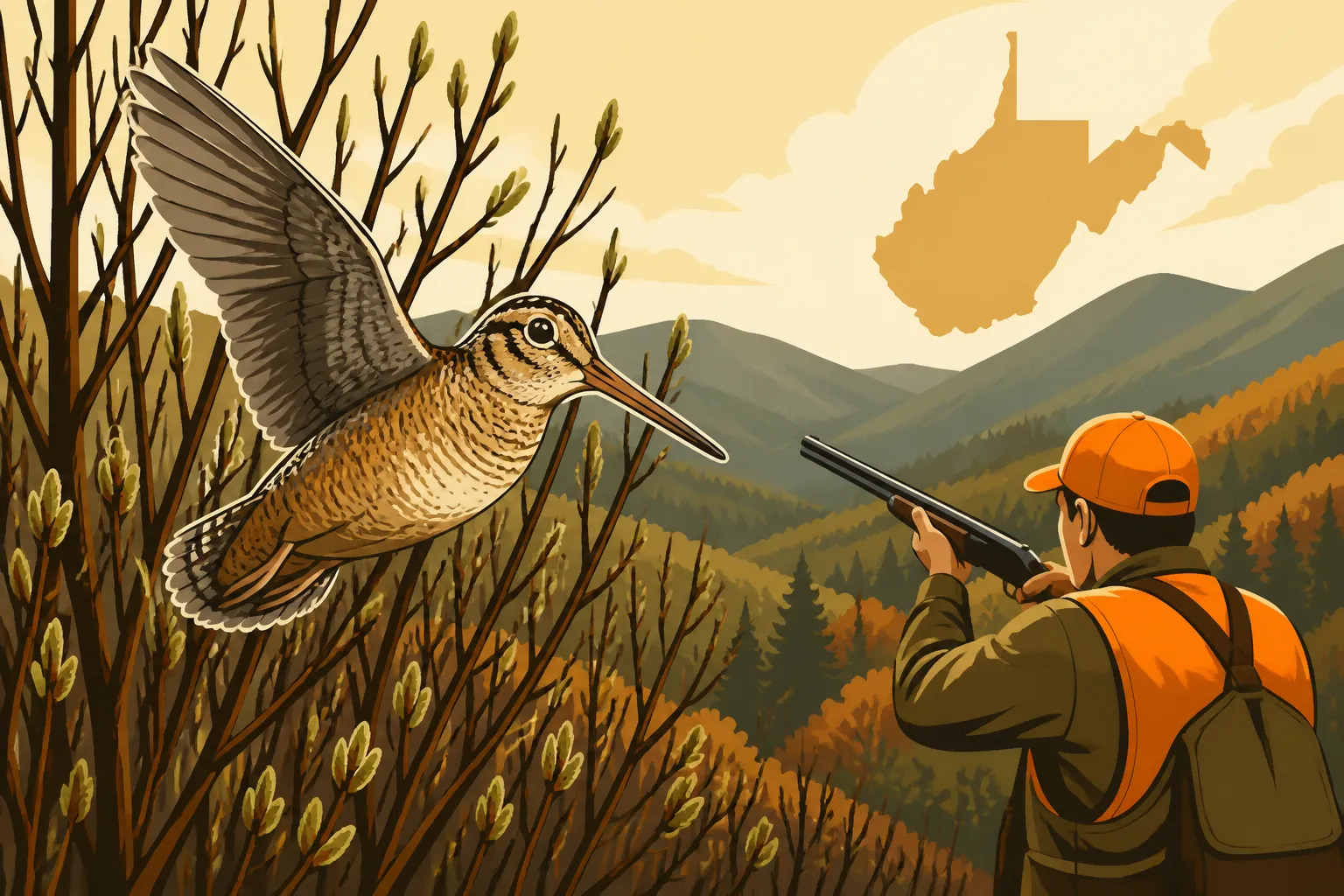
Woodcock Hunting West Virginia Alder Runs
There’s a certain frustration that comes with hunting woodcock in West Virginia, isn't there? You hear whispers of "timberdoodles" and "bog snipe," but actually finding these elusive, tiny game birds can feel like searching for a needle in a swampy haystack. They aren't like deer, leaving obvious tracks, or turkeys, gobbling from a ridge. Woodcock are subtle, often hiding in plain sight in the densest, wettest cover you can imagine. This guide is here to unravel the mystery, helping you understand where to look, when to go, and how to effectively hunt these unique migratory birds in West Virginia's prime alder runs.
Understanding the Elusive Timberdoodle: Woodcock Biology and Behavior
The American Woodcock, affectionately known as the timberdoodle or bog snipe, is truly one of a kind. These birds are fascinating, perfectly adapted to their niche, and understanding their basic biology is the first step toward finding them in the thickets of West Virginia.
The Woodcock's Unique Life Cycle and Foraging
Woodcock are primarily insectivores, with their long, sensitive bills perfectly designed for probing soft, moist soil for earthworms, their main food source. This dietary preference dictates much of their habitat choice. You won't find them on dry, rocky ridge tops. Instead, think rich, loamy soils that stay consistently damp, often found near springs, creeks, and, of course, those dense alder thickets. Their large eyes are set high on their heads, giving them almost 360-degree vision, a crucial adaptation for avoiding predators while their bills are buried in the mud. They’re largely crepuscular, meaning they're most active at dawn and dusk, although you'll flush them throughout the day when hunting their daytime roosting cover.
Their breeding season begins early, often in late winter or early spring, with males performing elaborate sky dances at dawn and dusk to attract mates. These displays are truly a marvel to witness, especially if you’re out scouting early. They nest on the ground, usually in sparse cover near their feeding areas. Come fall, young woodcock are quick to mature, and by the time hunting season rolls around, they're typically strong fliers, ready for their southern migration. Their life cycle is relatively short, making them highly dependent on suitable habitat and successful nesting seasons.
Migration Patterns Through the Mountain State
West Virginia sits squarely in the middle of a major migratory flyway for woodcock. Our state acts as both a breeding ground for some populations and a critical stopover point for others traveling further south. Understanding their migratory tendencies is key to timing your hunts. As the days shorten and temperatures drop further north, woodcock begin their journey, following weather fronts and seeking out those reliable soft soils. This means we often see waves of birds moving through, sometimes staying for a few days, sometimes a few weeks, before continuing their journey.
The timing of these migrations can vary year to year, influenced heavily by weather patterns, particularly cold snaps and heavy rains. A hard frost up north will often push birds quickly into our state, and a sustained cold front in West Virginia can push them right through to states further south. This migratory behavior is why scouting specific areas just before and during the season is so vital. You might find a covert empty one week and absolutely loaded with birds the next. The dynamic nature of their migration means you can't just hunt the same spot on the same day every year and expect consistent results; adaptability is a woodcock hunter's best friend.
Why They're So Hard to Pin Down
Let's be honest, woodcock aren't exactly known for their gregarious nature. They are masters of camouflage, their mottled brown plumage blending perfectly with fallen leaves and undergrowth. When flushed, their flight is erratic and often short, ducking and weaving through dense cover, only to drop back down into the thick stuff a short distance away. This "tree-hugging" flight style makes them a challenging target, even for experienced wing shooters.
Furthermore, their preferred habitat — those dense, wet alder runs, brushy creek bottoms, and young regenerating timber — isn't always the easiest or most pleasant place to walk. Factor in the thick foliage, uneven ground, and often muddy conditions, and you've got a recipe for physically demanding hunting. Add to this the fact that they don't vocalize much outside of the breeding season, and you can understand why many hunters consider finding woodcock akin to uncovering a secret treasure. But when you do find them, and that little brown bird rockets up through the branches, it's an exhilarating experience that keeps you coming back for more.
Identifying Prime Woodcock Habitat in West Virginia
Knowing what woodcock need is paramount to finding them. While they are often associated with alder runs, their habitat preferences are a bit more nuanced, and recognizing these subtleties will significantly increase your success rate.
What Makes an Alder Run Ideal
Alder runs are the quintessential woodcock habitat in West Virginia, and for good reason. These dense thickets, typically found along stream banks, in wet depressions, or in damp old field edges, provide everything a woodcock needs. First and foremost, the soil beneath the alders is usually rich, soft, and consistently moist, creating the perfect environment for earthworms. The dense canopy and undergrowth offer excellent overhead cover from avian predators like hawks and owls, while the tight vertical structure of the young alder stems provides horizontal cover from ground predators.
The moist soil also supports a rich invertebrate community beyond just earthworms, offering a buffet for woodcock. These areas tend to retain moisture even during drier periods, acting as magnets for birds moving through. Walking through a prime alder run, you’ll often find tell-tale probing holes in the mud, sometimes even small, white "splashes" of woodcock droppings on leaves. These signs are like gold to a timberdoodle hunter, indicating active feeding. The challenge, of course, is that these areas can be incredibly dense, making shooting difficult and requiring a good dog or very deliberate, slow hunting.
Beyond Alders: Other Key Habitat Features
While alder runs are top-tier, woodcock aren't exclusive to them. They also frequent other types of regenerating timber and brushy areas, especially those with moist, loamy soil. Look for young aspen stands, which are less common in West Virginia but can be excellent when found. Early successional growth – areas that have been clear-cut or burned a few years prior and are now growing up in a mix of young hardwoods, briars, and saplings – can be fantastic. These areas often have an open canopy that allows sunlight to reach the forest floor, promoting invertebrate activity, but still offer dense cover.
Furthermore, don't overlook old farm fields that are reverting to forest, especially if they have some low-lying wet spots or small seep springs. The edges of conifer plantations, particularly where they meet deciduous woods and a water source, can also hold birds. Essentially, any place with soft, damp soil, dense young cover, and some form of overhead protection could potentially harbor woodcock. The key is finding areas where these conditions consistently meet, as woodcock can be incredibly concentrated in suitable pockets, while surrounding similar-looking habitat can be completely devoid of birds. This is where scouting, and a good understanding of topography and hydrology, really pays off.
Using Maps and Scouting for Coverts
In today's age, technology is your friend when it comes to locating potential woodcock coverts. Aerial maps, readily available through apps like GoHunt, are invaluable. Look for areas with dense, low-lying vegetation adjacent to water sources like creeks, small rivers, or seeps. Swamps, marshy areas, and even the wet bottoms of hollows should pique your interest. Pay attention to changes in forest type – that transition from mature timber to a thick, young stand along a stream could be a honey hole.
Once you've identified potential spots on the map, it's time for boots on the ground. This usually means pre-season scouting, but even during the season, a quick walk through a new area can reveal fresh woodcock sign. Look for those probing holes and droppings. Notice the soil type – does it feel soft and damp underfoot, even if the surface leaves are dry? Is the cover thick enough to provide security but open enough on the ground for them to move? Don't be afraid to get into the thickest stuff; that’s where the timberdoodles want to be. Remember, the goal isn't just to find "woods," but to find woodcock woods – that very specific, often overlooked, habitat that few other game birds prefer. Utilizing tools like GoHunt can help you quickly filter out less promising terrain and focus your efforts on areas with the right characteristics.
Timing Your West Virginia Woodcock Hunt: Migration and Seasons
Woodcock hunting in West Virginia is inherently linked to migration. Unlike resident game birds, timberdoodles are constantly on the move, making timing absolutely crucial for a successful hunt.
Understanding West Virginia's Woodcock Season Dates
The West Virginia Department of Natural Resources (WVDNR) sets specific seasons for migratory game birds, and woodcock are included in this. Generally, the season typically opens in October and runs for a period, often with a split season that reopens later in the fall. It's absolutely critical to consult the current year's West Virginia Grouse and Woodcock Season Rules, as these dates can shift slightly. You can find precise opening and closing dates for the West Virginia Woodcock Season Dates on the WVDNR website or in their annual hunting regulations summary.
The bag limit for woodcock is usually quite generous, often three birds per day. This allows for ample opportunity once you've located a productive covert. Make sure to double-check possession limits as well, which refer to the total number of birds you can have in your possession at any given time, including those taken on previous hunts. Always remember, migratory bird hunting also requires a Harvest Information Program (HIP) certification, in addition to your regular hunting license and stamps. Don't let a technicality ruin your hunt!
Peak Migration Windows in the Allegheny Highlands
While the season might open in October, the best hunting often occurs during the peak of the southward migration. For West Virginia, this typically means mid-to-late October through mid-November. This is when the largest numbers of birds are moving through our state, replenishing coverts that might have been thinned out by early season hunting or pushed out by localized cold. Hunters often report seeing the "flight birds" – those transient migrants – arriving in waves, especially after a strong cold front pushes down from Canada and the northern states.
Identifying these peak windows is often a matter of paying attention to regional weather patterns and reports from other hunters. Keep an eye on forecasts for states to our north; when they get their first hard freezes, especially those that seal the ground with ice, it’s a strong indicator that woodcock will soon be arriving in West Virginia. The When Woodcock Migrate Through West Virginia article offers further insights into these migratory timings. It's a dynamic period, and being flexible with your hunting days can make a huge difference in encountering good numbers of birds versus just a handful.
Weather's Impact on Woodcock Movement
Weather isn't just a factor; it's the factor for woodcock migration and behavior. As mentioned, cold fronts are primary drivers, pushing birds south. A sharp drop in temperature that freezes the ground surface is bad news for woodcock because it cuts off their food supply. They'll either move on quickly or concentrate in areas with protected, unfrozen soil, such as spring seeps or thick cover that insulates the ground. Heavy, soaking rains, on the other hand, can temporarily improve foraging conditions, making the ground even softer for probing.
Wind also plays a role. Woodcock generally prefer calm days. On very windy days, they tend to hunker down even tighter in the densest cover, making them harder to flush. Strong winds can also disrupt their flight path, potentially pushing them off course or making them even more erratic in the air. So, when planning a hunt, look for days with moderate temperatures, recent moisture, and light winds. These conditions not only make for a more pleasant hunt but also increase your chances of finding active, willing-to-fly birds. A keen understanding of the forecast, especially temperature trends and ground conditions, is often as important as knowing your hunting spots.
Effective Tactics for Hunting Alder Runs
Hunting woodcock in alder runs is a unique challenge that demands patience, keen observation, and often quick reflexes. It's not a run-and-gun deer hunt; it's a slow, deliberate chess match against a master of camouflage.
Working Coverts with and Without a Dog
Whether you hunt with a dog or go solo, the core strategy in alder runs revolves around thorough coverage and slow movement. If you have a well-trained bird dog, they are an undeniable asset. A good pointing dog will cover ground efficiently, pinpointing birds you would undoubtedly walk past, and holding them tight for a flush. When your dog goes on point in that dense cover, approach cautiously, ready for the flush. The woodcock's small size and camouflaged plumage make them incredibly hard to spot on the ground, so trust your dog. The thrill of watching a dog work a covert, nose to the ground, is a huge part of the experience.
Without a dog, you need to become the dog. Move incredibly slowly, pausing frequently, scanning the ground ahead, and listening for the faint whistle of a flushing timberdoodle. It's often helpful to walk in a zigzag pattern, or parallel to a feature like a stream, thoroughly dissecting the covert. Work with a partner if possible, spreading out to cover more ground. One hunter can push, while the other walks slightly ahead or to the side, ready for birds flushed by the partner. You'll flush more birds by simply putting in the time and covering the ground meticulously. Remember, woodcock often sit incredibly tight, sometimes only flushing a few feet from your boots, so stay alert.
Flanking and Pushing Strategies
In larger or denser alder runs, employing flanking and pushing strategies can be highly effective, especially with a group. If you have three or more hunters, consider a "line" approach. Have one or two hunters walk through the thickest part of the covert (the "pushers"), while one or two others walk the flanks, slightly ahead and to the sides. Birds often try to escape by running or flushing out the edges of the thick cover, and the flankers are perfectly positioned to intercept them. This is especially useful in long, narrow strips of alder along a creek.
Another strategy is to identify the "exit routes" from a covert. Woodcock, when flushed, might fly up and over the canopy, but often they’ll try to sneak out along the least dense edges or down a less obstructed flight path. Positioning a shooter at these natural escape avenues can be deadly effective. Think about how the topography and cover density would influence a bird’s flight. If there’s a slightly more open area just beyond the alder run, birds might head there. This requires some pre-hunt scouting and understanding of bird behavior, but it can turn a difficult flush into a clean shot.
Shot Placement and Quick Reflexes
Hunting woodcock is often a game of quick, close-range shots through dense cover. The small size of the bird, coupled with its erratic, twisting flight, means you rarely have a lot of time or a wide-open window. Many shots will be "wing shooting" in the truest sense – snapping a shot the instant the bird clears the immediate canopy. For this reason, open chokes are preferred, and faster-handling shotguns are a huge advantage. The Choke Choice for Fast Flushes guide provides more details on this.
When a bird flushes, focus intently on its flight path. Don't try to track it for too long, as it will likely disappear into the next clump of alders. Instead, swing through the bird, lead it slightly, and pull the trigger when you have an opening. Your natural reflexes will be key. Since shots are often close, usually within 20-30 yards, a wide pattern is forgiving. The aim isn't to blast the bird into oblivion, but to put enough pellets on target for a clean kill. And always, always be mindful of your hunting partners and any dogs in the field. Safety is paramount when shooting in thick cover.
Essential Gear for West Virginia Woodcock Hunters
Success in the alder runs isn't just about knowing where the birds are; it's also about being properly equipped for the challenging environment. The right gear can make your hunt safer, more comfortable, and ultimately, more productive.
Shotguns and Ammunition for Fast Shots
For woodcock, speed and open patterns are the name of the game. A lightweight, quick-swinging shotgun is ideal, often a 20-gauge or even a 28-gauge, though a 12-gauge with light loads works just fine too. The key is balance and maneuverability in tight quarters. As for chokes, open options like Cylinder, Skeet, or Improved Cylinder are almost always preferred. You'll be taking close-range shots, often within 20-30 yards, so a wide, forgiving pattern is essential.
Ammunition-wise, smaller shot sizes are perfect. Think 7 1/2 or 8 shot. These loads put a dense pattern of small pellets on target, which is exactly what you need for a small bird like a woodcock. You don't need heavy loads or magnum shells; standard field loads are more than sufficient and will be much easier on your shoulder over a long day of shooting. Consult a resource like Shot Size for Grouse and Woodcock for more detailed recommendations. When heading into those West Virginia alder runs, make sure your shotgun is sighted in and you've patterned your chosen load.
Upland Apparel for Wet and Thick Cover
The habitat woodcock prefer is often wet, brushy, and prone to thorns. Your clothing needs to withstand this abuse and keep you comfortable. Brush pants or chaps are practically a necessity to protect your legs from briars, thorns, and wet foliage. Look for durable, water-resistant materials. A good upland vest, like those discussed in Upland Vests With Water Capacity, is invaluable. It provides pockets for shells, a game bag for birds, and often a water bottle holder for you or your dog.
Layering is also crucial. West Virginia fall weather can be unpredictable, swinging from cool mornings to warm afternoons, or delivering sudden rain showers. Start with moisture-wicking base layers, add a fleece or wool mid-layer for warmth, and top it off with a durable, water-resistant outer shell. Don't forget a good hat for sun protection and to keep twigs out of your hair. Proper footwear is equally important. Waterproof boots with good ankle support are a must for navigating uneven, often muddy terrain. A specific guide on Boots for Walking West Virginia Ridges can offer insights, but for alder runs, ensure they are fully waterproof.
Navigation and Safety in Dense Cover
Losing your bearings in thick alder runs is surprisingly easy, even in familiar territory. The dense cover and often monotonous landscape can quickly disorient you. A reliable GPS unit or a mapping app on your phone (like GoHunt, which lets you download maps for offline use where cell service is spotty) is absolutely essential. Mark your vehicle, important landmarks, and any productive coverts you find. Don't rely solely on your phone, though; a portable charger is a wise investment, and a traditional compass and map can be a lifesaver if electronics fail.
Safety extends beyond navigation. Blaze orange is critical, even if not legally required for woodcock hunting in all circumstances (though it is for most other West Virginia hunting seasons). Wearing a blaze orange hat and vest ensures you are visible to hunting partners. A small first-aid kit is also a good idea, especially for treating minor cuts and scrapes from briars. If you're hunting with a dog, consider a protective vest for them, and remember to carry a dog first-aid kit, as well as a lead and water. Even minor incidents in remote, thick cover can become serious quickly, so being prepared is key.
Dog Work and Handling for Woodcock Success
For many, woodcock hunting is inseparable from the joy of watching a well-trained bird dog work. Dogs can transform a frustrating search into a productive and incredibly rewarding experience, but training and handling for timberdoodles have their own nuances.
Training Your Dog for Timberdoodles
Training a dog specifically for woodcock builds on general bird dog principles but emphasizes certain aspects. Woodcock have a light scent, much fainter than pheasants or even grouse, and they often hold very tight. This means your dog needs an excellent nose and an intense desire to find and hold birds. Steadiness to wing and shot is paramount, as you'll often be shooting in tight quarters, and a dog breaking point could lead to a lost bird or a dangerous situation. It's often helpful to introduce your dog to woodcock scent early, even if it's just with planted birds or wings, so they learn what to look for.
Moreover, woodcock habitat is challenging. Your dog needs to be comfortable working through thick briars, navigating muddy ground, and pushing through dense alder thickets. This requires physical conditioning and a tough hide, literally and figuratively. Start training in similar cover, gradually increasing the density. Emphasize recall and handling commands in these environments, as you'll often need to direct your dog when they're out of sight. Remember that a dog working woodcock will get exhausted quickly in this cover, so monitor them closely for signs of fatigue and provide plenty of water.
Reading Your Dog's Point in Thick Alders
One of the most satisfying parts of woodcock hunting is seeing your dog lock up on point, their body language communicating the presence of a bird. In dense alder runs, this can be even more challenging for both you and the dog. Your dog might be completely out of sight when they go on point, or you might only see a flicker of their tail. This is where trust and communication are vital. Listen for the absence of sound from their bell or GPS collar, or watch for subtle changes in their movement.
When you do locate your dog on point in thick cover, approach from a direction that allows you the best possible shooting lane, while still respecting the dog's point. Sometimes this means taking a wide loop to get around to the front. Be ready for a flush that might happen literally at your feet. Don't rush your shot; wait for the bird to clear the immediate tangle of branches. After the shot, command your dog to retrieve. Woodcock are small and can be hard to find in the leaves, so a good retrieve is essential. Patience and a calm demeanor from the handler help keep the dog focused and confident in these trying conditions.
Managing Your Dog in Challenging Terrain
The steep hollows, muddy bottoms, and dense vegetation of West Virginia's woodcock coverts are tough on dogs. Proper dog management is crucial for their safety and effectiveness. Firstly, consider protective gear. A good protective vest can prevent cuts and scrapes from briars and sharp sticks. Boots for dogs, like those mentioned in Bird Dog Boots and Cut Pads, can protect paws, especially when hunting multiple days or in exceptionally harsh conditions. Always carry a supply of water and offer it frequently; dogs working hard in thick cover can dehydrate quickly.
GPS collars are also highly recommended, not just for finding a dog on point, but for simply keeping track of them in cover where they can quickly disappear from sight. Features like the ability to check their exact location, speed, and even make them "come" with an audible tone can be invaluable. Remember the rules for E-Collar Use on Public Ground in West Virginia. Lastly, know your dog's limits. Some dogs might be able to hunt all day, others might tire after a few hours in the heavy cover. Overworking a dog can lead to injuries or a loss of enthusiasm. Rotate dogs if you have them, or take frequent breaks to allow them to rest and rehydrate. A healthy, happy dog is a productive hunting partner.
Disclaimer
Hunting is an inherently risky activity. Always prioritize safety, follow all local and state regulations, and ensure you have the necessary licenses and permits. The information provided in this guide is for informational purposes only and should not replace professional guidance or personal judgment. Be aware of your surroundings, properly identify your target, and know your firearm's capabilities and limitations. Conditions in the field can change rapidly, so always be prepared and exercise caution.