Best Shotgun Gauge for West Virginia Grouse
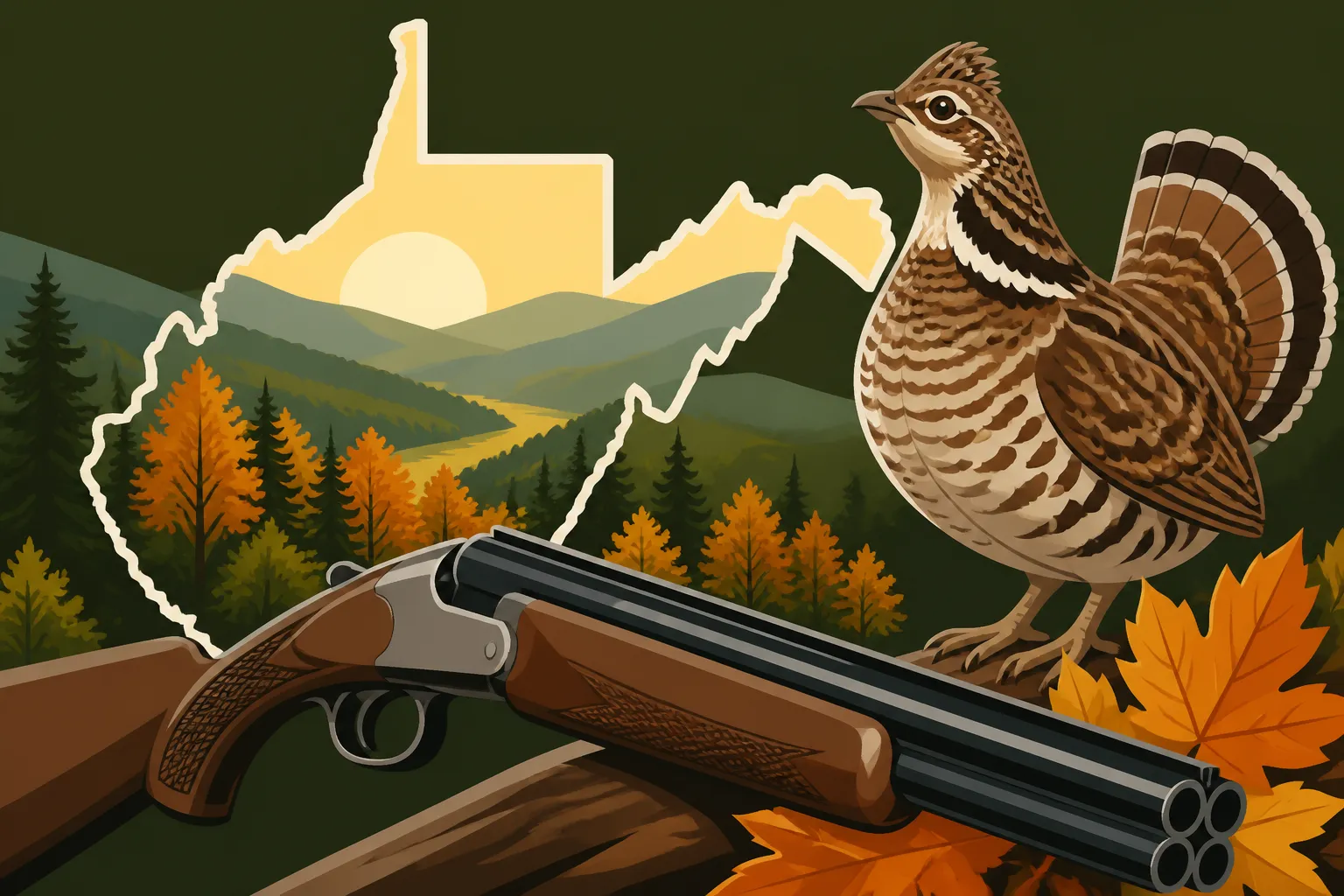
Hunting ruffed grouse in West Virginia isn't like walking a manicured pheasant field in the Midwest. Our grouse are notoriously cagey, living in some of the thickest, most unforgiving cover the Allegheny Mountains can dish out. If you've ever spent a crisp fall morning busting through rhododendron hell or aspen thickets only to have a thunderous flush give you mere milliseconds for a shot, you know the frustration. The right shotgun can make all the difference between a clean miss and a plump bird for the table. This guide will dive deep into the best shotgun gauges for tackling West Virginia's challenging grouse.
Understanding West Virginia Grouse Hunting Challenges
Before we even talk about specific gauges, let's set the scene. West Virginia's ruffed grouse are truly wild birds, and hunting them is a demanding endeavor. It's a sport that tests your stamina, your patience, and your gear in equal measure. Forget long-range shots over open fields; this is up-close, snap-shooting territory.
The Nature of Grouse Habitat in West Virginia
Our grouse thrive in specific types of dense, brushy cover, particularly in the Grouse Hunting Allegheny Highlands Cover. You'll find them in young, regenerating timber stands, old clear-cuts with abundant saplings, and most famously, in thick laurel and rhododendron thickets that seem impenetrable. They love areas where aspen, birch, and mountain ash grow, providing both food and shelter. These areas are not easy to walk through, let alone swing a shotgun in. You're constantly pushing through tangled branches, stepping over downed logs, and navigating steep, rocky terrain.
The challenge here isn't range; it's reaction time. A grouse bursting from cover sounds like a grenade going off. Often, you'll hear the bird before you see it, and when you do, it's typically a blur of brown and grey streaking through a tiny window in the foliage. You might get one, maybe two, quick shots before the bird vanishes behind a screen of leaves or dips into a hollow. This demands a gun that you can bring to bear quickly, point instinctively, and fire effectively without getting tangled in the brush.
The Importance of Quick Handling and Swing
Given the close-quarters nature of West Virginia grouse hunting, a shotgun's handling characteristics are paramount. We're not talking about a gun you can carefully shoulder and aim. We're talking about a gun that becomes an extension of your body, one that you can instinctively swing onto a fast-moving target in a fraction of a second. This is where weight, balance, and barrel length really come into play.
A heavy, long-barreled shotgun, while perhaps excellent for waterfowl or longer-range pheasant hunting, is a distinct disadvantage in our dense grouse coverts. Imagine trying to pivot quickly in a thicket of blackberry bushes with a cumbersome firearm – you'll get snagged, you'll lose your balance, and most importantly, you'll miss your shot. A lighter, shorter-barreled gun allows for quicker starts and stops, faster target acquisition, and easier navigation through the unforgiving terrain. Every ounce and every inch matters when you're hiking miles through the mountains and need to react instantly to an explosive flush.
Evaluating Popular Shotgun Gauges for Grouse
When it comes to choosing the right gauge for West Virginia grouse, hunters have a few strong contenders. Each has its devotees and its drawbacks, but some are undoubtedly better suited to the specific demands of our Appalachian birds.
The Classic 12 Gauge Debate
The 12 gauge is, without a doubt, the most popular shotgun gauge in America, and for good reason. It’s incredibly versatile, ammunition is abundant and relatively inexpensive, and it offers significant stopping power for a wide range of game. Many hunters already own a 12 gauge, making it a convenient choice. For grouse, a 12 gauge loaded with lighter loads (like 7.5 or 8 shot) can certainly be effective. The larger bore means a wider shot string, which some argue can compensate for quick, imperfect aiming.
However, the 12 gauge also comes with some notable downsides for grouse hunting. Many 12 gauge shotguns are heavier and bulkier than their smaller-gauge counterparts. That extra weight really adds up when you're climbing steep Hunting Steep Allegheny Ridges or busting brush for hours. The recoil, even with lighter loads, can be more substantial, potentially leading to flinching or slower follow-up shots, especially if you're not used to it. While you can certainly kill grouse with a 12 gauge, many experienced upland hunters feel it's often "too much gun" for the delicate, fast-flying birds at such close ranges. It can also lead to more meat damage if you hit a bird at very close quarters.
The Nimble 20 Gauge Advantage
If there's a consensus among dedicated West Virginia grouse hunters, it's that the 20 gauge is arguably the ideal choice. It offers a fantastic balance of light weight, manageable recoil, and sufficient killing power for ruffed grouse. A typical 20 gauge shotgun is noticeably lighter than a 12 gauge, making it a joy to carry all day over challenging terrain. This reduced weight directly translates to less fatigue and quicker handling when a bird flushes.
The lighter recoil of a 20 gauge also means you can often get back on target faster for a second shot if needed, and it's generally more comfortable to shoot, which can improve your confidence and accuracy over a long day. With modern ammunition, a 20 gauge loaded with 7.5 or 8 shot has more than enough energy to cleanly harvest grouse. The pattern density is excellent, and at the typical 15-30 yard ranges you'll encounter in thick cover, it’s exceptionally lethal. Many hunters even opt for 20 Gauge Doubles for Aspen Cover for their balance and quick target acquisition in the thick stuff. If you're serious about chasing grouse in West Virginia, a 20 gauge should be at the very top of your list.
Considering Smaller Gauges: 28 Gauge and .410
For the experienced upland hunter looking for a greater challenge, or simply preferring the lightest possible setup, the 28 gauge and the .410 bore can be intriguing options. These gauges are incredibly light and quick-handling, often feeling like a toy in your hands compared to a 12 gauge. The recoil is minimal, making them very pleasant to shoot. Navigating dense laurel thickets or pushing through brush with a feather-light 28 gauge or .410 is certainly easier on the arms and shoulders.
However, these smaller gauges come with significant trade-offs. The 28 gauge, while effective, carries a lighter shot charge than a 20 gauge, meaning a smaller, denser pattern. The .410, even smaller, is truly an expert's gun for grouse. Its tiny shot charge results in a very narrow, dense pattern that demands exceptional accuracy and precise shot placement. Missing by even a small margin can result in a clean miss or, worse, a wounded bird. Ammunition for both the 28 gauge and especially the .410 can also be harder to find and more expensive than 12 or 20 gauge shells. Unless you're a seasoned upland shooter confident in your snap-shooting abilities, it's generally recommended to stick with a 20 gauge for grouse in West Virginia.
| Gauge | Pros for WV Grouse | Cons for WV Grouse | Typical Weight | Recoil (Relative) |
|---|---|---|---|---|
| 12 Gauge | Versatile, abundant ammo, wide pattern | Heavy, more recoil, can be "too much gun" | Moderate to Heavy | Moderate to High |
| 20 Gauge | Light, quick handling, sufficient power, balanced | Ammo less common than 12ga | Light to Moderate | Low to Moderate |
| 28 Gauge | Very light, minimal recoil, very quick | Smaller pattern, less shot, ammo can be scarce | Very Light | Very Low |
| .410 Bore | Extremely light, negligible recoil, fastest handling | Very small, dense pattern, requires expert precision | Extremely Light | Negligible |
Beyond Gauge: Other Factors for West Virginia Grouse Guns
While gauge is a crucial starting point, it's far from the only consideration when choosing a shotgun for West Virginia grouse. Several other factors play a significant role in how effective and enjoyable your upland hunting experience will be.
Choke, Barrel Length, and Shot Size Considerations
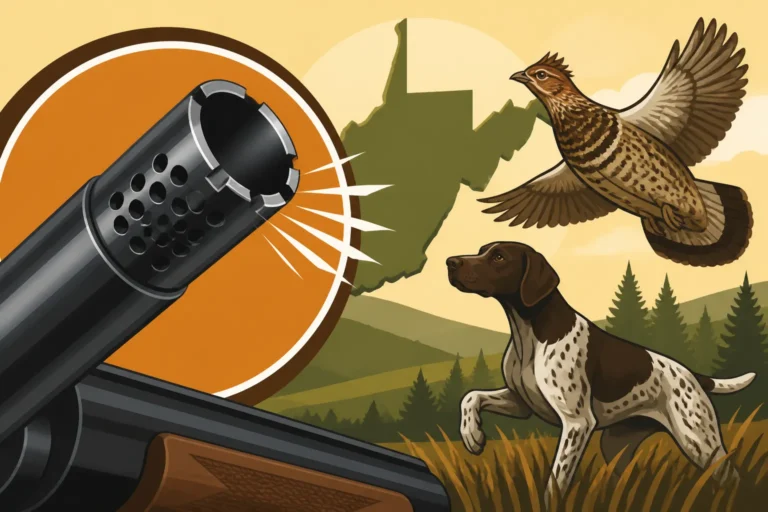
For grouse, your choke selection is paramount. Unlike deer or turkey hunting where tight patterns are desired, grouse hunting almost always calls for open chokes. Full or Modified chokes create a tight shot pattern that will often "ball up" on a close-flushing bird, blowing a hole in it or missing entirely. Instead, opt for Skeet, Improved Cylinder (IC), or even Cylinder chokes. These allow the shot pattern to open up quickly, giving you a wider margin for error on those split-second shots in thick cover. You want to throw a broad, forgiving pattern that can connect with a fast-moving target at short range. For more detailed information, check out Choke Choice for Fast Flushes.
Barrel length is another critical factor. While longer barrels can help with a smooth swing on distant targets, they are a liability in dense grouse cover. Shorter barrels, typically 24-26 inches, are much easier to maneuver through tangled branches and allow for quicker target acquisition. A compact shotgun is a true asset when you're busting through thickets where every inch counts. Consider options described in Barrel Length for Walking Thick Cover.
Finally, let's talk about shot size. For grouse, lighter loads are generally preferred. 7.5 or 8 shot are excellent choices. These smaller pellets create a dense pattern that is lethal on grouse without excessive penetration or meat damage. Larger shot, like 6s or 5s, can be too powerful and sparse for a bird the size of a grouse, especially at close range, leading to fewer pellets on target. You can learn more about this in Shot Size for Grouse and Woodcock.
Shotgun Action and Fit
The type of shotgun action you choose is largely a matter of personal preference, but some actions lend themselves better to grouse hunting than others. Over/under (O/U) and side-by-side (SxS) shotguns are incredibly popular among upland hunters. Their classic lines, fast handling, and the ability to have two different chokes (e.g., IC and Modified) for varying flush distances are significant advantages. Many hunters swear by the balance and pointability of a good double gun for grouse.
Semi-automatic shotguns can also be effective, offering less recoil and often a third shot, which can be tempting. However, they can sometimes be heavier and longer than double guns, potentially hindering quick swings. Pump-action shotguns are durable and reliable but generally slower for follow-up shots compared to doubles or semi-autos.
Beyond the action, gun fit is absolutely critical for instinctive grouse shooting. A shotgun that fits you well will point where you look, almost effortlessly. If the gun doesn't fit, you'll be constantly adjusting, slowing you down and leading to misses. It's worth investing time at a gun club or with an experienced shooter to ensure your shotgun truly "fits" you.
Ammunition Type and Availability
While West Virginia doesn't typically have extensive non-toxic shot requirements for upland birds like grouse (unlike waterfowl), it's always wise to be aware of any specific regulations in certain areas or WMAs. For the most part, standard lead loads with 7.5 or 8 shot will be your go-to.
However, consider the availability of your chosen ammunition. 12 gauge and 20 gauge shells are generally easy to find at almost any sporting goods store in West Virginia. 28 gauge and .410 bore ammunition can be more specialized and harder to track down, especially certain loads. It's always a good idea to stock up before the season, particularly if you're heading into a remote area for a Grouse Hunting Allegheny Highlands Cover adventure. The GoHunt app can sometimes show you local retailers, but it's best to call ahead or buy online in advance.
Making Your Final Decision for West Virginia Grouse
Ultimately, the best shotgun gauge for West Virginia grouse is the one you shoot most effectively, comfortably, and confidently. There's no single "right" answer for everyone, but by considering your personal style, skill, and the demands of the hunt, you can make an informed choice.
Matching Your Skill Level and Physicality
Be realistic about your shooting ability. If you're relatively new to upland hunting or snap-shooting, a 20 gauge is probably your best bet. Its forgiveness in terms of recoil and pattern size (compared to smaller gauges) will help build your confidence. If you're a seasoned wingshooter who thrives on a challenge, a 28 gauge or even a .410 might appeal to you.
Consider your physical conditioning. West Virginia grouse hunting is a workout. You'll be walking miles, often up and down steep hillsides, and pushing through dense cover. A lighter shotgun will be less fatiguing over a full day of hunting. If you're planning on a multi-day trip or anticipate covering a lot of ground, every ounce saved on your Packs for a Day on Public Land and shotgun will be appreciated.
The All-Around Upland Gun Perspective
Many hunters aren't just grouse hunting. They might also pursue pheasants, rabbits, or even squirrels. If you're looking for an "all-around" upland gun that can handle Squirrel and Small Game Hunting in West Virginia in addition to grouse, the 20 gauge shines here again. It's versatile enough to tackle most small game effectively without being overkill or underpowered.
While a 12 gauge can certainly be an all-arounder, it might be too heavy and powerful for grouse in tight cover. Conversely, a 28 gauge or .410, while excellent for grouse, might feel underpowered for larger upland birds or some small game species like rabbits at longer ranges. The 20 gauge truly hits the sweet spot for many West Virginia upland enthusiasts, offering a capable and enjoyable experience across various pursuits.
Practice Makes Perfect
No matter which gauge you choose, consistent practice is the single most important factor in becoming a successful grouse hunter. Go to a skeet or trap range and work on your instinctive shooting. Practice mounting your gun quickly and swinging smoothly. The more familiar you are with your shotgun, the more natural it will feel when that grouse explodes from cover.
Think about how you move through the woods, too. Practice raising your gun smoothly and quickly as you walk, simulating a flush. The GoHunt app can be a great tool for scouting potential coverts, understanding terrain, and marking areas where you've had flushes. The more prepared you are, both with your gear and your skills, the more rewarding your West Virginia grouse hunting adventures will be.
Disclaimer
This article is for general informational purposes only and does not constitute professional advice. Laws, prices and regulations vary by location and change over time. Consult a qualified professional for guidance on your specific situation.