Low-Light Performance in a Scope
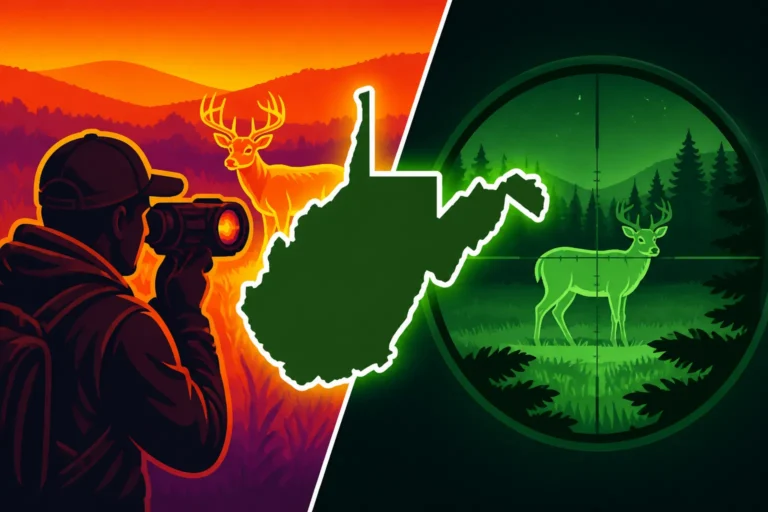
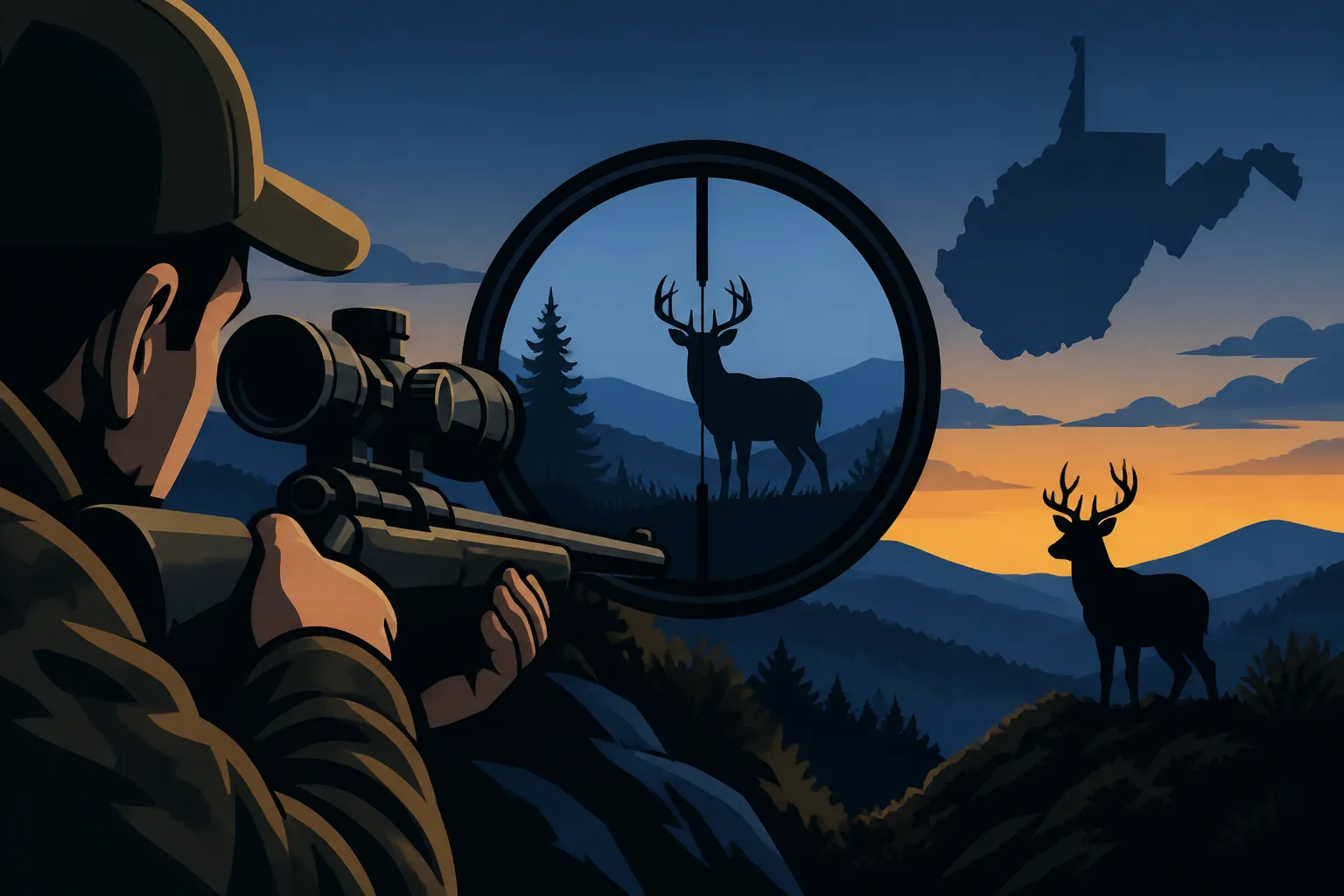
One of the most frustrating things for a West Virginia hunter is watching a magnificent buck or a bruiser bear disappear into the deepening shadows right at legal shooting light, simply because your scope can't gather enough light for a confident, ethical shot. The Mountain State’s rugged terrain, with its steep hollows and dense timber, makes every minute of legal shooting time count, and poor scope performance can cut that precious window short. This guide is all about demystifying low-light performance in hunting scopes, helping you understand what truly makes a difference so you can make informed decisions and extend your effective hunting time safely and ethically.
The Critical Role of Low-Light Performance in West Virginia Hunting
West Virginia offers some truly incredible hunting opportunities, but it's rarely easy. Our mountains, dense forests, and unpredictable weather combine to create challenging conditions, especially at dawn and dusk. That golden hour, when game is most active, is often defined by rapidly changing light. Having a scope that performs well in these low-light conditions isn't just a luxury; it's a necessity for ethical hunting and maximizing your success.
Understanding Legal Shooting Hours and Ethical Considerations
In West Virginia, like many places, legal hunting hours typically begin one-half hour before sunrise and extend to one-half hour after sunset. That might sound like a decent window, but anyone who has hunted our deep valleys and shadowed ridges knows that "one-half hour after sunset" can feel like pitch black ten minutes into it, especially on an overcast day or when you're tucked away in thick cover. The sun dips behind a western ridge, and suddenly, the world goes dim.
The ethical imperative here is paramount. You need to be able to clearly identify your target, ensure a clean background, and place your shot precisely for a quick, humane kill. If your scope is just a blurry, dark tunnel, you can't do that. It’s far better to pass on a shot than to take a risky one that might wound an animal. A scope with superior low-light performance helps you maintain that clarity and confidence through those critical minutes. It’s about pushing the effective shooting light, not the legal shooting light, closer to the actual limits. For specific season dates and rules, it’s always wise to review the West Virginia Deer Season Structure Explained.
The West Virginia Terrain Challenge: Dark Hollows and Dense Cover
Our state's topography isn't just picturesque; it's a significant factor in how much available light reaches your eye. Imagine hunting in the Monongahela National Forest, navigating a steep Allegheny ridge, or tucked into a laurel thicket. The sun might be high in the sky over open country, but in the depths of a narrow hollow, it’s perpetually dim. Even on a clear day, those shadows cling, making it harder for light to penetrate.
Thick canopy, especially old-growth hardwoods and dense rhododendron, further reduces ambient light. Deer, bears, and turkeys often prefer to move through these shadowy areas, offering you only fleeting glimpses as the light fades. Your scope needs to be able to gather and transmit every available photon to give you a fighting chance. This is particularly true when Hunting Steep Allegheny Ridges or trying to discern details in the dark timber. Without adequate low-light optics, even a perfectly positioned animal can appear as little more than a dark blob, making an accurate shot impossible.
What Makes a Scope Shine (or not) in Dim Light?
It's easy to get caught up in marketing jargon when buying optics, but understanding a few key technical aspects can help you separate the wheat from the chaff. Low-light performance isn't just one thing; it's a combination of factors working together.
Objective Lens Size and Exit Pupil
The objective lens is the big lens at the front of your scope, the one facing your target. Its primary job is to gather light. Generally, a larger objective lens can gather more light, which is why you see scopes with 50mm or even 56mm objectives. However, it's not the only factor, and bigger isn't always better if it means a heavier, bulkier scope that's harder to mount or carry through thick cover.
The exit pupil is arguably more important for low-light performance. This is the circle of light that comes out of the eyepiece and enters your eye. You can see it by holding the scope away from your eye and looking at the small bright circle. Its size is calculated by dividing the objective lens diameter by the magnification setting. For example, a 42mm objective at 7x magnification gives you a 6mm exit pupil (42/7=6).
Why does this matter? In dim light, your pupil dilates to let in more light. A young adult's pupil can dilate up to 7mm, while an older hunter's might only reach 4-5mm. To maximize light transmission in low light, you want an exit pupil that is at least as large as your own dilated pupil. If your scope's exit pupil is smaller than your eye's pupil, you're not getting all the light the scope could deliver. So, a 56mm objective at 10x magnification (5.6mm exit pupil) might actually deliver less useful light than a 42mm objective at 6x magnification (7mm exit pupil) to a hunter whose pupils dilate to 7mm. This relationship is crucial for optimal low-light viewing.
Glass Quality and Lens Coatings
This is where the real magic happens and often where the significant price differences come into play. You can have a huge objective lens, but if the glass itself is cheap or the coatings are poor, much of the gathered light will be absorbed or reflected away before it ever reaches your eye.
- Glass Quality: Premium scopes use superior optical glass, often referred to as Extra-low Dispersion (ED) or High-Density (HD) glass. This specialized glass helps reduce chromatic aberration (color fringing) and improves resolution, sharpness, and contrast, especially at the edges of the view. In low light, better contrast means you can distinguish the subtle difference between a deer's shoulder and the shadowy tree trunk behind it – a critical detail for shot placement.
- Lens Coatings: This is perhaps the most overlooked aspect. Every time light passes through a glass surface, some of it is reflected away. A scope has many lens elements, each with two surfaces. Without coatings, you could lose 5% or more of the light at each surface, quickly diminishing the overall light transmission. High-quality scopes employ advanced multi-coatings on all air-to-glass surfaces (fully multi-coated). These anti-reflective coatings maximize light transmission (often to 95% or more) and reduce glare, enhancing brightness and clarity in challenging conditions. Don't settle for "coated" or "multi-coated"—look for "fully multi-coated." This is especially important when you're dealing with the fleeting light of dawn or dusk.
Reticle Types and Illumination
The reticle is your aiming point inside the scope. In bright daylight, almost any reticle works, but in low light, some stand out. A fine, thin reticle can disappear against a dark background, making it useless. Conversely, a thick reticle might obscure too much of your target.
- Traditional Reticles: Duplex or similar designs that are thicker on the outside and taper to a finer crosshair in the center offer a good balance. The thicker outer lines help guide your eye, while the fine center allows for precise aiming.
- Illuminated Reticles: This is a game-changer for true low-light hunting. An illuminated reticle (often red or green) glows, allowing you to clearly see your aiming point against a dark animal or a shadowy background. The key is adjustable brightness settings. You want one that can be dialed down to a very dim setting so it doesn't wash out your vision or create too much glare in truly dark conditions. Too bright, and you lose your night vision; too dim, and it's useless. Many top-tier scopes and even some more budget-friendly options now offer excellent illuminated reticles, proving their worth when Hunting the Rut in Mid-November and deer are moving in the last minutes of light. Consider looking for scopes with Illuminated Reticles for Dark Timber to maximize your chances.
Practical Tips for Maximizing Your Low-Light Advantage
Choosing the right scope is a significant step, but how you use and maintain it also impacts its low-light performance in the field.
Matching Your Scope to Your Hunting Style and Species
The "best" low-light scope isn't universal; it depends on your specific West Virginia hunting pursuits.
- Deer Hunting: For whitetails, especially during West Virginia's Buck Gun Season, you'll often find yourself shooting at moderate distances in varied terrain. A versatile scope with a good zoom range (e.g., 3-9×40, 3-10×42, or 2.5-10×50) offers a good balance. The goal is enough magnification for precision, but not so much that the exit pupil becomes too small in low light, or the field of view too narrow. If you're often Hunting Eastern Panhandle Farmland Deer, you might have more open shots, but in the dense forests, quick target acquisition in dim conditions is key.
- Bear Hunting: West Virginia's Black Bear Comeback has created exciting opportunities. Bear hunting often involves shots at closer ranges, sometimes in very dense cover where bears are found foraging. For this, a lower magnification scope (e.g., 1-4×24, 1.5-6×42, or 2-7×33) with a wide field of view and a bright exit pupil can be excellent. Quick target acquisition and broad visibility are more important than extreme magnification.
- Small Game/Varmints: While not typically "low-light" scenarios, if you're out late for squirrels or coyotes, the principles still apply. For Squirrel and Small Game Hunting in West Virginia, a lower power rimfire scope is usually sufficient, but for Predator Hunting in West Virginia at dawn or dusk, good low-light performance is still an advantage to identify your target and avoid non-target animals.
Think about your typical shot distances, the density of the cover you hunt, and the time of day you're most likely to encounter game.
Scope Power and Field of View
It might seem counterintuitive, but a scope set at lower magnification often performs better in low light. Remember the exit pupil calculation? A 4-16×50 scope set at 4x magnification gives you a 12.5mm exit pupil (50/4=12.5), which is huge and incredibly bright. Crank it up to 16x, and your exit pupil shrinks to a mere 3.1mm (50/16=3.1), making the image much dimmer and harder to see in low light.
So, while having high magnification is great for long-range precision in bright daylight, resist the urge to crank up your power setting at dawn or dusk. Often, a 6x or 8x setting will give you more than enough magnification for an ethical shot within typical West Virginia hunting ranges, while providing a brighter image and a wider field of view. A wider field of view is also critical for quickly locating game in dense cover. For insights on appropriate ranges, consider topics like Practical Range in Steep Mountain Hollows.
Maintaining Your Optics for Peak Performance
Even the best scope will underperform if it's not well-maintained.
- Clean Lenses: Dust, dirt, fingerprints, and smudges on your lenses scatter light and significantly reduce clarity and brightness. Always use proper lens cleaning techniques: gently brush off loose debris, then use a dedicated lens cleaning solution and a microfiber cloth. Never use your shirt or harsh chemicals.
- Anti-Fog: West Virginia's weather is infamous for dampness and temperature swings, which can lead to fogged optics. Many modern scopes are nitrogen or argon purged and O-ring sealed to be fogproof. However, external fogging can still occur. Carrying an anti-fog cloth or treatment can be a lifesaver. Ensuring your scope is properly sealed is crucial for performance, especially when dealing with Fogged Optics in West Virginia Cold.
- Protection: Keep lens caps on when not actively hunting. A scratch on the objective or ocular lens can severely degrade performance. Use a scope cover when traveling or moving through dense brush. Even a small scratch can scatter light, reducing clarity and contrast right when you need it most.
Choosing a Low-Light Scope: Brands and Budget
When it comes to picking a scope with great low-light performance, you'll find a wide range of options, from budget-friendly to high-end. Understanding what you're paying for and what features truly matter for our unique hunting conditions can help you make the best choice.
Understanding Price vs. Performance
Let's be real: you generally get what you pay for in optics. The higher price tag often reflects superior glass quality, advanced lens coatings, more robust construction, and better mechanical precision.
- Budget Options (e.g., $100-$300): You can find scopes that are "good enough" for daylight hunting. They might have a large objective lens, but the glass quality and coatings usually aren't top-tier, meaning they'll struggle in truly dim light. Expect some compromises in clarity, edge-to-edge sharpness, and durability.
- Mid-Range Options (e.g., $300-$800): This is often the sweet spot for many West Virginia hunters. Here, you start to see scopes with much better glass, fully multi-coated lenses, and often a brighter, clearer image. You might find entry-level illuminated reticles and improved overall construction. Brands in this range often offer excellent value and a noticeable step up in low-light capability.
- High-End Options (e.g., $800+): These scopes are typically built with the finest ED/HD glass, proprietary advanced coatings, exceptional light transmission (95% and above), and rugged, precise mechanics. They excel in low light, offering brilliant clarity, sharpness, and true color rendition right up to the very limits of legal shooting light. Features like advanced illuminated reticles with fine adjustments and auto-off functions are common. These are the scopes that make you wonder how you ever hunted without them when you're glassing a distant, shadowed field edge.
Specific Features for West Virginia Hunters
Beyond the general principles, a few features are particularly valuable for those of us navigating West Virginia's challenging terrain:
- Durability: Our hunts can be rough. Rain, snow, mud, and accidental bumps are common. Look for scopes with a one-piece main tube, aircraft-grade aluminum construction, and robust turrets. Waterproof, fogproof, and shockproof ratings aren't just buzzwords; they're essential for reliability.
- Weight and Size: While a 56mm objective might offer maximum light gathering, it also adds bulk and weight. For long hikes up and down our steep hollows, a lighter, more compact scope can be a blessing. Sometimes, a slightly smaller objective (e.g., 42mm or 44mm) with exceptional glass quality will outperform a larger, cheaper one, while also being easier to carry and mount.
- Adjustable Parallax: While not directly related to low light, this feature is critical for precision at varying distances, especially if you're taking longer shots from a steady position.
- Turret Design: Exposed tactical turrets are great for dialing in long shots, but for most West Virginia deer and bear hunting, capped turrets are often preferred as they're less likely to get bumped off zero when pushing through thick brush.
Researching Your Options with GoHunt and Other Resources
Before you commit to a scope, do your homework! There are many excellent resources available:
- Online Reviews and Forums: Read reviews from other hunters. Look for feedback specifically mentioning low-light performance in similar hunting conditions.
- Manufacturer Specifications: Pay close attention to advertised light transmission percentages and lens coating descriptions.
- In-Store Comparison: If possible, visit a sporting goods store and compare scopes side-by-side, especially as the store lights dim towards closing. It's not a perfect test, but it can give you a feel for clarity and brightness. Ask if you can take a few different models to a shadowed corner of the store or even just look out a window to gauge performance.
- GoHunt and Other Industry Resources: Websites like GoHunt offer detailed optics reviews, specifications, and comparison tools that can help you narrow down your choices based on your budget and desired features. They often provide expert insights into what makes a particular scope shine in various conditions, including low light. For example, when you're considering specific models, GoHunt might offer side-by-side comparisons of different scopes recommended for Optics for Steep Allegheny Terrain, providing valuable data on their low-light capabilities. Don't be afraid to cross-reference with other trusted hunting publications and forums; the more information you gather, the more confident you'll be in your decision.
Here's a quick comparison of key factors affecting low-light scope performance:
| Feature | Impact on Low-Light Performance | Considerations for WV Hunting |
|---|---|---|
| Objective Lens Size | Larger can gather more light. | Balances light gathering with weight/bulk; 40-50mm is a good compromise. |
| Exit Pupil | Larger exit pupil = more light to your eye (up to your pupil's dilation). | Crucial at lower magnifications; ensure it matches or exceeds your eye's dilation. |
| Glass Quality (ED/HD) | Reduces aberration, increases clarity, contrast, and resolution. | Essential for distinguishing targets from shadows in dense cover. |
| Lens Coatings | Maximizes light transmission, reduces glare (fully multi-coated is key). | Directly impacts brightness and clarity at dawn/dusk; paramount in our varied light. |
| Reticle Illumination | Provides a visible aiming point against dark backgrounds. | Adjustable brightness is vital to prevent washout; invaluable in deep hollows. |
| Magnification Setting | Lower power often yields brighter image and wider field of view. | Resist cranking up power in low light; 6-8x often ideal for ethical WV shots. |
| Durability/Weight | Robustness for bumps/weather; manageable weight for hiking. | Our rugged terrain demands a tough, yet reasonably light scope. |
Choosing a scope with excellent low-light performance is one of the best investments you can make as a West Virginia hunter. It not only increases your chances of success but, more importantly, ensures that every shot you take is an ethical one. Take your time, do your research, and equip yourself to make the most of those precious moments when the mountain comes alive at dawn and dusk.
Disclaimer
This article is for general informational purposes only and does not constitute professional advice. Laws, prices and regulations vary by location and change over time. Consult a qualified professional for guidance on your specific situation.