Beaver Dam WMA Wetland Access
Navigating the unique wetland environments found in places like Beaver Dam WMA can be a real head-scratcher for West Virginia hunters, especially if you're more accustomed to scaling steep ridges or still-hunting mature timber. It presents a totally different set of challenges, from sinking mud to dense, water-logged cover, all while trying to pinpoint prime game habitat. This comprehensive guide aims to unravel the mysteries of wetland access at Beaver Dam WMA, providing practical strategies, gear recommendations, and insights into making your hunt successful and safe in these often-overlooked ecosystems.
Understanding Beaver Dam WMA's Unique Wetland Landscape
When we talk about hunting in West Virginia, most folks picture endless mountains, deep hollows, and hardwood forests. And while that's certainly a huge part of our wild landscape, places like Beaver Dam Wildlife Management Area offer a different, equally rich, but far more challenging, experience. Its wetland characteristics are what make it special, and also what make accessing its prime hunting spots a distinct puzzle.
The Importance of Wetland Habitat for Wildlife
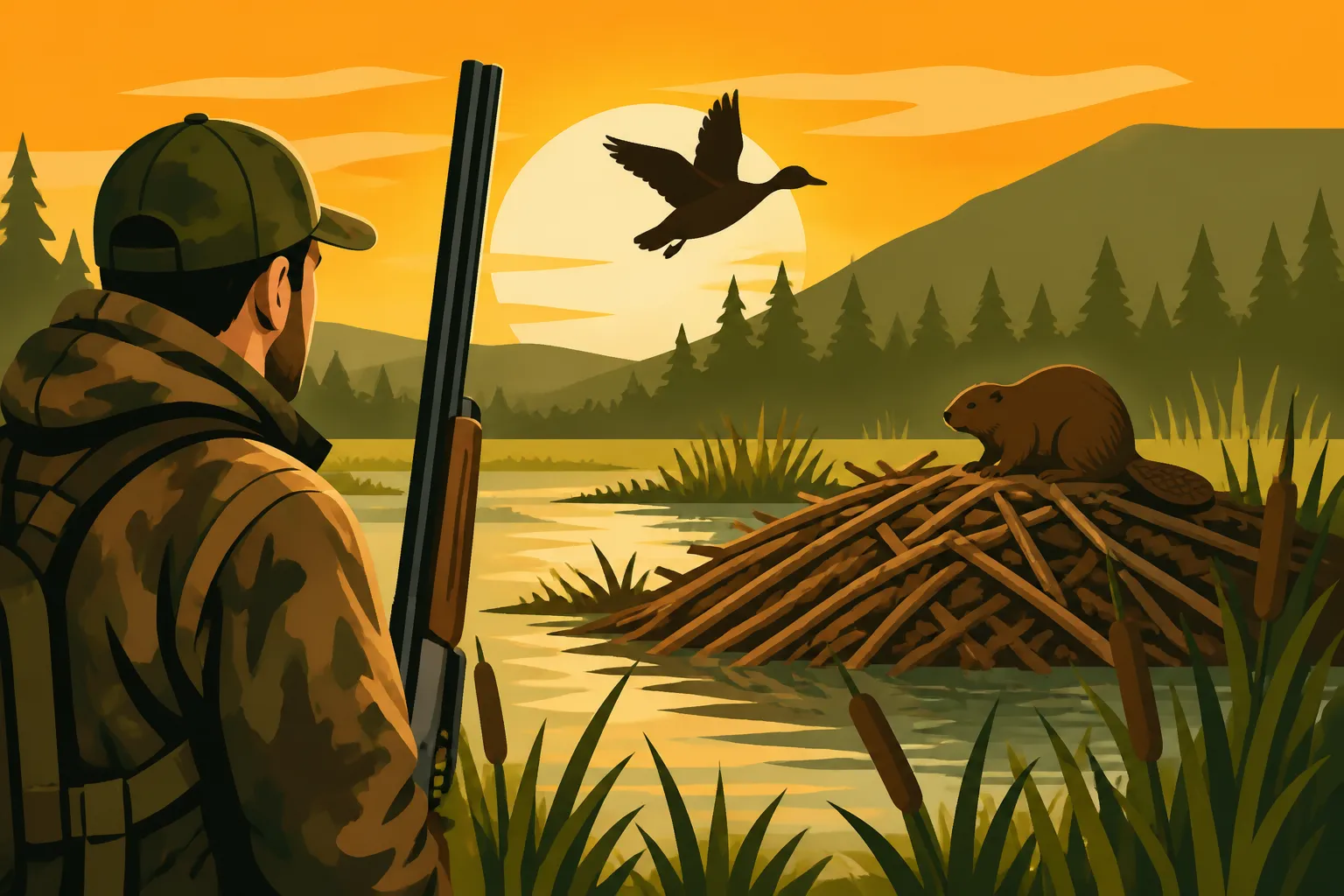
Wetlands, by their very nature, are ecological powerhouses. They're transitional zones, a crossroads between dry land and open water, and this unique blend creates an incredible diversity of habitat. For hunters, this means a concentration of game that relies on these specific conditions. At Beaver Dam WMA, these wetlands provide crucial breeding grounds, foraging areas, and cover for a surprising array of species. You'll find everything from migratory waterfowl using it as a stopover on the Atlantic Flyway to resident small game, and even whitetails that utilize the dense cover and abundant food sources along the fringes.
Think about it from a deer's perspective: a thick marsh or a tangled creek bottom offers fantastic security cover from both predators and human pressure. For a duck or a goose, it's a buffet of aquatic plants and invertebrates, and a safe place to rest. Understanding this ecological role is the first step to truly appreciating and effectively hunting Beaver Dam's wetlands. It’s not just about getting through the water; it’s about recognizing why the animals are there in the first place and how they use the terrain.
Navigating the Topography and Water Features
Beaver Dam WMA, like many wetland areas, isn't flat, barren land. It's often characterized by varying water depths, muddy banks, tangled root systems, and dense vegetation that can make movement incredibly difficult. You might encounter shallow, sluggish creeks, wide-open marshy areas, or dense thickets of willow and alder that are almost impenetrable on foot. The ground itself can range from surprisingly firm to quicksand-like mud that threatens to swallow your boots whole.
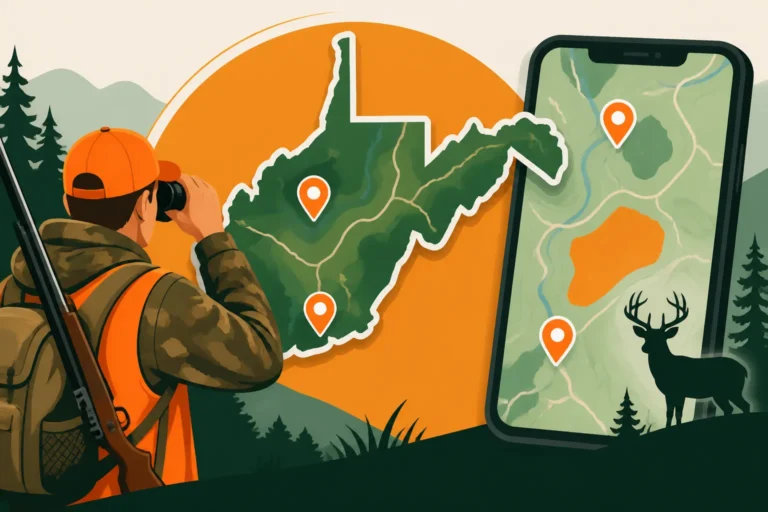
Successful navigation here requires a different mindset than traversing a typical mountain trail. You need to anticipate where the water might be deepest, where the mud might be loosest, and where the vegetation forms natural choke points or, conversely, provides a screen for movement. This is where pre-season scouting, even from your couch with mapping apps, becomes absolutely vital. Tools like onX Hunt or GoHunt allow you to zoom in on satellite imagery to identify open water, dense cover, and potential dry ground routes, giving you a serious advantage before you ever set foot in the field. Identifying subtle elevation changes, even just a few feet, can mean the difference between trudging through knee-deep water and finding a relatively dry path. This area isn't about peak bagging; it's about finding the path of least resistance through a truly complex environment.
Key Access Points and Entry Strategies for Wetlands
Getting into the heart of Beaver Dam WMA's wetlands isn't always straightforward. Unlike some WMAs with clearly defined trail systems, wetland access often requires a bit more bushwhacking, planning, and specialized equipment. Your approach will heavily depend on what game you're after and how deep into the wet stuff you're willing to go.
Identifying Primary Entrances and Parking
Like most Wildlife Management Areas, Beaver Dam WMA will have designated parking areas, often near main roads or at the beginning of administrative access roads. These are your starting points, but don't expect them to lead directly to prime wetland hunting. From these spots, you'll likely face a trek that could involve crossing drier uplands before descending into the wetter areas. It's crucial to consult a detailed map, perhaps using the Go Wild West Virginia Map Tool, to identify these official access points. Pay close attention to any WVDNR signage at these entrances, as they often provide important information about regulations, specific use areas, or temporary closures.
Sometimes, a smaller, less obvious pull-off along a remote road might offer a quicker path to a particular wetland pocket, but always verify it's legal public access and not encroaching on private land. This is where an app like onX Hunt shines, allowing you to clearly see property lines and ensure you're within public boundaries. Identifying where the uplands meet the wetlands, and looking for any natural funnels or pinch points in the terrain that animals might use to transition between habitats, can help you pick the most efficient and least disruptive entry route. Remember, minimizing your impact on the way in helps keep the area productive.
Techniques for Reaching Prime Wetland Hunting Zones
Once you've identified your general entry point, the real work begins. Moving through wetlands can be slow, noisy, and physically demanding. Here are a few strategies:
- Foot Travel with Waders: For most hunters targeting small game or deer along wetland edges, reliable chest waders are non-negotiable. Forget your standard hunting boots; you will encounter water and mud deeper than ankle height. Move slowly, testing the ground ahead with a trekking pole or your foot to avoid deep pockets of soft mud or hidden obstacles. The sounds you make will carry further over water, so stealth is paramount. Consider moving during periods of freezing temperatures if safe, as frozen ground can make travel much easier, though you still need to be wary of thin ice.
- Small Watercraft (Kayaks/Canoes): If your target area involves larger open water bodies or extensive flooded timber, a kayak, canoe, or even a small jon boat can be your best friend. These allow for quiet, efficient movement over water and can carry gear more easily than slogging it through mud. You’ll need to research specific regulations for watercraft use within Beaver Dam WMA, as some areas might have restrictions. Launching a canoe or kayak from a less-trafficked bank can get you into prime waterfowl areas or to a deer stand location that’s otherwise unreachable. This method is particularly effective for Hunting Ohio River Valley Bottomland conditions, which share some similarities with Beaver Dam's wetlands.
- Following Natural Features: Deer, bears, and other animals often use subtle high ground features within wetlands – old logging roads, raised banks, beaver dams (naturally!), or slight ridges – to move through otherwise impassable terrain. Learning to "read" these features on a topographic map or aerial photo, and then verifying them on the ground, can be a game-changer. These hidden pathways often act as natural travel corridors, making excellent locations for a ground blind or even a treestand on the edge of the water.
Essential Gear and Preparations for Wetland Hunting at Beaver Dam
Hunting in a wetland environment is a different beast entirely from a crisp autumn morning in the hardwoods. The gear you choose, and how meticulously you prepare, can literally make or break your trip. It's not just about comfort; it's about safety and effectiveness.
Footwear and Clothing Considerations
Let's be blunt: you're going to get wet, and possibly very muddy. Your footwear is the single most important piece of gear for wetland access.
- Chest Waders: As mentioned, chest waders are often indispensable. Opt for durable, puncture-resistant material. Neoprene waders offer excellent insulation for colder weather, while breathable models are better for early season hunts when temperatures are milder but you still need to stay dry. Make sure they fit well and allow for layering underneath. Many experienced hunters keep a spare pair in the truck – just in case. When choosing Waders for River Bottom Hunting, durability and comfort are key for long days of slogging.
- Waterproof Boots: If your target wetland area is more marshy edges with intermittent water, or if you're primarily on the banks of a creek, a good pair of knee-high rubber boots with aggressive tread might suffice. However, always assess the potential water depth before you commit to rubber boots over waders. There's nothing worse than having water pour over the top of your boots miles from your vehicle.
- Layered, Waterproof Clothing: Beyond footwear, staying dry is paramount. A high-quality waterproof and windproof outer shell (jacket and pants) is crucial. Layering underneath allows you to adjust to fluctuating temperatures and exertion levels. Synthetics or wool are far superior to cotton in wet conditions, as they retain insulating properties even when damp. Consider full-zip rain gear for easy on-and-off. Don't forget waterproof gloves and a warm hat, even if the air temperature seems mild, as getting wet in a breeze can quickly lead to hypothermia.
Navigation Tools and Safety Equipment
The dense cover and repetitive landscape of a wetland can be disorienting, even on a sunny day. Losing your way in a swampy area, especially as dusk approaches, is a serious hazard.
- GPS Device or App: A reliable GPS unit or a smartphone with a robust hunting app like onX Hunt or GoHunt is absolutely essential. Download offline maps of Beaver Dam WMA before you go, as cell service can be spotty or non-existent in remote areas. Mark your parking spot, your intended route, and any key landmarks. These tools are invaluable for navigating complex terrain and ensuring you can always find your way back. Double-check your settings before heading out to make sure all the map layers you need, like property boundaries and topo lines, are active.
- Compass and Map: While technology is great, always carry a physical compass and a waterproof map as a backup. Batteries die, and electronics can fail in wet conditions. Knowing how to use them is a fundamental safety skill every hunter should possess.
- First-Aid Kit: A compact, waterproof first-aid kit stocked with essentials for cuts, scrapes, blisters, and insect bites is a must. Minor injuries can become major problems quickly in a remote, wet environment.
- Signaling Device: A whistle is lightweight and effective for signaling for help if you become lost or injured. A headlamp with fresh batteries (and spares!) is crucial for early morning entries or late exits, especially in thick cover.
- Bug Protection: Wetlands are mosquito and tick havens. Carry insect repellent with a high DEET concentration or permethrin-treated clothing to avoid bites and potential vector-borne diseases.
| Gear Category | Essential Items | Why It's Crucial in Wetlands |
|---|---|---|
| Footwear/Clothing | Chest Waders (neoprene/breathable) | Keeps you dry in deep water and mud, essential for mobility. |
| Waterproof Outer Shell (jacket/pants) | Protection from rain, wind, and splashes. | |
| Layered Clothing (wool/synthetics) | Maintains warmth even when damp, adaptable to conditions. | |
| Waterproof Gloves & Hat | Prevents heat loss, keeps extremities dry. | |
| Navigation | GPS Device / onX Hunt or GoHunt App (offline) | Pinpoints location, tracks routes, identifies terrain features. |
| Compass & Waterproof Map | Critical backup in case of electronic failure. | |
| Headlamp (with spare batteries) | Navigating in low light, emergency signaling. | |
| Safety/Comfort | First-Aid Kit (waterproof) | Addresses injuries, crucial in remote areas. |
| Whistle | Emergency signaling device. | |
| Insect Repellent | Protects against mosquitoes, ticks, and other pests. | |
| Dry Bag / Waterproof Backpack | Keeps electronics, extra clothes, and food dry. |
Species-Specific Wetland Hunting Opportunities
Beaver Dam WMA's wetlands aren't just for a single species; they offer diverse opportunities for various game, each requiring its own approach and understanding of the habitat.
Waterfowl and Migratory Bird Hunting
For many hunters, wetlands immediately conjure images of ducks and geese. Beaver Dam WMA, with its mix of open water, vegetated marshes, and flooded timber, can be a magnet for various waterfowl species during migration. Understanding West Virginia Waterfowl Migration Timing is key here.
- Scouting is Paramount: Before the season, spend time observing bird activity, identifying flight paths, feeding areas, and resting spots. Look for areas with diverse aquatic vegetation that serves as food.
- Decoys and Calls: A spread of waterfowl decoys, mimicking resting or feeding birds, can be incredibly effective. Combine this with realistic calling to draw birds in. For ducks, consider mallard, wood duck, and teal calls. For geese, a variety of honks and clucks.
- Concealment: Wetland cover can be sparse, making good concealment vital. Layout blinds or natural blinds brushed in with local vegetation are often used. A small boat can also be used as a mobile blind, especially in larger water bodies.
- Retrieval: Be prepared for retrieving birds from water, which might involve a retrieving dog or a boat. Always consider safety when wading into deep, cold water for a retrieve.
Other Game Found in Wetland Edges
While waterfowl might be the obvious choice, don't overlook the other opportunities Beaver Dam's wetlands offer, particularly along their transitional edges with drier ground.
- Deer: Whitetail deer frequently utilize the dense cover and abundant browse found in wetland fringes. They'll often bed down in thickets bordering the water, moving out to feed in nearby uplands or along creek bottoms. Look for tracks and rub lines where the wet ground meets higher, drier terrain. These transition zones can be excellent places to set up a stand, particularly during the rut when bucks are cruising for does. Your Treestand Setups in Monongahela National Forest knowledge can be adapted here, focusing on edges and natural funnels that deer use to move through the difficult terrain. Early season archery hunts or late-season hunts when other food sources are scarce can be particularly productive.
- Small Game: Squirrels and rabbits might be less common in the deepest parts of the wetlands, but along the edges and in timbered areas bordering the water, they can be plentiful. Squirrel Hunting West Virginia Bottomland Hardwoods or Rabbit Hunting West Virginia Fencerows tactics can be applied to these fringe habitats. Look for nut-bearing trees or dense brush that provides cover and food. The moist soil often supports a rich undergrowth that small game depends on.
- Furbearers: Don't forget about furbearers like muskrats, beavers, and raccoons, which thrive in wetland environments. While targeting these might require specific Trapping West Virginia Muskrat and Beaver knowledge and regulations, their presence indicates a healthy wetland ecosystem and can provide additional hunting or trapping opportunities.
Beaver Dam WMA offers a unique West Virginia hunting experience. While challenging, with the right preparation and understanding, its wetlands can provide some truly rewarding hunts for a variety of game. Always prioritize safety, respect the environment, and immerse yourself in the natural rhythms of these vital ecosystems.
Disclaimer
This article is for general informational purposes only and does not constitute professional advice. Laws, prices and regulations vary by location and change over time. Consult a qualified professional for guidance on your specific situation.