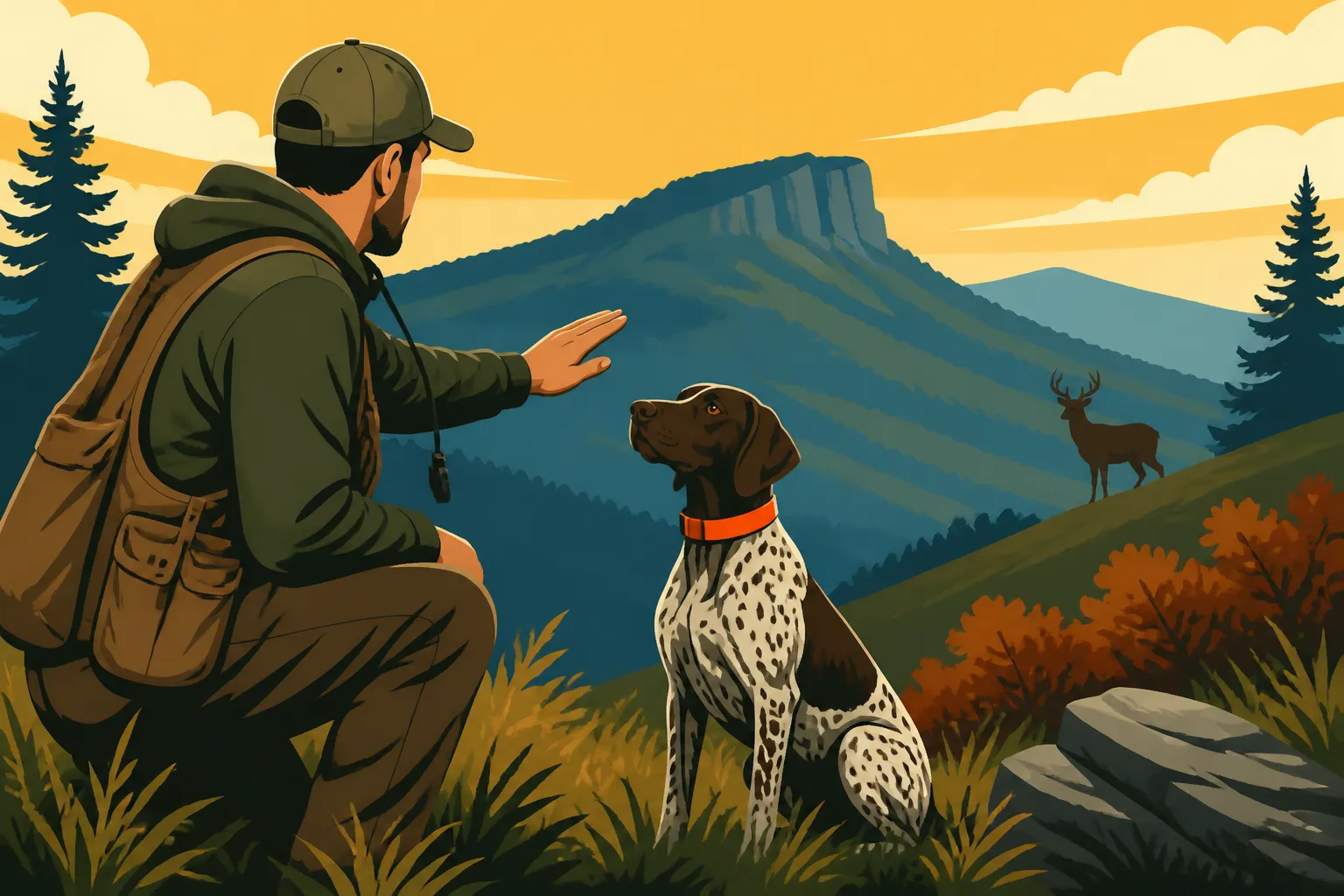
Dog Training on West Virginia Public Land
It's a fantastic feeling, isn't it? Watching your hunting dog work, whether it's a pointer locking up on a pheasant, a beagle hot on a rabbit track, or a retriever eagerly waiting for that splashdown. But finding the right place to train them, especially in a state as wild and wonderful as West Virginia, can be a real head-scratcher. You want to give your canine companion the experience they need without running afoul of regulations or stepping on anyone's toes, and navigating all the rules for different types of public land can feel like trying to find a needle in a haystack. This guide is here to untangle that knot for you, helping you understand where, when, and how to responsibly train your dog on West Virginia's public lands.
Navigating the Rules: What West Virginia Says About Dog Training on Public Land
Before you even think about putting boots on the ground (and paws in the leaves!), it's absolutely crucial to understand the regulatory landscape in West Virginia regarding dog training on public land. It's not a one-size-fits-all situation, and rules can vary depending on whether you're on a Wildlife Management Area (WMA), National Forest land, or other state-owned tracts. Ignorance of these rules isn't an excuse, and a simple mistake could lead to fines, losing access, or even jeopardizing your hunting privileges.
The West Virginia Division of Natural Resources (WVDNR) oversees hunting and wildlife activities, and their regulations are the first place to look. Generally, dog training for hunting purposes is permitted on most public hunting lands, but with significant caveats. You can't just unleash your dog and let them run wild, especially outside of designated seasons or areas. The primary concern is protecting wildlife from harassment and ensuring that your training activities don't interfere with other public land users, like hikers, birdwatchers, or hunters pursuing different game.
Specific rules often dictate things like when you can train, whether you can use live ammunition or only blank rounds, and if you need any special permits. For instance, while you might be able to run a bird dog for conditioning year-round, simulating an actual hunt with shots fired might be restricted to specific periods or areas. It's always a good idea to check the current hunting and trapping regulations synopsis published by the WVDNR, often available online, for the most up-to-date information. Pay close attention to sections on general regulations, WMA-specific rules, and small game hunting, as these often contain the fine print about dog use. This resource is invaluable, and a quick skim through it before heading out can save you a lot of grief.
Furthermore, public land administered by the U.S. Forest Service, like the vast expanses of the Monongahela National Forest Hunting, will have their own set of rules on top of state regulations. While they generally allow dog training, they might have specific requirements regarding leashes in certain high-traffic areas, restrictions on organized events, or rules about disturbing other forest users. Always look for signage at trailheads or access points, and don't hesitate to contact the specific ranger district office if you have any doubts. Getting this right is about being a responsible sportsperson and good steward of our shared wild places.
Picking Your Spot: Best Public Lands for Dog Training in West Virginia
Once you've got a handle on the rules, the next step is figuring out where to go. West Virginia offers a diverse landscape, from rolling farmland and dense Appalachian hardwoods to high-elevation spruce forests, and each type of terrain presents different training opportunities and challenges. Not all public lands are created equal when it comes to dog training, and choosing wisely can make a huge difference in your success and enjoyment.
Wildlife Management Areas (WMAs)
West Virginia's Wildlife Management Areas are prime candidates for dog training because they are specifically managed for wildlife and public recreation, including hunting. Many WMAs have diverse habitats, from old fields and early successional growth perfect for bird dogs, to dense woodlands ideal for hound training. The WVDNR actively manages these areas, sometimes including controlled burns or timber sales that create excellent cover for game and therefore great training scenarios.
However, WMAs often come with the most specific regulations. Some WMAs might have designated "dog training areas" or specific seasons when certain activities are allowed or prohibited. For example, during deer firearms season, many WMAs become very busy and noisy, making them less than ideal for focused dog training. It’s crucial to know the various hunting seasons in effect on your chosen WMA. You can find detailed maps and specific rules for each WMA on the WVDNR website. Websites like onX Hunt can also be incredibly valuable here, allowing you to identify property boundaries, access points, and even topo features and habitat types within a specific WMA, which can help you pick the perfect training spot. When planning your trip, consider checking out WMAs such as Cranberry Wildlife Management Area, which offers a vast and rugged landscape, or smaller, more accessible WMAs depending on your specific training needs.
National Forests
The Monongahela National Forest, in particular, offers immense acreage for dog training, providing a more wild and less intensely managed environment than many WMAs. The sheer size means you can often find solitude, which is fantastic for dogs that might get distracted by other people or sounds. The varied terrain – steep ridges, hollows, dense thickets, and open timber – provides realistic challenges for hunting dogs. This is especially true for those training hounds for bear or coon, or bird dogs in search of grouse or woodcock.
While National Forest land is generally more permissive regarding dog activity, you still need to be mindful of state hunting seasons and other users. Backpackers, mountain bikers, and hikers frequently use these areas, especially on established trails. Keeping your dog under control and being courteous to others is paramount. During archery deer season, for instance, you might encounter quiet, still-hunting archers. A barking dog or one running unchecked could disrupt their hunt and create an unwelcome conflict. Always keep an eye on the calendar; understanding the West Virginia Deer Season Structure Explained is critical to avoid peak hunting pressure.
Here's a quick comparison of some public land types for dog training:
| Public Land Type | Typical Regulations | Habitat Diversity | Crowds (Off-Season) | Best For (Examples) |
|---|---|---|---|---|
| Wildlife Management Areas | Specific WVDNR rules, potential designated areas, season-dependent | High, often managed for specific game species | Moderate to High | Bird dogs (pheasant, quail), rabbit hounds |
| National Forests | General state rules, USFS guidelines, focus on low impact | High, natural, rugged | Low to Moderate | Bear hounds, grouse dogs, general conditioning |
| State Parks | Highly restricted, often no hunting or dog training permitted (check individual parks) | Varies, often manicured for recreation | High | Generally not recommended for training |
| State Forests | Similar to WMAs but sometimes less intensive management | Moderate to High | Low to Moderate | Deer tracking dogs, general obedience |
It’s always best practice to consult the specific rules for any public land you plan to visit. Websites and apps like GoHunt can provide valuable insights into public land boundaries and features, helping you scout out suitable training areas from the comfort of your home before you even hit the road.
Training Smart: Essential Considerations for West Virginia's Diverse Terrain
West Virginia's topography is renowned for being rugged and beautiful, and that's something you need to factor into your dog training regimen. It's not like training in flat, open fields; our mountains, hollows, and dense cover demand a specific approach. Smart training here isn't just about repetition; it's about preparing your dog for the realities of hunting in challenging conditions.
First off, consider the physical demands. Our steep Allegheny ridges and deep hollows are tough on both humans and dogs. You'll need to ensure your dog is in excellent physical condition, just like you are. Introduce them to varied terrain gradually, building their stamina and muscle. Long walks uphill and downhill are great for this. Think about the strain on their joints and paws. Dog boots can be a lifesaver in rocky areas or during colder months when ice can form.
The dense cover found in West Virginia, whether it's rhododendron thickets, laurel slicks, or regenerating clear-cuts, presents unique challenges. Your dog needs to learn to navigate this terrain effectively, pushing through brush, finding birds or tracks in dense vegetation, and staying within range. This is where training in realistic cover becomes paramount. If you're training a bird dog, look for areas with good early successional growth or aspen stands for grouse. For hounds, focus on heavily wooded areas where game is likely to travel. Understanding how to use natural features for Hunting a Funnel Between Two Hollows can be helpful even for dog training, as these areas often concentrate game movement.
Another critical consideration is navigation and communication. In dense woods and steep terrain, it's easy for a dog to get out of sight or earshot. Investing in a good GPS collar is almost a necessity for training in West Virginia. This allows you to track your dog's movements, ensure they're staying within designated training areas, and quickly locate them if they get too far afield. Beyond technology, consistent vocal commands and whistle signals are vital. Practice these in increasingly challenging environments, gradually introducing distractions and distance. Remember, a well-trained dog is a safe dog, especially in unfamiliar and rugged territory.
Lastly, be mindful of the elements. West Virginia weather can be unpredictable. Early fall can still be warm, leading to overheating, while late fall and winter bring cold, rain, and snow. Always carry water for your dog, especially on warmer days. In cold weather, ensure your dog is acclimated and has appropriate protection if needed. A tired, dehydrated, or hypothermic dog won't learn effectively and could be at risk. Preparing for potential emergencies by carrying a basic dog first-aid kit is also a smart move, especially when you're deep in the backcountry.
Avoiding Conflict: Sharing the Woods with Other Users and Wildlife
Training your dog on public land isn't just about you and your canine partner; it's about sharing those spaces responsibly with everyone else who enjoys West Virginia's outdoors, and most importantly, with the wildlife itself. Conflict avoidance is key to ensuring continued access for dog trainers and maintaining a positive image for hunting dog enthusiasts.
One of the biggest areas for potential conflict is during hunting seasons. While you might be training your bird dog in early October, an archer might be Hunting the West Virginia Rut in November or quietly stalking deer nearby. A loud, free-running dog could easily spook game, ruin a hunter's day, and understandably lead to frustration. Always check the current hunting seasons for the area you plan to train. If it's deer gun season, for instance, it's probably best to avoid areas with high deer populations altogether. You can usually find information on Hunting Pressure on West Virginia Public Land during peak seasons, which can help you select less crowded spots. If you must be out during a hunting season, stick to clearly marked trails, keep your dog leashed, and avoid simulating hunting activities like firing blanks.
Beyond hunters, you'll encounter hikers, mountain bikers, and nature photographers. Many people enjoy public lands for peace and quiet, and a barking, running dog can disrupt their experience. Always keep your dog under control, especially when approaching other people. A polite "Good morning!" and pulling your dog to your side while leashed can go a long way in showing courtesy. Some people are afraid of dogs, regardless of how friendly yours might be. Be respectful of that. If your training involves simulated retrieves or scent work, choose secluded areas where you're less likely to run into others.
Most importantly, we're sharing the land with wildlife. While dog training is for hunting purposes, uncontrolled dogs can harass or injure non-target species, especially during sensitive times like nesting season for birds or fawning season for deer. This is why many WVDNR regulations restrict dog running or training to specific periods. Always understand and adhere to these wildlife protection rules. Even during permissible training, teach your dog to focus on the task at hand and ignore other wildlife that isn't the target species. A disciplined dog is a sign of a responsible trainer. If you’re ever unsure about specific rules, particularly concerning areas like Hunting Potomac Highlands Public Land or others with unique ecosystems, always err on the side of caution and check with local WVDNR or Forest Service offices. By being considerate of all users and respecting the wildlife, we ensure these beautiful public lands remain accessible for all to enjoy.
Disclaimer
This article is for general informational purposes only and does not constitute professional advice. Laws, prices and regulations vary by location and change over time. Consult a qualified professional for guidance on your specific situation.