Best West Virginia Ground for Public Land Grouse
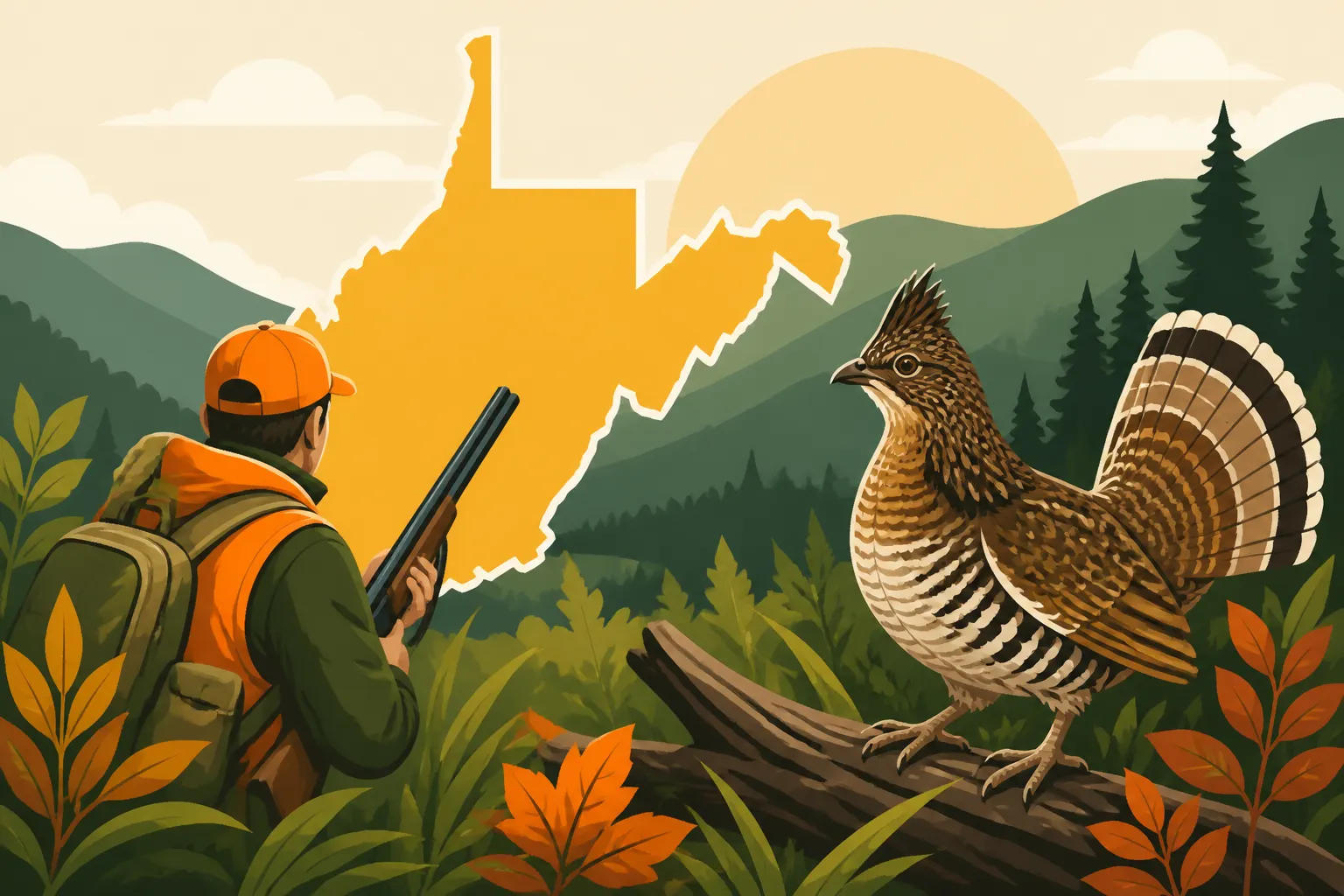
Hunting ruffed grouse in West Virginia is a pursuit that often tests the mettle and patience of even the most seasoned upland hunter. It's not a stroll through open fields; it's a relentless grind through dense cover, steep hollows, and often unforgiving terrain, especially on our beloved public lands. But for those who embrace the challenge, the explosion of a grouse from thick laurel or a forgotten aspen cut is a sound that sings directly to the soul. This guide is dedicated to helping you unravel the mysteries of finding and hunting grouse on West Virginia's public lands, offering insights into where to look and how to approach these elusive mountain birds.
Understanding West Virginia's Grouse Habitat
The ruffed grouse, often called the king of game birds, is a creature of specific tastes when it comes to habitat. Unlike the relatively open country where you might find pheasants or quail in other states, West Virginia grouse demand dense, young forest growth mixed with mature timber. The problem is, this kind of habitat isn't as widespread as it once was, leading to a noticeable decline in grouse numbers across many areas.
The Decline and Where to Still Find Them
Let's be honest: grouse hunting in West Virginia isn't what it used to be. Many of us who grew up chasing these birds lament the decrease in numbers. The primary culprit is habitat loss and maturation. Grouse thrive in early successional forests – those young, brushy areas that spring up after a timber harvest, fire, or other disturbance. They need that thick tangle for protection from predators, for nesting cover, and for foraging on buds and berries. As our forests mature without consistent management, these crucial young stands dwindle. It’s a tough pill to swallow, and it means we have to work even harder to find the pockets where birds still exist.
Despite this decline, the birds haven't vanished entirely. You're simply going to find them in more specific, often smaller, patches of cover. Think of it as finding hidden jewels rather than scattered gold dust. These remaining strongholds are typically areas that have seen recent logging activity (within the last 5-20 years), old farm clearings that are reverting to forest, or unique high-elevation spruce and alder bogs that naturally provide dense cover. Understanding the West Virginia Ruffed Grouse Decline is key to managing expectations and focusing your efforts.
Identifying Prime Grouse Cover
When you're slogging through the woods, trying to predict where a grouse might be holding, you're looking for a very particular kind of messy beauty. It's not the tall, open oak stands that deer love, nor the neat rows of pines. Grouse cover is thick, gnarly, and often difficult to walk through.
Here are some key indicators of prime grouse habitat:
- Young Aspen Stands: These are gold. Aspens grow in dense clones, and the young saplings provide incredible overhead and ground cover. The buds are also a favorite food source. If you find an aspen cut that's 5-15 years old, you're likely in a good spot. This is particularly true in the higher elevations.
- Laurel and Rhododendron Thickets: These evergreen understories offer year-round protection. Grouse will dive into these nearly impenetrable tangles when flushed, and they'll feed on the leaves and berries when other food sources are scarce. Be ready for a tough push through these, but the rewards can be worth it.
- Conifer Plantations (Young Pines/Spruce): Similar to laurel, young conifer stands provide dense, thermal cover in winter and year-round protection. Look for areas where these have been planted thickly and are just starting to put on some size, creating a dense canopy close to the ground.
- Stream Bottoms with Alder and Dogwood: These wet, brushy areas can be fantastic, especially later in the season. Alders often grow in thickets, providing both cover and food. Dogwood berries are also a treat for grouse. The damp ground often means softer footing, but don't let that fool you into thinking it's easy going. Finding Woodcock in Alder Runs often goes hand-in-hand with finding grouse here.
- Old Logging Roads and Clearings: These provide edges where different habitat types meet. Grouse love edges – where young growth meets mature timber, or where a thicket borders an old roadbed. They'll often feed along these edges, dusting in the loose soil, or simply using them as travel corridors.
Understanding these cover types is crucial. I like to imagine what a bird would need: protection from a hawk from above, protection from a coyote on the ground, and plenty of accessible food. When you find that combination, you've found potential grouse ground.
Top Public Land Regions for Grouse Hunting
West Virginia is blessed with a significant amount of public land, but not all of it holds equal opportunity for grouse. Knowing where to focus your efforts can save you a lot of boot leather and frustration.
The Allegheny Highlands: A Traditional Stronghold
When most folks think of West Virginia grouse hunting, their minds immediately go to the Allegheny Highlands. This mountainous region, encompassing much of the Monongahela National Forest, is the state's traditional stronghold for ruffed grouse. The higher elevations, cooler temperatures, and specific forest management practices (or lack thereof, leading to natural disturbances) here create more favorable conditions.
Within the Monongahela, you'll find extensive opportunities. Areas that have seen recent timber sales are prime targets. The forest service does conduct prescribed burns and timbering for various ecological reasons, and these efforts, though not always specifically for grouse, can create the kind of early successional habitat these birds need.
Consider zones within the Monongahela like Cranberry Wildlife Management Area or Blackwater Wildlife Management Area. While these WMAs are known for other game, their specific terrain and management can still offer grouse opportunities. Cranberry Wildlife Management Area is vast and rugged, and if you're willing to walk far from the roads, you can often find unpressured pockets. Similarly, areas adjacent to designated wilderness, like Otter Creek Wilderness or Dolly Sods Wilderness, often have fringe habitats where grouse thrive, especially where natural disturbances occur.
- Monongahela National Forest: Look for timber cuts. Seriously, this is your best bet. Old clearcuts that have grown back into thickets of blackberry, hawthorn, and young hardwoods are exactly what you're after. These are often miles from main roads, so be prepared for a hike. Use mapping apps like onX Hunt to identify different forest stand ages and recent activity. This digital tool can literally highlight potential grouse cover before you ever step foot in the woods. Pay attention to elevations between 2,500 and 4,000 feet, as these often hold more consistent habitat.
- High-Elevation Bogs and Spruce Swamps: Areas around Spruce Knob or within Dolly Sods Wilderness, while generally not hunted within the wilderness boundaries, often have adjacent public lands with unique, thick spruce and rhododendron cover. These can be tough to navigate but can hold surprising numbers of birds, particularly when other cover types are sparse. Grouse Hunting Allegheny Highlands Cover details specific tactics for these areas.
Lesser-Known Pockets and Under-Hunted Areas
While the Allegheny Highlands are rightly famous, don't overlook other regions of the state. Grouse are adaptable, and they can be found in surprising places if the right habitat exists. The key is to think outside the box and be willing to explore.
- Northern Panhandle and Ohio River Valley: While not typically thought of as grouse country, areas with significant reclaimed mine lands or heavy logging in the past can surprise you. These lands often have vast tracts of young growth that have regenerated, creating excellent grouse habitat. You might not find the same density as the Highlands, but the birds you do find could be less pressured. Hunting Ohio River Valley Bottomland might traditionally focus on deer, but the edges of these bottomlands or adjacent steep hillsides often contain the required brushy cover.
- Old Orchard Lands and Abandoned Farms: Scattered throughout the state, particularly in the Eastern Panhandle, are old homesteads and abandoned farms that have long since grown over. The transition zones where fields are reverting to forest, often with dense multiflora rose, honeysuckle, and apple trees, can be dynamite. These areas provide excellent food and cover, and because they aren't always explicitly marked as "grouse habitat," they can be overlooked. Always double-check land ownership with tools like onX Hunt or GoHunt when exploring these spots, as they can sometimes be a mix of private and public access.
- Edges of Large WMAs Outside the Highlands: Some of the larger Wildlife Management Areas that aren't deep in the high mountains might still have pockets. Think about WMAs like Bluestone Lake WMA or Little Kanawha River WMA. While their primary game might be deer or turkey, if they have areas that have been clear-cut for timber or wildlife habitat improvement in the last 15-20 years, they are worth a look. These areas might not sustain large numbers of grouse, but they can offer good single-bird flushes for a dedicated hunter.
It's about being observant and willing to bushwhack. The less accessible, the better, frankly. The birds know where the thick stuff is, and they gravitate towards it.
Practical Tactics for West Virginia Public Land Grouse
So you've found a promising piece of public land with the right habitat. Now comes the hard part: actually finding and flushing a grouse. This isn't a game for the faint of heart, or for those afraid of scratched shins and barking dogs.
Scouting and Pre-Season Prep
Before the season even begins, a little bit of legwork can pay huge dividends.
- Map Reconnaissance: This is where modern tools really shine. Use online mapping systems like onX Hunt or GoHunt to scrutinize aerial imagery. Look for those tell-tale signs: recent clearcuts, dense green thickets of laurel or rhododendron, and areas with a patchwork of different forest ages. Pay attention to topography. Grouse often prefer sidehills or benches rather than extreme ridgetops or hollow bottoms, especially where dense cover is available. Scouting West Virginia Public Land Before Season is invaluable, and even more so for grouse.
- Winter Scouting: While not glamorous, a walk through potential grouse cover in late winter or early spring, before the leaves emerge, can be incredibly insightful. You can spot old drumming logs, dusting areas, and the remnants of thick cover that might be impenetrable during the season. Look for tracks in soft snow or mud, and listen for drumming once spring rolls around.
- Talk to Local DNR Biologists/Foresters: These folks are a goldmine of information. They often know about recent timber sales, habitat improvement projects, or areas that have shown consistent grouse activity. Don't expect them to give you GPS coordinates, but they can point you toward general areas to explore.
Hunting Methods and Dog Work
Once you're in the woods, your approach needs to be calculated and patient.
- Walking Slowly and Systematically: This isn't a race. Grouse often hold tight, relying on their camouflage. You need to move slowly, stopping frequently, and scanning the cover ahead. Take two or three steps, pause, then two or three more. This erratic movement can sometimes cause a bird to flush that would otherwise let you walk right past. Work through cover in a grid-like pattern where possible, ensuring you cover every inch of a promising thicket.
- Hunting with a Dog: For many, grouse hunting without a dog is simply "walking." A good bird dog, whether a setter, pointer, or even a flushing breed like a springer spaniel, is an undeniable advantage. A dog's nose can find birds you would walk past, and their pointing or flushing action helps you get a shot.
- Bells and E-Collars: Outfit your dog with a good bell so you can track its location in dense cover. A GPS-enabled e-collar, such as those from Garmin, is also a game-changer for finding a pointing dog in heavy brush or getting a flushing dog to come to hand. These dogs will be working hard, often out of sight in the thickest stuff, so reliable communication and tracking are essential.
- Dog Conditioning: Grouse hunting is tough on dogs. Ensure your canine partner is in excellent physical condition, especially for the steep terrain and heavy cover in West Virginia. They'll be covering miles, often at a high pace.
- Flushing Without a Dog: If you're going it alone, focus on systematically working the cover. Kicking at brush piles, pausing frequently, and using erratic movements are your best bets. Consider hunting with a partner or two, spreading out slightly to cover more ground and increase the chances of flushing a bird. The challenge of Flushing Grouse Without a Dog is immense but deeply satisfying.
| Cover Type | Typical Location | Key Characteristics | Hunting Strategy |
|---|---|---|---|
| Young Aspen/Birch Stands | High elevations, old clearcuts | Dense saplings, often in clones, bright bark | Work slowly, zig-zag through, focus on edges and thicker pockets |
| Laurel/Rhododendron Thickets | Steep hillsides, stream bottoms | Dense evergreen understory, nearly impenetrable | Push through deliberately, listen for flushes, mark where birds dive in |
| Young Conifer Plantations | Planted areas, old fields | Uniform, dense evergreens, low branches | Grid search, pay attention to sunlight gaps and transitions to hardwoods |
| Alder/Dogwood Bottoms | Wet areas, creek beds | Tangled, brushy, often damp ground | Follow drainages, push thickest clumps, watch for birds ahead |
| Old Logging Roads/Edges | Throughout public lands, near clearcuts | Interface of different habitats, open strips | Walk edges slowly, be ready for quick flushes from either side |
Navigating Challenging Terrain and Weather
West Virginia's public lands are beautiful but can be brutal. Expect steep climbs, rocky outcrops, and thick, unforgiving brush.
- Footwear and Clothing: Invest in high-quality, waterproof, and supportive boots. Your ankles will thank you. Wear brush pants or chaps to protect your legs from thorns and briars. Layering is key, as you'll be exerting yourself on climbs and then sitting quietly, or facing cold winds on ridge tops. Brush Pants for West Virginia Laurel Thickets are not a luxury; they're a necessity.
- Wind and Thermals: Pay attention to wind direction, especially in steep country. Grouse will often flush uphill or downwind. Use the wind to your advantage, trying to approach from downwind so your scent is carried away from the birds. In the mountains, thermals can be tricky, especially in the mornings and evenings, often moving uphill as the day warms and downhill as it cools.
- Rain and Snow: Grouse don't mind a little rain or snow, and sometimes hunting in light precipitation can be excellent as it dampens sound and keeps other hunters home. However, heavy downpours can make for miserable hunting and difficult dog work. Be prepared with good rain gear. In snow, tracks can be visible, and birds might be concentrated around thermal cover like conifer thickets. Grouse Hunting Highlands Aspen Cuts can be especially productive after a fresh snow.
- Staying Found: Cell service is notoriously spotty in West Virginia's mountains. Always carry a physical map and compass, and know how to use them. A reliable GPS unit or a downloaded offline map on your phone (using apps like onX Hunt) is essential. Mark your vehicle's location and key waypoints. It's easy to get turned around in dense cover.
Hunting grouse in West Virginia is a journey, not just a hunt. It's about appreciating the wildness of our mountains, the sheer grit of these birds, and the satisfaction of earning every flush. It won't always be easy, and some days you might not even see a bird. But those moments when a ruffed rocket bursts from the cover are what keep us coming back, year after year, to the best West Virginia ground for public land grouse.
Disclaimer
This article is for general informational purposes only and does not constitute professional advice. Laws, prices and regulations vary by location and change over time. Consult a qualified professional for guidance on your specific situation.