Squirrel and Small Game Hunting in West Virginia
There’s something truly special about chasing small game in West Virginia, but let's be honest, it can feel like a forgotten art in a state famous for its deer and bear. Many hunters find themselves frustrated, wondering where to even begin looking for grouse in dense cover, or how to get a wily old squirrel to leave its den. This comprehensive guide is here to unravel the mysteries of small game hunting in the Mountain State, offering practical advice, habitat insights, and proven tactics to help you fill your vest and bring home some delicious wild meat.
The Enduring Appeal of West Virginia's Small Game
For generations, hunting small game wasn't just a pastime; it was a way of life, a crucial part of putting food on the table. While the focus might have shifted to larger big-game animals for some, the tradition of pursuing squirrels, rabbits, grouse, and woodcock remains a cherished and deeply rewarding experience in West Virginia. There’s a quiet satisfaction in the pursuit, a connection to the land and a heritage that runs deep in these mountains.
A Rich History and Cultural Cornerstone
Think about the classic images of mountain life: a hunter with a trusty .22 rifle and a string of gray squirrels, or a brace of cottontails slung over their shoulder after a romp through a briar patch. This isn't just nostalgia; it's the very fabric of West Virginia's outdoor culture. Small game hunting often serves as the entry point for new hunters, teaching fundamental skills like tracking, stealth, marksmanship, and understanding animal behavior in a lower-pressure environment. It’s where many of us first learned to navigate the woods, to read sign, and to appreciate the bounty of nature. It's often a communal activity, sharing stories and laughs with family and friends, creating memories that last a lifetime.
Moreover, the liberal seasons for many small game species mean that hunting opportunities extend well beyond the fleeting deer rut or the specific bear seasons. This allows for a more prolonged engagement with the outdoors, fostering a deeper connection to the changing seasons and the varied landscapes of West Virginia. It's a chance to spend more time afield, honing skills and enjoying the simple pleasure of a day in the woods, regardless of whether a trophy buck is in your crosshairs.
Honing Essential Hunting Skills
While a big buck or bear might test your patience and shot placement, small game hunting demands a different kind of precision and woodsmanship. It's an incredible training ground for new hunters and a fantastic way for seasoned veterans to keep their skills sharp year-round. You'll learn to move quietly through the woods, distinguishing the rustle of a squirrel from falling leaves, or the explosive flush of a grouse from a snapping twig.
For squirrel hunters, it's all about patience, observation, and precise shooting with a rimfire rifle or shotgun. You're constantly scanning, looking for that tell-tale flick of a tail or the subtle sway of a branch high in an oak. Rabbit hunting with beagles, on the other hand, demands understanding dog behavior, anticipating escape routes, and making quick, decisive shotgun swings. And for upland birds like grouse and woodcock, it's a masterclass in reading cover, swift gun handling, and walking miles through challenging terrain. These diverse challenges make small game hunting an unparalleled way to become a more complete and versatile hunter.
Essential Small Game Species in West Virginia
West Virginia is teeming with small game opportunities, offering a diverse array of species to pursue throughout the year. From the chatter of squirrels to the explosive flush of a grouse, each species presents its own unique challenges and rewards. Understanding these animals' habits, preferred habitats, and the specific regulations governing their seasons is crucial for a successful hunt.
Squirrels: The Acrobats of the Canopy
When most folks think of small game in West Virginia, squirrels often come to mind first. We primarily have two species: the prolific gray squirrel and the larger, less common fox squirrel. Gray squirrels are abundant, especially in mature hardwood forests rich in oaks, hickories, and beeches. They thrive in the vast tracts of the Monongahela National Forest and countless smaller woodlots across the state. Fox squirrels, on the other hand, often prefer more open woodlands, forest edges, and riparian zones.
Squirrel hunting is a fantastic way to introduce new hunters to the woods. It requires stealth, patience, and good marksmanship. Many hunters love to target them early in the archery season, when the leaves are still thick, making for a challenging stalk and requiring sharp eyes. Later in the season, after leaf-fall, it becomes a game of spotting them high in the bare branches, often silhouetted against the sky. A reliable .22 rifle is a classic choice, but a shotgun can be very effective in dense cover or for quick shots on running squirrels. For detailed tips on their preferred hangouts, you might want to read our guide on Squirrel Hunting a West Virginia Oak Ridge.
Rabbits: The Nimble Ground Dwellers
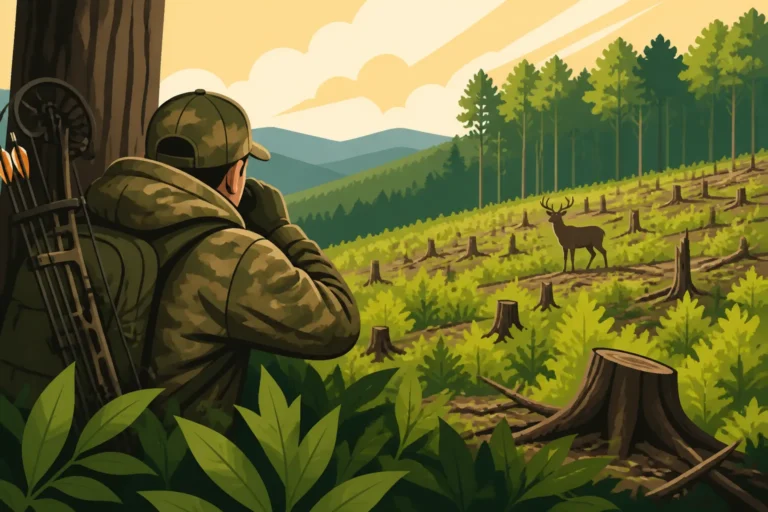
Cottontail rabbits are another cornerstone of West Virginia's small game scene, bringing a different kind of excitement to the field. These speedy little critters prefer thick, brushy cover – fencerows, old fields reverting to forest, briar patches, clear-cuts, and the edges of agricultural land. They rely on dense cover for protection from predators, and a good rabbit hunt often involves pushing through some truly gnarly stuff.
Hunting rabbits often involves beagles, and there's nothing quite like the music of a pack of hounds hot on a bunny's trail. The dogs will push the rabbit in circles, and the hunter's job is to position themselves strategically to intercept the rabbit as it attempts to loop back to its familiar cover. Even without dogs, still-hunting through prime rabbit habitat can yield results, though it requires more diligent flushing and quick reflexes. Our article on Rabbit Hunting West Virginia Fencerows delves into specific strategies for finding and flushing these elusive creatures in their favorite haunts.
Upland Birds: Grouse and Woodcock
For many, pursuing ruffed grouse and American woodcock represents the pinnacle of upland bird hunting in West Virginia. These birds are notoriously difficult to hunt, demanding physical stamina, keen eyesight, and often, the help of a good pointing dog. They also offer a unique challenge for shotgunners, as shots are almost always fast, close, and through thick cover.
Ruffed grouse are birds of the forest, preferring young, regenerating aspen stands, dense laurel thickets, mixed hardwoods, and areas with good understory. They are most prevalent in the higher elevations and more remote regions of the state, particularly within the Monongahela National Forest and other large public land tracts. The sound of a grouse flushing, often described as a "thunder wing," is enough to make any upland hunter's heart pound. For in-depth strategies on where to find them, check out our piece on Grouse Hunting Allegheny Highlands Cover.
Woodcock, often called "timberdoodles," are migratory birds that pass through West Virginia during their fall migration. They prefer moist, young woodlands, alder runs, and damp thickets near water sources, where they can probe the soft soil for earthworms. Their erratic, twittering flight makes for a challenging target, and finding them often depends on timing their migration just right. Our article on Woodcock Hunting West Virginia Alder Runs offers specific guidance on locating these unique birds during their stopovers.
Other Small Game and Furbearers
Beyond the mainstays, West Virginia offers opportunities for other small game. Ring-necked pheasants are stocked on some public lands, offering a put-and-take opportunity, while doves provide fast-paced action in September. Crow hunting seasons are also available, offering a challenging aerial target. Additionally, the state has seasons for various furbearers like raccoons, opossums, and foxes, which can be pursued through trapping or hunting, often at night with hounds. These species add further diversity to the small game hunter's calendar.
Key Regulations and Season Dates
Navigating the rules and seasons for small game in West Virginia can sometimes feel like deciphering ancient texts, especially with varying dates and specific county regulations. But don't worry, it's more straightforward than it appears. The West Virginia Division of Natural Resources (WVDNR) publishes a comprehensive hunting and trapping regulations summary each year, which is your ultimate go-to source. Always double-check the latest regulations before heading afield, as dates and rules can change.
General Season Structure and Bag Limits
Most small game seasons in West Virginia open in September or October and run well into winter, providing extensive opportunities. Squirrel season typically kicks off in early September, offering hunters a chance to get into the woods while the weather is still mild. Rabbit and grouse seasons usually follow in October, and run through February or even early March, allowing for plenty of cold-weather hunting. Woodcock season is shorter, timed to coincide with their fall migration, often in October and November.
Bag limits vary by species. For example, gray and fox squirrels usually have a daily bag limit of six, with a possession limit of twelve. Rabbits often have a similar daily limit of four, with a possession limit of eight. Grouse typically have a daily limit of three, with a possession limit of six. Woodcock, being migratory, fall under federal guidelines, often with a daily bag limit of three and a possession limit of nine. It's crucial to understand both the daily bag limit (how many you can harvest in one day) and the possession limit (how many you can legally have on hand, including those at home). For a comprehensive overview, our article on Squirrel and Rabbit Season Rules and Grouse and Woodcock Season Rules will provide specifics.
Here’s a simplified overview of typical small game seasons and bag limits in West Virginia. Always consult the current WVDNR regulations for exact dates, changes, and specific county rules.
| Species | Typical Season Start (Approx.) | Typical Season End (Approx.) | Daily Bag Limit | Possession Limit | Notes |
|---|---|---|---|---|---|
| Gray/Fox Squirrels | Mid-September | End of January | 6 | 12 | Split season possible. |
| Cottontail Rabbit | Mid-October | End of February | 4 | 8 | |
| Ruffed Grouse | Mid-October | End of February | 3 | 6 | Highly dependent on habitat. |
| American Woodcock | Mid-October | Mid-November | 3 | 9 | Migratory, season dates can shift. |
| Quail | Mid-November | End of December | 4 | 8 | Limited range, often stocked. |
| Pheasant | Mid-November | End of December | 2 | 4 | Stocked on specific WMAs. |
| Raccoon | Mid-October | End of February | No Limit | No Limit | Also a furbearer. |
| Opossum | Mid-October | End of February | No Limit | No Limit |
License Requirements and Hunter Education
Before you even think about stepping into the woods, you'll need the proper West Virginia hunting licenses. For residents, this typically means a Class A (base hunting) or Class X (combined hunting/fishing) license, along with any necessary stamps for specific game types if applicable (though often not for general small game). Non-residents will need a non-resident hunting license.
If you were born after January 1, 1975, you're required to complete a hunter education course to purchase a license. This course covers firearm safety, wildlife identification, hunting ethics, and conservation principles. West Virginia also offers a mentored youth hunting program, allowing unlicensed youth (under 18) to hunt under the direct supervision of a licensed adult mentor, which is a fantastic way to introduce the next generation to the sport without immediate hunter education requirements. Always carry proof of your license and hunter education card while hunting.
Public Land Access and WMA Rules
West Virginia boasts an impressive amount of public hunting land, including the vast Monongahela National Forest and numerous Wildlife Management Areas (WMAs). These areas are often prime locations for small game. While general state hunting regulations apply, many WMAs have specific rules regarding things like vehicular access, camping, dog training, or even what type of blaze orange is required. It's vital to check the WVDNR website or specific WMA signs for any additional regulations before your hunt. Utilizing mapping tools, like those found on GoHunt, can be incredibly helpful for identifying public land boundaries and specific WMA regulations, ensuring you're always hunting legally and responsibly.
Essential Gear for Small Game Hunting
Just like any other outdoor pursuit, having the right gear can make all the difference between a frustrating day and a successful, enjoyable hunt. For small game in West Virginia, you don't necessarily need a ton of specialized equipment, but some key items will significantly improve your chances and comfort in the field.
Firearms and Ammunition Choices
The choice of firearm largely depends on the species you're pursuing and personal preference.
- Squirrels: A .22 caliber rimfire rifle is a classic and highly effective choice for squirrel hunting, especially when targeting them out of tall trees. It allows for precise headshots, preserving meat, and its quiet report is less disruptive. Consider a rifle with a scope for better accuracy at varying distances. A 12-gauge or 20-gauge shotgun with small shot (like 6s or 7.5s) can also be highly effective in dense canopy or for fast-moving squirrels on the ground.
- Rabbits: Shotguns are king for rabbits. A 12-gauge or 20-gauge with open chokes (like improved cylinder or modified) and shot sizes ranging from 6 to 7.5 are ideal for quick, close-range shots in thick cover. The spread of a shotgun is forgiving for fast-moving targets.
- Grouse and Woodcock: These upland birds demand quick handling and often result in very close shots. A lightweight 20-gauge or even a 28-gauge shotgun with open chokes (skeet, improved cylinder) and smaller shot sizes (7.5 or 8) is generally preferred. The ability to swing quickly and get on target is paramount. For more on selecting the right scattergun, you might find our guide on Upland Guns for Highlands Grouse Cover particularly insightful.
Always carry enough ammunition for your hunt, and consider the environmental impact of your choice. While lead shot is generally legal for upland game, familiarize yourself with any non-toxic shot requirements if you plan to hunt waterfowl or on specific WMAs that may have restrictions.
Clothing for Comfort and Safety
West Virginia weather can be notoriously unpredictable, especially during the long small game seasons that stretch from mild autumn into the depths of winter. Layering is your best friend.
-
Base Layers: Moisture-wicking synthetics or merino wool will help manage sweat and keep you dry, which is critical for staying warm in cold conditions.
-
Mid-Layers: Fleece or wool sweaters provide insulation.
-
Outer Layers: A durable, brush-resistant jacket and pants are essential, especially when busting through briar patches for rabbits or thick laurel for grouse. Look for materials that can withstand thorns and provide some water resistance.
-
Blaze Orange/Pink: For safety, West Virginia requires hunters to wear a minimum amount of blaze orange or blaze pink during specific seasons, especially during deer gun season when small game seasons often overlap. This typically includes wearing 400 square inches of solid blaze orange or pink, or a solid blaze orange or pink cap. Even when not required, it's always a good idea to wear some for visibility, especially on public lands where other hunters may be present.
-
Footwear: Comfortable, waterproof, and supportive boots are non-negotiable. You'll be doing a lot of walking, often on uneven, steep, and wet terrain. A good pair of broken-in hiking boots or dedicated hunting boots will save your feet and prevent blisters.
Navigation and Scouting Tools
Even if you know an area well, having reliable navigation tools is crucial, especially on vast public lands.
- GPS Unit or Smartphone App: A dedicated GPS unit or a robust hunting app on your smartphone (like GoHunt) is invaluable for marking your location, tracking your path, identifying property boundaries, and finding your way back to your vehicle. Many apps offer satellite imagery and topographic maps that are excellent for scouting. Just be sure to download maps for offline use, as cell service can be spotty in the mountains.
- Physical Map and Compass: Don't underestimate the value of a physical map and compass as a backup, especially in remote areas. Batteries die, screens crack – old-school navigation is a skill worth having.
- Binoculars: While not strictly essential for all small game, a good pair of 8x or 10x binoculars can be incredibly useful for spotting squirrels high in trees, identifying distant game, or scouting new areas from a ridge top.
Other Useful Accessories
- Game Vest or Bag: Essential for carrying your harvested game comfortably and keeping it cool. Many vests also have pockets for shells, water, and other necessities.
- Water Bottle or Hydration Pack: Stay hydrated, especially during long hunts or on warm early-season days.
- Snacks: Energy bars or other quick snacks can keep you fueled up.
- First-Aid Kit: A small kit with essentials for cuts, scrapes, and blisters is always a good idea, particularly when hunting in remote areas.
- Knife: A good sharp knife is useful for a variety of tasks, from opening packaging to field dressing small game.
Effective Tactics for Hunting Squirrels and Rabbits
Hunting squirrels and rabbits, while both considered small game, require distinct approaches. Understanding their unique behaviors and preferred habitats is key to a successful outing. While some gear might overlap, the "how-to" differs significantly.
Mastering the Art of Squirrel Hunting
Squirrel hunting is often about patience, stealth, and observation. These clever critters are highly attuned to their surroundings, and a noisy hunter will quickly send them scurrying into a den or pressing tight to the back side of a tree.
Still-Hunting and Stalking
This is perhaps the most common and effective method for solitary squirrel hunters. It involves moving very slowly and deliberately through prime squirrel habitat, pausing frequently to listen and scan the trees. Target areas with mature hardwoods that are actively dropping mast (acorns, hickory nuts, beechnuts). Early morning and late afternoon are usually the best times, as squirrels are most active then.
When still-hunting, take a few steps, then stop and look for movement. Pay attention to the canopy, but also the ground, where squirrels might be foraging. Use your binoculars to scan branches for tell-tale flicking tails or the outline of a squirrel against the sky. If you spot one that's unaware, try to stalk closer for a clean shot. If it sees you and barks or runs, often the best strategy is to sit down quietly for 10-15 minutes. Squirrels have short memories and will often reappear once they feel the danger has passed. Sometimes, they'll simply flatten themselves against a tree limb. If you lose sight of one, walk around the tree slowly, often it will move to keep the tree between itself and you, giving you a shot opportunity. For tips on navigating these key environments, consider our guide on Squirrel Hunting West Virginia Bottomland Hardwoods.
Sit-and-Wait Ambush
Another highly effective tactic, especially for less mobile hunters or those who prefer a more relaxed approach, is to find a good ambush point. Locate an area with high concentrations of mast trees (oaks, hickories) that show fresh cuttings on the ground. These "cuttings" are the husks and shells left behind after a squirrel eats a nut, indicating active feeding. Our article on Reading Cuttings Under an Oak offers more insight into this valuable scouting technique.
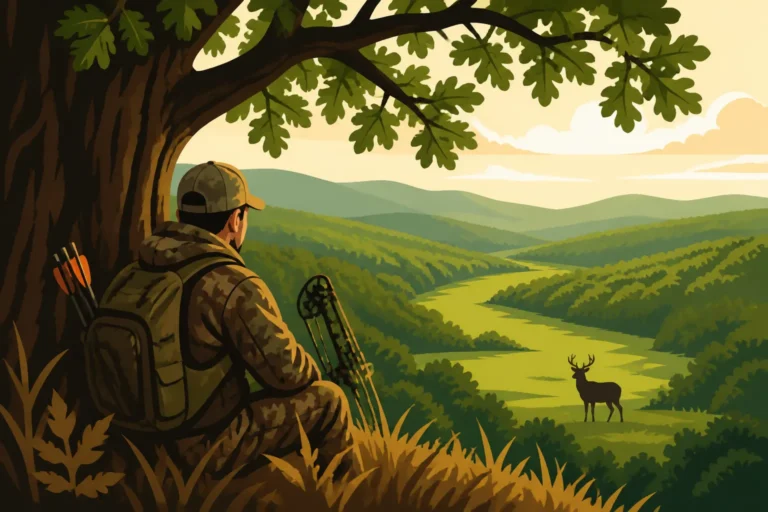
Once you find a promising spot, sit quietly with your back to a large tree, breaking up your outline. Use a comfortable cushion or seat. Remain as motionless as possible, scanning the surrounding trees and ground. Squirrels will often move into these active feeding zones throughout the day. This method is particularly good after the leaves have fallen, as visibility improves. If you're patient, you can often pick off multiple squirrels from a single location.
Rabbit Hunting Strategies
Rabbit hunting is a much more active pursuit, often involving busting brush and quick shooting. It’s also one of the most social forms of small game hunting, frequently done with a group and, ideally, with dogs.
Hunting with Beagles
This is arguably the most traditional and effective way to hunt cottontails in West Virginia. Beagles are born to trail rabbits, and their relentless pursuit often pushes rabbits in circles, allowing hunters to intercept them.
The strategy here is to spread out around likely rabbit cover (briar thickets, overgrown fields, fencerows) while the dogs work. When a dog strikes a trail, listen to the chase. Rabbits usually run in large circles within their home range. Position yourself where you expect the rabbit to cross, often near a clear path, an open spot, or where it might try to slip back into heavy cover. Be ready for a quick shot as the rabbit zips through the opening. Patience and quick reflexes are key. Running beagles for rabbits is a deeply ingrained tradition for many, and you can learn more about it in our article on Running Beagles on West Virginia Cottontails.
Brush Busting (Without Dogs)
Even without dogs, you can still find success hunting rabbits, though it requires more effort. This method involves walking through dense rabbit cover, actively trying to flush them out. Focus on thick briar patches, honeysuckle tangles, downed trees, and tall grasses.
Walk slowly but deliberately, pausing occasionally to try and surprise a rabbit that might be holding tight. Keep your shotgun ready and your finger off the trigger until you identify your target. Rabbits will often hold tight until you are almost on top of them before bursting out at high speed. It's a game of anticipation and quick, instinctual shooting. Having a hunting partner can be beneficial here, with one person pushing the cover and the other positioned to catch rabbits that try to slip out the other side. This method is particularly effective in areas with small, isolated patches of cover, where rabbits are less likely to have extensive escape routes.
Hunting Upland Birds: Grouse and Woodcock Strategies
Hunting ruffed grouse and American woodcock is often considered the pinnacle of small game hunting for many in West Virginia. These elusive birds demand dedication, physical stamina, and a keen understanding of their habitat preferences. The rewards, however, are immense: explosive flushes, challenging shots, and the undeniable thrill of pursuing truly wild game.
Decoding Ruffed Grouse Habitat and Behavior
Ruffed grouse are often referred to as "king of the uplands" for a reason. They are masters of camouflage and notorious for flushing at the most unexpected times, leaving hunters with a racing heart and often an empty shell casing. To consistently find grouse, you need to think like a grouse.
Locating Prime Grouse Cover
Grouse are not found just anywhere; they have very specific habitat needs. They thrive in young, regenerating forests – areas that have been recently logged (5-20 years ago), aspen stands, dense laurel and rhododendron thickets, and mixed hardwood forests with a diverse understory. These areas provide the dense cover grouse need for protection from predators, nesting, and brooding, as well as a rich food source of buds, catkins, and berries. In West Virginia, the higher elevations of the Allegheny Highlands and the vast tracts of the Monongahela National Forest are often prime grouse territory.
When scouting, look for diverse cover types, water sources, and areas with dense canopy closure mixed with openings. Logging roads and old skid trails can be excellent for walking, as grouse often feed along the edges. Don't be afraid to push into the thickest, nastiest cover you can find – that's often where the grouse are. The WVDNR's timber management plans for public lands can sometimes offer clues to recent cuts. Our comprehensive guide, Grouse Hunting Allegheny Highlands Cover, details the types of habitat that hold these birds.
Tactics for Flushing and Shooting
Hunting grouse without a dog is a test of endurance and woodsmanship. Walk slowly and deliberately through the cover, pausing frequently to listen for subtle sounds and to allow any grouse holding tight to get nervous enough to flush. Grouse often flush when you least expect it, sometimes from just a few feet away, other times from a distance. Be ready at all times.
When a grouse flushes, the key is to stay calm, shoulder your shotgun smoothly, and find the bird in the air before pulling the trigger. It’s almost always a quick, instinctual shot through a maze of trees. Focus on getting the bead on the bird and swinging through it. Many experienced grouse hunters advocate for a short-barreled, open-choked shotgun (20-gauge or 28-gauge are popular) for quick handling in dense cover. Hunting with a partner can also be effective, with one person "pushing" cover and the other walking parallel, ready for birds that flush to the side.
Pursuing the Elusive American Woodcock
Woodcock are unique migratory birds that offer a different kind of upland hunting challenge. They are smaller than grouse, with long bills perfectly adapted for probing soft soil for earthworms. Their erratic, twittering flight pattern can be disorienting, but they are a delight to hunt.
Identifying Woodcock Hotspots
Woodcock prefer moist, young woodlands, particularly alder runs, willow thickets, and damp areas along stream bottoms or swamp edges. They need soft, loamy soil for feeding. In West Virginia, look for these types of habitats, often on the fringes of larger forests or in river valleys. Their presence is seasonal, tied directly to their fall migration. You’re looking for areas that are not too wet to walk, but damp enough to harbor earthworms.
Scouting for woodcock often involves looking for "splashings" – their distinctive white, chalky droppings – on the forest floor, indicating that birds are actively feeding in the area. These are often found near small openings in the canopy or where the ground is consistently moist. Our guide on Woodcock Hunting West Virginia Alder Runs offers specific guidance on pinpointing these prime locations during their migratory window.
Hunting Strategies for Woodcock
Like grouse, woodcock are often hunted with dogs, particularly pointing breeds, who excel at locating these well-camouflaged birds. When a dog goes on point, approach cautiously, ready for the flush. Woodcock tend to sit very tight, often flushing vertically before leveling off into their characteristic zigzag flight.
Without a dog, hunting woodcock involves systematically walking through suitable cover, just like with grouse. Focus on those damp, brushy areas. Woodcock often hold very tight, so you might walk past several before one flushes. The key is to be prepared for that sudden, close flush and to react quickly. Because of their erratic flight, a more open choke (skeet or improved cylinder) and smaller shot (7.5 or 8) are generally recommended to maximize your chances of connecting. Early morning and late afternoon are often the most active times, as woodcock feed voraciously before roosting.
Finding Prime Small Game Habitat in West Virginia
One of the biggest hurdles for any hunter, especially when targeting small game, is simply figuring out where to go. West Virginia offers a vast amount of diverse terrain, but not all of it holds small game equally. Knowing how to read the landscape, whether it's public or private, is crucial for consistently finding success.
Public Land Opportunities
West Virginia is blessed with over a million acres of public hunting land, ranging from vast national forests to numerous Wildlife Management Areas (WMAs). These are often excellent places to find small game, but they also require a bit more effort in scouting and understanding specific access rules.
Monongahela National Forest and Other National Lands
The Monongahela National Forest (MNF) alone offers over 920,000 acres of prime hunting grounds, particularly for squirrels and grouse. Its diverse elevations and timber stands provide ample habitat. For grouse, focus on areas with recent timber cuts (check forest service maps for past logging operations) or mature, dense stands of laurel and rhododendron. For squirrels, seek out mature oak and hickory ridges and bottomlands. While you won't find significant numbers of rabbits in the deep woods of the MNF, they can be found on its fringes, particularly near old farmsteads or clear-cuts that are reverting to brush.
When hunting the MNF, prepare for rugged, steep terrain. Utilize topographical maps and satellite imagery (many hunting apps like GoHunt integrate this seamlessly) to identify ridges, hollows, and potential pinch points or funnels where game might travel. Be aware of Wilderness Areas within the MNF, where certain activities like motorized vehicles or even bicycles are restricted. You can learn more about general hunting strategies there in our Monongahela National Forest Hunting guide.
West Virginia Wildlife Management Areas (WMAs)
The state's numerous WMAs are specifically managed for wildlife habitat and public recreation, making them excellent choices for small game. Many WMAs incorporate a variety of habitats – old fields, thickets, mature timber, and riparian zones – which can hold a wider array of small game species. Some WMAs even stock pheasants, offering additional opportunities.
Before visiting a WMA, check the WVDNR website for specific regulations, access points, and any special restrictions. Some WMAs may have designated dog training areas, or rules regarding ATV use. Tools like the GoHunt platform can help you quickly locate WMAs, view their boundaries, and often link directly to their specific management plans or regulations, streamlining your scouting process. These areas are often more accessible than deep national forest land but can also experience higher hunting pressure, so finding ground others walk past might be key.
Securing Private Land Access
While public lands are a fantastic resource, don't overlook the potential of private land, especially for rabbits and squirrels. Farmers and landowners often welcome hunters who ask permission, especially if small game is causing minor damage or if they simply enjoy seeing their land utilized.
Asking Permission and Building Relationships
The most direct way to gain private land access is to simply knock on doors and ask. Be polite, well-dressed, and respectful. Have a clear idea of what you want to hunt and when. Offer to help with chores, share some of your harvest, or offer to watch for anything suspicious on their property. Building a good relationship with a landowner can open up consistent hunting opportunities for years to come. Many farmers appreciate hunters who offer to help control rabbit populations that might be impacting young crops or gardens.
Focus your efforts on farms with diverse habitats: unkempt fencerows, small woodlots, brushy creek bottoms, and overgrown pastures. These are rabbit and squirrel magnets. Always make sure you understand the landowner's specific rules (e.g., where not to hunt, specific times, safety zones around dwellings). In West Virginia, written permission is not legally required unless the land is posted, but it's always a good idea to have it in writing, or at least confirmed via text message, for clarity and peace of mind. Our guide on Getting Private Land Permission in West Virginia offers detailed advice on this crucial aspect.
Scouting Private and Public Lands
Whether you're on public or private ground, scouting is paramount. Before you ever step foot with a gun, walk the land.
- Look for Sign: For squirrels, fresh cuttings under nut trees are a dead giveaway. For rabbits, look for droppings, clipped vegetation, and well-used trails leading into thick cover. For grouse and woodcock, search for splashings, dusting bowls, and fresh tracks in damp areas.
- Identify Food Sources: Oak ridges, hickory bottoms, and beech groves are critical for squirrels. Overgrown fields with briars and honeysuckle provide food and cover for rabbits. Aspen stands and berry bushes are important for grouse.
- Locate Water: All game needs water, and finding nearby water sources can help concentrate animals, especially during dry spells.
- Analyze Cover: Understand how animals use different types of cover for bedding, feeding, and escape. Thick cover is key for rabbit and grouse, while squirrels prefer mature timber.
- Utilize Maps and Apps: As mentioned, digital mapping tools are incredibly powerful. Use them to identify potential hotspots, mark waypoints, and plan your routes. Look for changes in timber types, transitions from open fields to dense woods, and natural funnels. GoHunt offers excellent layering tools that can highlight public land boundaries, topo maps, and even timber harvest data in some areas, which can be invaluable for finding grouse cover. By leveraging these tools and doing your homework, you can significantly increase your odds of a successful small game hunt.
Processing and Enjoying Your Small Game Harvest
The hunt doesn't truly end until your game is properly processed and prepared for the table. Small game, especially squirrels and rabbits, offers some of the finest wild meat, full of flavor and incredibly versatile in the kitchen. Learning proper field care and processing techniques ensures you make the most of your harvest.
Field Dressing and Initial Care
Proper field care begins immediately after the shot. The goal is to cool the animal down as quickly as possible, especially on warmer days, to prevent spoilage.
Squirrels
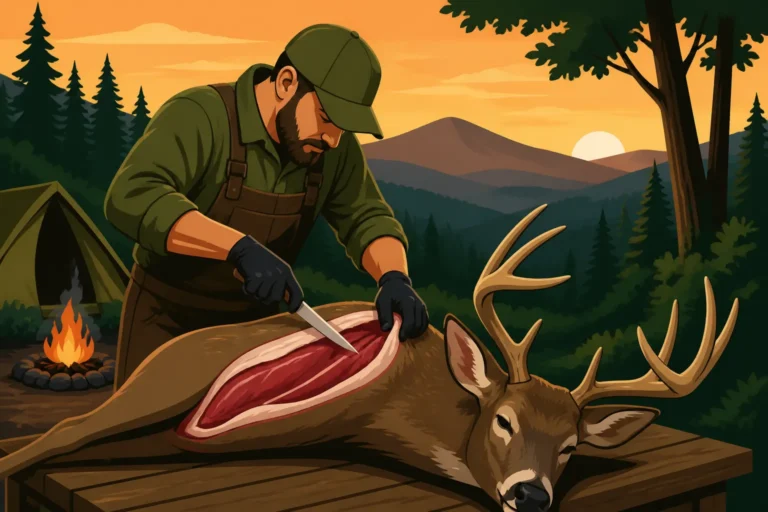
Squirrels are relatively easy to field dress. Many hunters prefer to skin and gut them right in the woods. There are several methods for skinning, but a common one involves making a small cut across the back, then stepping on the tail and pulling the hide over the body. Once skinned, make an incision from the chest to the pelvis, remove the entrails, and wipe out the cavity with a clean cloth or grass. If you're going to be out for a while, carry a small game bag or mesh bag to allow air circulation and keep the meat cool. On cool days, they can be kept whole and processed later, but it's always best to get the guts out quickly.
Rabbits
Rabbits are also quite simple to process. Similar to squirrels, many hunters opt to skin and gut them immediately. A common technique involves making a cut around the waist, grabbing the hide on both sides, and pulling firmly in opposite directions – the hide will typically peel off cleanly. Remove the entrails, paying attention to the bladder and colon. Again, cooling the carcass rapidly is crucial. If you're running hounds and plan to be out all day, consider carrying a small cooler with ice, especially if temperatures are mild, to keep your harvested rabbits fresh.
Upland Birds (Grouse, Woodcock, Quail, Pheasant)
Upland birds can be field dressed by either breasting them out (removing only the breast meat) or plucking them entirely. Breasting is quicker and less messy, often preferred in the field. Simply make an incision down the breastbone and peel the meat away. If you intend to pluck the bird, you'll want to remove the entrails quickly to prevent spoilage. Carry a sharp knife for processing, and a small game vest with a blood-proof pouch can help keep things clean and cool. For more about preparing wild game, including specific cooking methods, our article on Cooking a Wild Turkey Breast offers some excellent insights that can be adapted for grouse or pheasant.
Transport and Storage
Once field dressed, your game needs to be transported and stored properly.
- Cooling: On warm days, get your game on ice as soon as possible. A cooler with ice is your best friend. Even on cold days, preventing the meat from getting warm is important.
- Cleaning: Back at camp or home, give the meat a thorough rinse with cold water, removing any remaining hair, dirt, or blood. Pat it dry.
- Aging (Optional): Some hunters prefer to "age" their game for a day or two in a refrigerator, which can tenderize the meat. Place the cleaned carcasses or breasts on a rack in the fridge, uncovered, to allow air circulation.
- Packaging: For long-term storage, vacuum sealing is ideal as it prevents freezer burn. Otherwise, wrap the meat tightly in plastic wrap and then butcher paper or freezer bags, expelling as much air as possible. Label with the date and species. Properly packaged small game can last 6-12 months in a freezer.
Culinary Delights from Your Harvest
Small game offers incredible versatility in the kitchen. These aren't just survival foods; they're gourmet ingredients.
- Squirrel: Often described as tasting like a cross between chicken and rabbit, squirrel meat is lean and flavorful. It's excellent in stews, pot pies, braised dishes, or fried. A classic West Virginia preparation is "fried squirrel and gravy."
- Rabbit: Rabbit meat is also lean, mild, and takes well to a variety of preparations. It can be fried, roasted, stewed, or used in cacciatore. Many find it pairs wonderfully with rich, earthy flavors like mushrooms and red wine.
- Grouse: Grouse meat is dark, rich, and has a distinct wild flavor, often compared to pheasant or duck but with its own unique character. It's fantastic roasted whole, pan-seared, or used in classic French preparations like poulet chasseur (hunter's chicken).
- Woodcock: Woodcock are considered a delicacy by many. Their meat is dark and intensely flavored. They are often roasted whole, either rare or medium-rare, to fully appreciate their unique taste.
Embrace the flavors of your wild harvest. Experiment with different recipes, share your meals with friends and family, and celebrate the journey from the field to the plate. It's the ultimate culmination of a successful West Virginia small game hunt.
Disclaimer
Hunting is a demanding activity with inherent risks. Always prioritize safety, understand and follow all West Virginia hunting regulations, and respect wildlife and the environment. This guide is for informational purposes only and does not replace official regulations or professional instruction. The author and publisher are not responsible for any accidents, injuries, or legal infractions.