Why Southern Coalfields Was Chosen for Elk
There's nothing quite like the dream of a grand game animal returning to its ancestral lands, especially when that land is the rugged, beautiful terrain of West Virginia. For decades, the majestic elk was just a ghost in our mountains, a memory whispered by old-timers. Bringing them back was a monumental task, and a crucial decision was where to release them. This guide delves into the compelling reasons why the Southern Coalfields were ultimately chosen as the perfect new home for West Virginia's reintroduced elk herd, exploring the unique blend of habitat, logistics, and community support that made it all possible.
The Ghost of Elk Past: Understanding West Virginia's Historical Loss
It’s easy to forget, looking at our current landscape, that elk once roamed freely across much of West Virginia. They were a vital part of the ecosystem, magnificent creatures that shaped the forests and enriched the lives of those who shared the land with them. Their disappearance wasn't a gradual fade, but a stark reality born from westward expansion, unregulated hunting, and habitat destruction that plagued much of North America in the 18th and 19th centuries.
Elk's Original Range and Extirpation
Before European settlement truly took hold, elk were widespread throughout the Appalachian Mountains, including what is now West Virginia. Historical accounts and archaeological findings paint a picture of these impressive animals thriving in our diverse forests, utilizing both dense cover and open glades. However, as pioneers pushed westward, bringing agriculture and industry, the elk's fate was sealed. They were hunted for meat, hides, and antlers with little to no regulation, and their critical habitat was cleared for farms and towns. By the late 1800s, the last native elk had vanished from West Virginia. It was a silent loss, but one that left a noticeable void in the state's wildlife tapestry.
The Dream of Reintroduction
For generations, the idea of bringing elk back to West Virginia remained just that—a dream. But as conservation efforts gained momentum in the 20th century, and wildlife populations like our whitetail deer and black bear began to rebound, the dream of elk reintroduction started to seem achievable. The West Virginia Division of Natural Resources (WVDNR), along with countless conservationists and enthusiastic citizens, began to seriously explore the possibility. This wasn't just about restoring a species; it was about righting a historical wrong, enhancing biodiversity, and creating new opportunities for wildlife viewing and, eventually, hunting. The success of similar reintroductions in neighboring states like Kentucky only fueled the fire, demonstrating that with careful planning and dedicated effort, elk could indeed thrive once more in the Appalachian region. The initial groundwork for what would become West Virginia Elk Restoration Program Status was slowly but surely laid.
Why the Southern Coalfields Became the Chosen Land
When the serious discussions began about where to release elk in West Virginia, countless hours were spent analyzing maps, historical data, and ecological assessments. The state is a mosaic of different terrains and land uses, from the rugged Allegheny Highlands to the rolling Ohio River Valley. However, one region consistently rose to the top of the list for its sheer potential: the Southern Coalfields. This area, often associated with its industrial past, offered a unique combination of factors that made it the ideal candidate for a successful elk reintroduction.
Vast Landscapes and Low Population Density
One of the most critical considerations for any large animal reintroduction is space. Elk are big animals, and they need a lot of room to roam without constantly bumping into human development. The Southern Coalfields boast expansive, contiguous tracts of land, much of it formerly or currently owned by timber and coal companies. This created an ideal scenario: large blocks of habitat that could support a growing herd without immediate pressure from dense human populations. In contrast to more populated areas like the Eastern Panhandle, the lower human density in the southern counties meant reduced potential for human-elk conflict, such as vehicle collisions or crop damage. This vastness was a key ingredient in ensuring the elk could establish themselves and expand their range naturally, without facing constant disturbance or boundaries. Hunting the Southern Coalfields also often means navigating these large, remote tracts, which are perfect for elk.
Abundant Forage and Water Sources
Elk are grazers and browsers, meaning they need a steady supply of nutritious plants to sustain their massive bodies. The Southern Coalfields, particularly the areas impacted by surface mining and subsequent reclamation, offered an unexpected bounty. These landscapes, through the process of reforestation and natural succession, have developed a diverse mix of grasses, forbs, and young woody browse that is incredibly appealing to elk. Think clover, various legumes, and young saplings—all excellent food sources. Beyond the food, reliable water sources are paramount. The region is crisscrossed with small streams, springs, and impoundments that provide ample hydration for a growing elk population, even during drier periods. This combination of plentiful, high-quality forage and accessible water was a powerful argument for the Southern Coalfields as a prime elk habitat.
Strategic Isolation for Herd Health
Another often-overlooked but crucial factor in selecting the Southern Coalfields was its relative isolation from other established elk herds. While neighboring states like Kentucky have thriving elk populations, introducing new animals into an isolated area minimizes the risk of disease transmission between herds. When a population is first starting out, it's highly vulnerable to pathogens. By placing the initial West Virginia herd in a geographically distinct location, the WVDNR aimed to create a robust, healthy foundation free from potential cross-contamination with established herds. This careful planning was vital for the long-term success and genetic integrity of the new West Virginia elk. It allowed for meticulous monitoring of the herd's health and slower, controlled expansion. If you're planning on scouting these areas, even without a permit, tools like GoHunt can provide invaluable insights into topographical features and potential elk corridors, helping you understand the landscape as the elk do.
Reclaimed Mine Lands: A New Frontier for Elk Habitat
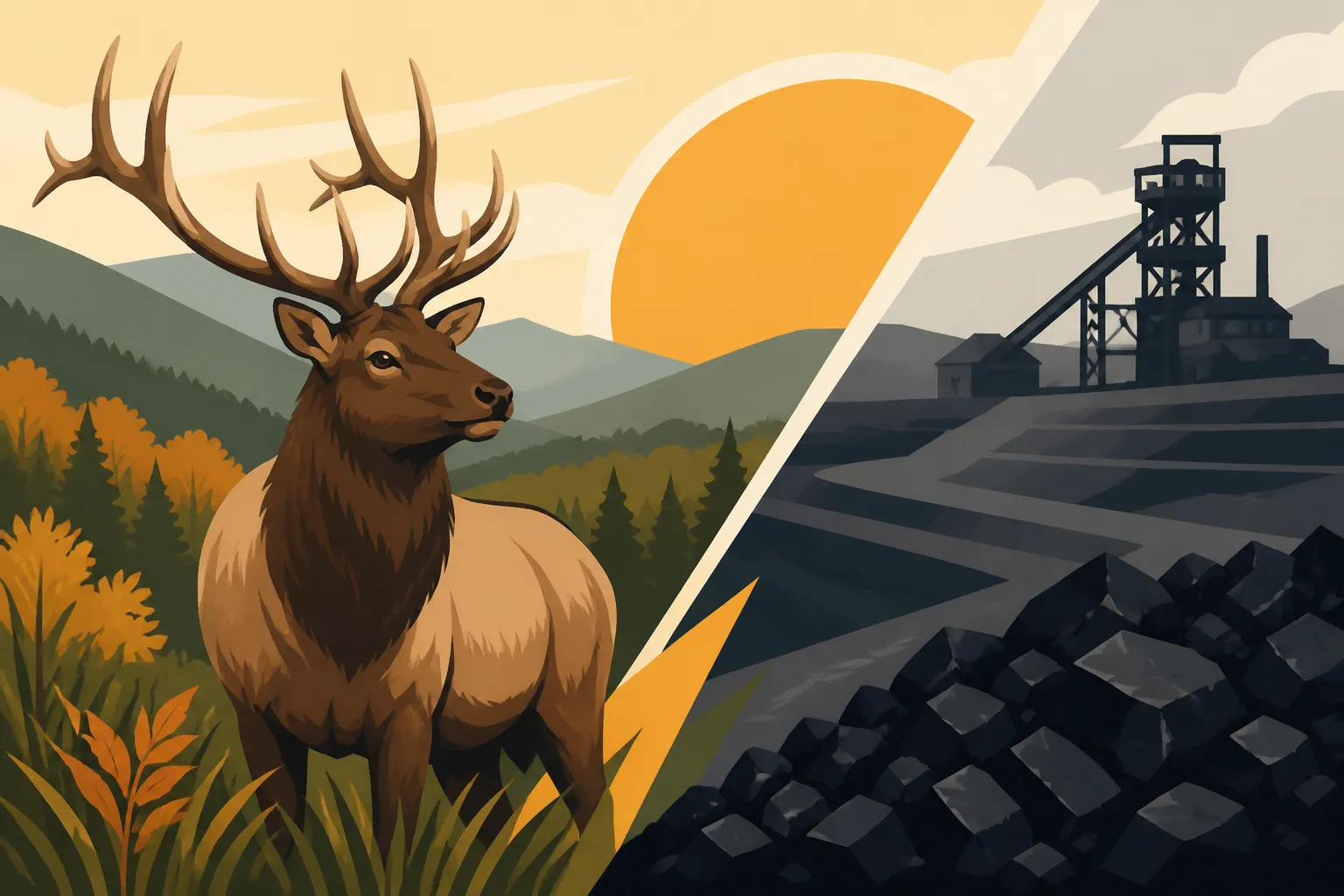
Perhaps the most unique and serendipitous reason for choosing the Southern Coalfields lies in its history of surface mining. While mining often conjures images of environmental degradation, the reclamation efforts that followed have inadvertently created some of the most ideal elk habitat found anywhere in the Appalachians. These lands, once scars on the landscape, have been transformed into fertile ground for a new chapter in West Virginia's wildlife story.
The Unique Ecological Niche of Reclaimed Sites
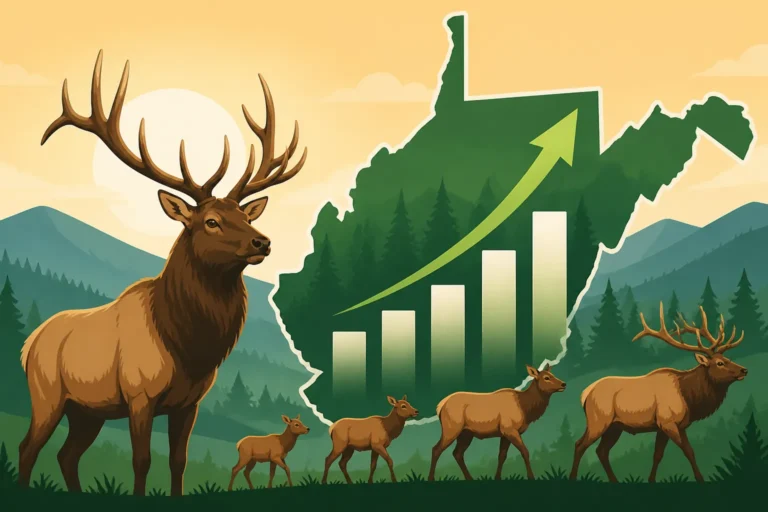
Reclaimed mine lands are far from uniform, but many share key characteristics that make them ecological havens for elk. After mining operations cease, the land is graded, soil is replaced, and native vegetation is planted. This process, often involving specific seed mixes, results in a mosaic of early successional habitats: open grasslands, dense shrub thickets, and young forest stands. These aren't the mature, closed-canopy forests that cover much of West Virginia, but rather dynamic, diverse landscapes rich in the exact types of forage elk prefer. The open areas allow for grazing, while the brushy patches provide crucial cover for bedding and calving. It’s a landscape that essentially mimics the natural clearings and edge habitats that elk would seek out, but on a much larger scale than typically found in heavily timbered areas. This unique niche is a primary driver behind West Virginia Elk Herd Growth Since Reintroduction.
How Surface Mining Left a Legacy of Elk Opportunities
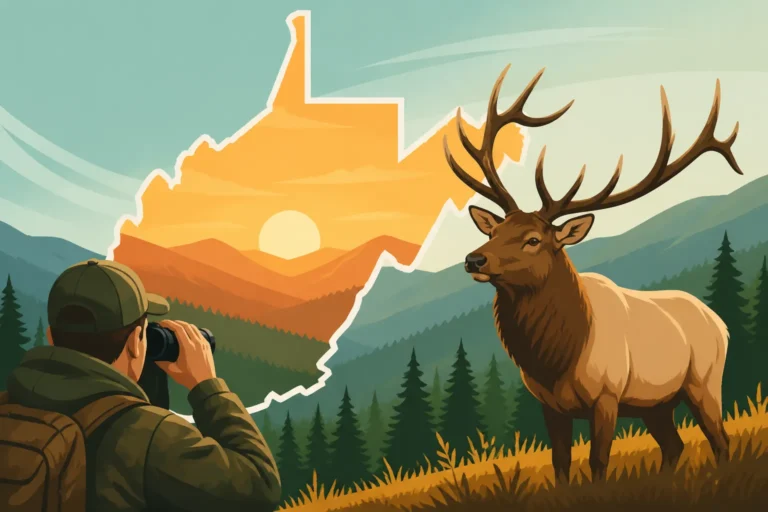
The scale of surface mining in the Southern Coalfields meant that vast areas were disturbed and then subsequently reclaimed. This large-scale disturbance, followed by carefully planned restoration, created enormous tracts of land perfectly suited for elk. Instead of small, isolated patches of suitable habitat, the reclaimed lands offer continuous expanses where elk can graze, move, and seek shelter without encountering significant barriers. It's a testament to how past industrial activity, when paired with thoughtful conservation and reclamation practices, can lead to unexpected ecological benefits. These areas provide the perfect blend of food-rich openings and secure cover, supporting the high metabolic demands of elk throughout the year. For those interested in seeing these majestic animals, Elk Viewing in West Virginia often highlights these very areas, especially around the Tomblin Wildlife Management Area, which is the heart of the reintroduction.
Here's a quick look at why these reclaimed lands are such a good fit:
| Characteristic of Reclaimed Land | Elk Benefit | Notes |
|---|---|---|
| Open Grasslands/Forbs | Excellent primary forage | High-nutrient grasses and legumes for grazing |
| Early Successional Forests | Browse, cover, thermal regulation | Young trees and shrubs provide secondary forage and hiding spots |
| Diverse Plant Species | Varied diet, mineral access | Supports overall health and allows for seasonal food shifts |
| Large, Contiguous Blocks | Ample roaming space, reduced human conflict | Minimizes stress, allows natural expansion of territories |
| Natural Water Sources | Essential hydration year-round | Streams and ponds are scattered throughout for easy access |
| Remote Access | Reduced hunting pressure, secure calving areas | Provides undisturbed areas crucial for herd establishment and growth |
Building a Future: Community Engagement and Economic Promise
Beyond the ecological suitability, the long-term success of any reintroduction program hinges on human factors. Without community buy-in and a clear vision for the future, even the best habitat can fall short. The Southern Coalfields presented a unique opportunity to blend conservation with economic development, creating a powerful incentive for local support.
Local Buy-In and Conservation Partnerships
The communities in the Southern Coalfields, particularly those that have experienced economic shifts due to changes in the coal industry, embraced the idea of elk with remarkable enthusiasm. They saw the potential for more than just wildlife; they envisioned new opportunities for tourism, outdoor recreation, and a renewed sense of pride in their natural heritage. The WVDNR didn't embark on this journey alone. They forged strong partnerships with local landowners, businesses, conservation groups like the Rocky Mountain Elk Foundation, and even state and federal agencies. This collaborative spirit has been fundamental to the program's success, ensuring that the elk aren't just surviving, but truly thriving. Many of these partnerships involve ongoing habitat improvement projects, making the land even more welcoming for the growing herd. When planning to visit or explore the areas where the elk roam, checking resources like GoHunt can help you identify public access points and land boundaries, ensuring you're recreating responsibly.
The Economic Impact of a Growing Elk Herd
The return of elk isn't just a win for wildlife; it's a significant boost for the local economy. The presence of elk creates a new draw for eco-tourism, bringing wildlife watchers, photographers, and eventually, hunters to the region. This translates into increased business for local hotels, restaurants, gas stations, and outdoor gear shops. The WVDNR carefully manages the elk population, and as the herd continues to grow and expand, there will be increasing opportunities for Getting a Tomblin WMA Elk Zone Permit through a controlled hunting season. This future hunting revenue, alongside direct tourism dollars, will provide sustainable funding for ongoing elk management and other conservation initiatives. Already, visitors come to see When West Virginia Elk Bugle in the fall, or simply to take advantage of Where to Watch Elk Without a Tag. The overall outlook is one where the elk, once a lost species, are now contributing to both the ecological and economic vitality of the Southern Coalfields, proving that thoughtful conservation can truly pay dividends for both nature and people.
Disclaimer
This article is for general informational purposes only and does not constitute professional advice. Laws, prices and regulations vary by location and change over time. Consult a qualified professional for guidance on your specific situation.