West Virginia Resident Canada Goose Population
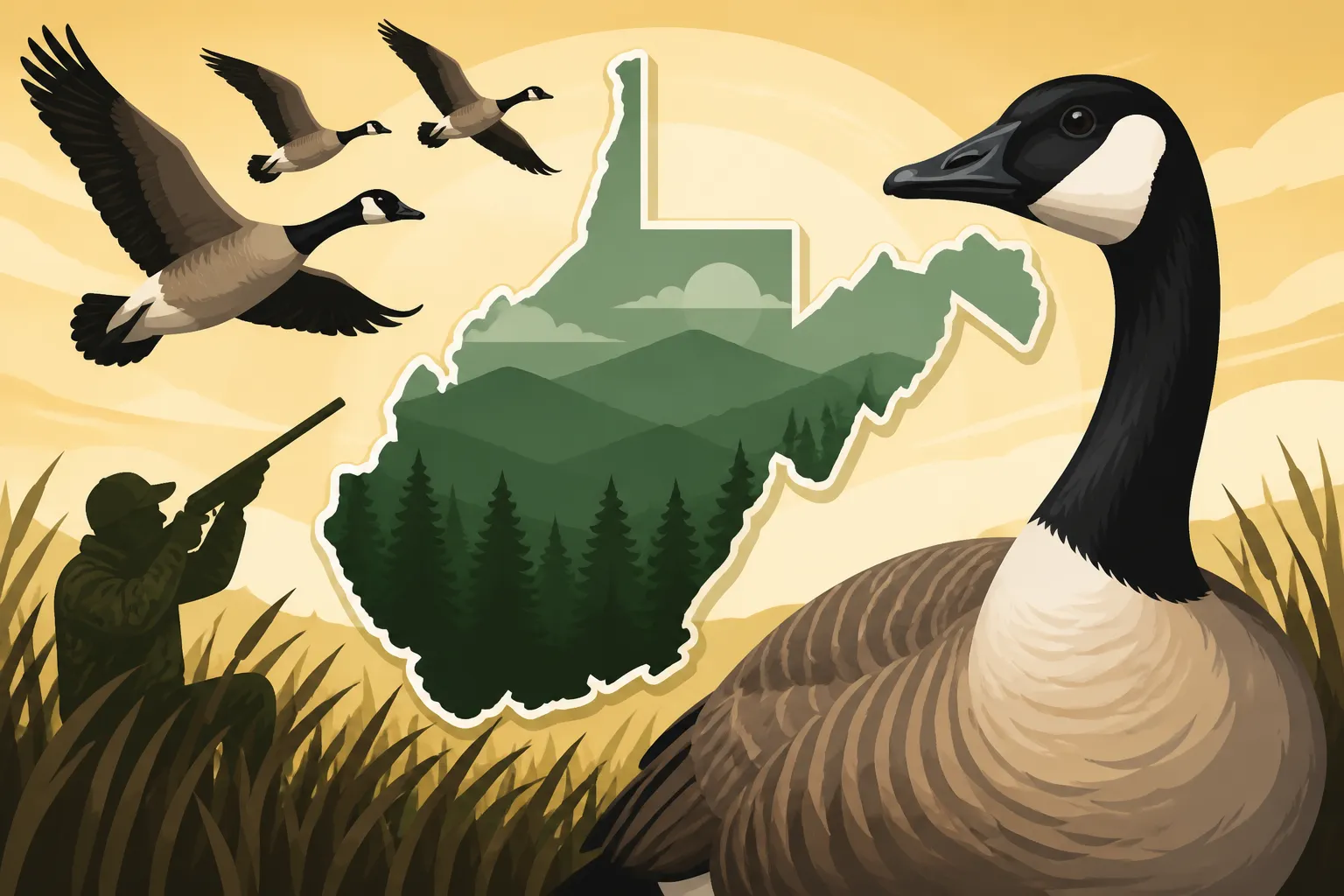
Living in West Virginia, you've probably noticed that Canada geese aren't just a seasonal visitor anymore. They're everywhere, from our meticulously manicured parks and golf courses to quiet farm ponds and even bustling industrial complexes. While their honking call used to signal changing seasons, now it's often a year-round soundtrack, and this resident population presents a unique set of challenges and opportunities for hunters and landowners alike. This guide will dive deep into understanding these abundant birds, how their numbers got to where they are, and how you can effectively manage and hunt them in the Mountain State.
Understanding West Virginia's Resident Canada Goose Population
When we talk about "resident" Canada geese in West Virginia, we're not just referring to the vast flocks that pass through during the spring and fall migrations. These are the geese that have decided to make West Virginia their permanent home, nesting, raising their young, and often spending their entire lives within our state's borders. They've adapted incredibly well to human-altered landscapes, and their presence impacts everything from lawn care to agricultural practices and, of course, hunting seasons.
What Defines a "Resident" Goose?
It’s easy to think all Canada geese are the same, but there’s a real ecological distinction between migratory populations and our burgeoning resident flocks. Migratory geese typically breed in the far northern reaches of Canada and Alaska, then undertake epic journeys south to winter in warmer climates, often along the Atlantic Flyway, which West Virginia is a part of. These are the geese you see V-formations of high in the sky, driven by instinct and the seasons.
Resident geese, on the other hand, are largely descendants of captive-reared birds that were released decades ago as part of restoration efforts, or they are offspring of migratory geese that simply decided to stop migrating and stayed put. They've found everything they need right here: plentiful food, water, and relatively safe nesting sites. This means they're not just passing through; they're setting up shop in your local park, on your neighbor's farm pond, or along the banks of the Kanawha River. They typically don't migrate far, if at all, often just moving between local water bodies as food sources or safety dictate. This sedentary lifestyle makes them a distinct population with unique management considerations.
Historical Context and Population Growth
Believe it or not, Canada geese weren't always so common in West Virginia. By the early 20th century, market hunting and habitat loss had severely depleted goose populations across much of their historic range. Efforts to restore these magnificent birds began mid-century, often involving releasing pen-reared geese into suitable habitats. These released birds, having no migratory tradition, started breeding locally, and their descendants continued the trend.
West Virginia, with its abundant water sources, green spaces, and agricultural lands, proved to be an ideal environment for these resident flocks to thrive. Their populations exploded, leading to what many now consider overpopulation in certain areas. This rapid growth has created significant challenges. Farmers grapple with crop damage, particularly in counties with extensive agriculture in the Eastern Panhandle, and homeowners associations often struggle with excessive droppings and aggressive behavior from nesting birds. While the sight of a goose family might be charming, thousands of geese can quickly become a nuisance, highlighting the need for careful management.
Current Population Estimates and Distribution
Pinpointing an exact number for West Virginia's resident Canada goose population is a moving target, but wildlife agencies dedicate significant resources to tracking these birds through banding and aerial surveys. What we do know is that their numbers are substantial and continue to be robust. You'll find them widely distributed across the state, but certain areas have much higher concentrations than others.
Areas with a mix of water, manicured lawns, and agricultural fields are hotspots. Think of the Ohio River Valley bottomlands, the farmlands of the Eastern Panhandle, and even urban and suburban areas around Charleston, Huntington, and Morgantown. Large ponds, slow-moving rivers, reservoirs, and public parks provide ideal nesting and brooding habitat. They've learned to coexist, and often thrive, alongside human activity, which makes them highly visible and sometimes problematic residents. Their adaptability is truly remarkable, but it also means hunters need to adjust their strategies to pursue these locally-focused birds, especially compared to the more wary migratory flocks.
Factors Influencing Goose Population Dynamics
Understanding why resident Canada geese are so successful in West Virginia involves looking at several key factors. These birds are incredibly adaptable, and their ability to exploit human-modified environments plays a huge role in their thriving populations.
Habitat Preferences and Nesting Success
Resident Canada geese aren't picky when it comes to habitat, as long as it offers the trifecta of food, water, and safety. This is why you see them in such diverse locations. Golf courses are practically goose resorts, offering lush, short grass to graze on, numerous water features for refuge and nesting, and often minimal predation pressure. Corporate parks with retention ponds, suburban developments with community lakes, and even industrial sites with secluded water bodies provide perfect real estate.
Nesting success for these birds is often incredibly high. They're known for their fierce protectiveness of their nests, which are typically large mounds of vegetation lined with down, built close to water. Unlike their migratory cousins who face long, perilous journeys and harsh northern conditions, West Virginia's resident geese enjoy milder climates and often more stable food supplies, leading to better gosling survival rates. The lack of significant natural predators for adult geese in many of these developed areas also contributes to their high survival and reproductive success. It's a testament to their resilience, but also a challenge for those tasked with managing their numbers.
Food Sources and Agricultural Impact
Resident Canada geese are primarily grazers. They love tender, young grasses, which are abundant in parks, lawns, and pastures. This diet is a major reason they flock to golf courses and well-maintained green spaces. However, their voracious appetites extend to agricultural crops, creating significant conflicts with farmers. Fields of winter wheat, corn, and soybeans can be devastated by large flocks of geese, especially during vulnerable growth stages. A flock can descend on a newly planted field and essentially 'mow' it down, causing substantial economic losses.
This agricultural impact often means that landowners are eager for solutions to reduce goose numbers. For hunters, this can translate into unique opportunities, as securing permission to hunt on private agricultural land can be easier when geese are causing damage. It's a win-win: farmers get relief, and hunters get access to prime goose hunting territory. Understanding these food preferences and patterns is crucial for scouting and setting up successful hunts, whether you're targeting them on a farm or a less-pressured public land field. When you're using a tool like GoHunt, look for those agricultural layers that indicate potential food sources near water.
Predation and Disease Considerations
While goslings can fall prey to various opportunistic predators like foxes, coyotes, raccoons, and even large raptors, adult resident Canada geese in West Virginia face relatively few natural threats. Their large size, aggressive demeanor, and tendency to inhabit areas with human presence often deter predators. This reduced predation pressure on adults is another key factor in their population growth.
Disease, however, can occasionally impact goose populations, though widespread outbreaks are less common than with some other waterfowl. Avian botulism, avian cholera, and even avian influenza can occur, particularly in crowded conditions or during periods of environmental stress. Wildlife agencies monitor these situations closely, but for the most part, resident geese in West Virginia enjoy a relatively healthy existence, further contributing to their robust numbers. This low mortality rate from natural causes means that regulated hunting seasons become an even more critical tool for population management.
Management Strategies for Resident Geese in West Virginia
Managing such a successful and prolific species requires a multi-faceted approach. It's not just about hunting, though that's a vital component. It involves everything from habitat modification to direct population control measures.
WVDNR's Role in Population Control
The West Virginia Division of Natural Resources (WVDNR) plays a pivotal role in monitoring and managing the state's resident Canada goose population. Their biologists conduct surveys, perform banding operations (which helps track movement, survival, and harvest rates), and, most importantly, establish hunting regulations. West Virginia Goose Season Dates are carefully set to provide ample hunting opportunities while ensuring sustainable populations.
Hunting seasons, especially the early resident goose season, are specifically designed to target these locally breeding birds before the major migratory flocks arrive. This focused effort is one of the most effective tools for controlling population growth and mitigating the issues associated with overabundance, such as crop damage and public health concerns from droppings. The WVDNR also provides guidance and permits for landowners experiencing significant nuisance goose problems, understanding that a thriving population needs to be balanced with human interests. They also factor in data on Canada Geese on West Virginia Farmland to ensure that management efforts address landowner concerns.
Nuisance Goose Management
For areas where hunting isn't feasible or practical, such as urban parks, corporate campuses, or private residential communities, nuisance goose management strategies become crucial. These methods aim to deter geese without harming them, or, in extreme cases, involve lethal removal under specific permits.
Common non-lethal techniques include:
- Hazing: Using trained dogs, loud noises, or pyrotechnics to scare geese away from specific areas. Consistency is key for this to be effective.
- Exclusion: Fencing off sensitive areas, like newly planted gardens or specific sections of a golf course, to prevent geese from entering.
- Habitat Modification: Making areas less attractive to geese by allowing grass to grow taller (geese prefer short grass for grazing and predator visibility), planting deterrent vegetation, or eliminating open water access.
- Egg Addling/Oiling: Under federal permits, eggs can be treated to prevent hatching, which helps reduce reproductive success without directly harming adult birds. This is often done by trained professionals or permitted individuals.
For severe problems, particularly when public health or safety is at risk, the U.S. Fish and Wildlife Service, in cooperation with the WVDNR, may issue permits for lethal removal. However, this is always a last resort after other methods have been exhausted.
Habitat Modification for Deterrence
One of the most proactive ways to manage resident goose populations, especially in specific problem areas, is through habitat modification. Instead of reacting to existing problems, this approach aims to make an area less appealing to geese in the first place.
Consider areas like retention ponds in housing developments or corporate parks. Often, these have gently sloping banks with short, manicured grass leading right to the water's edge – a goose paradise! By letting the grass grow tall (2-3 feet) along the shoreline for a buffer zone, geese feel less secure. Taller vegetation obscures their view of predators and makes it harder for goslings to navigate. Planting native shrubs or dense vegetation along the banks further reduces their preferred easy access to and from the water.
Another tactic involves installing overhead lines or wires across smaller ponds. Geese prefer open airspace for landing and taking off, and these deterrents can make them feel uncomfortable and less likely to settle. Removing readily available food sources, such as discouraging public feeding, is also a significant long-term strategy. By consciously altering the landscape, we can gently persuade these persistent birds to seek more suitable (and less problematic) homes elsewhere.
Hunting Opportunities and Regulations for Resident Canada Geese
For many, hunting is the most direct and effective way to manage West Virginia's robust resident Canada goose population. The state offers distinct seasons tailored to these local birds, providing ample opportunity for hunters to get out in the field.
Early September Goose Season
This is probably the most anticipated season for targeting resident Canada geese in West Virginia. The early September goose season typically opens before the main waterfowl season, specifically to allow hunters to focus on the local birds before the big migratory flocks arrive from the north. This is a fantastic opportunity because resident geese, while still wary, haven't faced the same hunting pressure as their migratory counterparts later in the fall.
Hunting during this early season often means warmer weather, which can be a double-edged sword. While comfortable for hunters, it also means meticulous game care is essential. You'll want to get your harvested geese on ice quickly. Tactics for this season usually involve scouting fields where geese are actively feeding, like cut corn fields, harvested wheat fields, or even large pastures. Setting up a spread of decoys, using calls, and having proper concealment are crucial for success. You can find detailed regulations, bag limits, and specific season dates on the WVDNR website. Keep an eye on the details for West Virginia Goose Season Dates each year, as they can shift slightly.
General Waterfowl Seasons and Goose Hunting
Beyond the early September hunt, resident Canada geese are also fair game during the regular duck and goose seasons, which typically run from October through January, often in splits. While these seasons see the arrival of migratory birds, many resident geese remain in their familiar haunts, especially in areas with consistent food and water.
Hunting resident geese during the general waterfowl seasons can be a different challenge. They've likely seen more pressure by this point, and you'll be competing with or sharing the skies with other waterfowl species. Strategies might adapt to incorporate duck hunting setups, especially if you're targeting mixed bags on larger rivers or impoundments. Decoy spreads might be larger, and calls need to be varied. Pay close attention to the specific zone dates, as West Virginia divides the state into different waterfowl zones with varying season structures. Using reliable mapping apps like GoHunt can help you understand public and private land boundaries, which is crucial for finding good hunting spots. Remember to review West Virginia Duck Season Dates as well, if you're planning a mixed-bag hunt.
Finding Prime Resident Goose Hunting Spots
Locating the best spots for resident Canada geese largely comes down to scouting and understanding their habits. They need three things: food, water, and security.
- Agriculture Fields: Look for cut grain fields (corn, wheat, soybeans) where geese are known to feed. Farmers who have problems with geese can be your best friends here. Don't be afraid to Knocking on Doors in Eastern Panhandle Farm Country to ask for permission. Many landowners are happy to have hunters help reduce their goose problems. Areas in the Ohio River Valley bottomland or the Eastern Panhandle, where agriculture is prevalent, are excellent starting points. Hunting a Standing Soybean Field or working a green field planted for deer (which geese will also happily graze) can be incredibly productive.
- Large Water Bodies: Reservoirs, large lakes, and wider sections of rivers like the Ohio, Kanawha, and Potomac can hold large resident flocks. Look for loafing areas where they rest during the day. Accessing these areas often requires a boat and suitable waders. Waders for River Bottom Hunting are essential.
- Public Land WMAs: Many West Virginia Wildlife Management Areas (WMAs) have ponds, impoundments, or river access that attract resident geese. Always check the specific WMA rules, as some may have restrictions on access or hunting methods. You may need a West Virginia WMA Permit Requirement. Tools like GoHunt can help you identify these public areas and navigate them effectively, showing you land ownership and potential access points.
- Scouting is Key: Spend time driving rural roads or observing from a distance. Geese are creatures of habit. They'll often use the same fields to feed and the same water bodies to roost. Watch where they fly to and from, and identify their patterns. Early morning or late evening observations are often the most telling. Setting up a good Decoy Spreads for Ohio River Divers or a comfortable Layout Blinds and River Boats setup will make all the difference.
Resident Canada geese offer fantastic hunting opportunities in West Virginia, often right in our backyard. By understanding their behaviors, habitat preferences, and the specific regulations designed to manage them, you can have some truly memorable hunts.
West Virginia Resident Canada Goose Hunting Seasons and General Information
Here's a quick overview of some key aspects related to resident Canada goose hunting in West Virginia. Always consult the current WVDNR regulations for precise dates, bag limits, and specific rules for the season you plan to hunt.
| Feature | Early Resident Canada Goose Season (Sept.) | General Waterfowl Seasons (Oct.-Jan.) |
|---|---|---|
| Primary Target | Locally breeding, non-migratory geese | Migratory and resident geese |
| Season Length | Shorter, usually about two weeks | Longer, often split into multiple segments |
| Weather Conditions | Typically warmer, early fall | Varied, from mild to cold winter conditions |
| Hunting Pressure | Generally lower, pre-migratory influx | Potentially higher, mixed bag hunters |
| Typical Bag Limit | Often more liberal | Generally more conservative |
| Prime Locations | Agricultural fields, suburban ponds, parks | Larger rivers, impoundments, ag fields |
| Decoy Spreads | Can be effective with smaller spreads | Often benefit from larger, more varied spreads |
| Game Care Considerations | Crucial due to warmer temperatures | Important, but less urgent than Sept. |
| Hunter Focus | Dedicated goose hunting | Often combined with duck hunting efforts |
Disclaimer
This article is for general informational purposes only and does not constitute professional advice. Laws, prices and regulations vary by location and change over time. Consult a qualified professional for guidance on your specific situation.