Where West Virginia Bobcats Are Rebounding
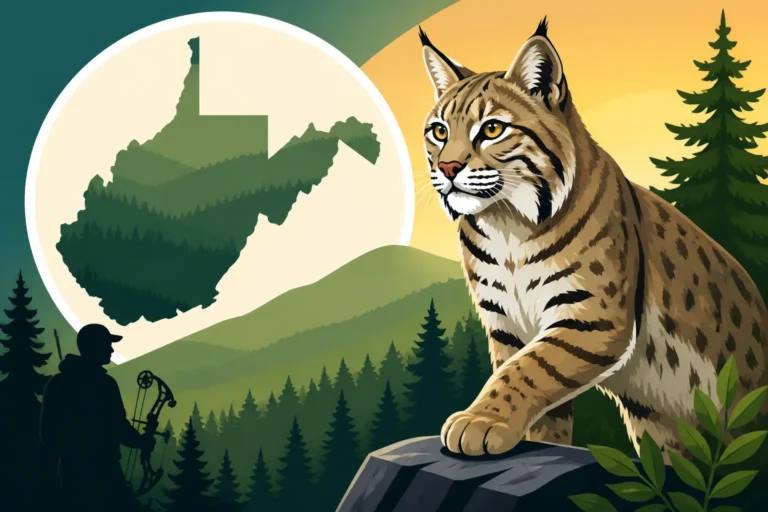
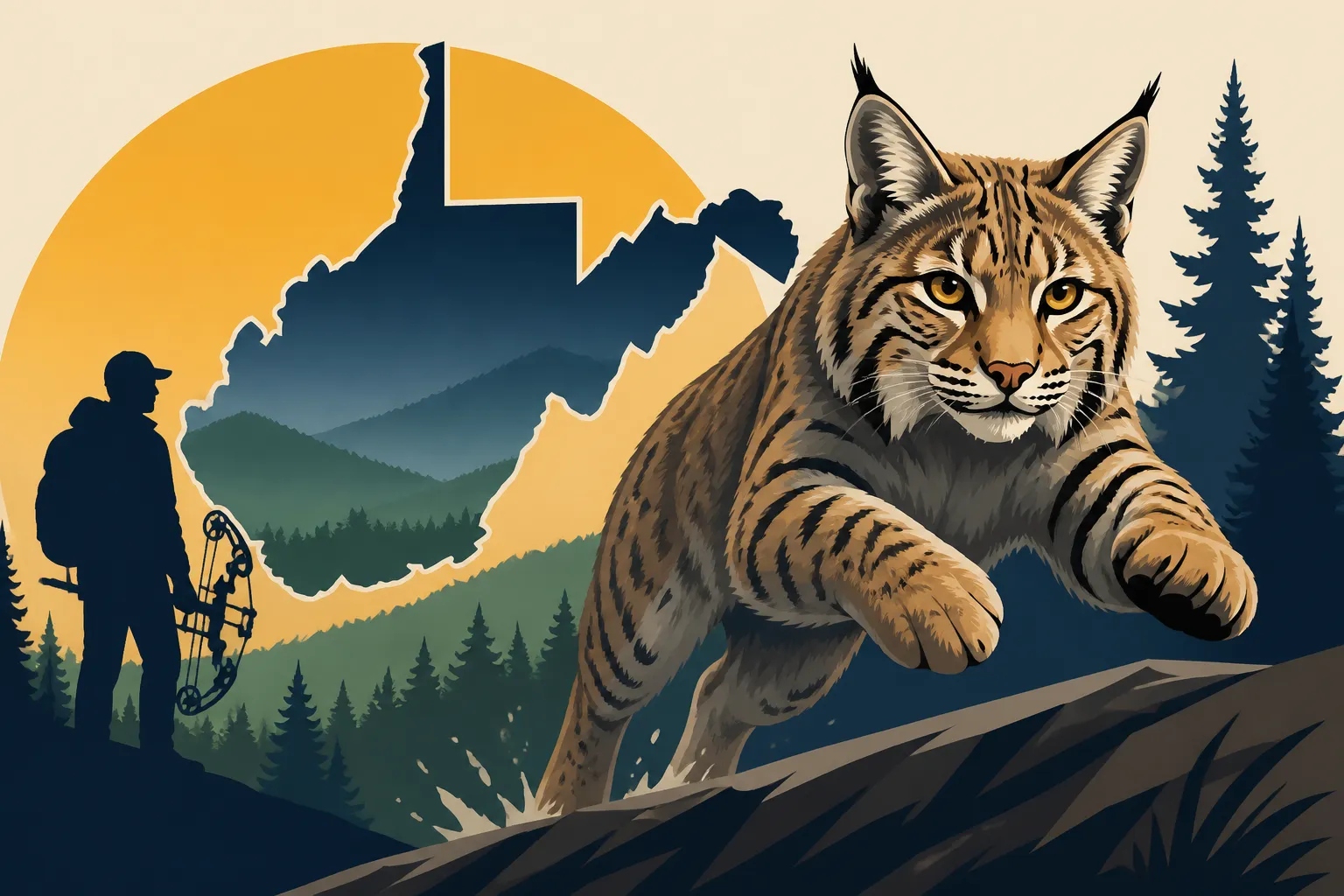
There’s something truly special about the wildness that still thrives in West Virginia, and few creatures embody that spirit quite like the bobcat. For a long time, these elusive felines were a rare sight, almost mythical, but if you’ve been spending time in the woods lately, you might have felt a change in the air. This guide will walk you through the exciting comeback of West Virginia's bobcats, highlighting the specific regions where these beautiful predators are not just surviving, but truly flourishing once again, and how you can learn to appreciate their presence.
The Quiet Comeback: Understanding West Virginia's Bobcat Resurgence
For generations, hearing about a bobcat sighting in West Virginia was like hearing a tall tale from an old-timer. They were always "out there," but rarely seen, and their numbers were definitely nothing like they once were. It felt like a piece of our wild heritage was slowly fading away, and it was a real shame for those of us who cherish the deep woods and all its creatures. But things have changed, and for the better. The bobcat, our native wild cat, has been making a quiet but significant comeback across the state, a testament to resilient wildlife and evolving conservation strategies.
Historical Context and Decline
Rewind several decades, and the bobcat's story in West Virginia was a challenging one. Back then, they were often viewed with suspicion, sometimes even as pests, leading to unregulated hunting and trapping. Coupled with significant habitat alteration and a lack of scientific understanding about their populations, their numbers dwindled considerably. Our forests were still vast, sure, but the intricate balance these predators maintained was disrupted. Many of us grew up only ever seeing them in photos, never dreaming we'd get to experience the thrill of finding a fresh track or, if we were incredibly lucky, catching a glimpse of their tawny, tuft-eared form melting into the underbrush. It was a disheartening reality for anyone who loved the wild heart of West Virginia.
Conservation Efforts and Natural Recovery Factors
Thankfully, the tide began to turn. A more enlightened approach to wildlife management, including regulated seasons and bag limits for trapping, played a crucial role. This wasn't about stopping hunting or trapping, but about doing it responsibly, ensuring a healthy population could thrive. Beyond human intervention, bobcats are incredibly adaptable creatures. They can live in various habitats, from dense forests to more fragmented woodlands, as long as there's enough food and cover. As habitat matured in some areas, and others, like reclaimed mining lands, began to offer new opportunities, bobcats started to find their footing again. Their natural resilience, combined with a greater appreciation for their ecological role, truly fueled their recovery. It’s a slow process, but it’s a powerful one, and it shows what happens when nature is given a chance to heal and humans learn to manage resources wisely. If you're curious about the broader picture of their population, you might find more general information in West Virginia's Recovering Bobcat Population.
Prime Habitat: Identifying Key Rebounding Regions
So, where exactly are these secretive cats making their biggest splash? It’s not just one spot; it’s a mosaic of different landscapes across the state, each offering something unique that suits the bobcat's lifestyle. Knowing these areas can greatly increase your chances of finding evidence of their presence or even spotting one. It’s all about understanding what makes a particular piece of ground attractive to them, whether you're out Scouting West Virginia Public Land Before Season or just enjoying a quiet hike.
The Mountainous East: Allegheny and Potomac Highlands
When we talk about wild, rugged country, the eastern mountains immediately come to mind, and for good reason. Areas like the vast expanses of the Monongahela National Forest, particularly around Spruce Knob, the Cranberry Wilderness, and the Dolly Sods region, are becoming strongholds for bobcats. These aren't easy places to hunt or even hike, with their steep Allegheny ridges, dense stands of hemlock, and rhododendron thickets that feel impenetrable. But that's exactly why bobcats love them. The cover is exceptional, offering perfect ambush points and denning sites. More importantly, these areas are teeming with prey. Think about the incredible populations of squirrels, rabbits, and ruffed grouse that call these mountains home – a perfect buffet for a bobcat. You can learn more about finding game in this rugged terrain in Hunting Steep Allegheny Ridges.
These remote, less-traveled areas provide the solitude and lack of human disturbance that bobcats crave. While deer populations might be slightly lower in some of the highest elevations compared to the Eastern Panhandle, the sheer density of small game and the occasional fawn or injured deer provide ample sustenance. The mixed hardwood and conifer forests also offer a mosaic of different successional stages, from mature timber to small clear-cuts and natural openings, which create excellent hunting grounds. If you spend time Monongahela National Forest Hunting, keep an eye out for signs.
The Western and Southern Counties: River Valleys and Reclaimed Lands
Don't let the eastern mountains get all the glory, though. Bobcats are also quietly thriving in other surprising parts of West Virginia. Head west, and the Ohio River Valley bottomlands, with their mix of agricultural fields, mature timber, and brushy creek drainages, provide excellent habitat. Here, bobcats find an abundance of cottontail rabbits, mice, voles, and even waterfowl, especially where cover meets open areas. The riparian zones along rivers and larger creeks offer natural travel corridors and dense cover. Hunting Ohio River Valley Bottomland can be challenging but rewarding for those who learn the local terrain.
Even more fascinating is their rebound in parts of the Southern Coalfields. Once scarred by mining, many of these reclaimed lands have been reforested and allowed to revert to wild, brushy habitats. These areas, often adjacent to remaining forest blocks, offer a surprising amount of cover, fragmented woodlands, and a good prey base of rodents and rabbits. The edges where old mine benches meet new growth or where thick brush lines former haul roads are perfect bobcat territory. These landscapes might look different from the classic mountain wilderness, but they provide the essential elements a bobcat needs to survive and reproduce.
Signs of Life: How to Spot Bobcat Activity
Bobcats are notoriously shy and masters of camouflage, which makes actually seeing one a truly memorable experience. But just because you don't see one doesn't mean they aren't there. Learning to read the signs they leave behind is like understanding a secret language of the woods, and it can tell you a lot about where they're active. Many hunters already pay attention to Reading West Virginia Mud for Fresh Deer Movement, and these same tracking skills apply to bobcats. Using tools like GoHunt's mapping features can also help you identify areas with dense cover and good access points that fit the bobcat's preferred habitat.
Tracks, Scats, and Marking
Finding bobcat tracks is probably the most common way to confirm their presence. They have a distinct, compact track, usually about 1.5 to 2.5 inches long, showing four toes with no claw marks (unlike a dog). The heel pad is typically three-lobed, and you'll often see symmetrical prints rather than the more scattered, splayed look of a domestic dog. Look for them in soft mud along creek beds, sandy trails, or even fresh snow.
Their scat (feces) can also be a tell-tale sign, though it’s harder to distinguish definitively from other predators. Bobcat scat is typically segmented, tubular, and often contains hair, bone fragments, or feathers from their prey. They often try to bury their scat like domestic cats, but sometimes they'll leave it exposed on logs or rocks to mark territory. Keep an eye out for "scratch posts" – logs or trees where they've left claw marks, usually in areas they frequent. These signs are often concentrated where prime hunting grounds for small game like Squirrel and Small Game Hunting in West Virginia overlap with dense cover.
Prey Abundance and Habitat Edges
Bobcats are opportunists, but their diet primarily consists of smaller animals. Where you find a healthy population of rabbits, squirrels, grouse, and other small mammals, you're likely in bobcat country. Think about areas with a lot of thick, brushy cover – laurel thickets, multiflora rose patches, overgrown clear-cuts, and the edges of agricultural fields that transition into woods. These are all places where small game thrives, and where a bobcat can easily stalk and ambush its prey.
Look for areas where different habitat types meet: the edge of a mature timber stand adjacent to a dense sapling regrowth, the border of a marshy area next to upland forest, or a fencerow choked with brush separating two fields. These "edge habitats" are incredibly productive for both prey species and the predators that hunt them. Understanding how different species interact within these habitats, including other predators, is crucial. For instance, knowing the West Virginia Coyote Range and Density helps differentiate between different predator activity.
Contributing to the Future: Respecting and Observing Bobcats
The return of the bobcat is a success story for West Virginia, and as outdoors enthusiasts, we all have a role to play in ensuring their continued prosperity. Whether you're a hunter, a hiker, or just someone who appreciates wild spaces, your actions can make a difference. The more we learn about and respect these animals, the better we can coexist.
Ethical Practices for Hunters and Trappers
For hunters and trappers, ethical practices are paramount. This means strictly adhering to all state regulations regarding bobcat hunting and trapping seasons, bag limits, and reporting requirements. Responsible management ensures that populations remain healthy and sustainable for future generations. If you’re a trapper, learning modern, humane trapping techniques is vital, and checking your traps frequently is a must. For those hunting other game, an unexpected bobcat encounter should be treated with respect, allowing these animals to continue their vital role in our ecosystem. The goal isn't just to harvest, but to maintain a thriving, balanced wild world. Information on small game season rules, which often overlap with predator management, can be found in West Virginia Small Game Season Rules.
Camera Trapping and Citizen Science
One of the best ways to observe bobcats without disturbing them is through trail cameras. Setting up a camera along a game trail, a logging road, or at a natural pinch point can provide incredible insights into their movements and behaviors. Just remember to follow all Trail Camera Rules on West Virginia Public Land. You might capture images of a solitary bobcat patrolling its territory, or even a mother with her kittens.
Beyond personal enjoyment, these observations can be incredibly valuable for wildlife biologists. Reporting your sightings, especially those accompanied by photo or video evidence, can contribute to our understanding of bobcat distribution and population trends. West Virginia's wildlife agency often appreciates such citizen science contributions, as it helps them monitor elusive species like the bobcat. By being observant and sharing what you learn (within ethical bounds, of course), you become a part of their ongoing story in the Mountain State. Even if you're out Predator Calling West Virginia Ridgelines for coyotes, you might accidentally draw in a curious bobcat – a truly unforgettable experience.
| Region Type | Key Habitat Features | Primary Prey | Best Observation Methods |
|---|---|---|---|
| Allegheny/Potomac Highlands | Dense evergreen/hardwood forests, rugged terrain, steep ridges, laurel thickets | Rabbits, squirrels, grouse, mice, small deer | Trail cameras, tracking in snow/mud, quiet hiking |
| Ohio River Valley Bottoms | Mixed woods, agricultural edges, brushy creek bottoms, riparian zones | Rabbits, mice, voles, some waterfowl, squirrels | Trail cameras, tracking along waterways, fencerows |
| Southern Coalfields (Reclaimed) | Fragmented woodlands, dense brush, new growth, old mine benches | Rabbits, mice, voles, ground birds, small deer | Trail cameras, tracking on reclaimed roads/edges |
Disclaimer
This article is for general informational purposes only and does not constitute professional advice. Laws, prices and regulations vary by location and change over time. Consult a qualified professional for guidance on your specific situation.