EHD Die-Offs in West Virginia Deer
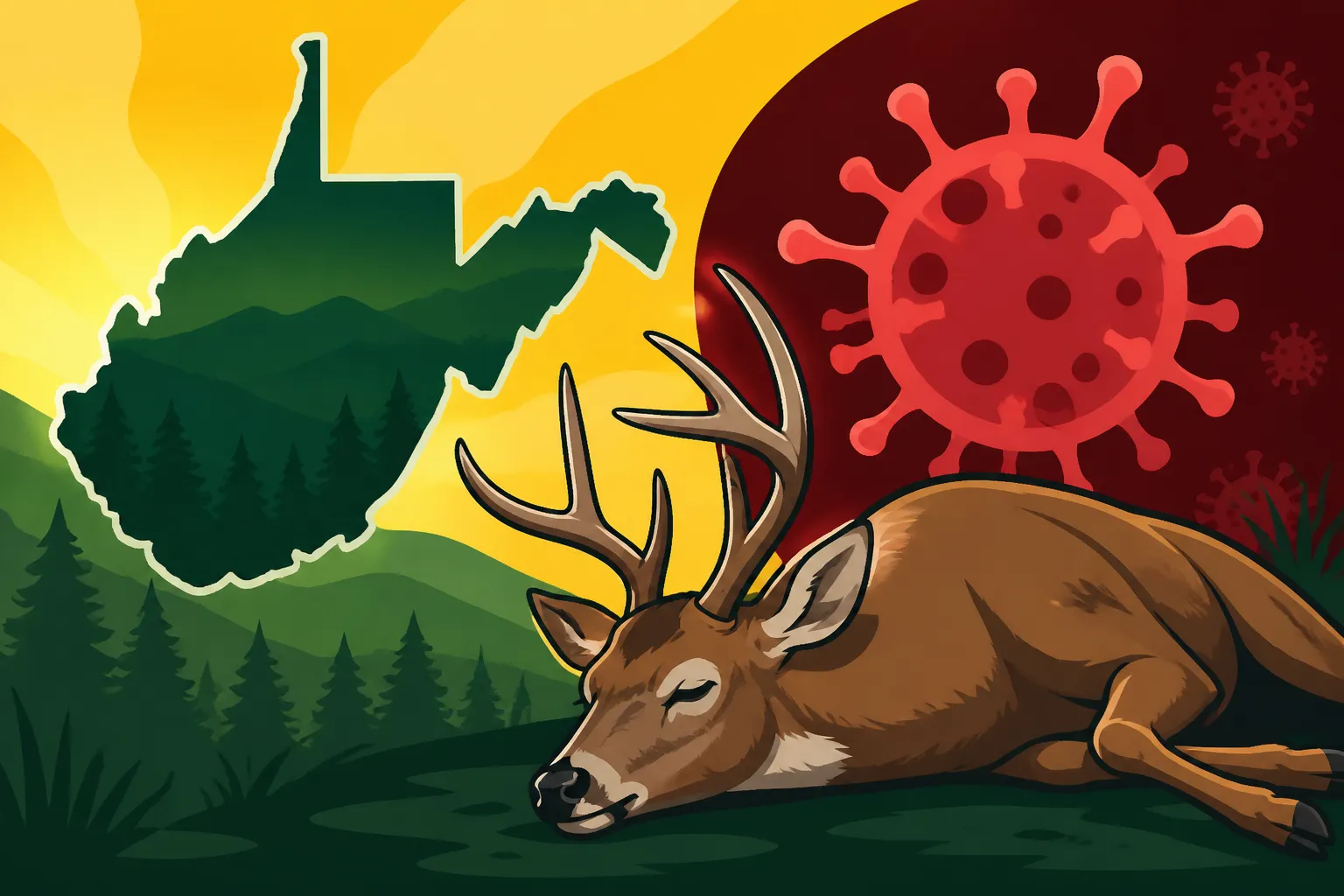
Finding a deer that has clearly suffered and passed away can be a gut-wrenching experience for any hunter, especially when there's no obvious sign of injury or predation. Often, these heartbreaking discoveries, particularly during the late summer and early fall in West Virginia, are the result of Epizootic Hemorrhagic Disease (EHD). This guide is here to shed light on what EHD is, how it impacts our beloved deer herds, and what you, as a concerned hunter, can understand and do.
Understanding Epizootic Hemorrhagic Disease (EHD) in West Virginia
EHD is one of those unwelcome realities of wildlife management, a natural occurrence that can sometimes feel anything but natural when you encounter its devastating effects. It's something that crops up periodically in our state, leaving hunters and wildlife enthusiasts alike with questions and often, heavy hearts.
What Exactly Is EHD and How Does It Spread?
Epizootic Hemorrhagic Disease is a viral infection that primarily affects white-tailed deer, and it’s a global concern for deer populations, not just here in the Mountain State. The culprit behind EHD is a tiny, biting insect often called a "no-see-um" or, more scientifically, a midge from the Culicoides genus. These aren't your typical mosquitoes; they're much smaller, but their impact can be profound.
Here's how it works: an infected midge bites a deer, transmitting the EHD virus. The virus then replicates within the deer's bloodstream, causing widespread damage to blood vessels. This damage leads to internal bleeding, fluid leakage, and swelling throughout the deer's body. Deer that contract EHD can develop a high fever, become lethargic, and experience significant internal distress. Some deer may only show mild symptoms and recover, often developing immunity. Others, particularly those without prior exposure or in areas with high midge populations, can succumb to the disease quickly, often within a week or two of infection. It’s important to remember that EHD is a deer-specific virus; it doesn't pose a threat to humans, domestic pets, or other livestock, so your venison is safe if the deer was healthy when harvested.
The Seasonal Nature of EHD Outbreaks
EHD isn't a year-round threat; it's a disease with a distinct seasonal pattern, closely tied to the life cycle of the biting midge that transmits it. Outbreaks typically flare up in late summer and early fall here in West Virginia, usually from August through October. Why then? Because that's when the midge populations are at their peak. These tiny insects thrive in warm, humid conditions, and they breed in muddy, shallow water sources – think drying pond edges, stagnant creek beds, or low-lying, damp areas.
Drought conditions can actually exacerbate an EHD outbreak. As water sources shrink, deer tend to congregate around the remaining ponds and streams, increasing their exposure to the midges, which are also concentrated in these shrinking habitats. It’s a sad cycle where the very conditions that make deer seek water also put them at greater risk. The good news, if there is any, is that EHD outbreaks are naturally limited by the first hard frost. Once temperatures drop consistently and we get those colder nights, the midges die off, effectively halting the spread of the virus. This means by late fall, the threat of new EHD infections largely passes until the following summer.
The Visible Impact of EHD on West Virginia's Deer Herd
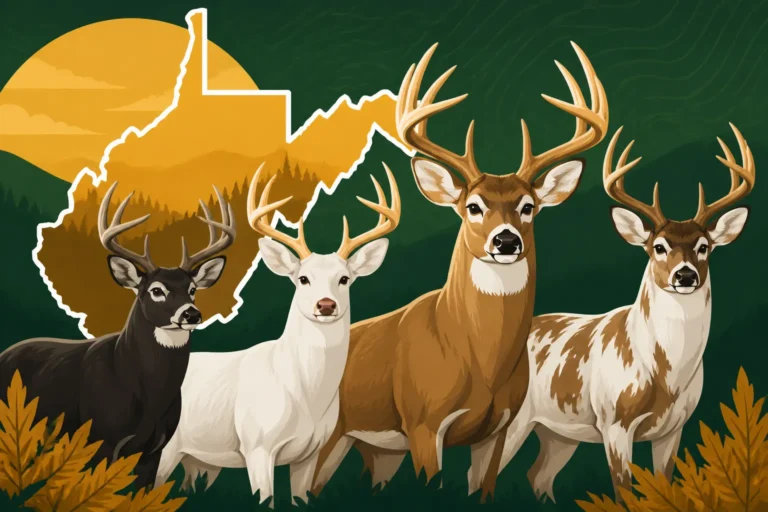
When EHD hits a localized area, the signs can be quite distressing. It’s a stark reminder of the challenges our White-Tailed Deer Across West Virginia face, even without hunter pressure. Knowing what to look for can help you understand the situation in your hunting area.
Recognizing the Signs of an EHD Outbreak
If EHD is active in an area, you might start seeing some tell-tale signs. Deer suffering from the disease often exhibit a range of symptoms, from subtle changes in behavior to very obvious physical distress. One of the most common observations is that affected deer become lethargic and lose their fear of humans. You might see a deer standing alone, looking disoriented or weak, often near water. The high fever associated with EHD makes deer seek out water sources to cool down, so finding dead deer along stream banks, pond edges, or even in shallow puddles is a common indicator of an outbreak.
Other symptoms include noticeable swelling of the head, neck, tongue, and eyelids. Their tongues might appear blue or purple. You might also observe ulcers or lesions on the tongue, inside the mouth, or on the dental pad. As the disease progresses, deer can become lame due to internal hemorrhaging and sloughing of their hooves, making it difficult for them to move. If you encounter deer exhibiting these signs, it’s a strong indication that EHD is present. While some deer can recover from EHD, often those with milder infections, severe cases are typically fatal.
Documenting and Reporting Suspected Cases
As hunters, we're often the first to notice changes in wildlife populations or signs of disease in the field. Your observations are incredibly valuable to wildlife management agencies like the West Virginia Division of Natural Resources (WVDNR). If you suspect an EHD outbreak in your hunting area, reporting it is crucial. This information helps the WVDNR track the disease's spread, assess its impact on the West Virginia Deer Population Estimate, and understand which regions are being most affected.
When you find a sick or recently deceased deer that you suspect is an EHD victim, try to gather as much information as possible without disturbing the animal excessively. Note the exact location (GPS coordinates if you have them, or a detailed description), the date and time, and any visible symptoms or conditions of the deer. A picture, if possible and safe to take from a distance, can also be helpful. Then, contact your local WVDNR office or a conservation officer. They can advise you on the next steps, which may include sending a sample for testing or simply recording your observation. The WVDNR also has resources available on their website for Reporting a Sick Animal in West Virginia. Remember, it's generally best not to handle dead animals directly, especially if you're unsure of the cause of death.
Long-Term Implications and Management
The initial shock of an EHD outbreak can make you worry about the future of hunting in your favorite spots, but it's important to look at the bigger picture. Our West Virginia deer herd is incredibly resilient, and wildlife biologists have a deep understanding of these cycles.
How EHD Affects Deer Populations and Hunting Seasons
When a significant EHD die-off occurs in a localized area, it can definitely feel like the sky is falling. You might see a noticeable reduction in deer numbers, especially mature bucks, which often succumb to the disease at higher rates. This can lead to decreased hunting success in the short term, and it's understandably disheartening. However, it’s crucial to understand that EHD is a natural, cyclical event that has been impacting deer for a long time. Deer populations, particularly the robust White-Tailed Deer Across West Virginia herd, are remarkably good at bouncing back.
While local populations might experience a dip, the overall West Virginia Deer Population Estimate tends to stabilize over a few seasons. The reason for this resilience is often a combination of factors: reduced competition for resources among the surviving deer, which can lead to better health and reproduction, and often, an increase in fawn survival rates in the years following an outbreak. It's rare for the WVDNR to make drastic changes to West Virginia Deer Season Structure Explained or bag limits solely due to an EHD outbreak unless the impact is exceptionally widespread and severe across a broad region, rather than just isolated pockets. The WVDNR monitors these situations closely, relying on hunter reports and their own surveys, which include methods like How WVDNR Counts the West Virginia Deer Herd.
Coexisting with EHD: Hunter Responsibilities and Considerations
As hunters, our role in monitoring and managing the deer herd is continuous, even in the face of natural events like EHD. While the disease can cause a temporary localized setback, it doesn't mean you should abandon your hunting plans. EHD is not transmissible to humans, so there's no health risk in handling or consuming venison from a healthy-looking deer. The key is to exercise good judgment: never harvest a deer that appears sick or is acting abnormally. If you shoot a deer and upon field dressing, notice any lesions or abnormalities associated with EHD, it's best to contact the WVDNR for guidance. Most healthy deer that survive an EHD exposure develop immunity and can live long, productive lives.
Even after an EHD outbreak, continuing to hunt helps maintain a healthy deer population by preventing overpopulation, which can otherwise increase the spread of diseases. It also keeps you connected to the land and the wildlife. When you're out Scouting West Virginia Public Land Before Season or using tools like GoHunt, you might adjust your expectations for specific spots for a year or two following a severe outbreak. However, often you'll find other areas are unaffected or have already begun their recovery. Pay close attention to the Reading a West Virginia Harvest Report to understand population trends.
The table below summarizes key facts and actions regarding EHD in West Virginia:
| Aspect | Description | Hunter Action/Consideration |
|---|---|---|
| What it is | A viral disease affecting white-tailed deer, caused by a midge bite. | Understand it's specific to deer and not a threat to humans or pets. |
| Seasonality | Primarily late summer to early fall (Aug-Oct), ending with a hard frost. | Be most vigilant during this period, especially during drought conditions or after a prolonged warm spell. |
| Symptoms in Deer | Lethargy, disorientation, seeking water, swelling of head/neck/tongue, oral lesions, lameness, sloughing hooves. | Never harvest a deer displaying these symptoms. If found, report it to the WVDNR. |
| Impact on Herd | Can cause significant localized die-offs, especially in certain age classes. Overall West Virginia Deer Harvest Records may show fluctuations. | While localized populations may dip, the overall herd is resilient and typically recovers within a few years. Continue hunting to manage populations. |
| Reporting | Essential for WVDNR to track and understand outbreaks. | If you find a sick or deceased deer with EHD symptoms, note location/date and contact WVDNR immediately. See Reporting a Sick Animal in West Virginia. |
| Venison Safety | EHD is not transmissible to humans. Venison from healthy-looking deer is safe to consume. | Always inspect the deer during field dressing. If signs of severe disease are present, consult the WVDNR. |
| Recovery | Surviving deer develop immunity. Populations often rebound due to improved habitat carrying capacity for remaining deer. | Be patient. Continue to monitor your hunting areas. While you might find fewer deer initially, the land usually rebounds, especially when Hunting After a Poor Acorn Year might also impact deer movement. |
Disclaimer
This article is for general informational purposes only and does not constitute professional advice. Laws, prices and regulations vary by location and change over time. Consult a qualified professional for guidance on your specific situation.