Scouting West Virginia Public Land Before Season
Pre-season scouting on West Virginia public land reveals animal movement patterns, feeding locations, and low-pressure areas.
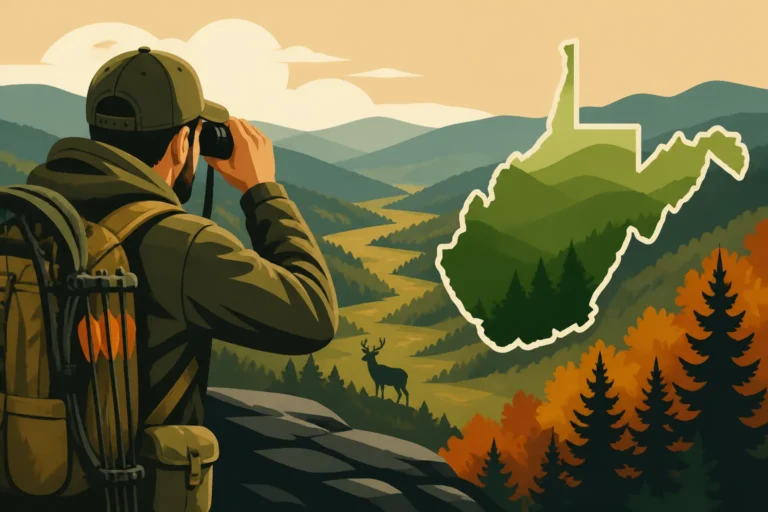
Pre-season scouting on West Virginia public land reveals animal movement patterns, feeding locations, and low-pressure areas.
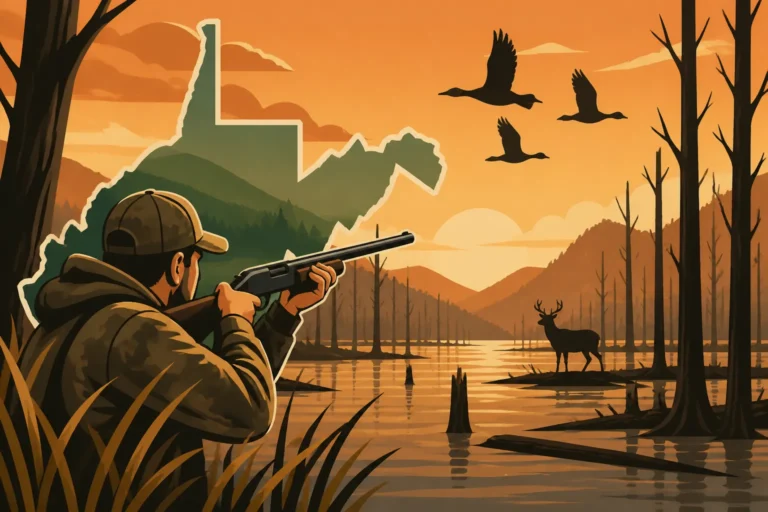
Hunting the Ohio River Valley bottomlands explains navigation of dense riverine cover, dynamic floodplains, agriculture, and wildlife habitats.

West Virginia Potomac Highlands public land hunting strategies explain navigation of rugged terrain and diverse habitats for game.
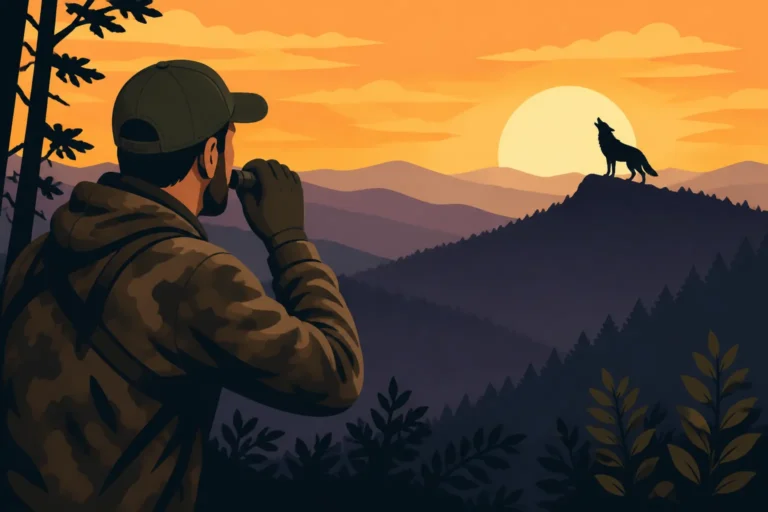
West Virginia ridgeline predator calling strategies help hunters locate elusive coyotes, foxes, bobcats, and black bears on mountain terrain.
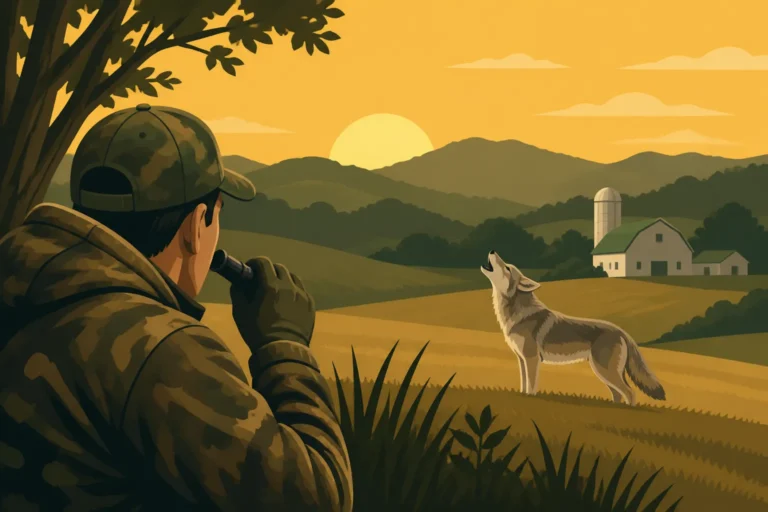
Coyote calling in West Virginia farm country provides strategies to locate, attract, and harvest predators in agricultural landscapes.
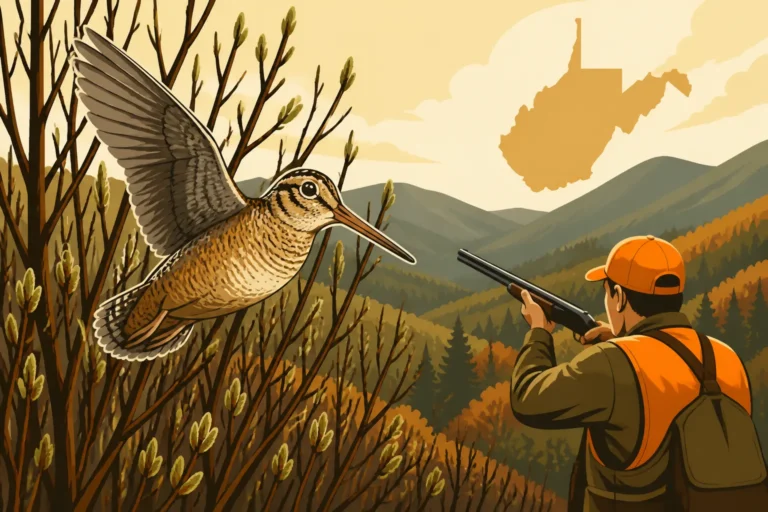
West Virginia alder runs provide habitat for American woodcock during their southern migration through the mountain state.
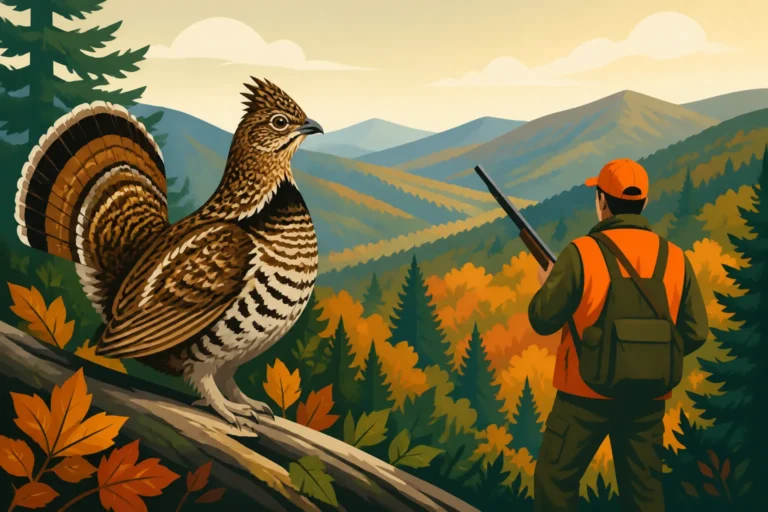
Grouse hunting tactics and habitat identification help hunters find ruffed grouse across rugged West Virginia mountain cover.
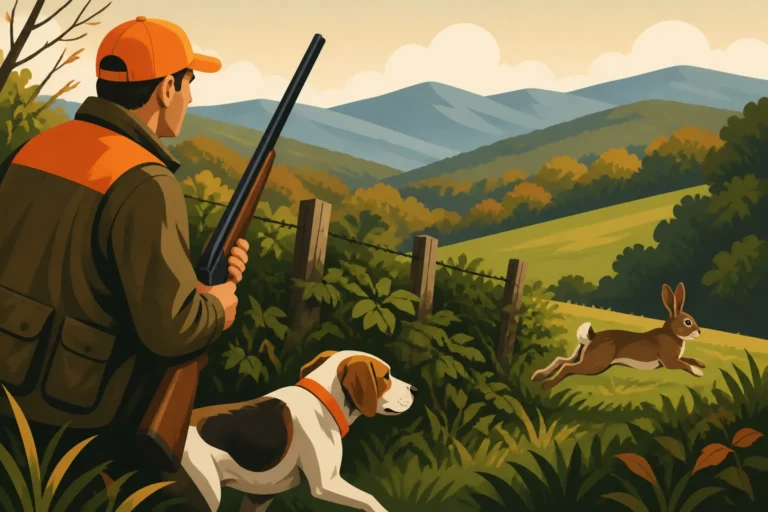
West Virginia fencerows six to ten feet wide provide cottontails with dense briars, abundant food sources, and safe travel corridors.
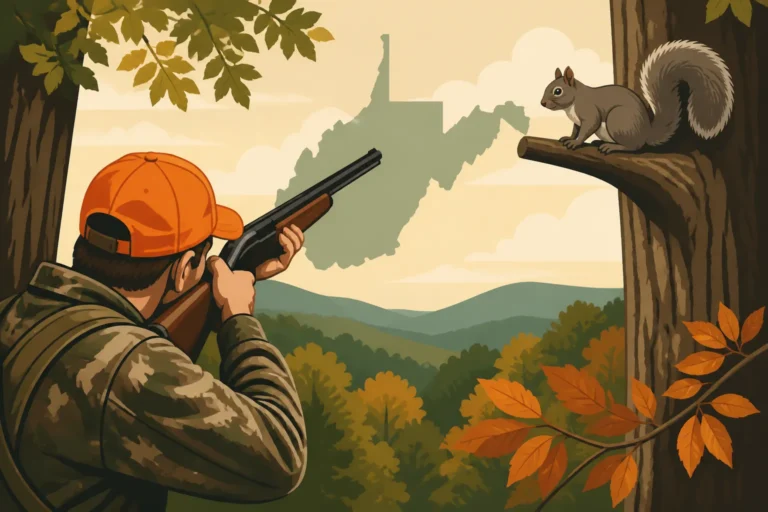
Squirrel hunting in West Virginia bottomland hardwoods requires navigating flooded terrain and locating mature mast trees.
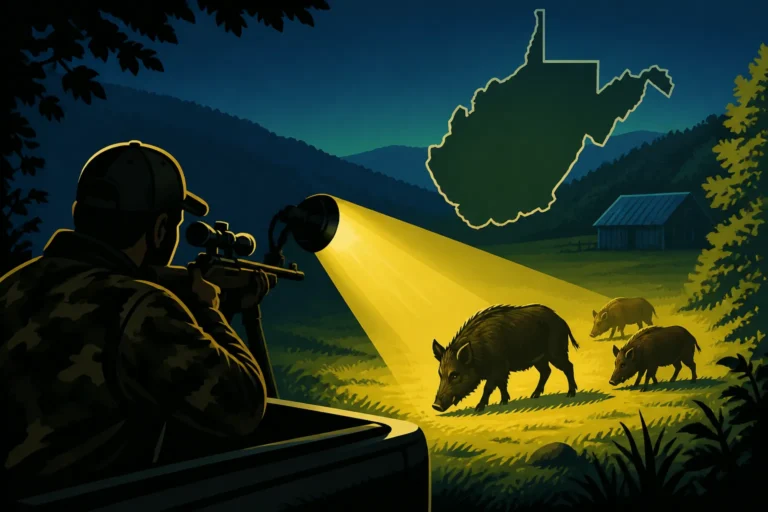
Night hunting hogs with lights on private land in West Virginia explains legal methods to control destructive feral pigs.