West Virginia Wildlife Rehabilitation for Injured Game
West Virginia wildlife rehabilitation rules explain how to legally help injured animals and contact licensed rehabilitators.
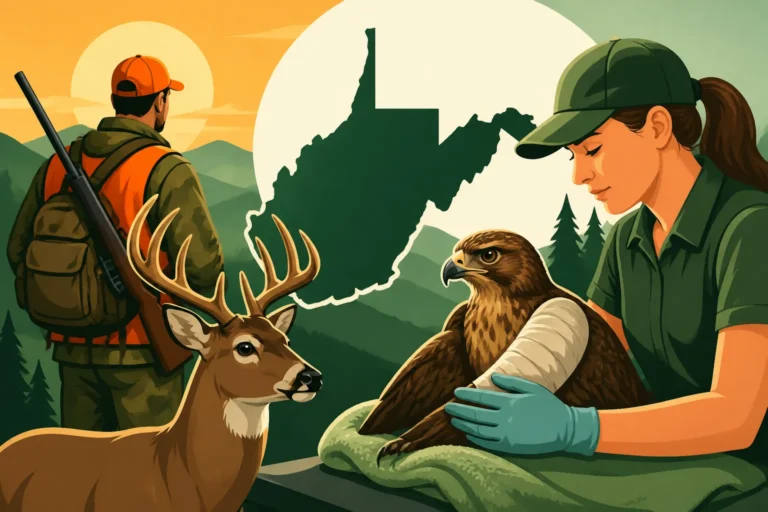
West Virginia wildlife rehabilitation rules explain how to legally help injured animals and contact licensed rehabilitators.
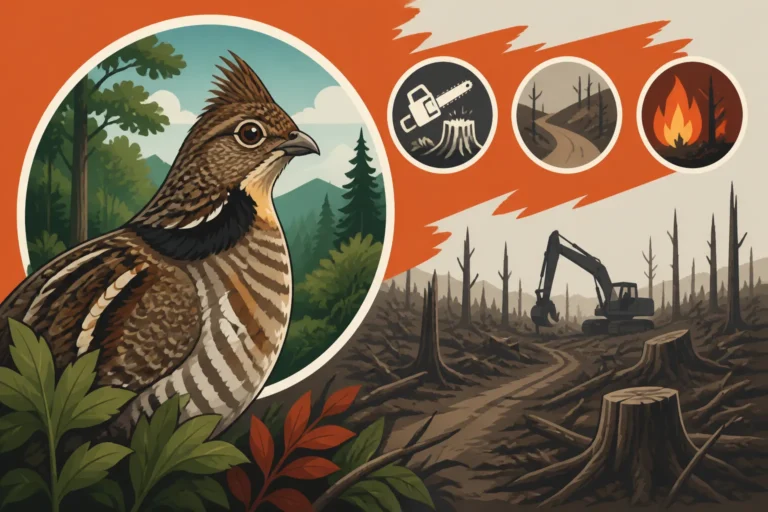
West Virginia ruffed grouse habitat loss stems from maturing forests and fire suppression halting young woodland growth.
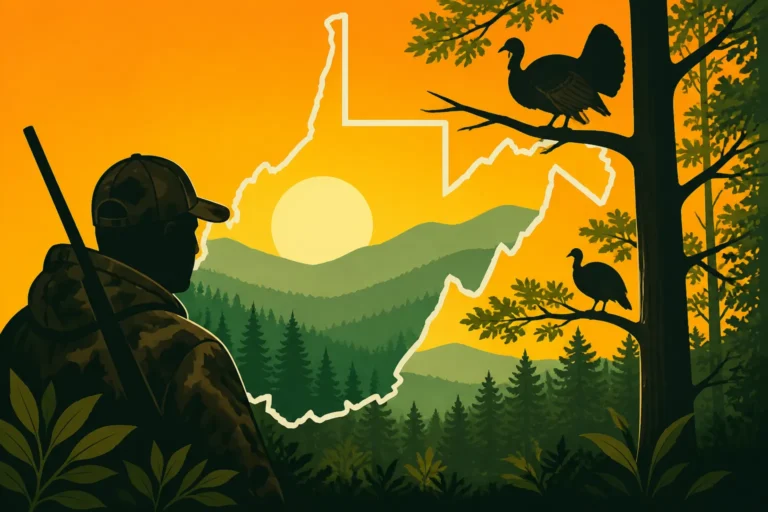
West Virginia wild turkey roost tree preferences and nighttime perches help hunters position themselves strategically before light.
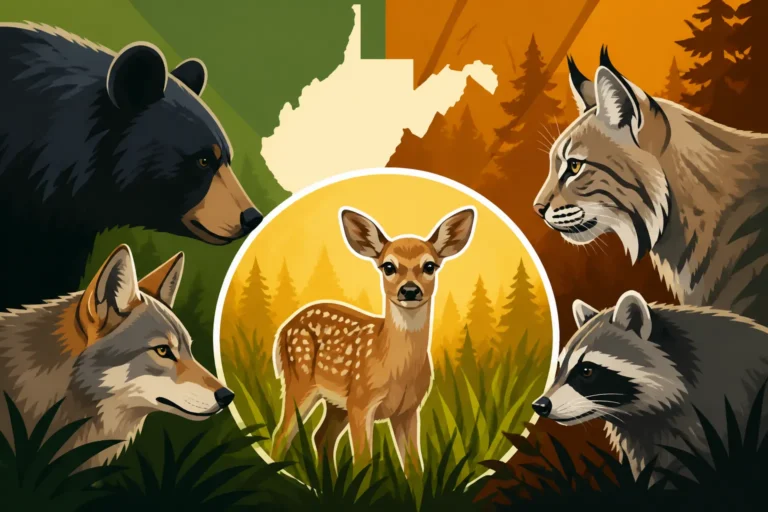
West Virginia predator impact on fawn recruitment explains how coyotes and survival rates affect local white-tailed deer populations.
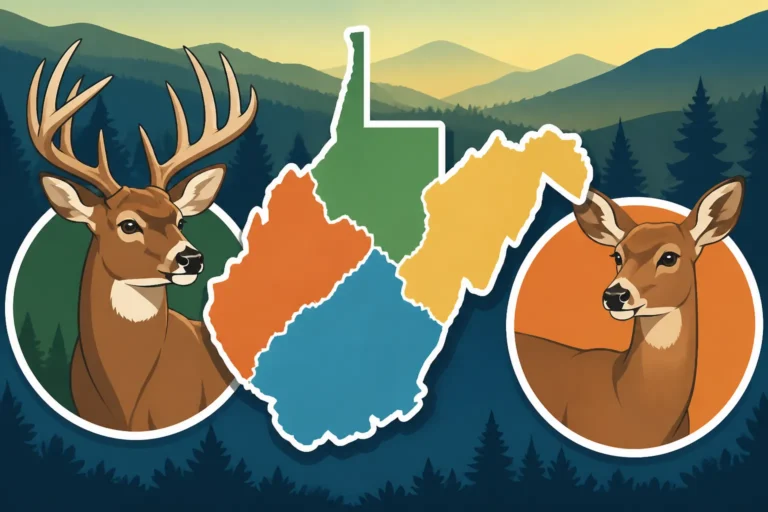
West Virginia buck-to-doe ratios across regions, influenced by management philosophy, antlerless harvests, and local habitat diversity.
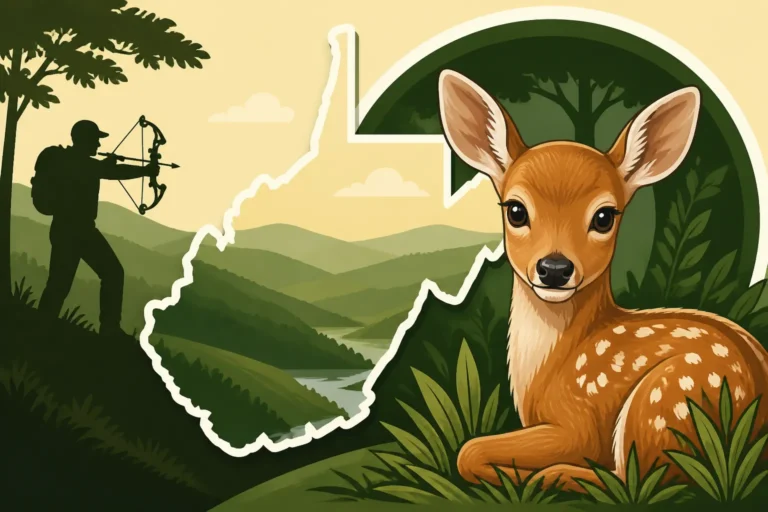
West Virginia fawn survival rates depend on habitat quality, weather, predation, and disease threats affecting deer herds.
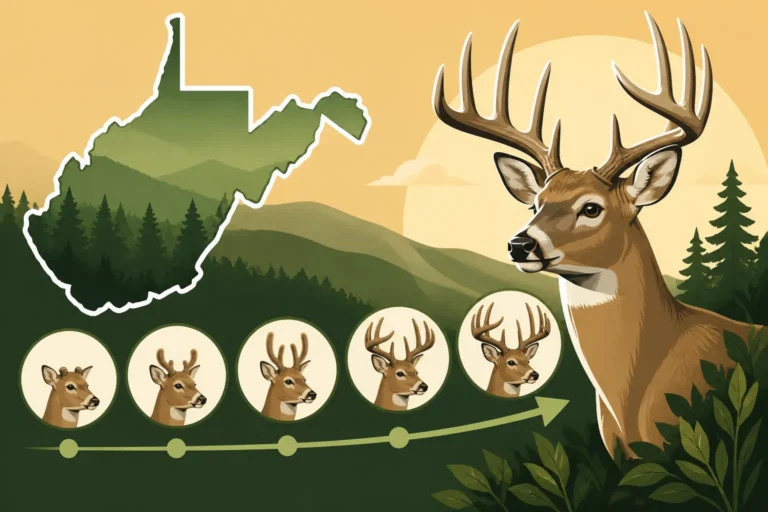
West Virginia white-tailed deer antler growth follows an annual timeline driven by hormones, age, nutrition, and genetics.
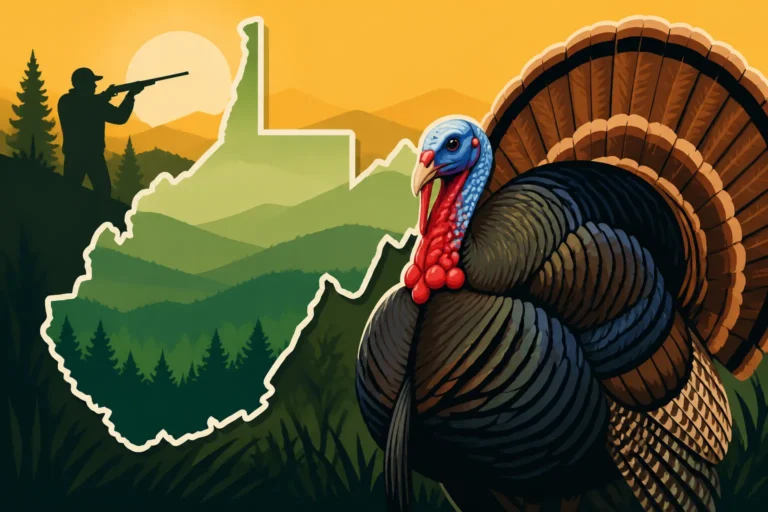
West Virginia wild turkey subspecies include the Eastern wild turkey, detailing their physical appearance and historical conservation restoration efforts.
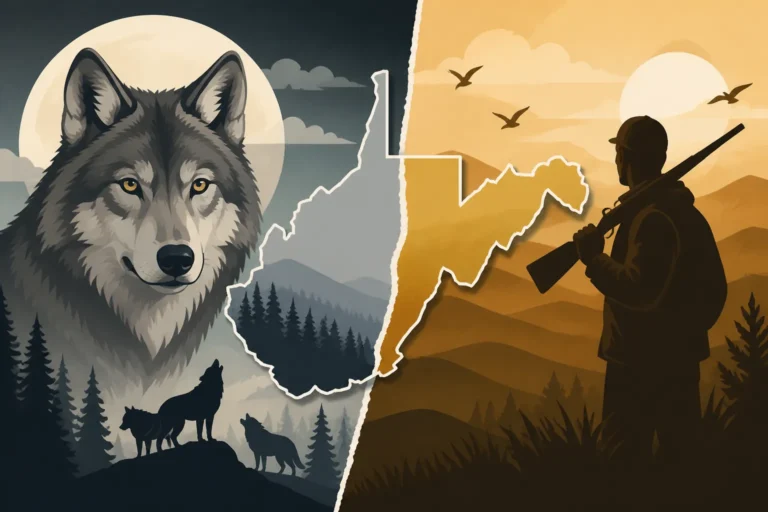
West Virginia wolf history details the native gray timber predator and its tragic extirpation from Appalachian mountains.
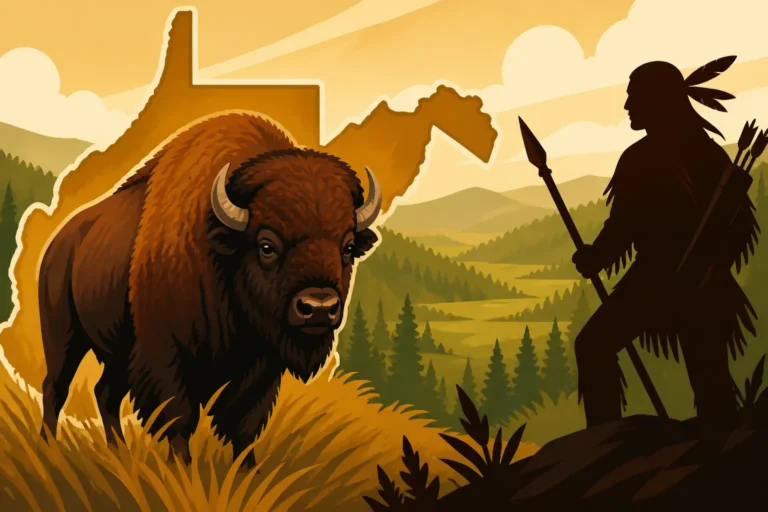
Eastern woodland bison herds and Indigenous hunting practices along the Ohio River before European settlement in West Virginia.