West Virginia Mallard and Wood Duck Numbers
West Virginia mallard and wood duck numbers, including local breeding populations and migratory birds along the Ohio River, depend on habitat conditions.
Know what you’re after.
Big game, small game, upland birds, and waterfowl — identification, behavior, rut and migration timing, and how each species moves through the season.
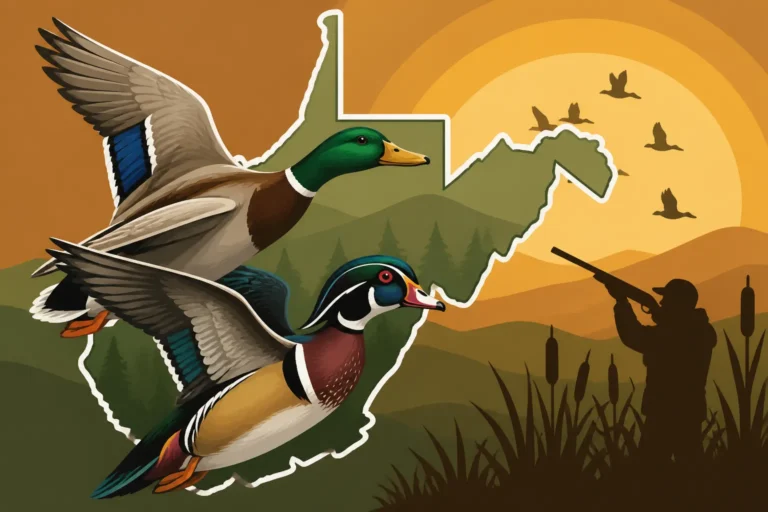
West Virginia mallard and wood duck numbers, including local breeding populations and migratory birds along the Ohio River, depend on habitat conditions.
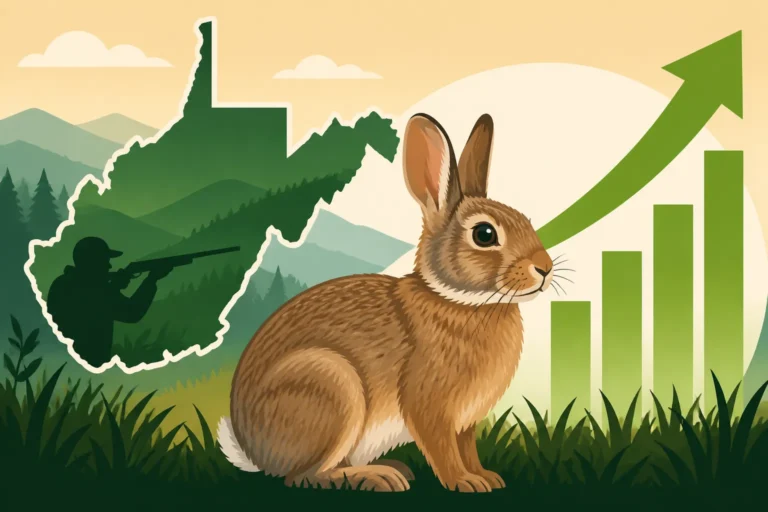
West Virginia cottontail rabbit populations face declines from habitat loss and predation, making successful hunting more challenging.
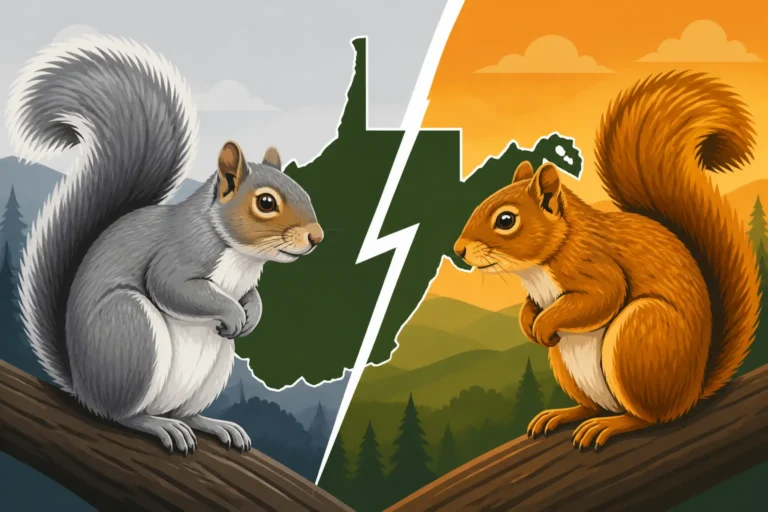
Gray and fox squirrels in West Virginia differ in size, coloration, and ground or tree habitat preferences for hunters.
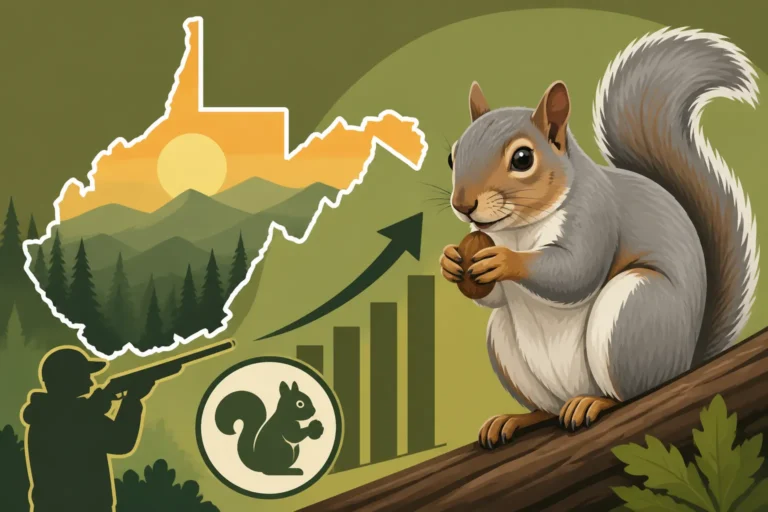
West Virginia squirrel harvest numbers and trends reveal population health, mast food cycles, and regional small game hunting success.
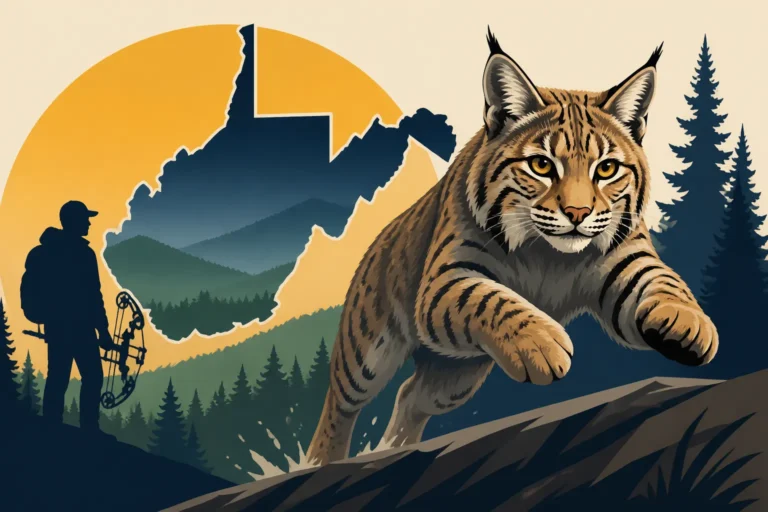
West Virginia bobcat recovery explains the resurgence of native wild cats across the state and identifies key rebounding regions.
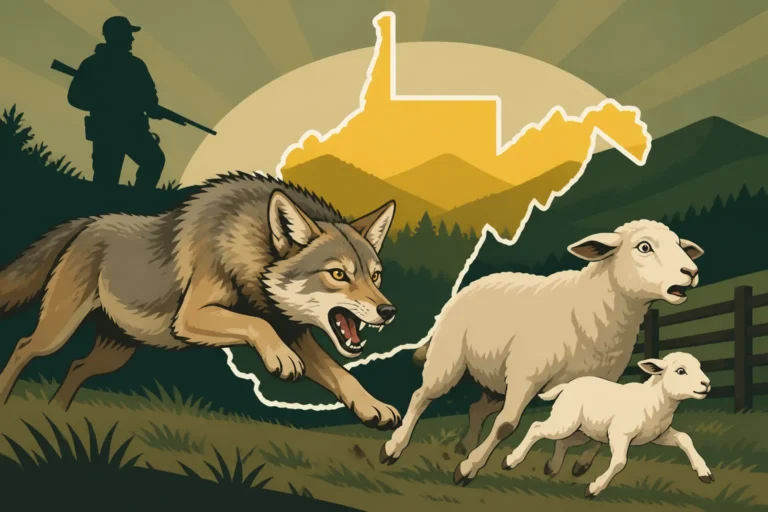
West Virginia coyote predation details sheep, goat, and poultry vulnerabilities across all fifty five counties to help protect farm animals.
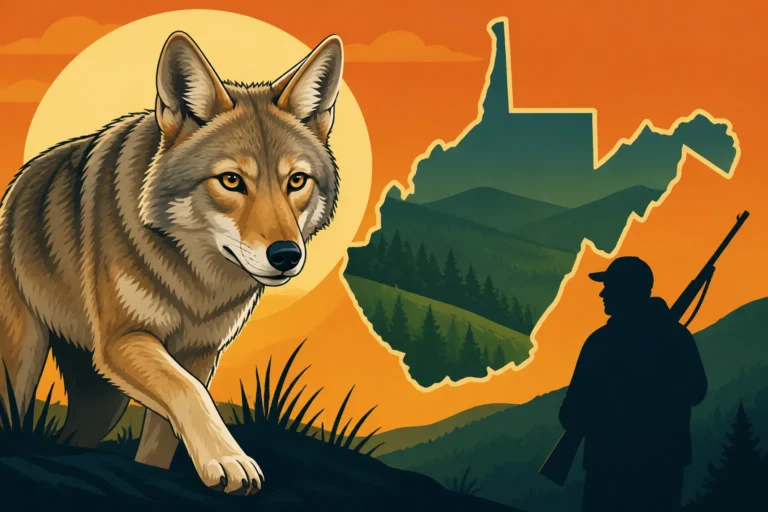
West Virginia coyote arrivals occurred during the mid to late 1970s via gradual eastward migration from neighboring states.
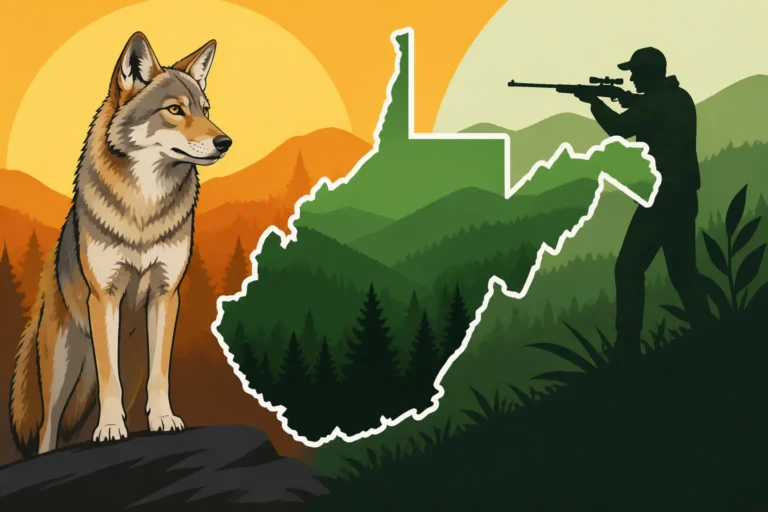
West Virginia coyote population numbers remain impossible to calculate, but state wildlife agencies use tracking methods to monitor trends.
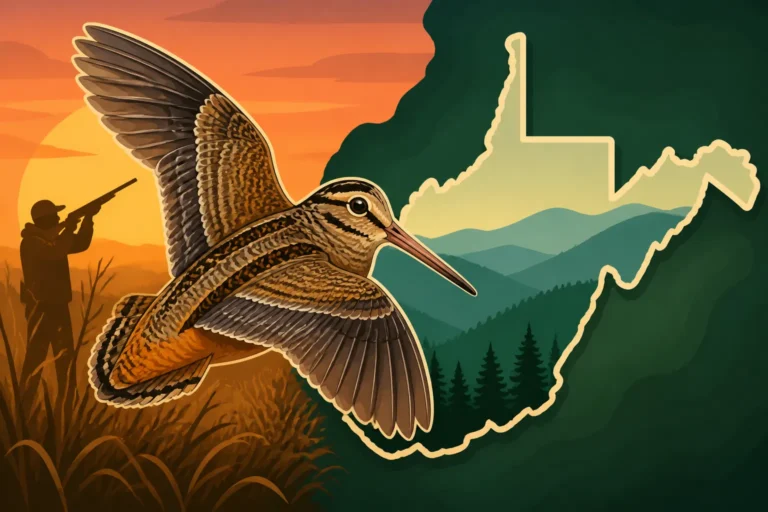
American woodcock migration patterns in West Virginia and key weather triggers help hunters pinpoint peak October and November dates.
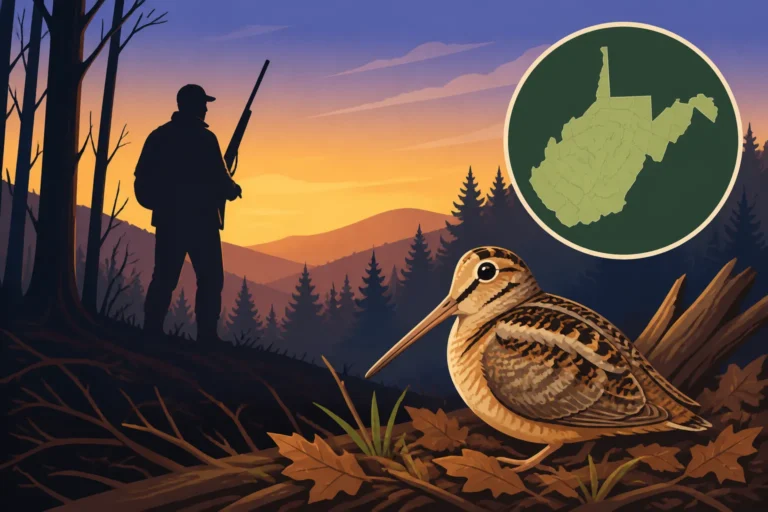
West Virginia woodcock singing ground surveys use route listening stations to monitor breeding bird populations and trends.