West Virginia’s Recovering Bobcat Population
West Virginia bobcat population recovery, historical decline, and habitat growth are explained using scientific wildlife management data.
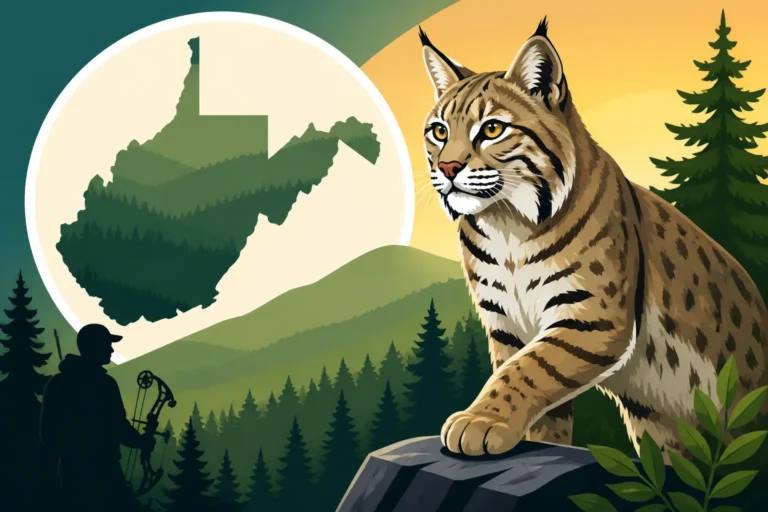
West Virginia bobcat population recovery, historical decline, and habitat growth are explained using scientific wildlife management data.
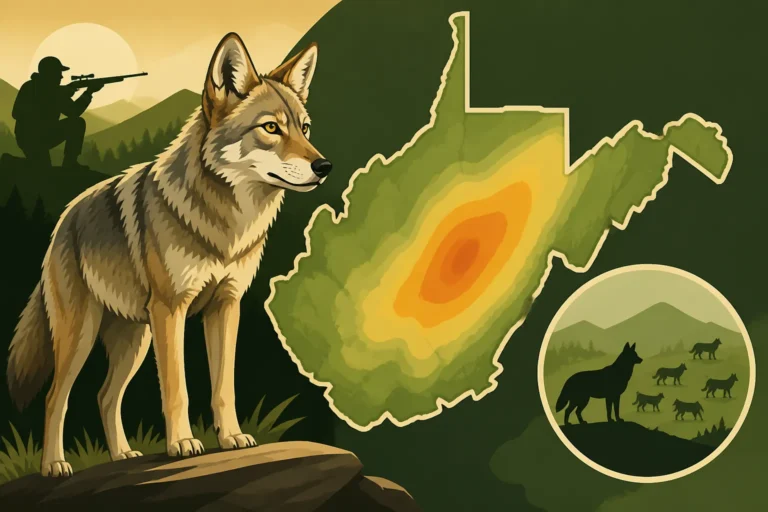
West Virginia coyote populations and range, explaining their historical expansion, ecological role, and modern distribution across the state.
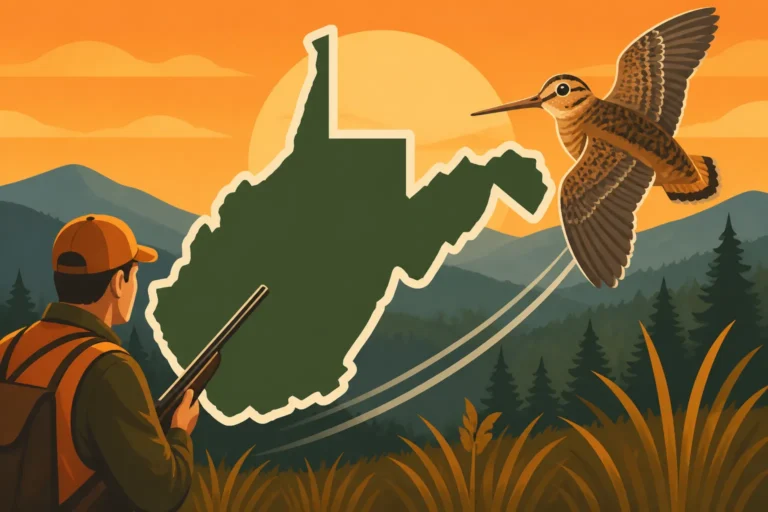
West Virginia provides crucial migratory stopovers and breeding habitats for American woodcocks along the Atlantic Flyway.
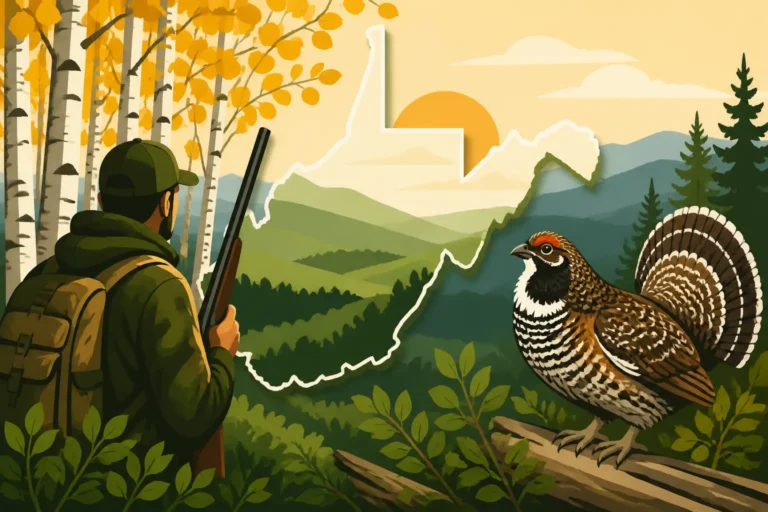
Aspen forest management strategies in the West Virginia highlands help restore declining ruffed grouse populations and habitats.
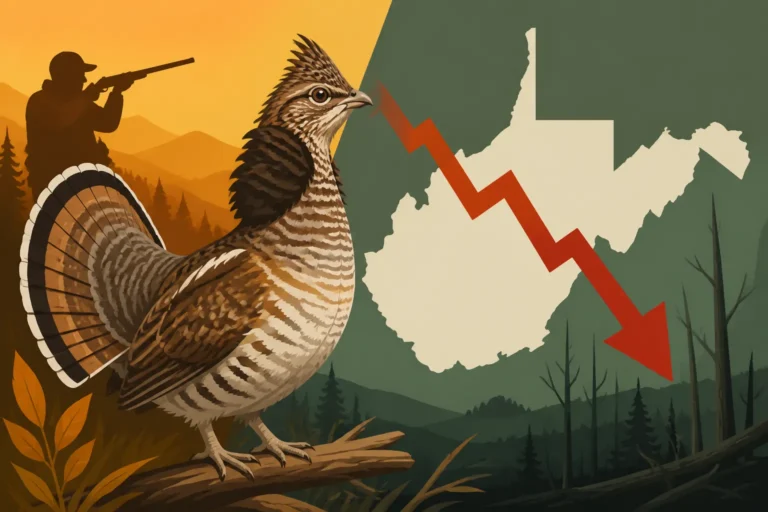
West Virginia ruffed grouse population decline, driven by habitat loss, is documented through surveys and historical forest changes.
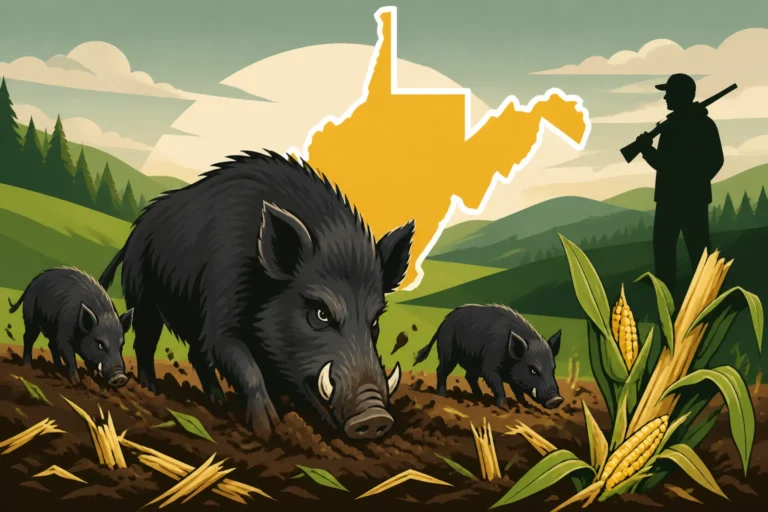
Feral hog crop damage in West Virginia causes severe financial loss for farmers through destructive rooting behavior and rapid reproduction.
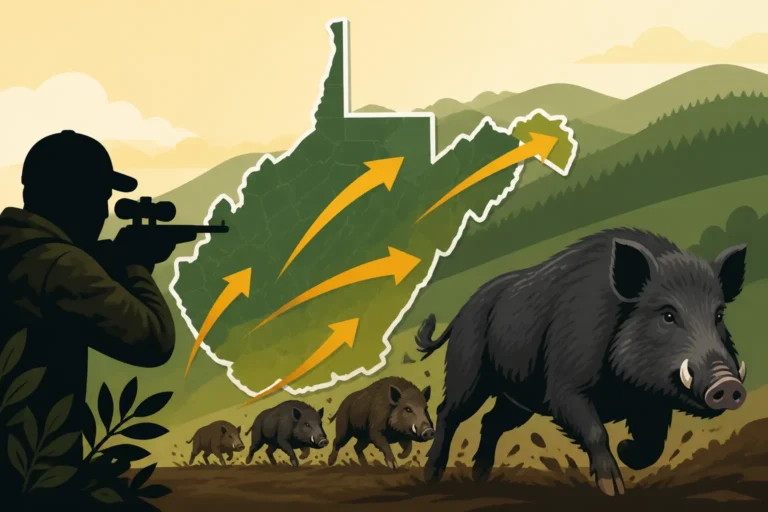
Wild hogs spread across West Virginia through farm escapes, illegal hunting releases, and breeding with Eurasian wild boars.
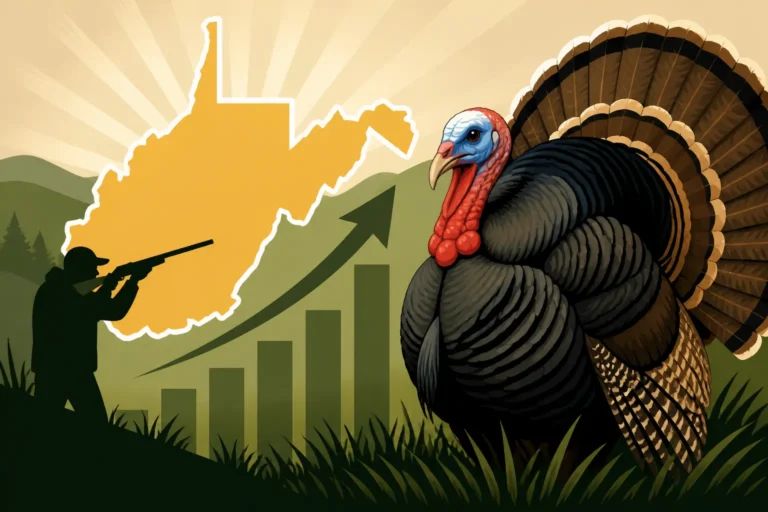
West Virginia turkey harvest data reveals population health, hunter success rates, and trends from mandatory checking records.
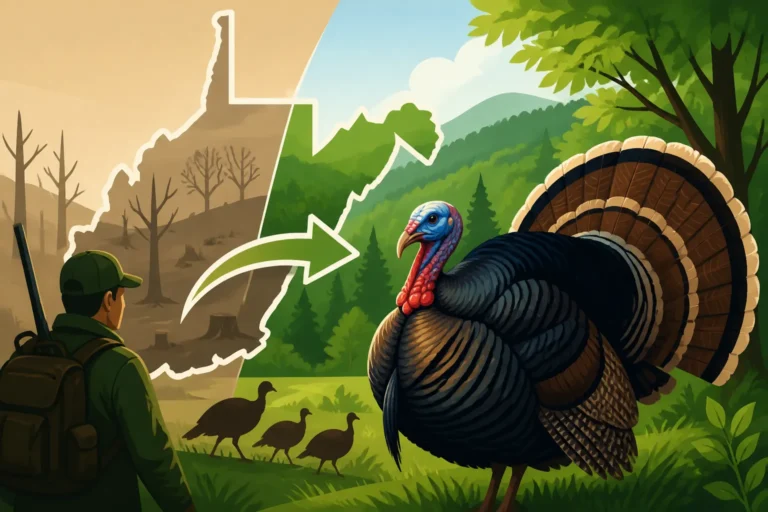
Wild turkey restoration in West Virginia explains how conservation efforts and relocation saved the declining bird population.
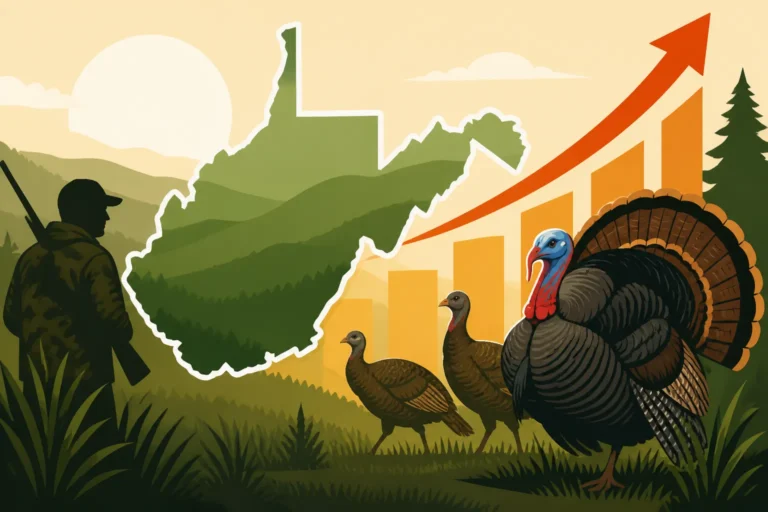
West Virginia wild turkey populations face recent declines following historical recovery efforts driven by conservation agencies.