West Virginia Grouse Drumming Surveys
West Virginia grouse drumming surveys help wildlife biologists assess breeding population trends and inform management decisions over time.
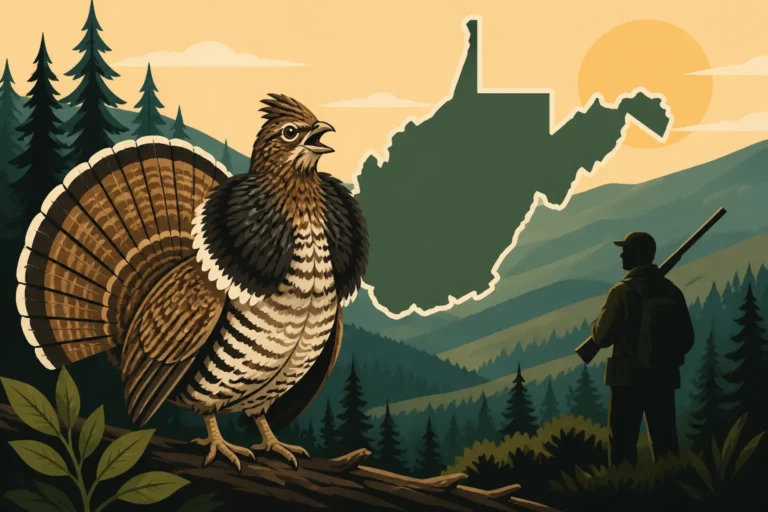
West Virginia grouse drumming surveys help wildlife biologists assess breeding population trends and inform management decisions over time.
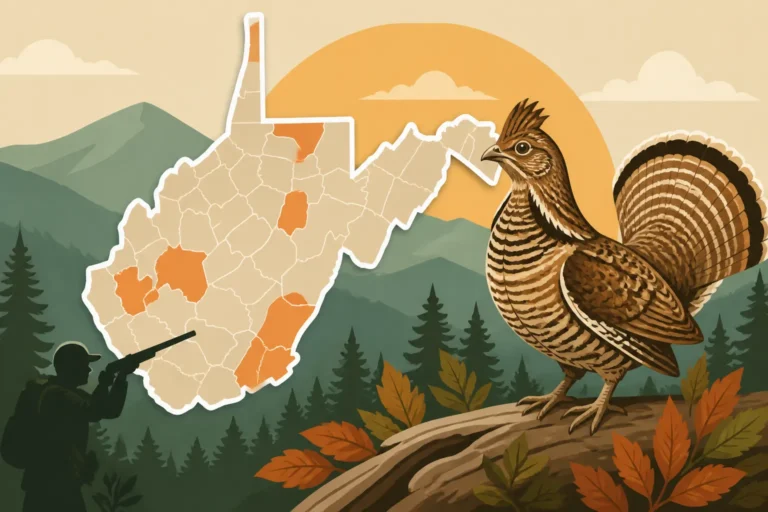
Randolph, Pocahontas, and Tucker counties offer ruffed grouse hunters prime habitats within the Monongahela National Forest.
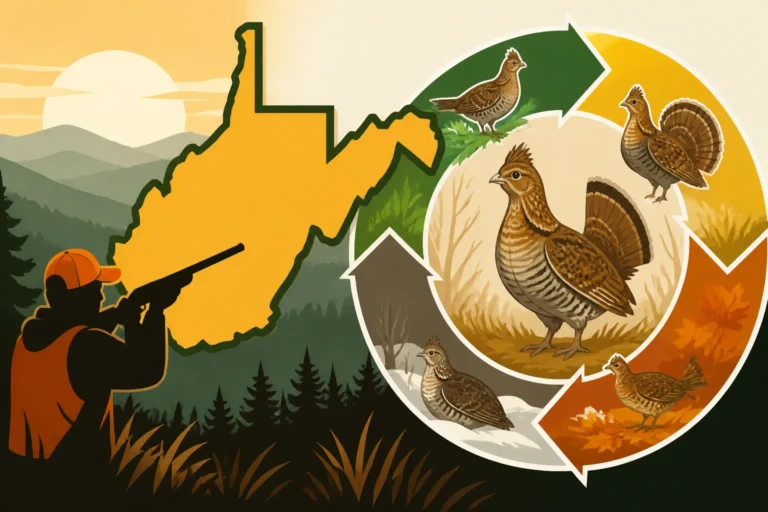
West Virginia ruffed grouse populations depend more on local forest habitat quality than on predictable ten-year cycles.
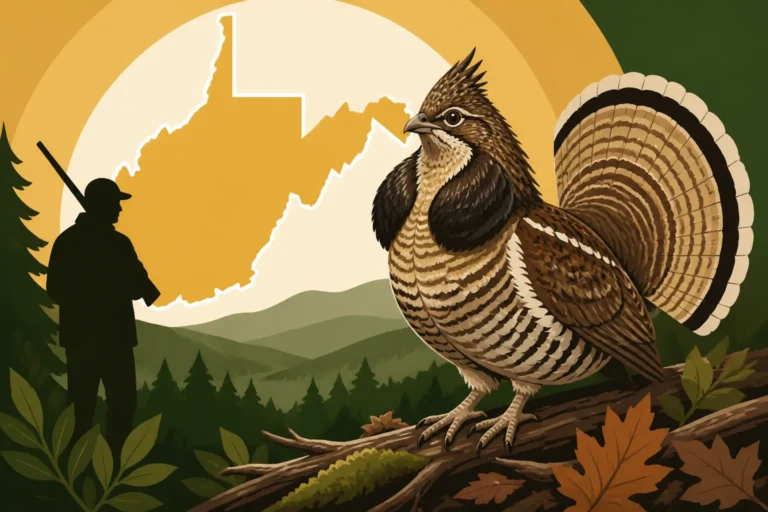
West Virginia ruffed grouse populations have declined over recent decades as forests mature and early successional habitats decrease.
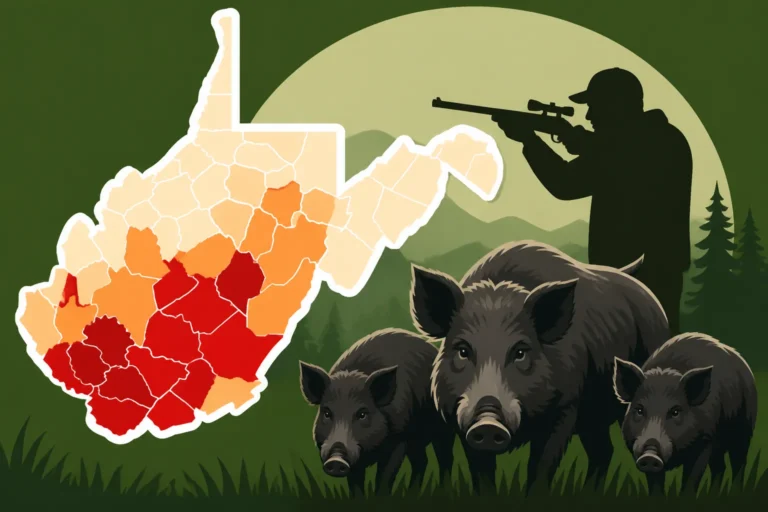
Logan, Mingo, Wyoming, and McDowell counties contain the highest feral hog populations for year-round hunting in West Virginia.
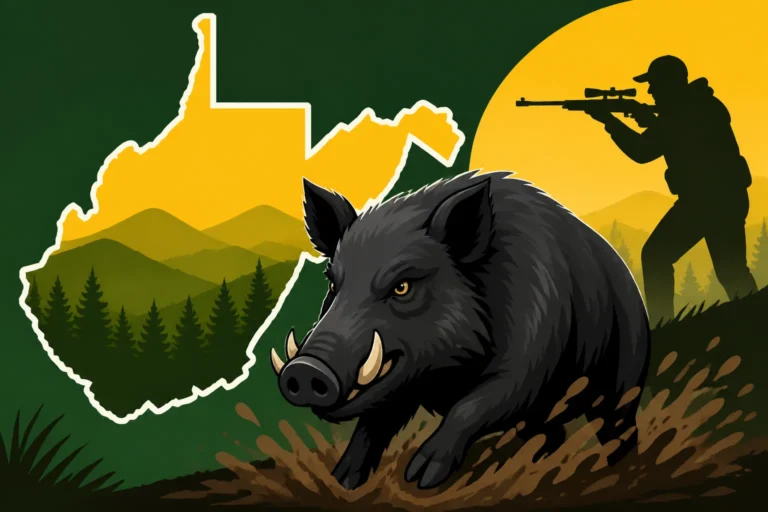
West Virginia feral hog population numbers remain uncounted because these adaptable animals reproduce rapidly and inhabit dense forests.
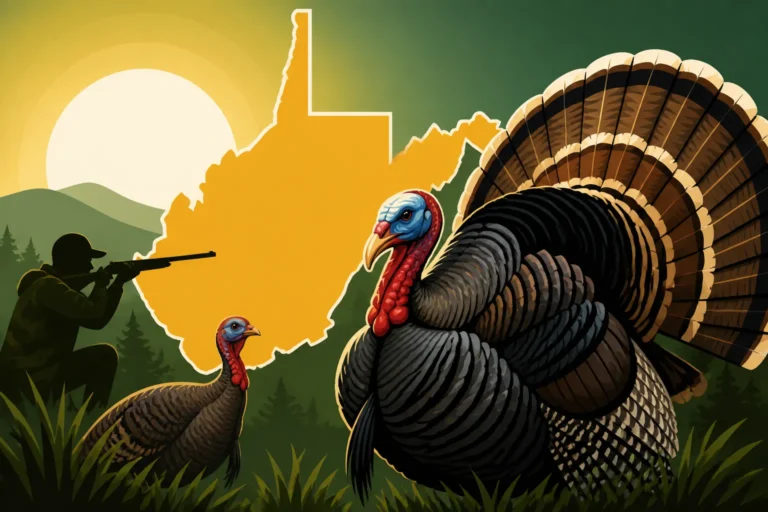
West Virginia record book wild turkeys require specific National Wild Turkey Federation scoring formulas based on weight, beard, and spurs.
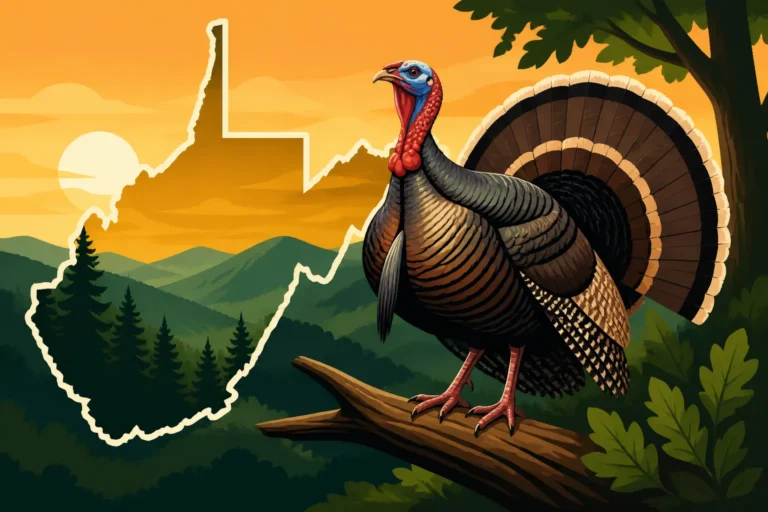
West Virginia wild turkey roosting habits, predator avoidance, and preferred tree types help hunters locate birds at dawn.
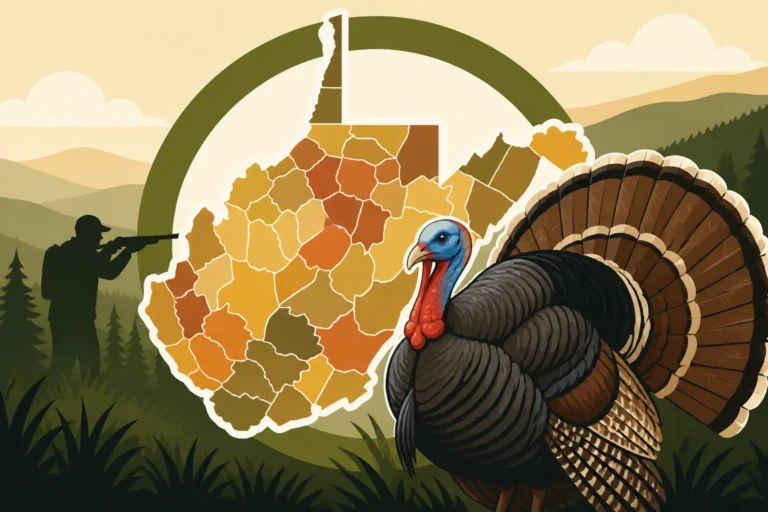
West Virginia spring turkey hunting counties offer high bird densities, diverse habitats, and balanced public access lands.
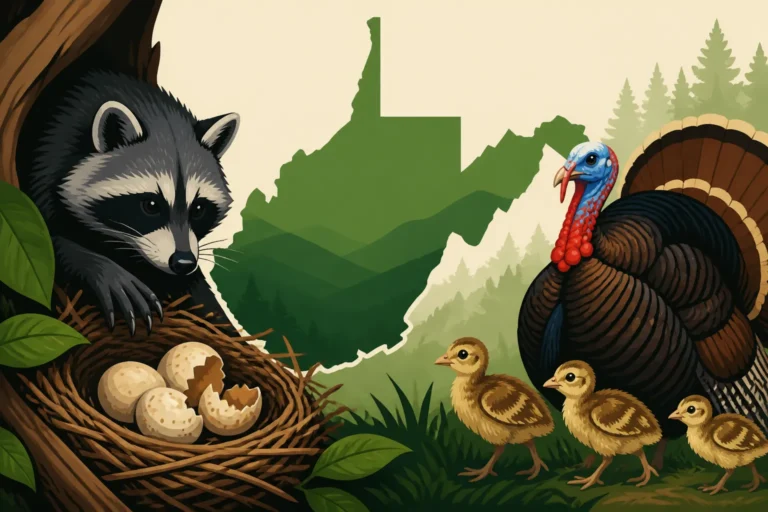
Nest predation by raccoons, opossums, snakes, and coyotes heavily impacts wild turkey hatches across West Virginia forests.