Upland Guns for Highlands Grouse Cover
Choosing an upland gun for West Virginia grouse hunting explains how shotguns perform in thick cover at close ranges of fifteen to twenty-five yards.
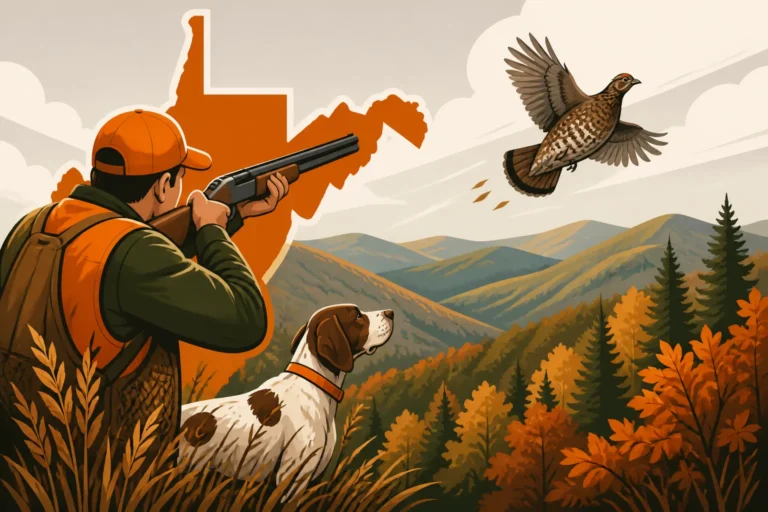
Choosing an upland gun for West Virginia grouse hunting explains how shotguns perform in thick cover at close ranges of fifteen to twenty-five yards.
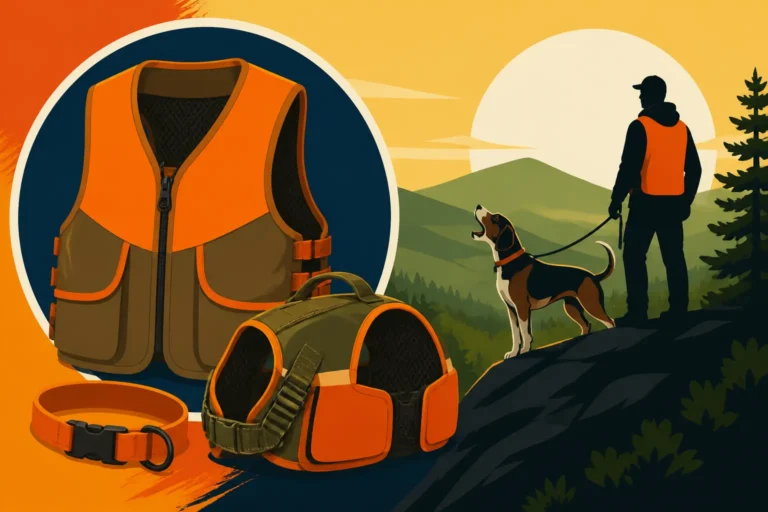
Cut vests and gear for hound dogs protect West Virginia hunting hounds from sharp rocks, briars, and injuries during bear chases.
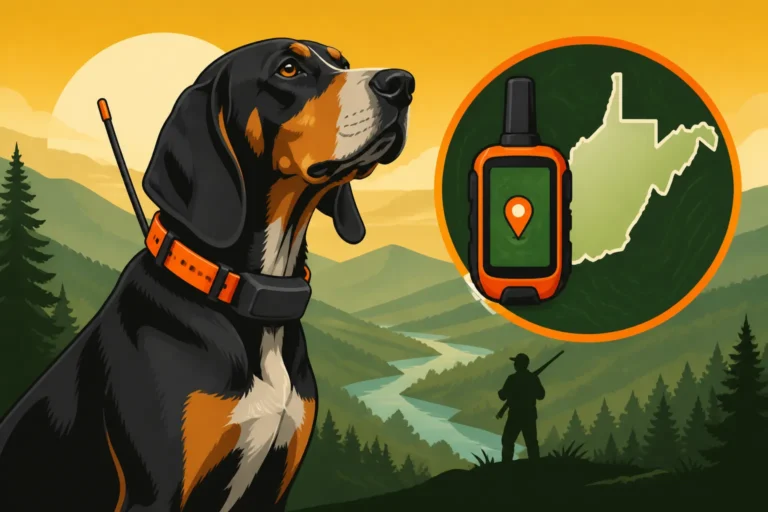
GPS collars for West Virginia bear hounds track pack locations across rugged mountains, ensuring hound safety during hunts.
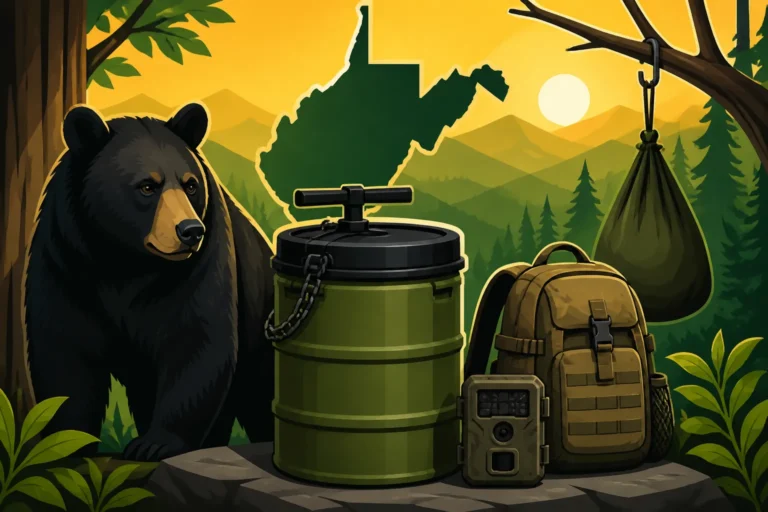
Bear baiting is generally allowed in West Virginia but rules vary by county and land type, with distance requirements from roads, trails and property lines.
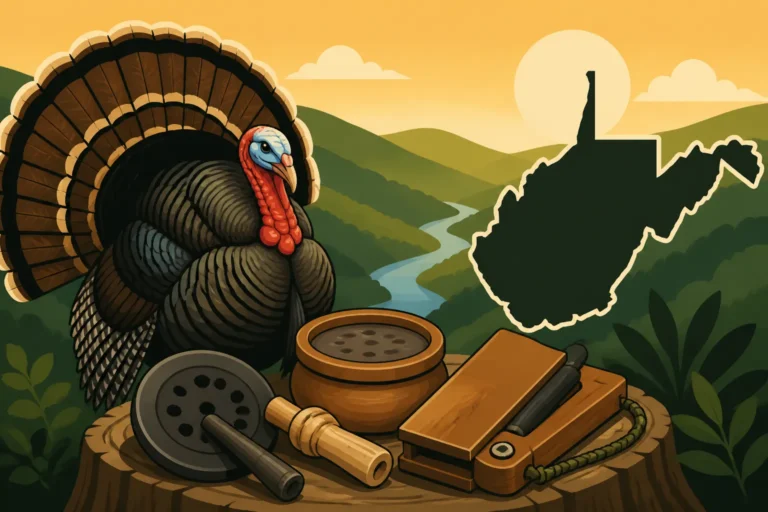
Mouth calls and pot calls help West Virginia hunters produce realistic yelps, clucks, purrs, and cuts to target longbeards.
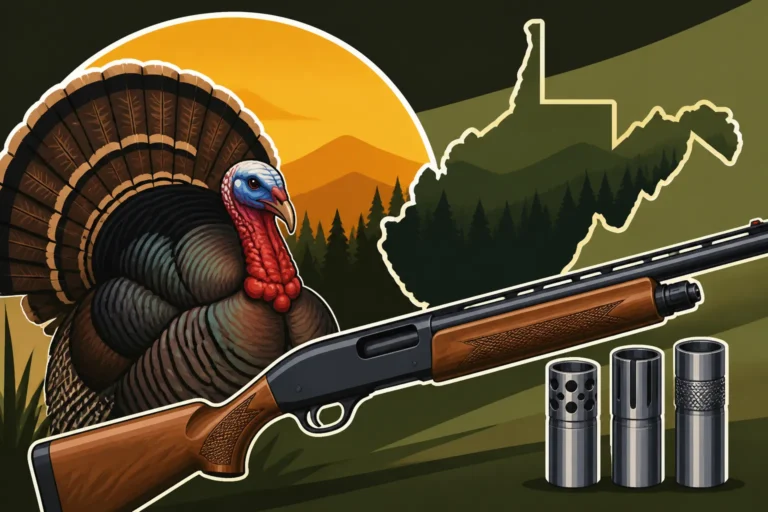
Turkey shotguns and chokes help hunters select equipment for West Virginia terrain, handling distances from 15 to 45 yards.
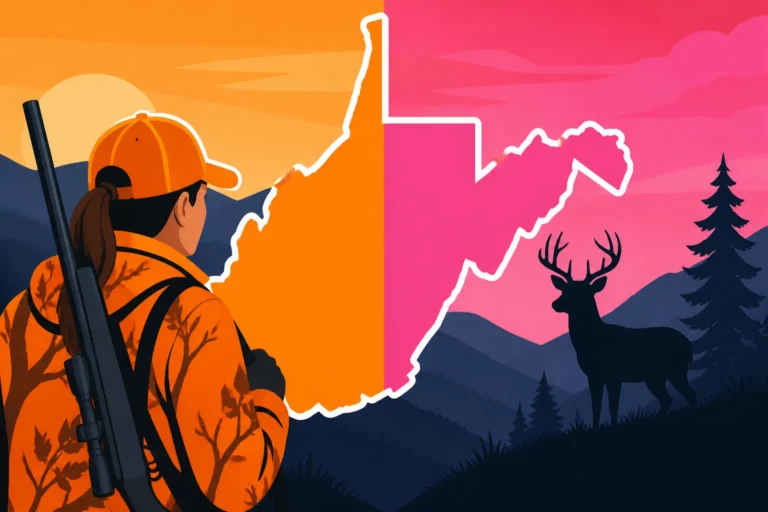
West Virginia blaze orange and pink regulations explain mandatory visibility gear requirements for hunters in the woods.

West Virginia field edge hunting from ground blinds helps hunters ambush wary deer near soybean and clover food sources.

Climbing sticks provide West Virginia hunters a portable, quiet method to navigate steep terrain and access trees safely.
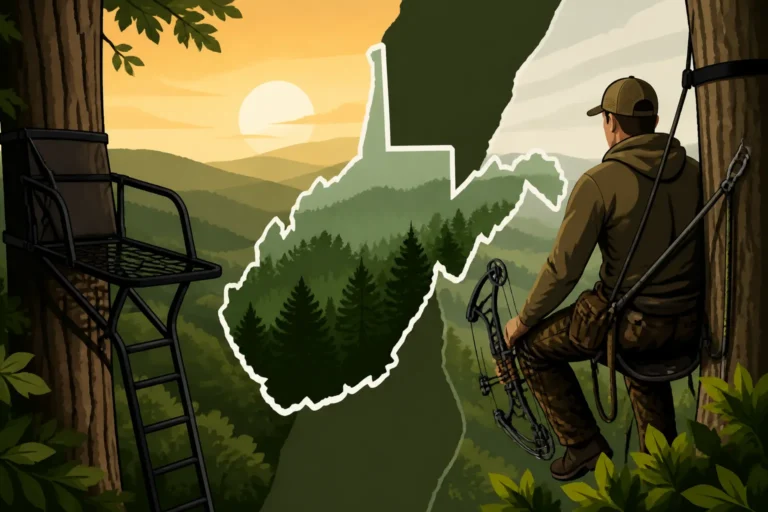
Treestands and saddle hunting equipment provide mobile deer hunters elevated options for steep terrain on West Virginia public land.