West Virginia Wild Turkey Nesting Success
There's nothing quite like the sound of a gobbler ringing through the West Virginia hills in springtime, but for many of us, the sight of a hen with a healthy brood of poults is the true measure of a good year. It's incredibly frustrating when we hear fewer gobbles or see fewer young birds, leaving us wondering what's happening out there. This comprehensive guide will peel back the layers on West Virginia wild turkey nesting success, exploring the critical factors that contribute to or hinder the growth of our beloved turkey populations.
The Foundation of Future Flocks: Understanding Turkey Nesting Biology
Before we can really dig into what helps or hurts our turkey populations, it’s essential to grasp the basic science behind how these magnificent birds reproduce. It’s a delicate dance with nature, and understanding each step helps us appreciate why certain environmental changes or pressures can have such a big impact.
The Critical Nesting Period and Hen Behavior
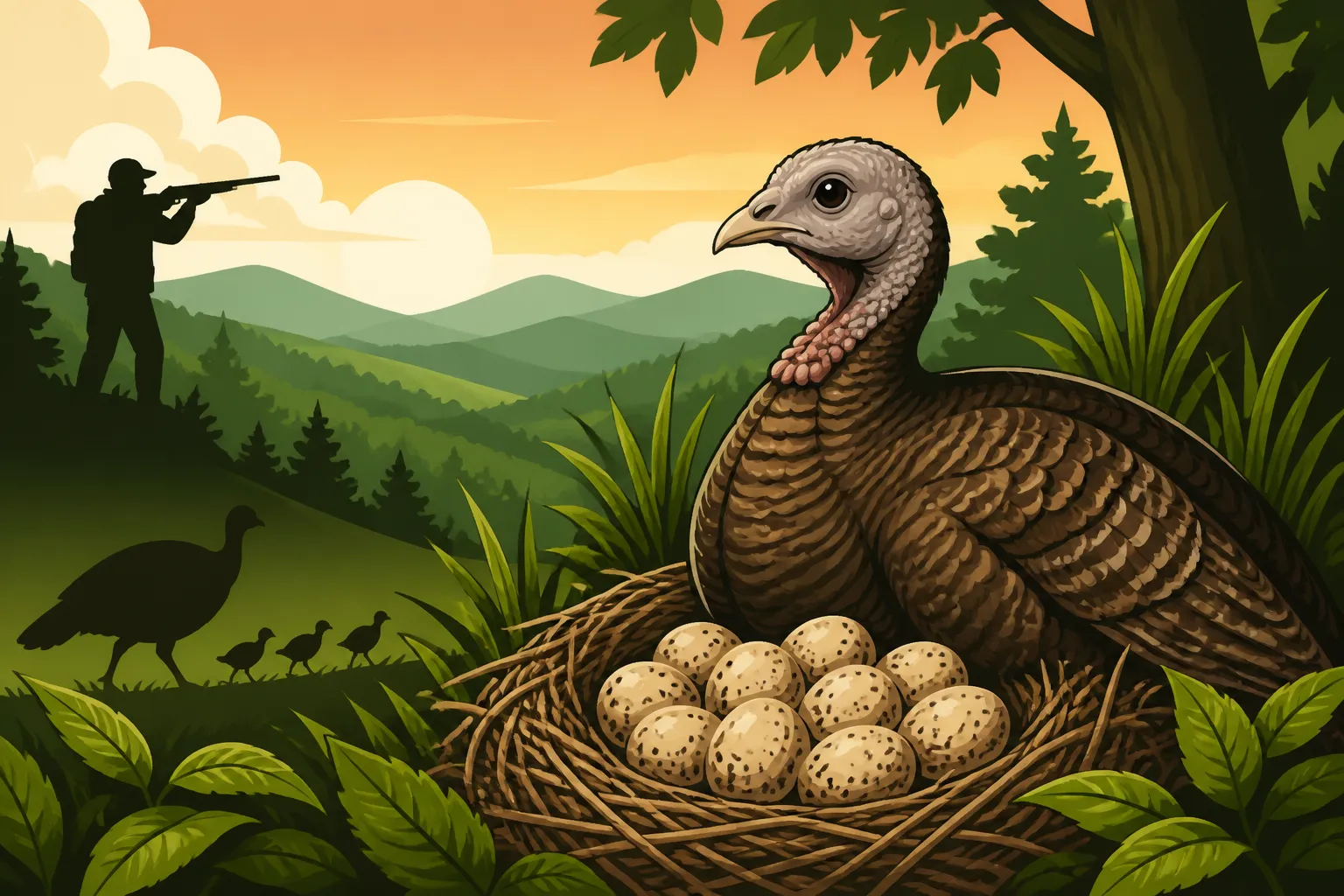
Wild turkey hens are masters of stealth, especially when it comes to nesting. Typically, the nesting period in West Virginia kicks off in late April and can extend well into June, depending on local conditions and whether a hen has to re-nest after an initial failure. After breeding, the hen will seek out a secluded spot, often at the base of a tree, under a thick tangle of rhododendron, or in dense brush along a field edge. These locations provide crucial camouflage from the prying eyes of predators. She'll scrape out a shallow depression, line it with leaves and sometimes a few feathers, and begin laying one egg per day. During this phase, she's incredibly vulnerable. If disturbed too much, especially early on, she might abandon the nest altogether. Imagine a hen, after meticulously selecting a spot and laying a half-dozen eggs, being constantly harassed by curious hikers or off-leash dogs. That stress alone can be enough for her to cut her losses and try again elsewhere, or worse, not at all.
Clutch Size, Incubation, and Hatching
An average wild turkey clutch usually consists of 10 to 12 eggs, though this can vary from as few as 5 to as many as 18. Once all the eggs are laid, the hen begins a dedicated incubation period that lasts about 28 days. During this time, she rarely leaves the nest, only venturing out for short periods to feed and drink. This commitment is physically demanding and leaves her highly exposed to predators. Imagine a steady drizzle for days on end, or a sudden cold snap in late May. While the hen's body heat protects the eggs to a degree, prolonged cold, wet weather can reduce the viability of the clutch, making it harder for the embryos to develop properly. When the time comes, all the poults typically hatch within a 24-hour period, a remarkable feat of natural synchronization. This ensures that the hen doesn't have to manage chicks of widely varying ages, making her job a little easier in those critical first hours.
Poults to Jakes/Jennies: The First Weeks of Survival
The moment those tiny poults hatch, the real struggle for survival begins. The first two weeks are incredibly perilous, with studies often showing very high mortality rates. These fluffy, vulnerable youngsters are highly susceptible to cold, wet weather, as they can't regulate their body temperature effectively for quite a while. They also need a constant supply of protein-rich insects to fuel their rapid growth. A hen will lead her brood to areas with abundant insects, like grass fields, clover plots, or newly disturbed ground, where they can forage constantly. Think of a West Virginia clear-cut that's a few years old, now covered in young briars and forbs – that's prime brood-rearing habitat, teeming with grasshoppers and beetles. However, these same open areas, while rich in food, can also expose poults to aerial predators like hawks and owls, and ground predators alike. It's a constant balancing act between finding food and staying hidden. This period is truly make-or-break, and the success of these early weeks directly dictates the overall West Virginia Turkey Population Trends we see in later seasons.
Environmental Factors: Weather, Habitat, and Disease
The wild turkeys of West Virginia are survivors, no doubt, but they are also incredibly sensitive to their environment. The capricious nature of our mountain weather, the quality of their home, and the silent threat of disease all play monumental roles in whether a hen successfully raises a brood.
The Double-Edged Sword of West Virginia Weather
Weather patterns in the Mountain State can be a real rollercoaster, and for turkey poults, that can be a death sentence. A prolonged cold, wet spring is perhaps the most significant natural enemy of turkey nesting success. Those newly hatched poults, delicate and unable to properly regulate their body temperature, can quickly succumb to hypothermia. Picture a spring where it rains for days on end, with temperatures stubbornly refusing to climb above 50 degrees. Broods hatched into these conditions often see drastically reduced numbers. Hunters might notice a steep decline in young birds the following fall and spring, directly attributable to a tough hatch.
Conversely, while less immediately catastrophic, extended drought conditions can also negatively impact nesting success, albeit indirectly. Droughts reduce insect populations, which are a critical food source for growing poults. A hen might successfully hatch a brood, but if there isn't enough protein-rich food available, the poults will struggle to grow and thrive, making them more vulnerable to disease and predation. We often see the direct correlation between harsh spring weather and lower Poult-to-Hen Ratios and What They Mean later in the summer, serving as a vital indicator of the health of the upcoming flock.
Habitat Quality: The Unsung Hero of Nesting Success
You can have perfect weather, but without the right habitat, turkey nesting success will still be a struggle. Turkeys need a mosaic of different habitat types to thrive, especially during nesting and brood-rearing. Hens look for dense, secure cover for their nests – think thickets, dense undergrowth, or mature timber with a good laurel component. This cover provides concealment from predators and some protection from the elements.
Once the poults hatch, the hen leads them to brood-rearing habitat, which ideally consists of open, grassy areas with diverse vegetation. These areas, often referred to as "bugging grounds," are rich in insects that poults devour. They also provide escape cover nearby, so if a predator is spotted, the poults can dart into safety. A WMA that has been thoughtfully managed with prescribed burns or timber harvests to create early successional habitat, much like efforts for Aspen Management and Highlands Grouse, will yield better turkey recruitment. Conversely, vast expanses of mature, unbroken forest, while beautiful, lack the dense nesting cover and insect-rich brood grounds that turkeys critically need. Without this blend of habitat, even the most dedicated hen will struggle to bring her brood to maturity.
Disease and Parasites: Silent Threats to Turkey Health
While not as dramatic as a predator attack or a flash flood, diseases and parasites can quietly chip away at turkey populations, impacting nesting success. Various ailments can weaken hens, making them less robust for the demanding process of egg-laying and incubation, or directly affect the health of poults. Lymphoproliferative disease (LPD) and blackhead disease are two well-known examples that can affect turkeys. LPD, a viral infection, can cause tumors and general weakness, reducing a bird's overall fitness. Blackhead, a parasitic disease, can be deadly to poults and juvenile birds.
Imagine a hen weakened by a parasitic load. She might lay fewer eggs, or her eggs might be less viable. Even if she successfully hatches a brood, her poults, inheriting some weakness or exposed to parasites in the environment, might be more susceptible to other illnesses or simply not have the vigor to escape predators or endure tough weather. While widespread outbreaks are less common, localized issues can certainly impact a specific area's nesting success. It's incredibly important that hunters and landowners remain vigilant; if you encounter a sick or deceased bird, reporting it to the West Virginia DNR is crucial for monitoring wildlife health, similar to how we might report other issues like Reporting a Sick Animal in West Virginia. These observations help biologists track potential threats to our turkey populations.
Predation Pressure: A Constant Battle for Survival
The life of a wild turkey is a constant game of hide-and-seek, and predators are always seeking. While predation is a natural part of any ecosystem, understanding the types of predators and how their populations interact with turkeys is key to comprehending fluctuations in nesting success.
Common Nest Predators in West Virginia
In the dense forests and rolling hills of West Virginia, a wide array of creatures view turkey eggs and young poults as an easy meal. Raccoons, opossums, and skunks are notorious nest predators, with their keen sense of smell leading them directly to a hidden clutch. These opportunistic foragers often raid nests at night when the hen might be briefly off the nest or less alert. A hen might do her best to conceal her nest, burying it deep in thick briars, but the persistent nose of a raccoon or skunk can often find it. Imagine checking a trail camera near a known nesting area and seeing a parade of these nocturnal critters passing through.
Beyond the mammals, snakes, particularly black snakes and rat snakes, also pose a significant threat, capable of swallowing multiple eggs. Even crows and other avian predators will make quick work of uncovered or unguarded eggs. It’s a harsh reality, but these animals are simply trying to survive, and turkey nests offer a rich, concentrated food source. The sheer abundance of these common nest predators in many parts of West Virginia means that every turkey hen faces a steep challenge in bringing her eggs to term.
Impact of Expanding Predator Populations
While raccoons and skunks have always been part of the equation, the expansion and stabilization of larger predator populations in West Virginia add another layer of pressure. Coyotes, for example, have steadily increased their presence across the state, and while they might not actively seek out nests in the same way a raccoon does, they are opportunistic. A coyote patrolling a field edge or a logging road could easily stumble upon a nesting hen or a vulnerable brood. They are particularly adept at catching poults and even adult hens, especially during the vulnerable nesting period when hens are less mobile. Understanding the West Virginia Coyote Range and Density helps us appreciate the scale of this pressure.
Similarly, our bobcat population, which has seen a fantastic recovery, also contributes to predation pressure. West Virginia's Recovering Bobcat Population is a conservation success story, but a healthy bobcat population means another efficient predator on the landscape. Bobcats are stealthy and incredibly effective hunters, capable of preying on both adult turkeys and poults. When you combine the historical pressure from smaller nest raiders with the growing presence of larger, more agile predators, it creates a formidable gauntlet for turkeys to navigate during their most vulnerable reproductive phases.
Managing Predator Influence on Nesting Success
Addressing predator influence on turkey nesting success is a complex issue, and there are no easy answers. While it might seem intuitive to simply reduce predator numbers, the reality is that ecosystems are incredibly intricate. Blanket predator control programs are often impractical, expensive, and can have unintended consequences on other wildlife. The focus, instead, tends to shift towards habitat management as the most effective long-term strategy.
By creating and maintaining prime nesting and brood-rearing habitat – areas with dense cover for nesting and escape, alongside insect-rich openings for poults – turkeys are given a better chance to evade predators. When hens have ample choices for secure nesting sites, and poults have thick cover to hide in, their odds of survival increase significantly. It's about giving the turkeys the tools to succeed against the natural predation they face. Think of it as providing more "safe zones" rather than trying to eliminate every threat. For instance, areas managed for early successional growth around larger timber stands offer more protective layers than simply open, manicured land.
Human Influence: Land Use, Hunting, and Conservation
We, as humans, are an undeniable part of the West Virginia landscape, and our actions inevitably shape the world our wild turkeys inhabit. From how we use the land to how we manage our hunting seasons, our fingerprints are all over the success—or struggle—of wild turkey populations.
Land Use Changes and Fragmentation
West Virginia is a state of stunning natural beauty, but like any place, it sees changes in land use. Development, whether for new housing, commercial ventures, or infrastructure, often leads to habitat fragmentation. This means that large, continuous tracts of prime turkey habitat are broken up into smaller, isolated patches. When this happens, secure nesting areas can shrink, and the distance between nesting cover and brood-rearing habitat might increase.
Consider a mature forest that's bisected by a new road or development. Hens nesting on one side might find their preferred bugging grounds for poults now across a hazardous barrier. Furthermore, these "edge habitats" created by development can inadvertently make nests more accessible to predators, as many opportunistic animals thrive along these transitions. While progress is inevitable, understanding its impact on contiguous habitat is crucial. Thoughtful land planning and preservation efforts, even on smaller private tracts, can make a significant difference in maintaining the connectivity that turkeys need to thrive.
Hunting Regulations and Their Role
West Virginia's DNR carefully crafts hunting regulations with population health in mind, including those for wild turkeys. The timing and length of spring turkey season, for instance, are specifically designed to minimize disturbance to nesting hens and to ensure that a large portion of successful breeding has already occurred. The primary goal of West Virginia Spring Turkey Season Rules is to allow for gobbler harvest without impacting the reproductive capacity of the flock.
Regulators analyze data, including West Virginia Turkey Brood Survey Results and harvest reports, to determine appropriate bag limits and season dates. If poult recruitment is low for several consecutive years, it might trigger discussions about adjusting season lengths or bag limits to give the population a chance to rebound. For example, some areas might have shorter seasons or more restrictive limits to help bolster local populations. This adaptive management approach is vital; it acknowledges that turkey populations aren't static and that hunting, when managed responsibly, is a sustainable activity that supports healthy game numbers. Hunters, through their license fees and adherence to regulations, are direct contributors to this conservation model.
Conservation Efforts and Hunter Contributions
Far from being passive observers, West Virginia hunters are deeply invested in turkey conservation. Every hunting license and stamp purchased directly contributes funds that are earmarked for wildlife management, habitat restoration, and research conducted by the WVDNR. This financial support is the bedrock of many conservation programs. These programs might involve planting native grasses for brood habitat, creating forest openings through controlled burns, or conducting population surveys to inform management decisions.
Beyond the financial aspect, many hunters actively participate in conservation through volunteer work or by utilizing tools like the GoHunt app, which can allow for reporting observations in the field. Imagine spending a weekend clearing invasives or planting beneficial forage on public land; these actions directly improve habitat for turkeys and other wildlife. Some private landowners even undertake their own habitat improvements, such as establishing clover plots or maintaining early successional growth, specifically with turkeys in mind. This collective effort, driven by passion and a commitment to the resource, is indispensable for ensuring the long-term nesting success and overall health of West Virginia's wild turkey flocks.
Monitoring and Adapting: How We Track Turkey Populations
Understanding wild turkey nesting success isn't just about observation; it's about systematic monitoring and data collection. Wildlife biologists use a variety of tools and methods to track population trends, allowing them to make informed decisions that benefit the long-term health of our flocks.
Poult-to-Hen Ratios and What They Mean
One of the most critical metrics used to gauge nesting success and future turkey populations is the poult-to-hen ratio. This isn't just a fancy term; it's a vital indicator that tells biologists how many poults, on average, are surviving to a certain age (typically late summer) per adult hen. Biologists conduct extensive surveys during the summer months, often with the help of citizen scientists and hunters, to count visible poults per hen. If you're out and about and spot a hen with her brood, taking a moment to count the poults can be incredibly helpful data for the WVDNR.
A low poult-to-hen ratio in a given year, say 1 or 2 poults per hen, signals poor nesting success and indicates that we might see fewer jakes and jennies—the young male and female turkeys—in the population the following year. Conversely, a ratio of 3 or 4 poults per hen suggests a healthy hatch and good survival, promising a more robust population. This figure is essentially a crystal ball for next year's hunting forecast and helps explain why spring gobbler numbers might feel low after a particularly bad nesting season. It's a key piece of information that helps manage seasons, ensuring that we're not over-harvesting when populations are down and allowing for appropriate take when they're thriving.
The Role of Hunter Observations
While biologists conduct formal surveys, the sheer number of hunters and outdoor enthusiasts spending time in West Virginia's woods makes them an invaluable asset for real-time observation. Hunters are truly the eyes and ears on the ground, especially during the spring and fall seasons, and their informal reports often provide crucial context to formal data. When you're out Still-Hunting Cranberry WMA Ridges or sitting in a blind, you're gathering intelligence. Did you see many hens with poults? How many? Were they healthy? Did you notice any sick birds?
Many state agencies, including the WVDNR, encourage hunters to report their sightings. Tools like the GoHunt app or specific online portals can make this incredibly easy. Imagine hiking a remote part of the Monongahela National Forest and spotting several broods in an area that hasn't been formally surveyed in years. That information, when shared, can help identify areas of good nesting success or, conversely, highlight regions where recruitment might be struggling. Your observations contribute to a much larger dataset, helping biologists pinpoint specific habitat needs or understand localized challenges, ultimately supporting better management decisions for our wild turkey resource.
Data-Driven Management for Future Flocks
The information gathered from poult-to-hen ratios, hunter observations, harvest data, and research into West Virginia turkey nesting success is all fed into a comprehensive management strategy. This isn't just guesswork; it's a scientific approach to ensuring sustainable turkey populations for generations to come. The WVDNR uses this data to make informed decisions about hunting regulations, habitat projects, and conservation initiatives.
For example, if data consistently shows low nesting success in a particular region over several years, biologists might investigate local habitat deficiencies, increased predator pressure, or the prevalence of disease. This could lead to targeted habitat improvements, such as creating more early successional areas, or even adjustments to hunting seasons to allow the population more time to recover. Conversely, if numbers are robust, they might maintain or even expand hunting opportunities. This adaptive management cycle, driven by rigorous data collection and analysis, is what safeguards the future of wild turkey hunting in West Virginia. It's a continuous process of learning, adjusting, and striving for balance in our precious natural world.
| Factor | Impact on Nesting Success | Description |
|---|---|---|
| Cold, Wet Spring | Negative (High) | Hypothermia for poults, reduced egg viability. |
| Drought Conditions | Negative (Moderate) | Reduced insect populations, impacting poult growth and survival. |
| Dense Nesting Cover | Positive (High) | Protection from predators and elements for nesting hens. |
| Insect-Rich Brood Habitat | Positive (High) | Crucial food source for rapid poult growth. |
| Common Nest Predators | Negative (High) | Raccoons, opossums, skunks, snakes, crows actively raid nests. |
| Coyote/Bobcat Presence | Negative (Moderate) | Opportunistic predation on hens and poults; increased overall pressure. |
| Habitat Fragmentation | Negative (Moderate) | Reduced secure habitat, increased edge exposure, higher predation risk. |
| Disease/Parasites | Negative (Variable) | Weakens hens, reduces egg viability, increases poult mortality. |
| Responsible Hunting | Neutral/Positive | Managed to avoid impact on nesting hens, funds conservation. |
| Conservation Efforts | Positive (High) | Habitat restoration, research, funding improve conditions for turkeys. |
Disclaimer
This article is for general informational purposes only and does not constitute professional advice. Laws, prices and regulations vary by location and change over time. Consult a qualified professional for guidance on your specific situation.