Coyotes and Predators in West Virginia
The wild places of West Virginia are constantly changing, and few things reflect that dynamism more than the presence and role of predators. For many hunters, ranchers, and even homeowners, the rise of animals like coyotes presents a unique set of challenges and opportunities, often leading to frustrations about dwindling deer fawn populations or livestock losses. This guide aims to shed light on the diverse predator landscape across our beautiful Mountain State, offering a deep dive into their biology, management, and what their presence means for hunters and the ecosystem.
The Shifting Predator Landscape in West Virginia
West Virginia's wild lands have always been home to an array of carnivorous animals, but the specific species and their prevalence have seen dramatic shifts over the centuries. Understanding this evolution is crucial to appreciating the current state of predator-prey dynamics in our state.
The Arrival of the Coyote
The coyote, often viewed as the quintessential North American predator today, is actually a relatively new resident in West Virginia. Historically, these adaptable canids were primarily a Western species. However, as human settlement expanded and eliminated larger predators like wolves and cougars from the Eastern landscape, coyotes began to expand their range eastward. They capitalized on the altered habitats and the lack of competition, making their way into West Virginia likely in the mid-20th century. Their arrival wasn't a sudden invasion but a gradual creep, with the first confirmed sightings in the 1970s. Since then, they've successfully colonized every county, adapting to everything from the remote Monongahela National Forest to the fringes of suburban areas. This rapid colonization highlights their incredible adaptability and intelligence, making them a permanent and significant fixture in our ecosystem. For many deer hunters, the sound of a coyote chorus echoing through a hollow has become as familiar as an owl's hoot.
Historical Predators and Their Absence
Before the widespread arrival of coyotes, West Virginia's apex predator guild looked quite different. Historically, our mountains were roamed by Eastern timber wolves and Eastern cougars (also known as mountain lions or pumas). These large carnivores played a critical role in shaping the deer, elk, and other large mammal populations. However, relentless hunting, habitat destruction, and direct persecution by early settlers led to their extirpation from the state by the late 19th or early 20th century. The void left by these apex predators was significant. While black bears are native and remain a formidable predator, their dietary habits are far more omnivorous than those of true pursuit predators like wolves or cougars. It's into this ecological vacuum that the coyote stepped, gradually filling a niche that had been empty for decades. This historical context helps explain why the coyote's impact feels so pronounced to many; they're essentially a new dominant force in an ecosystem that had long adapted to their absence.
Understanding West Virginia's Coyote Population
The coyote's presence is undeniable across the Mountain State, but their impact and distribution aren't uniform. Delving into the specifics of their population dynamics helps paint a clearer picture for hunters and land managers alike.
Coyote Range and Density Across the State
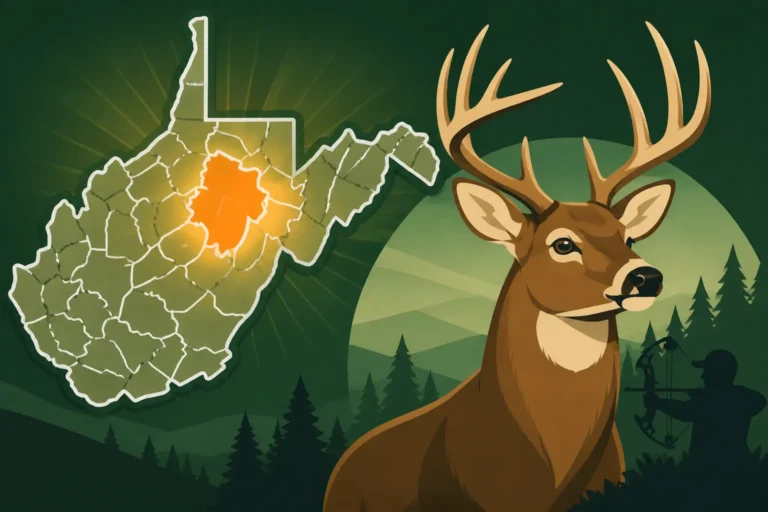
Coyotes, as we've already touched upon, have truly become ubiquitous in West Virginia. From the Allegheny Highlands to the Ohio River Valley bottomlands, you'd be hard-pressed to find a county where they haven't established a foothold. However, their density isn't consistent. Areas with a mix of dense cover, open agricultural fields, and consistent prey populations often support higher numbers. For example, parts of the Eastern Panhandle, with its patchwork of farms, woodlots, and suburban sprawl, can have surprisingly high coyote densities due to abundant food sources like deer, rabbits, and rodents, alongside easy access to carrion. Conversely, the most remote, high-elevation wilderness areas, while still home to coyotes, might have slightly lower densities due to harsher conditions and less concentrated food.
Understanding the West Virginia Coyote Range and Density helps hunters predict where they might have the most success. These animals are incredibly adaptable, thriving wherever there's food and cover. They don't mind human presence, often living undetected right on the edges of towns and cities, using drainage ditches and overgrown fencerows as travel corridors. This adaptability makes them a challenge to manage but also provides year-round hunting opportunities across virtually the entire state.
Coyote Diet and Impact on Prey Species
Coyotes are opportunistic omnivores, meaning they'll eat just about anything they can get their paws on. While often maligned as deer killers, their diet is incredibly varied and largely dictated by what's available seasonally and regionally. A significant portion of their diet consists of small mammals like mice, voles, rabbits, and groundhogs. They'll also readily consume fruits, berries, insects, and carrion.
However, their impact on deer populations is a legitimate concern for many hunters, especially regarding fawns. During the spring fawning season, coyotes can be very effective predators of newborn deer. A single coyote might account for multiple fawns in a short period. This isn't just anecdotal; scientific studies, including some conducted in states similar to West Virginia, have shown that predator impact on West Virginia Fawn Survival Rates can be substantial, particularly when deer populations are already stressed or in areas with high coyote densities. Adult deer are far less vulnerable to coyotes, though a pack may occasionally take down an older or injured deer, especially during harsh winter conditions. Beyond deer, coyotes can also impact wild turkey populations by preying on nests and poults, though again, their role is often one piece of a larger puzzle that includes habitat quality and other predators.
West Virginia Coyote Attacks on Livestock
For many rural West Virginia residents, particularly farmers and ranchers, coyotes aren't just a concern for wildlife—they're a direct threat to their livelihood. While coyotes generally prefer wild prey, they are quick to exploit easy food sources, and livestock can unfortunately fall into this category. Sheep, goats, and poultry are particularly vulnerable, especially young animals. Calves can also be targeted, though typically only by larger or more experienced coyotes, or when they are very young and isolated.
The economic impact of West Virginia Coyote Attacks on Livestock can be devastating for small farms. A farmer might wake up to find several lambs or chickens killed, leading to significant financial losses and emotional distress. It’s a stark reminder that while coyotes play a natural role in the ecosystem, their presence brings very real challenges for those living and working in rural areas. Local agricultural extension offices and the West Virginia Department of Agriculture often provide resources and advice for deterring coyote predation, ranging from fencing solutions to livestock guardian animals. This ongoing conflict often fuels the desire among landowners to actively manage coyote populations.
Other Key Predators in the Mountain State
While coyotes dominate many conversations about West Virginia's predators, they are by no means the only significant carnivores roaming our hills and hollows. A diverse array of other species plays crucial roles in the ecosystem, each with its own characteristics and impacts.
West Virginia's Recovering Bobcat Population
For generations, the bobcat was a secretive, elusive ghost of the West Virginia woods, a creature many only hoped to glimpse. Decades ago, their populations were suppressed due to unregulated hunting and habitat loss. However, thanks to improved wildlife management and regulated trapping seasons, the West Virginia's Recovering Bobcat Population has made an impressive comeback. These sleek, powerful felines are now found in good numbers across much of the state, particularly in areas with dense cover, rugged terrain, and healthy small game populations.
Bobcats are specialist hunters, primarily preying on rabbits, hares, squirrels, and various rodents. They are incredibly efficient predators, often stalking their prey with stealth and delivering a quick, decisive pounce. While they may occasionally take a fawn or turkey, their primary impact is generally on smaller game species. Their recovery is a testament to successful conservation efforts and represents a vital piece of the state's natural heritage. Seeing a bobcat slinking through the undergrowth is a true privilege, a sign of a healthy and balanced ecosystem.
Foxes Red and Gray: Opportunistic Hunters
West Virginia is home to two distinct species of fox: the red fox and the gray fox. Both are clever, opportunistic predators, but they occupy slightly different ecological niches.
Red Foxes are often associated with open country, farmlands, and the edges of forests, though they are adaptable and can be found in more wooded areas as well. They are generalist predators with a diet that includes rodents, rabbits, birds, insects, and fruits. Their cunning and ability to exploit various food sources make them highly successful. For farmers, red foxes can sometimes be a nuisance to poultry, but their role in controlling rodent populations is invaluable.
Gray Foxes, on the other hand, are more typically found in dense woodlands and brushy habitats. They possess a unique adaptation: semi-retractable claws that allow them to climb trees with surprising agility. This arboreal skill gives them an advantage over the red fox in certain environments, allowing them to escape danger or hunt for prey like squirrels and roosting birds in the canopy. Their diet is similar to the red fox, focusing on small mammals, birds, and plant matter. Both fox species contribute to the overall health of the ecosystem by helping to regulate small game populations, and both offer opportunities for dedicated furbearer hunters and trappers.
Black Bears as Apex Predators
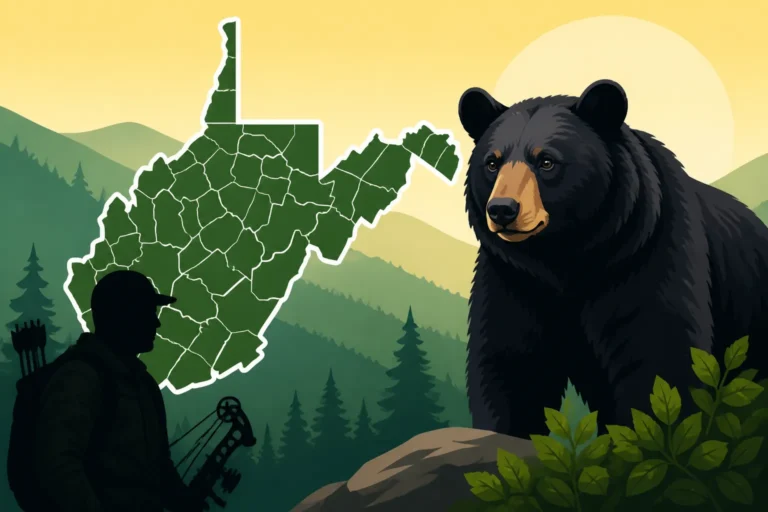
While often thought of as an iconic large game animal, the black bear is undoubtedly one of West Virginia's most significant predators. The West Virginia's Black Bear Comeback is one of the state's greatest conservation success stories. From a small remnant population decades ago, bears now inhabit all 55 counties, with robust numbers, particularly in the forested eastern and southern regions.
Black bears are omnivores, meaning their diet is incredibly diverse. They consume a vast array of plant matter—berries, nuts, roots, grasses—and insects, grubs, and carrion. However, they are also capable and willing predators. They will opportunistically prey on deer fawns, wild turkey poults, and sometimes even small livestock if the opportunity arises. During a poor mast year, when acorns and other natural foods are scarce, bears may rely more heavily on protein sources, including depredation on livestock or increased predation on fawns. While less of a constant pursuit predator like a coyote, a large bear can certainly impact local prey populations. Their sheer size and strength place them at the top of West Virginia's food chain, a true symbol of our state's wild character.
Managing Predator Populations and Hunter Opportunities
The presence of a healthy and diverse predator population is a sign of a balanced ecosystem, but it also means that active management and responsible hunting play a critical role. For West Virginia hunters, predators, particularly coyotes, offer unique and often challenging pursuits.
West Virginia Coyote Hunting Season Status and Rules
One of the most appealing aspects of coyote hunting in West Virginia is its liberality. Unlike most game animals with strict seasons and bag limits, coyotes can be hunted year-round, day or night, throughout the state. This stems from their status as an unprotected species, often viewed as a nuisance or an overabundant predator. This open season provides endless opportunities for hunters who want to contribute to local predator management or simply enjoy the thrill of the chase.
However, while the season is open, there are still important rules to follow regarding legal hunting methods. For instance, while night hunting is permitted, specific regulations apply regarding lighting. It’s crucial to check the current West Virginia hunting regulations, which are updated annually by the West Virginia Division of Natural Resources (WVDNR), to ensure compliance. Hunters must possess a valid West Virginia hunting license. Given the year-round nature, it’s a great way to stay sharp and in the woods even outside of deer or turkey season, making it an increasingly popular pursuit for many.
Trapping Regulations for Coyotes and Furbearers
Trapping offers another effective method for managing coyote populations and harvesting other furbearers like bobcats and foxes. West Virginia has specific trapping seasons and regulations that apply to furbearers, which are typically much more restrictive than the open coyote hunting season. For species like bobcats, there are strict season dates, tag requirements, and reporting obligations.
Coyotes, on the other hand, often fall under more lenient trapping rules, sometimes allowing for year-round trapping on private land with landowner permission, especially in cases of depredation. However, all trappers must possess a valid West Virginia trapping license and adhere to regulations regarding trap types, placement, and checking intervals. Understanding Trapping West Virginia Muskrat and Beaver regulations can also provide insight into the general framework for furbearer trapping in the state. Trapping requires significant knowledge of animal behavior, tracking, and ethical trap setting, making it a specialized skill. It plays a vital role in wildlife management by reducing predator numbers in specific areas, especially where livestock depredation is a concern, or where hunters want to potentially increase fawn or turkey poult survival.
Predator Calling Tactics for West Virginia Ridgelines
For many, the true art of predator hunting lies in calling. Mimicking distress cries of prey animals or the vocalizations of other coyotes can draw these wary canids into range, offering an adrenaline-pumping experience. West Virginia's diverse terrain, from deep hollows to steep ridgelines, presents unique challenges and opportunities for callers.
When hunting Predator Calling West Virginia Ridgelines, strategy is key. Wind direction is paramount; you always want the wind in your face or crosswind to prevent your scent from carrying to approaching predators. Elevated positions on a ridge offer a good vantage point for spotting coyotes approaching from below or across valleys. Calls can range from electronic callers with a vast library of sounds to traditional mouth calls mimicking rabbit distress or fawn bleats. Many hunters start with softer, inquisitive calls and increase volume and intensity if there’s no response. Patience is a virtue, as coyotes often circle downwind before committing, trying to get a scent of the "distressed" animal. Successful calling not only provides thrilling hunting experiences but also directly contributes to localized predator control efforts.
The Complexities of Predator Management and Ecosystem Balance
The discussion around predators often evokes strong opinions, particularly concerning their impact on game species and livestock. However, a holistic view reveals a much more nuanced picture where predators are integral to a healthy ecosystem.
Predator Impact on Fawn Recruitment
The impact of predators on deer fawn recruitment is a hot topic among West Virginia deer hunters, and for good reason. It's frustrating to watch deer numbers seemingly decline in some areas, or to rarely see fawns in the late summer, and naturally, predators often take the blame. Studies, including those conducted in states with similar environments to West Virginia, have consistently shown that predation, particularly by coyotes and sometimes black bears, can be a significant factor in fawn mortality. This is especially true in the first few weeks of a fawn's life when they are most vulnerable.
However, it's critical to understand that predation is rarely the sole factor dictating deer populations. Habitat quality, disease (like EHD or CWD), winter severity, and nutrition all play equally, if not more, significant roles. A healthy doe in prime habitat, with access to excellent nutrition, is more likely to give birth to twins or triplets, and her fawns are often healthier and more adept at hiding. Conversely, does in poor habitat, or those suffering from stress, may have fewer, weaker fawns, making them more susceptible to predation. Therefore, while coyote and bear predation is a real concern, especially for those hoping to boost deer numbers, truly effective management requires a multifaceted approach that includes habitat improvement and West Virginia Deer Season Structure Explained that accounts for overall herd health.
The Role of Predators in Disease Control
While predators can certainly exert pressure on prey populations, they also perform a vital ecological service: acting as natural disease control agents. By preying on weak, sick, or injured animals, predators help to cull the less fit individuals from a prey population. This process, often referred to as "natural selection," helps to prevent the spread of diseases within the herd.
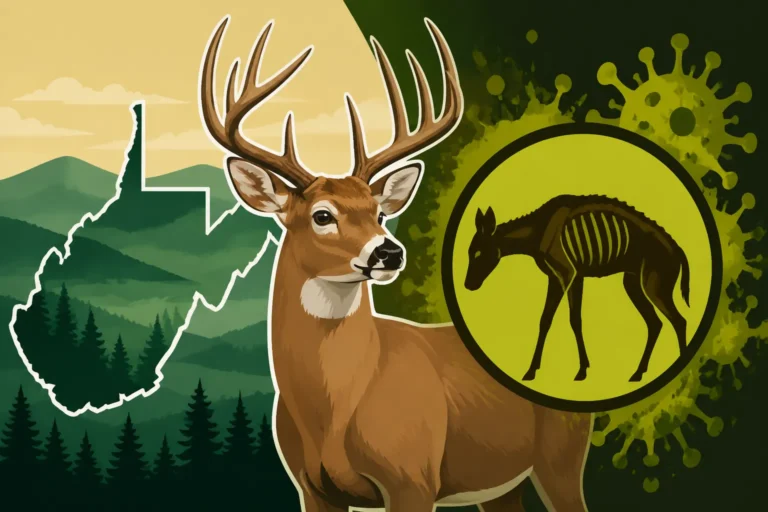
For example, a deer infected with Chronic Wasting Disease (CWD) or weakened by parasites might become an easier target for a coyote or bobcat. By removing these compromised animals, predators can potentially slow the transmission rate of pathogens. While this isn't a silver bullet for widespread disease outbreaks, it's a constant, background process that benefits the overall health and genetic fitness of prey species. In an era where diseases like CWD are a growing concern in West Virginia, understanding every aspect of ecosystem health, including the role of natural predators, becomes even more important. West Virginia Wildlife Disease Monitoring is an ongoing effort that helps us understand these complex dynamics.
Balancing Predator Control with Conservation
The challenge for wildlife managers, hunters, and landowners is finding the right balance between predator control and broader conservation goals. On one hand, localized predator control can be very effective in mitigating specific problems, such as livestock depredation or boosting fawn survival in a targeted area. For example, ranchers might implement active coyote removal programs. On the other hand, predators are natural and necessary components of a healthy ecosystem. They contribute to biodiversity, maintain ecological balance, and, as discussed, help with disease control.
West Virginia's approach generally reflects this balance. The year-round open season on coyotes acknowledges their adaptability and widespread impact, providing a tool for hunters and landowners to manage their numbers. However, other native predators like bobcats and black bears are managed with regulated seasons and bag limits, recognizing their slower reproductive rates and their value as game species and ecosystem components. The goal isn't to eradicate predators, but to manage their populations in a way that allows for healthy prey populations, minimizes human-wildlife conflict, and preserves the ecological integrity of West Virginia's wild places. Organizations like GoHunt provide valuable mapping and scouting tools that can help hunters identify areas where such management efforts might be most effective.
Gear and Strategies for Predator Hunting
If you're looking to put your hunting skills to the test and contribute to predator management, having the right gear and a solid strategy is essential. West Virginia's rugged terrain and varied conditions mean you need to be prepared for anything.
Essential Gear for Calling and Hunting Coyotes
Hunting coyotes, especially when calling them, requires a specific setup to maximize your chances of success. It's not just about the gun; it's about blending in, staying comfortable, and being effective.
- Firearm Choice: A flat-shooting rifle is often preferred for coyotes, especially in more open terrain where shots can be longer. Calibers like .223 Remington, .22-250 Remington, or 6.5 Creedmoor are popular for their accuracy and minimal pelt damage (if you plan to save the fur). Shotguns loaded with buckshot or heavy magnum turkey loads can be highly effective in thick cover or at closer ranges, like when you're hunting dense laurel thickets. Don't forget proper Rifle Setups for West Virginia Deer Hunting can often be adapted for coyote hunting.
- Optics: A good rifle scope with sufficient magnification for identifying targets at range is crucial. Binoculars (8x or 10x) are indispensable for scanning distant cover and spotting subtle movements. A rangefinder can help confirm distances, especially important in undulating West Virginia terrain.
- Calls: Both electronic and mouth calls have their place. Electronic callers offer a wide variety of sounds (distress calls, pup howls, breeding vocalizations) and allow you to place the sound source away from your position. Mouth calls require more skill but are lightweight, reliable, and versatile.
- Camouflage and Scent Control: Coyotes have excellent eyesight and an incredible sense of smell. Full camouflage, including face masks and gloves, is essential. Scent control measures, from specialized clothing to sprays, can help minimize your human odor.
- Comfort and Patience: A comfortable seat or cushion, especially for longer sits, and trekking poles for navigating steep slopes, are often overlooked but can make a huge difference in your ability to remain still and patient. GoHunt maps can also help you scout ideal setup locations before you even step foot in the woods.
Night Hunting Rules for West Virginia Coyotes
Hunting coyotes at night adds an extra layer of challenge and excitement, but it's vital to know and follow the specific regulations in West Virginia. The state does allow for Night Hunting Rules for West Virginia Coyotes, but with certain restrictions. Generally, you can use artificial lights, but often only those that are handheld or attached to the gun itself. Vehicle-mounted spotlights for hunting from a road are typically prohibited. There might also be restrictions on specific types of night vision or thermal optics, so always consult the latest WVDNR regulations.
When hunting at night, safety is paramount. Always be absolutely certain of your target and what lies beyond it. Visibility is drastically reduced, increasing the risk of misidentification or accidental discharge. Hunting with a partner, establishing clear zones of fire, and using headlamps with a red light filter (to preserve night vision) for navigating in and out are all crucial considerations. Night hunting can be incredibly effective, as coyotes are often more active under the cover of darkness, but it demands even greater discipline and adherence to safety protocols.
Safety Considerations When Predator Hunting
Predator hunting, like any hunting activity, carries inherent risks that demand a strong focus on safety. Beyond the standard firearm safety rules, there are some specific considerations for pursuing coyotes and other predators in West Virginia.
First and foremost, always identify your target positively. Coyotes can look similar to domestic dogs, especially at a distance or in low light. Never shoot at movement, sound, or a silhouette without absolute certainty. Be mindful of property lines, especially when hunting close to populated areas or farmlands; knowing West Virginia Trespass and Permission Law is critical. Even though coyotes have an open season, you still need permission to hunt private land.
When calling, be aware that you are mimicking an animal in distress, which can attract other predators, including black bears. While bear attacks are rare, it's wise to be alert and aware of your surroundings. If hunting with partners, maintain clear communication and establish zones of fire. Wearing some blaze orange or pink is a good idea when moving, especially during overlapping big game seasons, even if not strictly required for coyote hunting. The rugged terrain of West Virginia also demands physical preparedness and awareness of potential hazards like steep drops, slippery rocks, and dense briar patches. Always carry a first-aid kit, a map (physical and digital, perhaps using a tool like GoHunt), and let someone know your hunting plans and expected return time.
Common Misconceptions and Future Outlook
The conversation surrounding predators in West Virginia is often fraught with misunderstanding and strong emotions. Dispelling some common myths and looking at the future helps us approach predator management with a more informed perspective.
Debunking Predator Myths
Many misconceptions about coyotes and other predators persist, often fueled by fear or anecdote rather than scientific fact. One common myth is that killing a few coyotes will significantly boost deer numbers statewide. While localized, intensive predator removal can temporarily increase fawn survival in a small area, it's generally not a long-term solution for an entire region. Coyotes are incredibly resilient and have high reproductive rates, meaning their populations rebound quickly. Furthermore, other factors like habitat quality often have a greater overall impact on deer numbers.
Another myth is that coyotes are exclusively nocturnal "killers." While they are often more active at night, especially near human habitation, they are perfectly capable of hunting during the day and are often observed in broad daylight. The idea that coyotes are inherently "evil" or "bloodthirsty" also sensationalizes their natural behavior; they are simply trying to survive, just like any other wild animal. Understanding their biology and behavior, rather than relying on folklore, allows for more effective and realistic management strategies.
Emerging Predator Challenges
The future of predator management in West Virginia is not without its challenges. As human populations expand and fragment habitats, human-wildlife conflicts, particularly with bears and coyotes, are likely to increase. Bears moving into suburban areas, for example, are becoming a more frequent occurrence, leading to calls for increased management. Similarly, coyotes continuing to adapt to urban fringes may present new challenges for livestock owners and even pet owners.
Another emerging challenge is the potential for disease transmission. As predator populations interact more with domestic animals and humans, the risk of diseases like rabies or mange spreading can become a concern. The ongoing presence of Chronic Wasting Disease in West Virginia Deer also raises questions about how predators might impact its spread or control. Monitoring these interactions and adapting management strategies will be crucial in the coming years.
The Evolving Role of Hunters in Predator Management
Hunters have always played a critical role in wildlife conservation and management, and their importance in predator management is only growing. For coyotes, the year-round, open season places the onus of management largely on the shoulders of hunters. By actively hunting coyotes, hunters directly contribute to population control, potentially alleviating pressure on local deer and turkey populations, and helping to reduce livestock depredation.
Beyond direct removal, hunters also serve as valuable eyes and ears on the ground. Reporting unusual sightings, signs of disease, or significant depredation to the WVDNR helps wildlife biologists gather crucial data to inform broader management decisions. The ethical predator hunter embraces their role not just as a harvester, but as a steward of the land, understanding that a balanced ecosystem benefits all species, including the ones we pursue. Continuing education, responsible hunting practices, and a commitment to understanding the full ecological picture are vital for hunters to effectively contribute to West Virginia's predator management into the future.
Disclaimer
The information provided in this guide is for general informational purposes only and does not constitute legal advice. Hunting regulations and laws in West Virginia can change. Always consult the most current West Virginia Division of Natural Resources (WVDNR) hunting and trapping regulations before engaging in any hunting or trapping activities. It is your responsibility to know and follow all applicable state and federal laws.