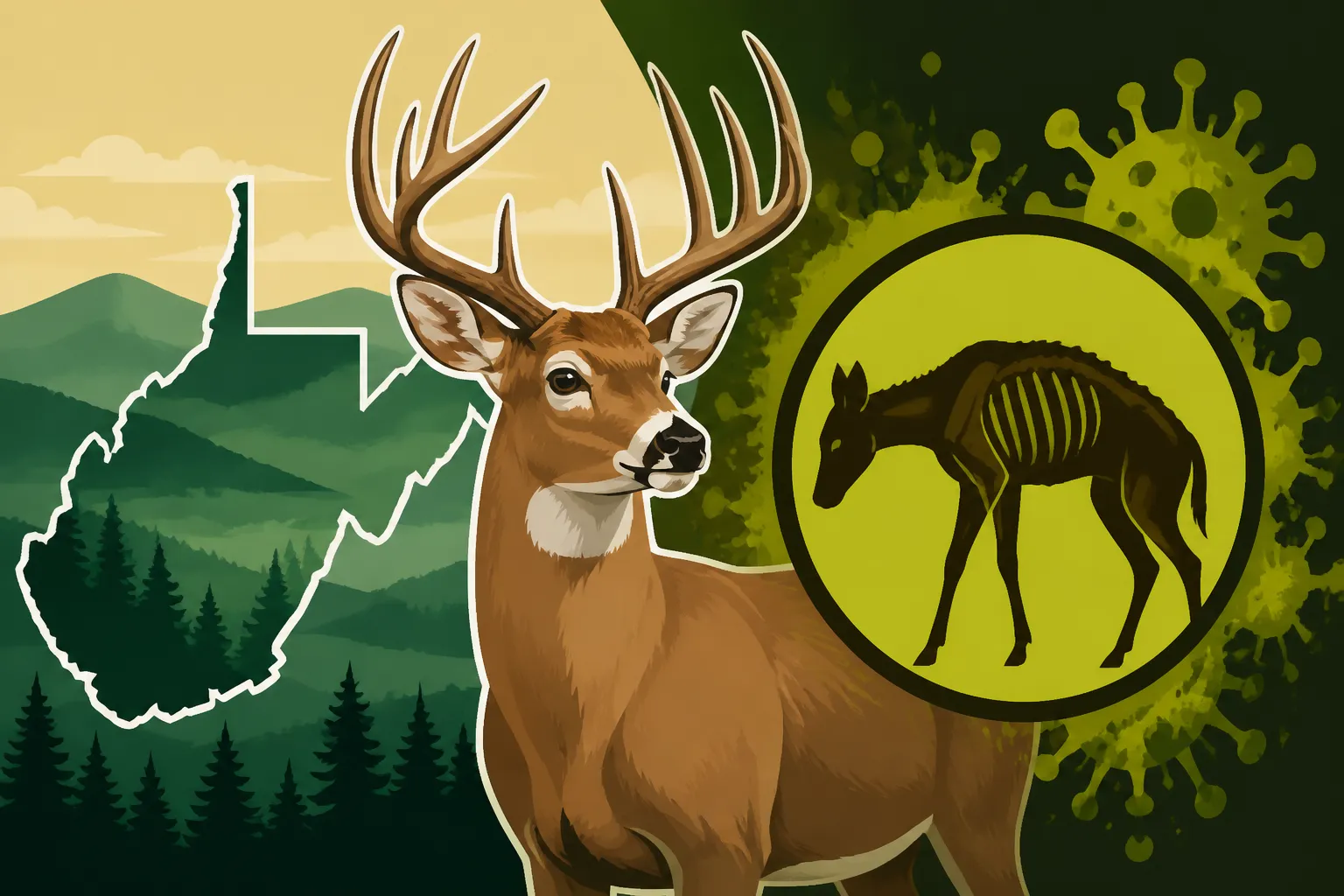
Chronic Wasting Disease in West Virginia Deer
The news hit us like a gut punch, didn't it? When Chronic Wasting Disease (CWD) first appeared in West Virginia, many of us felt a knot in our stomachs. This isn't just another deer ailment; it's a silent, persistent threat that changes how we hunt, how we think about our venison, and how we interact with our beloved wild places. This comprehensive guide is here to unravel the complexities of CWD in the Mountain State, offering clarity on its nature, its spread, and what every West Virginia hunter needs to know to navigate these challenging times safely and responsibly.
Understanding Chronic Wasting Disease (CWD)
Chronic Wasting Disease (CWD) isn't something to take lightly. It's a progressive, fatal neurological disease that affects cervids, which include deer, elk, and moose. Think of it as a relentless, invisible enemy that targets the brain and nervous system, leading to a slow, irreversible decline. This isn't a bacterial or viral infection in the traditional sense; it's caused by abnormal proteins called prions. These rogue proteins essentially "misfold" normal proteins in the brain, creating a chain reaction that slowly destroys brain tissue.
What CWD Is and How It Spreads
At its core, CWD is a transmissible spongiform encephalopathy (TSE), a family of diseases that includes mad cow disease in cattle and scrapie in sheep. Unlike most diseases, CWD isn't caused by a living organism like a virus or bacteria. Instead, it's caused by these tough, persistent prions. Once a deer is infected, these prions accumulate in the brain, spinal cord, lymph nodes, and other tissues, slowly eating away at the animal's neurological function. The incubation period can be incredibly long, often taking months or even years before any symptoms become apparent. This is one of the insidious aspects of CWD: an infected deer can appear perfectly healthy for a long time while actively shedding prions into the environment.
The primary ways CWD spreads are through direct animal-to-animal contact and indirectly through environmental contamination. Direct contact involves deer interacting, often through saliva, urine, and feces. Imagine deer licking shared mineral licks, rubbing antlers on the same trees, or simply congregating in feeding areas; all these create opportunities for transmission. However, the environmental spread is where CWD gets particularly nasty. Prions are incredibly resilient. They can persist in soil, on plants, and in water sources for years, even decades, after an infected animal has passed through or died. This means that even if all infected deer were somehow removed, the environment itself could remain a source of infection for future generations of deer. The prions bind to soil particles and can be taken up by plants, creating a kind of biological landmine for susceptible animals.
Symptoms and Impact on Deer
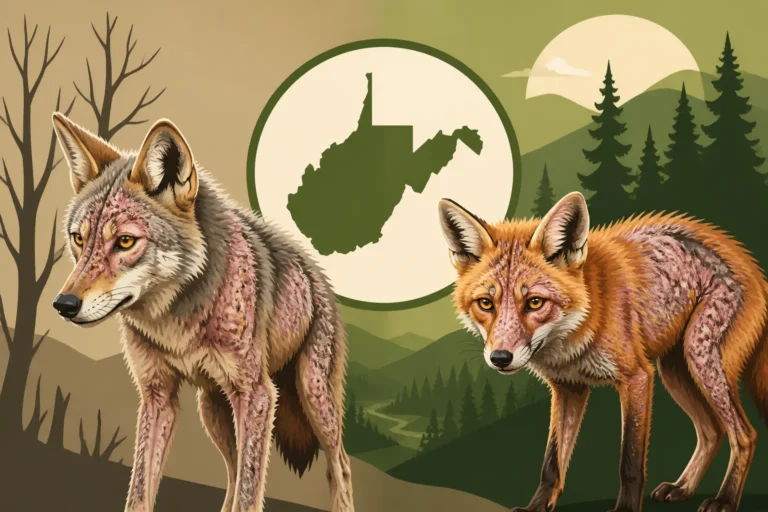
Watching a deer suffer from CWD is truly heartbreaking. Because it's a neurological disease, the symptoms are primarily behavioral and physical manifestations of brain degeneration. Initially, a deer might just seem a little "off" – perhaps less wary, more solitary, or a bit disoriented. As the disease progresses, these subtle signs become much more pronounced. Infected deer typically show significant weight loss, leading to the "wasting" part of the name, despite continuing to eat. They might exhibit a staggered gait, poor coordination, or carry their head in an unusual, lowered position. Excessive drooling, difficulty swallowing, and increased thirst are also common. You might see them standing listlessly, ears drooping, or with a vacant stare.
The impact on an individual deer is, sadly, always fatal. There is no cure, and once symptoms appear, death is inevitable, usually within a few weeks or months. But the impact extends far beyond the individual animal. For the herd, CWD can lead to chronic mortality, reducing population numbers and disrupting age structures. In areas with high prevalence, CWD can cause population declines that are more significant than those from hunting pressure. It reduces fawn survival rates, lowers reproductive success in does, and generally weakens the herd's overall health and resilience. This directly impacts hunters by reducing deer availability and trophy quality over time, and it places immense pressure on wildlife agencies to manage the disease effectively while still providing hunting opportunities.
CWD and Human Health Concerns
This is often the first question on every hunter's mind: can CWD infect humans? It’s a very legitimate concern, and it's essential to rely on the best available scientific information. The Centers for Disease Control and Prevention (CDC) and the World Health Organization (WHO) currently state that there is no strong scientific evidence that CWD can be transmitted to humans. However, they also advise extreme caution. Studies have shown that CWD can be transmitted to non-human primates in experimental settings, particularly when brain or spinal cord tissue from infected deer is consumed. This means the potential for a "species barrier" to be crossed, even if difficult, cannot be entirely ruled out.
Because of this uncertainty, public health officials strongly recommend against consuming meat from CWD-positive deer. Many states, including West Virginia, urge hunters to have their deer tested if harvested in a CWD containment area, and to wait for test results before consuming the meat. If you harvest a deer that appears sick or exhibits any CWD symptoms, it's best not to consume the meat and to contact the West Virginia Division of Natural Resources (WVDNR) immediately. Ongoing research continues to monitor for any potential human health links, but for now, the prudent approach is to play it safe and avoid any unnecessary risks. We all want to enjoy our venison with peace of mind.
CWD's Arrival and Spread in West Virginia
The day CWD was confirmed in West Virginia was a somber one for many of us. It brought a whole new layer of challenge to our hunting traditions and conservation efforts. Understanding how it arrived and subsequently spread helps us appreciate the ongoing efforts to manage this disease.
The First Detection and Initial Response
West Virginia first confirmed the presence of CWD in a white-tailed deer in 2016. The unfortunate distinction of being "ground zero" fell to Hampshire County, specifically a deer harvested near the eastern border. This wasn't a surprise to many wildlife officials, as neighboring states like Maryland and Virginia had already detected CWD. The disease tends to creep across state lines, often unnoticed, until a surveillance sample finally turns up positive. For us, it meant the threat was no longer theoretical; it was real and present. The immediate aftermath was a whirlwind of activity for the WVDNR. Their primary goal was to understand the extent of the infection and implement measures to slow its spread.
Upon confirmation, the WVDNR moved swiftly to establish a CWD Containment Area. This initial zone was centered around the detection point in Hampshire County and included adjacent counties or portions thereof. The designation wasn't arbitrary; it was a scientifically-driven attempt to geographically isolate the disease, or at least the known hot spots. Hunters who remembered when West Virginia's Chronic Wasting Disease Counties were first announced knew things were changing. Key to this initial response was enhanced surveillance, meaning more mandatory testing of harvested deer within the containment area, and stringent carcass movement restrictions to prevent hunters from inadvertently transporting prions to new, unaffected areas. This immediate, decisive action was crucial in those early days to prevent a rapid, uncontrolled explosion of the disease across the state.
How CWD Spread From Hampshire County
CWD is a master of stealth, and its spread from that initial detection in Hampshire County has been a slow, insidious creep. The disease doesn't respect county lines or private property boundaries, moving where deer move. Natural deer dispersal patterns are a major factor. Young bucks, particularly, are known to travel significant distances from their birth areas in search of new territories and breeding opportunities. If an infected buck disperses into a new area, he can establish a new hotspot. Over time, CWD detections emerged in neighboring counties such as Mineral and Morgan, expanding the known affected areas. This geographical spread is painstakingly tracked by the WVDNR through continued surveillance and testing.
Beyond natural deer movement, human activity can unfortunately contribute to CWD spread. The most significant concern is the transportation of infected deer carcasses or high-risk parts (brain, spinal cord, lymph nodes) from a CWD-positive area to an unaffected one. A hunter who harvests a CWD-positive deer in Hampshire County, for instance, and then takes the entire carcass back to their camp in Pocahontas County before processing, could inadvertently introduce prions into an entirely new environment. This is why regulations about moving deer are so critical. Things like baiting and supplemental feeding, while often done with good intentions, can also contribute to spread by concentrating deer in unnaturally high densities, increasing direct contact and environmental contamination. It's a complex puzzle, but the WVDNR continues to monitor and adapt, providing data on How Many West Virginia Counties Have Found CWD as the situation evolves.
Containment Areas and Their Evolution
The concept of CWD containment areas is central to West Virginia's management strategy. These aren't just lines on a map; they are zones where specific, often stricter, hunting regulations are in place to try and control the disease. When CWD was first detected, the initial containment area was drawn, but as new cases were confirmed in adjacent counties, these boundaries have had to evolve. For example, if a positive deer is found just outside an existing containment zone, the WVDNR will likely expand the zone to include that new area, aiming to encompass all known infections and prevent further outward spread. This means hunters need to stay vigilant about checking the most current WVDNR regulations, as the map can change from season to season.
Within these containment areas, management strategies are ramped up. This often includes mandatory CWD testing for all harvested deer, increased antlerless deer harvest opportunities, and restrictions on feeding and baiting. The goal of these measures is twofold: first, to reduce deer densities, which theoretically reduces deer-to-deer contact and the overall prion load in the environment; and second, to identify infected animals through testing to gather more data and prevent their meat from entering the food chain. Understanding these dynamic zones is paramount for any hunter in West Virginia, as regulations can vary dramatically from one county to the next, especially in areas bordering a CWD zone.
West Virginia's CWD Containment Area Regulations for Hunters
Hunting in a CWD containment area requires a different mindset and a strict adherence to specific regulations. These rules are not arbitrary; they are the WVDNR's best tools to fight the spread of this relentless disease. Knowing them inside and out is your responsibility as a West Virginia hunter.
Mandatory Testing and Sampling Stations
For hunters like us, perhaps the most significant change in CWD containment areas is the requirement for mandatory testing. When you harvest a deer in a designated CWD county, it's not simply a matter of checking it online and heading home. You must submit specific tissues for CWD testing. The process is designed to be as straightforward as possible, but it does require an extra step. Typically, hunters are required to submit the deer's head, or sometimes specific lymph nodes and brainstem tissue, at designated CWD sampling stations. These stations are often conveniently located at WVDNR offices, various check stations, or even self-service kiosks.
The importance of this mandatory testing cannot be overstated. It provides critical surveillance data to the WVDNR, allowing them to track the prevalence and geographical spread of CWD. Without hunter cooperation, their ability to monitor the disease would be severely hampered. To make it easier, the WVDNR provides clear instructions on how to collect samples, or staff are available at manned stations to assist. You can often find a map of these stations and detailed instructions on the WVDNR website. Keep in mind that there's a deadline for submission, usually within a few days of harvest. If you're wondering about the specifics, West Virginia CWD Testing for Hunters is a crucial resource to review before heading afield in a CWD zone. Every sample helps paint a clearer picture of the disease's footprint.
Carcass Movement Restrictions
One of the most effective ways CWD can spread is through the movement of infected carcasses. To combat this, West Virginia has strict carcass movement restrictions for deer harvested within CWD containment areas. These rules dictate what parts of a deer can and cannot be transported out of a CWD-affected county. Essentially, the goal is to prevent high-risk tissues – those parts most likely to contain CWD prions – from leaving the containment area and potentially contaminating new environments. High-risk tissues include the brain, spinal cord, eyes, spleen, and lymph nodes.
What does this mean for you, the hunter? It means you can't just throw an entire, unskinned deer into the back of your truck in Hampshire County and drive it across the state to your home in Putnam County for processing. Instead, you're generally permitted to move deboned meat, cleaned skull plates (for antlers), clean hides, and teeth. The parts that pose a high risk of spreading CWD must either be left within the containment area or disposed of in an approved manner. Many hunters in CWD zones will field dress their deer thoroughly and then process it down to deboned meat at a local processor or directly at their hunting camp before leaving the area. This can be a hassle, especially after a long hunt, but it's a vital measure to protect the rest of the state's deer herd. For detailed guidance, understanding West Virginia Carcass Movement Restrictions is non-negotiable before you hit the woods.
Feeding and Attractant Bans
Another critical regulation in West Virginia's CWD containment areas is the prohibition on feeding and using attractants for deer. While many of us enjoy putting out minerals or corn in the off-season, hoping to grow bigger bucks or simply observe deer, these practices concentrate animals. When deer gather in close proximity at a bait pile or mineral site, the chances of direct nose-to-nose contact increase dramatically. More contact means more opportunities for saliva, urine, and feces — all potential carriers of CWD prions — to be exchanged. Furthermore, these sites become contaminated with prions, creating a persistent environmental reservoir for the disease.
For these reasons, the WVDNR bans supplemental feeding, baiting, and the use of mineral licks or other attractants in CWD containment areas. This restriction is in effect year-round, not just during hunting season. It's a challenging ask for hunters who are used to these traditions, but it's a necessary step to reduce the potential for CWD transmission. Violating these bans carries penalties, so it's essential to be aware of the specific boundaries of CWD zones and to comply fully. While frustrating for some, these regulations are designed to disrupt the disease's natural spread mechanisms by preventing the unnatural congregation of deer.
Management Strategies and Their Effectiveness
Combating CWD is an ongoing battle, and the WVDNR employs a multifaceted approach to manage the disease. These strategies blend science, regulation, and hunter cooperation to mitigate CWD's impact on our deer herds.
Increased Harvest and Antlerless Opportunities
One of the primary management tools in CWD containment areas is the strategic increase in deer harvest, particularly antlerless deer. The logic is straightforward: reducing the overall deer population density can help lessen deer-to-deer contact, thereby slowing the rate of CWD transmission. More deer in a given area means more interactions, and thus more chances for prions to spread. By encouraging hunters to take more does, the WVDNR aims to bring densities down to a level where the disease might have a harder time jumping from animal to animal.
This often translates into more liberal bag limits for antlerless deer during the regular hunting seasons within CWD counties. You might find special extended antlerless seasons, additional bonus antlerless tags, or specific county-by-county regulations that differ from statewide norms. For instance, in areas like Hampshire, Mineral, or Morgan counties, you might have access to extra permits that allow you to harvest more does than in unaffected counties. This strategy leverages the hunting community as a vital management force. Hunters who participate in these increased harvest opportunities are directly contributing to CWD management, helping to keep deer populations healthier overall. To understand these specific regulations, consult the current West Virginia County-Specific Antlerless Rules for your target hunting area.
Research and Monitoring Efforts
While hunters are on the front lines, a significant part of CWD management happens behind the scenes through diligent research and monitoring. The WVDNR, often in collaboration with universities and federal agencies, invests heavily in understanding CWD's behavior in our specific West Virginia landscape. This includes continuous surveillance, which is fueled by the mandatory hunter-submitted samples, but also involves more in-depth studies. For example, researchers might collar deer with GPS trackers in CWD-affected zones to monitor their movements, dispersal patterns, and survival rates. This data helps identify how far and how quickly CWD is spreading and what factors influence its movement.
These efforts are crucial for informed decision-making. Researchers track disease prevalence rates – how many deer test positive – over time, allowing the WVDNR to assess if their management strategies are having an effect. They analyze environmental factors, genetic susceptibilities, and transmission dynamics unique to our region. This isn't just about finding positive deer; it's about understanding the entire ecosystem. The insights gained from studies like What Collared Deer Research Revealed in Hampshire County provide invaluable data, helping wildlife managers fine-tune regulations and predict future spread. This scientific foundation is the backbone of West Virginia's long-term CWD management plan.
Public Education and Hunter Participation
Perhaps no single factor is as important in the fight against CWD as an informed and engaged hunting community. The WVDNR recognizes that hunters are their most valuable partners in managing this disease, and effective communication and education are paramount. They dedicate considerable resources to public outreach, holding informational meetings, distributing brochures, and constantly updating their website with the latest CWD news and regulations. The goal is to ensure every hunter understands the threat, the rules, and their role in the solution.
Hunter participation goes beyond simply following the rules. It involves actively contributing to surveillance by submitting deer for testing, reporting sick or abnormal-acting deer to the WVDNR, and spreading accurate information within hunting circles. It's about being an ethical steward of the resource, recognizing that these measures, while sometimes inconvenient, are for the greater good of the deer herd and the future of hunting in West Virginia. Our collective vigilance and willingness to adapt are what will ultimately make the biggest difference.
Hunting Within a CWD Containment Area: What Hunters Need to Know
Hunting in a CWD containment area requires a bit more forethought and planning, but it's absolutely still a rewarding experience. Knowing what to expect and how to prepare will ensure a safe, compliant, and enjoyable hunt.
Planning Your Hunt in a CWD County
Before you even load your rifle or string your bow, a successful hunt in a CWD county starts with thorough planning. The first step is to always, always check the current WVDNR regulations. CWD zones and their specific rules can be updated annually, so what was true last season might not be this season. Familiarize yourself with the exact boundaries of the CWD containment area for your chosen hunting location. Are you just inside, or right on the edge? This will determine which rules apply to you.
Next, identify the nearest CWD sampling stations. Know their operating hours and exactly what you'll need to submit (usually the head). Apps like the WVDNR's official app or those offered by companies like GoHunt can be invaluable resources. GoHunt, for example, often provides updated boundary maps, regulation summaries, and points of interest that can include sampling station locations, making it easier to stay informed while in the field. Having a plan for what to do immediately after a harvest – where to go, what to bring for sample submission – will save you stress and ensure compliance. This meticulous scouting, even from your couch, is just as important as glassing a ridge or setting up a treestand.
Field Dressing and Carcass Handling Best Practices
When you successfully harvest a deer in a CWD containment area, careful field dressing and carcass handling are paramount. The goal is to minimize the spread of prions to the environment and to ensure safe processing. First and foremost, when field dressing, avoid cutting into the brain or spinal cord. While prions are present in other tissues, these are considered the highest risk parts. Wear gloves, and change them if they become contaminated with blood or tissue.
After field dressing, the internal organs that are not kept for consumption (e.g., heart, liver) should be disposed of properly. The best practice is to leave them at the kill site, especially if you are deep within the containment area, or double-bag them and dispose of them in a landfill if you must remove them. Do not simply throw them into a ditch or stream where scavengers might spread them. If you’re deboning the meat in the field, which is often recommended for transport out of a CWD zone, make sure to leave the skeletal remains and head behind, as these are the high-risk parts. Having a good, sharp field dressing knife and knowing the gutless method can be particularly helpful here, especially when considering rules like those for Moving a Deer Carcass Out of the Containment Area. Remember, the less high-risk material you move, the better.
Testing Your Harvest and Interpreting Results
Submitting your deer for CWD testing is a critical step. Once you've harvested and field-dressed your deer in a CWD zone, take the head (or specified tissues) to a designated sampling station. At self-serve stations, you'll typically fill out a form with your contact information, license number, and harvest details, then follow instructions for depositing the sample. At manned stations, WVDNR staff will assist you. Always ensure you receive a tracking number or confirmation, as this is how you'll check your results.
The turnaround time for results can vary, usually ranging from a few days to a few weeks, depending on the volume of samples and the time of year. The WVDNR typically notifies hunters of positive results directly, and you can often check negative results online using your tracking number. This is where resources like GoHunt or the WVDNR website become very handy for tracking. If your deer tests positive for CWD, the WVDNR will provide guidance on safe disposal. The recommendation, as discussed earlier, is not to consume the meat. While it's a difficult outcome, knowing definitively protects your family and friends. This diligence in testing is a testament to our commitment as hunters to responsible game management.
The Long-Term Outlook for CWD in West Virginia
The battle against CWD is not a sprint; it's a marathon. While West Virginia has implemented robust management strategies, the long-term outlook requires sustained effort, adaptation, and unwavering commitment from all stakeholders.
Why CWD Now Kills More Deer Than Hunters Do in Some Areas
This might sound alarming, but it's a grim reality in some of the most heavily affected CWD regions, both in West Virginia and across North America. In areas with high CWD prevalence, the disease itself can become the leading cause of deer mortality, surpassing hunter harvest, vehicle collisions, or predation. This is particularly true in counties like Hampshire, where the disease has been established for a longer period. CWD doesn't just kill the old or weak; it can impact deer of all ages, slowly culling them from the population over their extended incubation period.
The consequences of CWD killing more deer than hunters do are profound. It can lead to significant declines in deer populations, altering the age and sex structure of the herd. Fawns born to CWD-infected does may have lower survival rates, and infected bucks may not live long enough to reach their full potential. This natural mortality is often less selective than hunting, impacting a broader spectrum of the population. Essentially, CWD becomes an insidious, chronic drain on the deer resource, making the challenge for wildlife managers even greater. The stark truth is that Why CWD Now Kills More Deer Than Hunters Do in certain locales highlights the disease's potent threat to the very sustainability of our deer herds.
Future Management Challenges and Research Directions
Looking ahead, West Virginia faces significant challenges in managing CWD. The disease is incredibly difficult to eradicate once established, given its environmental persistence and long incubation period. One of the biggest hurdles is adapting management strategies to effectively control CWD while balancing hunter expectations and public perception. We need to ensure that regulations remain scientifically sound, practical for hunters, and adaptable to new research findings.
Future research directions are varied and critical. Scientists are exploring everything from improved diagnostic tests that could detect CWD earlier, even in live animals, to potential genetic markers for CWD resistance in deer. There's also ongoing work into understanding prion behavior in the environment – how long they truly last, and if there are ways to neutralize them in soil or water. The development of a vaccine, while a distant hope, is also a field of active research. For us on the ground, this means continually evolving regulations and the possibility of new tools to aid in the fight. The WVDNR will continue to use insights from studies and collaboration with other states to refine its approach.
The Hunter's Enduring Role in CWD Management
Ultimately, the future of West Virginia's deer herd in the face of CWD lies heavily on the shoulders of us, the hunters. Our enduring role is not just about harvesting deer, but about being active, informed, and responsible stewards of the wildlife resource. This means maintaining vigilance, understanding that CWD is a long-term problem that won't simply disappear, and adapting our practices to protect our deer.
It means embracing ethical responsibility by adhering to all CWD regulations, whether it's mandatory testing, carcass disposal, or baiting bans. It means active participation in surveillance by reporting sick deer and submitting samples. It also means advocating for sound, science-based wildlife management policies. The WVDNR relies on our cooperation, our eyes and ears in the field, and our willingness to make personal sacrifices for the greater good of the herd. Our passion for hunting and our love for West Virginia's wild places drive us to protect them, and with CWD, that commitment is more vital than ever.
West Virginia CWD Containment Area Regulations Summary
To help you keep track, here's a quick overview of key regulations often found in West Virginia's CWD Containment Areas. Always confirm the latest information with the official WVDNR regulations before hunting.
| Regulation Category | Key Requirement/Restriction |
|---|---|
| Mandatory Testing | All white-tailed deer harvested within designated CWD counties must be submitted for CWD testing. Hunters are required to present the deer's head (or specific tissue samples) at official WVDNR sampling stations within a specified timeframe. |
| Carcass Movement | Only deboned meat, cleaned skulls (with antlers removed), cleaned hides, and teeth can be removed from a CWD containment county. All high-risk tissues (brain, spinal cord, eyes, spleen, lymph nodes) must remain within the containment area or be properly disposed of in approved facilities. |
| Baiting & Feeding | The use of bait, minerals, or any attractants for deer is prohibited year-round within CWD containment counties. This includes mineral licks, corn piles, and other supplemental feeds designed to attract deer. |
| Increased Harvest | WVDNR often implements more liberal antlerless deer harvest opportunities within CWD zones, such as additional bonus tags or extended seasons, to help manage deer population densities. |
| Reporting Sick Deer | Hunters are encouraged to report any deer exhibiting CWD-like symptoms (e.g., severe emaciation, neurological issues, abnormal behavior) to the WVDNR immediately. |
| Checking Regulations | Always consult the current official WVDNR hunting regulations and CWD maps before hunting in West Virginia, as containment area boundaries and specific rules can change annually. |
Disclaimer
The information provided in this guide is intended for general informational purposes only and does not constitute legal advice. Hunting regulations, CWD containment area boundaries, and specific rules are subject to change. Hunters are solely responsible for knowing and abiding by all current West Virginia hunting laws and regulations. Always consult the official West Virginia Division of Natural Resources (WVDNR) website or their printed regulations for the most up-to-date and accurate information.