West Virginia Antler Point Restriction Status
The woods of West Virginia hold a special magic for deer hunters, but let's be honest, deciphering hunting regulations can sometimes feel like trying to track a ghost in a dense rhododendron thicket. One common point of confusion, especially for those who hunt in other states or listen to campfire talk, revolves around antler point restrictions (APRs). Many hunters wonder if West Virginia imposes these rules. This guide will clarify West Virginia's official stance on antler point restrictions, explain how our state manages its deer herd, and help you navigate the regulations with confidence.
What Are Antler Point Restrictions APRs and Why Do They Exist
Antler Point Restrictions, or APRs, are a set of hunting regulations that dictate a minimum number of antler points or antler length a buck must possess to be legally harvested. For example, a common APR might state that a hunter can only shoot a buck if it has at least three points on one side, or perhaps four points on one side. The idea behind these rules is primarily to protect younger bucks, specifically yearling deer (1.5 years old), from harvest.
The thinking goes like this: if you allow most of the yearling bucks to survive for another year or two, they have the opportunity to grow older, develop larger antlers, and potentially spread their genetics further. Wildlife managers in states that implement APRs often aim to shift the age structure of the buck herd towards older, more mature animals. The hope is to improve hunter satisfaction by increasing the chances of encountering older, bigger-racked deer, and to potentially enhance the overall genetic quality of the herd over time, though that last point is often debated.
However, APRs aren't without their challenges. Hunters can sometimes find it difficult to accurately "field judge" a buck's antlers in a split second, especially in low light, dense cover, or when a deer is moving quickly. This can lead to ethical dilemmas or accidental violations. Some hunters also argue that APRs reduce hunting opportunities, forcing them to pass on legal-sized deer that simply don't meet the point count. Ultimately, it's a management tool, and like any tool, it has its specific uses and limitations, often leading to passionate discussions among hunters and wildlife agencies alike.
West Virginia's Current Stance on Antler Point Restrictions
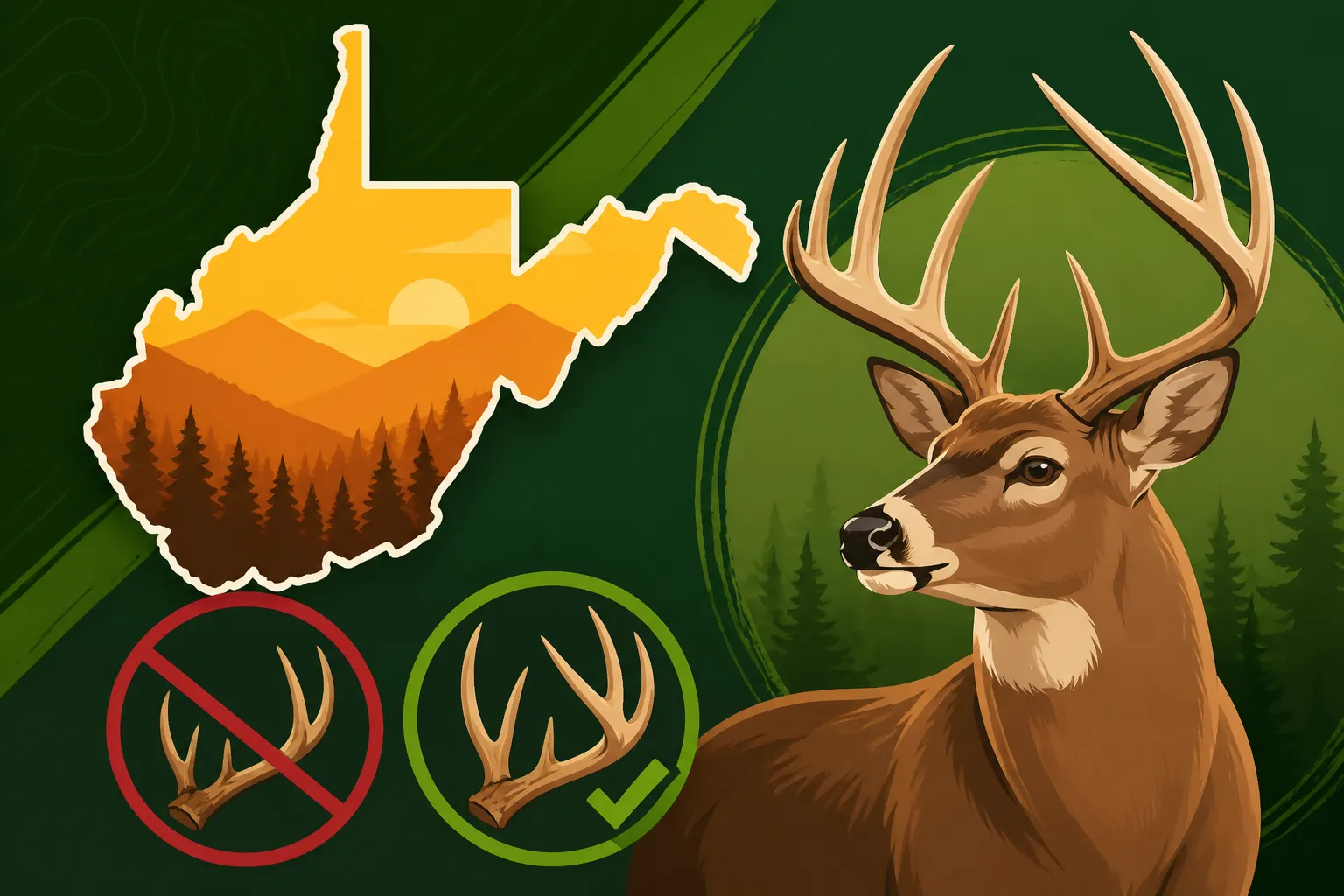
Alright, let's get right to the heart of it: West Virginia does not have statewide antler point restrictions for deer hunting. This is a crucial distinction that often surprises hunters coming from states where such regulations are commonplace. While you might hear whispers or read discussions about them online, the West Virginia Division of Natural Resources (WVDNR) has opted for a different approach to managing the state's robust deer population.
Instead of focusing on the number of points a buck has, West Virginia's primary antlered deer management strategy centers around a specific bag limit. Hunters are permitted to harvest a maximum of two antlered deer per calendar year, with certain stipulations on when and how those deer can be taken. This means that as long as a buck meets the minimum legal definition of an "antlered deer" – typically having at least one antler three inches or longer in length – it is legal game, provided you have a valid tag remaining for that season.
This management philosophy prioritizes hunter opportunity and aims to maintain a healthy deer population across the diverse landscapes of West Virginia, from the steep Allegheny ridges to the rolling farmlands of the Eastern Panhandle. It's a system that many long-time West Virginia hunters appreciate because it simplifies field judgment and allows them to focus on ethical harvest within their personal bag limits. While there are sometimes specific regulations for certain West Virginia Wildlife Management Areas or special hunts, these are exceptions, not the rule, and they are usually clearly outlined in the annual hunting regulations booklet. Before heading out, always double-check the most current regulations, and a tool like GoHunt can be invaluable for cross-referencing information and ensuring you're up-to-date on all the specifics for your hunting location.
Understanding West Virginia's Antlered Deer Bag Limit and Exceptions
Since West Virginia doesn't utilize antler point restrictions, understanding the antlered deer bag limit is absolutely paramount for any hunter in the Mountain State. It's a system designed to balance harvest with population management, and it's fairly straightforward once you get the hang of it.
The Two-Buck Limit:
In West Virginia, the general rule is that you can harvest a maximum of two (2) antlered deer during the entire deer season. However, there are very specific rules about when you can tag these two bucks, which is where some hunters get a little tripped up.
Here's the breakdown:
- Archery/Crossbow Season: During the state's lengthy archery and crossbow seasons, you are permitted to harvest one antlered deer. This deer uses one of your two available antlered tags. So, if you're successful with your bow or crossbow, you'll have one antlered tag remaining for the rest of the season.
- Firearms Seasons (Buck Gun & Muzzleloader): The remaining antlered deer (your second tag) can be taken during either the traditional West Virginia's Buck Gun Season or the later Muzzleloader Deer Hunting in West Virginia season.
- Crucial Point: If you did not harvest an antlered deer during the archery/crossbow season, you are then eligible to harvest both of your two antlered deer during the firearms seasons (either buck gun or muzzleloader, or one in each). You simply cannot exceed the total of two antlered deer for the year.
The legal definition of an "antlered deer" in West Virginia is a deer with at least one antler three inches or longer in length. This is what you need to look for in the field, rather than counting points. This clear definition helps minimize confusion and ensures that hunters can confidently identify legal game.
Important Considerations and Exceptions:
- Antlerless Deer: The antlered deer bag limit is entirely separate from antlerless deer harvest. West Virginia offers abundant opportunities for antlerless deer, often through specific seasons, county-specific rules, or West Virginia Bonus Antlerless Tag Purchase Rules. These tags help manage doe populations and are essential for overall herd health.
- Youth Seasons: The West Virginia Youth Deer Weekend often has its own specific rules regarding antlered and antlerless deer, which can vary. Always check the annual regulations for the most current information regarding youth hunts.
- CWD Containment Areas: While not directly an APR, areas designated as Chronic Wasting Disease (CWD) containment zones, such as parts of Hampshire County, may have specific regulations regarding deer carcass movement or mandatory testing. These rules are distinct from antler restrictions but are vital for hunters to understand when hunting in those affected counties. For example, you can find details on West Virginia's Chronic Wasting Disease Counties to stay informed.
- Checking Your Harvest: Regardless of how many deer you harvest, properly checking in your game is a legal requirement. The WVDNR provides multiple ways to report your harvest, including online or via their mobile app, which is covered in detail in our guide on West Virginia Deer Reporting Requirements. Keeping accurate records helps the WVDNR make informed management decisions.
To help visualize the antlered deer bag limit, here's a quick reference table:
| Season Type | Antlered Deer Limit | Notes |
|---|---|---|
| Archery/Crossbow | 1 | If taken, one tag remains for firearms seasons. |
| Buck Gun/Muzzleloader | 1 or 2 | Can take 2 if no antlered deer taken during archery/crossbow. |
| Total Annual Limit | 2 | Maximum two antlered deer across all seasons. |
This system provides flexibility while still controlling the overall antlered harvest. Many hunters appreciate that they don't have to worry about miscounting points in the heat of the moment, allowing them to focus on shot placement and a clean, ethical kill. As always, consulting the official WVDNR regulations directly or using a reliable hunting app like GoHunt for up-to-the-minute details is your best bet before heading into the woods.
The Ongoing Discussion: APRs and West Virginia's Deer Management Future
Even though West Virginia currently operates without statewide antler point restrictions, the conversation about them never truly goes away. Among hunters, wildlife biologists, and even landowners, the debate about the pros and cons of APRs, and whether they might ever be introduced in the Mountain State, is an ongoing one.
Arguments for Implementing APRs:
Advocates for APRs often point to states that have seen an increase in the number of older-aged bucks and a higher average antler size since implementing such regulations. They envision a future where Best West Virginia Counties for Big Bucks might produce even more trophy-class animals, leading to greater hunter satisfaction. Some believe it could lead to a more balanced buck-to-doe ratio, which some argue is healthier for the herd. The desire to see more mature deer, coupled with an interest in "quality deer management," fuels much of this discussion.
Arguments Against Implementing APRs:
On the other side of the coin, many West Virginia hunters and wildlife managers are hesitant to introduce APRs. A primary concern is the potential reduction in hunter opportunity. West Virginia prides itself on being a state where most hunters have a reasonable chance to harvest a deer. Imposing antler point restrictions could mean passing on a perfectly healthy young buck that doesn't meet the arbitrary point count, frustrating hunters who are primarily focused on putting venison in the freezer.
Another significant drawback is the difficulty of field judging. In West Virginia's rugged, often densely forested terrain, getting a clear, prolonged look at a buck's antlers can be challenging. A quick glimpse through laurel thickets or in dim light makes accurate point counting incredibly difficult, potentially leading to accidental violations or hunters passing on legal deer out of fear of making a mistake. The current "three-inch rule" is much simpler and reduces this anxiety.
West Virginia's Current Management Philosophy:
The WVDNR's approach to deer management generally focuses on several key objectives:
- Maintaining a Healthy Deer Population: Ensuring the herd remains robust and sustainable across its range.
- Providing Ample Hunter Opportunity: Offering liberal seasons and bag limits that allow hunters to participate and harvest deer.
- Minimizing Human-Deer Conflicts: Addressing issues like crop damage, vehicle collisions, and suburban deer problems.
- Data-Driven Decisions: Relying on harvest data, hunter surveys, and biological research to inform regulations. The annual Reading a West Virginia Harvest Report is a crucial document in this process.
Instead of APRs, West Virginia uses a combination of its two-buck limit, generous antlerless opportunities, and season lengths to manage its deer herd. This comprehensive approach allows the WVDNR to be responsive to local population trends. For instance, in areas where deer numbers are high, more antlerless tags might be issued to help control the population, while still allowing hunters to pursue antlered deer under the two-buck rule. Learning to Scouting West Virginia Public Land Before Season can help you understand local deer movements and population dynamics that influence these rules.
Ultimately, while the discussion around APRs will likely continue, West Virginia's current management framework is well-established and designed to meet multiple objectives. Hunters interested in the future of deer management should engage with the WVDNR, attend public meetings, and review annual proposals to stay informed. After all, the health of our deer herd and the future of hunting in West Virginia is something we all care deeply about. And remember, when you're preparing for your next hunt, resources like GoHunt can provide valuable insights into hunting areas and regulations, helping you be a more informed and successful hunter.
Disclaimer
Please remember that hunting regulations can change. While every effort has been made to provide accurate and up-to-date information, it is always the hunter's responsibility to consult the most current official West Virginia Division of Natural Resources (WVDNR) hunting regulations prior to any hunting activity. This guide is for informational purposes only and should not be considered a substitute for the official rules and laws.