West Virginia Public Land Hunting Hours
It can be incredibly frustrating to head out to your favorite West Virginia hunting spot, excited for a morning or evening sit, only to second-guess yourself about whether you’re actually allowed to be hunting at that precise moment. The rules surrounding public land hunting hours can feel a bit murky, especially with different game species, season changes, and that whole sunrise/sunset thing. This guide is here to clear up that confusion, giving you a solid understanding of when it's legal and ethical to hunt on West Virginia's beautiful public lands.
The Foundation: General Legal Hunting Hours in West Virginia
Let's start with the basic framework that applies to most hunting seasons in the Mountain State. West Virginia's wildlife regulations are designed to provide ample opportunity while also ensuring fair chase and hunter safety.
Understanding "Legal Hunting Hours"
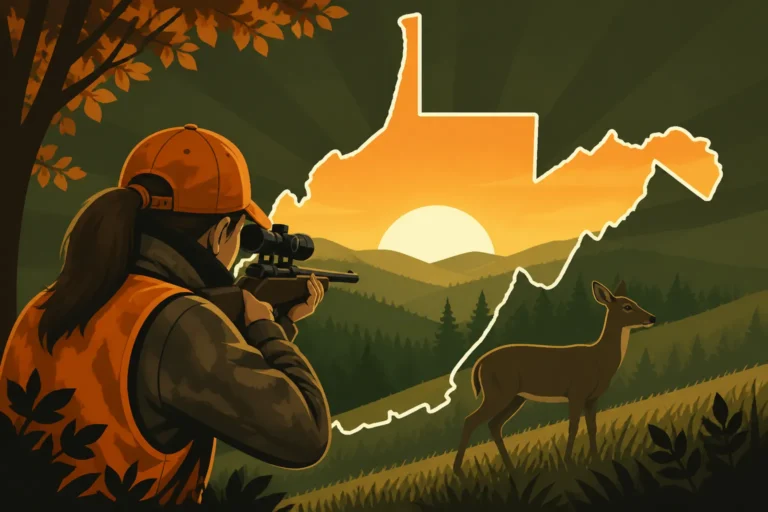
For the vast majority of game animals and seasons in West Virginia, legal hunting hours are defined as half an hour before sunrise to half an hour after sunset. This isn't just a random timeframe; it's rooted in visibility and fair chase principles. During these twilight hours, there's typically enough ambient light to clearly identify your target, ensure a safe backdrop, and make an ethical shot. Trying to squeeze in a shot when it's too dark, either pre-dawn or post-dusk, increases the risk of misidentification, a poor shot, or even an accidental discharge where you can't see what's beyond your target.
Many hunters use reliable apps or dedicated sunrise/sunset tables to keep track of these times, which change daily. Remember, these times are localized, meaning sunrise and sunset can vary significantly from the Eastern Panhandle to the Ohio River Valley. Always check the specific times for your exact hunting location to stay compliant. Over the course of a season, you’ll notice a significant shift in these windows, especially as we move from the long days of early fall into the shorter, darker days of late autumn and early winter. Keeping an eye on these daily changes is crucial for planning your hunts.
Why the Half-Hour Window Matters for Safety and Ethics
That crucial half-hour window before sunrise and after sunset isn't just a legal formality; it's a cornerstone of responsible hunting. When the sun is just beginning to peek over the eastern ridges, or dipping below the western ones, the light can be tricky. Shadows are long, details are obscured, and it's easy for an animal to blend into the dappled light. This is why strict adherence to these hours is paramount. It ensures that you have enough light to clearly identify your target as a legal game animal, distinguish it from non-target species or, more critically, from another human.
Furthermore, it speaks to the ethical responsibility of a hunter. Making a clean, humane kill depends heavily on good visibility. A shot taken in insufficient light is far more likely to wound an animal, leading to a long, difficult, and often unsuccessful recovery. Beyond the animal's welfare, there's also the safety of other hunters. In West Virginia's rugged terrain, where folks might be still-hunting or making their way to and from treestands, the last thing anyone needs is a shot fired in the dim light by a hunter who can't see clearly. It's about respecting the game, the land, and your fellow outdoorsmen.
Specific Hunting Hours by Game Species
While the general rule of half-hour before/after is your baseline, some seasons and species have specific regulations that tweak these times. It’s vital to know these nuances to avoid inadvertently breaking the law.
Deer and Bear Hunting Hours
For deer (whitetails, of course!) and black bears across West Virginia, the standard legal hunting hours of half an hour before sunrise to half an hour after sunset apply universally. This holds true whether you're chasing bucks during West Virginia's Buck Gun Season in November, drawing your bow during Bowhunting West Virginia's Long Archery Season, or carrying your smoke pole during Muzzleloader Deer Hunting in West Virginia. This consistent timeframe simplifies things a bit for big game hunters.
During the archery season, especially in those crisp early September mornings, hunters often find deer moving actively during those twilight periods. The same goes for bear hunters, who know that bears can be most active during the cooler parts of the day, which frequently include dawn and dusk. For deer, catching them transitioning from bedding to feeding, or vice-versa, often falls squarely within these low-light windows. However, just because it’s legal doesn’t mean it’s always smart. If the light conditions are particularly poor due to heavy fog, dense cloud cover, or a thick canopy, exercise caution. An ethical shot is always more important than a legal one. When you're Hunting the West Virginia Rut in November, those early morning and late evening hours can be absolutely electric, but visibility is key. Similarly, when you're focusing on Hunting the Late-Season December Lull, deer might be moving to sparse food sources right at first and last light.
Turkey Hunting Hours
This is where things diverge a bit, particularly for spring gobblers. If you're out during Spring Turkey Hunting in West Virginia, the legal hunting hours are from half an hour before sunrise until 1:00 PM Eastern Standard Time. This earlier closing time is a specific management tool for wild turkeys, designed to protect hens and ensure successful breeding cycles, as gobblers are often most vocal and active in the mornings. It also helps reduce pressure on the birds throughout the day, allowing them to resume normal activities.
For fall turkey season, however, the hours revert to the general big game rule: half an hour before sunrise to half an hour after sunset. This is because fall turkey hunting often involves different tactics, such as breaking up flocks and then calling birds back together, which can happen throughout the day. So, whether you're out during the early split or Hunting West Virginia's Fall Turkey Splits later in the season, you generally have a full day, within legal light, to pursue these wily birds. Always double-check the specific regulations for the current year, as wildlife agencies can make adjustments.
Small Game and Waterfowl Hunting Hours
For most other small game species like squirrels, rabbits, and grouse, the general rule of half an hour before sunrise to half an hour after sunset typically applies. This includes seasons for Squirrel and Small Game Hunting in West Virginia, or Grouse and Woodcock Hunting in West Virginia. These seasons are often long and offer plenty of opportunity within these parameters.
Waterfowl hunting, which involves ducks and geese, follows federal guidelines for hunting hours, which are then adopted by the state. These hours usually align with the general half-hour before sunrise to half-hour after sunset rule. However, it’s always a good practice to consult the current migratory bird hunting regulations published by the West Virginia Division of Natural Resources (WVDNR) for precise dates and times, as well as specific bag limits and other rules. Federal regulations can be quite detailed, and it’s important to understand them thoroughly, especially if you're hunting in unique areas like river bottoms or larger bodies of water where waterfowl congregate.
Here's a quick summary table for clarity:
| Game Species | Season Type | Legal Hunting Hours | Notes |
|---|---|---|---|
| White-tailed Deer | Archery, Gun, Muzzleloader | 1/2 Hour Before Sunrise to 1/2 Hour After Sunset | Standard for all deer seasons. |
| Black Bear | Archery, Gun, Muzzleloader | 1/2 Hour Before Sunrise to 1/2 Hour After Sunset | Standard for all bear seasons. Check West Virginia's Liberal Bear Season Rules for more. |
| Wild Turkey | Spring Season | 1/2 Hour Before Sunrise to 1:00 PM EST | Specific early closing time for spring gobbler season. See West Virginia Spring Turkey Season Rules. |
| Wild Turkey | Fall Season | 1/2 Hour Before Sunrise to 1/2 Hour After Sunset | Standard hours for fall turkey. |
| Small Game | Rabbit, Squirrel, Grouse, etc. | 1/2 Hour Before Sunrise to 1/2 Hour After Sunset | Standard for most small game species. |
| Waterfowl | Ducks, Geese, etc. | 1/2 Hour Before Sunrise to 1/2 Hour After Sunset | Follows federal guidelines, generally aligns with standard hours. Always confirm annual regs. |
| Feral Hogs | Year-round | Day or Night on Private Land | On public land, follow big game hours unless specific WMA rules state otherwise. Night hunting allowed on private land with proper permits. |
Tools and Tips for Accurate Timekeeping on Public Land
In the age of smartphones and GPS, keeping track of legal hunting hours is easier than ever, but it still requires diligence. Especially when you're deep in the Monongahela National Forest or a remote Wildlife Management Area, relying on the right tools is essential.
Why Accurate Timekeeping Matters
Knowing the precise sunrise and sunset times for your exact location isn't just about avoiding a citation; it's about good judgment. Topographical features like steep ridges and deep hollows, common throughout West Virginia, can significantly impact when actual "shootable light" arrives and departs. What might be half an hour before sunrise on a flat ridge top could still be pitch black in a deep hollow. Always err on the side of caution. It's better to wait an extra five minutes for adequate light than to take an unsafe or unethical shot. This vigilance is part of being a responsible hunter, something that’s taught in West Virginia Hunter Education Requirements.
Furthermore, early season hunts, like in September, can feature longer days, giving you more time on stand. As the seasons progress through October and November, days shorten considerably. By the time December rolls around, you're dealing with very limited daylight hours, making that half-hour window even more critical. Understanding these shifts and proactively checking times ensures you maximize your hunting opportunity while staying within the legal framework.
Utilizing Modern Technology for Public Land Hunting Hours
Modern technology has become an invaluable asset for West Virginia hunters trying to stay on top of legal hunting hours and public land boundaries. Many hunting apps now integrate sunrise and sunset times directly, often personalized to your specific GPS location. This feature eliminates the guesswork and the need to consult separate tables or charts.
Apps like GoHunt, for example, are fantastic for this. They often include detailed maps showing public and private land boundaries, which is crucial when you're hunting in areas like the Monongahela National Forest Hunting or specific West Virginia Wildlife Management Areas. You can usually drop a pin at your stand location, and the app will provide the precise legal hunting times for that exact spot. This level of detail is a game-changer, helping hunters plan their entry and exit routes, especially when scouting those tricky spots like a funnel between two hollows or a ridge-top saddle. When you're Scouting West Virginia Public Land Before Season, these tools are indispensable for planning your actual hunt days.
Beyond just the times, GoHunt and similar platforms can show you topographical maps, helping you understand how ridges and hollows might affect light conditions. This can inform your decision to climb into your Treestand Setups in Monongahela National Forest a little earlier or stay a little later, always within that legal window, of course. Always have a backup, like a small printout or a screenshot of the day's times, especially if you're hunting in areas with unreliable cell service. While the WVDNR's official Go Wild West Virginia platform has incredible tools, including maps, a third-party app like GoHunt often provides a highly user-friendly interface specifically tailored for in-the-field use. Even a basic weather app on your phone will usually provide local sunrise/sunset times, which is a good baseline to cross-reference. Using the Go Wild West Virginia Map Tool is also a fantastic way to ensure you're on public ground to begin with!
Navigating Public Land Boundaries and Night Hunting Rules
Understanding hunting hours also intertwines with where you're hunting, especially concerning public versus private land distinctions and the legality of night hunting for certain species.
Public Land vs. Private Land: A Crucial Distinction
The rules we've discussed so far primarily apply to public hunting lands in West Virginia. These include national forests like the Monongahela, state-managed Wildlife Management Areas (WMAs), and other state or federal properties where hunting is permitted. On private land, the general hunting hours for deer, bear, turkey, and small game still apply, as these are state-wide regulations governing the take of game animals. However, the legal boundaries of where you can hunt are obviously much stricter.
This is where digital mapping tools, like the ones GoHunt offers, become absolutely indispensable. They provide clear overlays showing property lines, helping you ensure you're always on legal ground, whether that's within a WMA or on a private parcel where you have explicit permission. Accidentally crossing a boundary, even by a few yards, can lead to trespassing charges, which no one wants.
Night Hunting for Feral Hogs
One notable exception to the daylight-only rule in West Virginia involves feral hogs. These invasive species cause significant ecological damage and agricultural losses, and the WVDNR has a very aggressive approach to their management. On private land, feral hogs can be hunted year-round, day or night, with the use of artificial lights or night vision/thermal devices, provided you have explicit permission from the landowner. This liberal approach underscores the severity of the feral hog problem.
However, if you're hunting feral hogs on public land, the general hunting hours (half an hour before sunrise to half an hour after sunset) for other big game typically apply, unless a specific WMA or national forest has explicitly stated otherwise. It is crucial to check the regulations for the specific public land area you plan to hunt, as rules can vary. For more information on these adaptable and destructive animals, you can look into Hunting West Virginia's Year-Round Feral Hogs, but remember that the night hunting provision is usually restricted to private land. Always confirm current regulations before heading out, especially when considering night hunting.
Staying Compliant and Promoting Ethical Hunting
Beyond the letter of the law, embracing the spirit of ethical hunting is what truly defines a responsible outdoors person. Compliance with hunting hours is a non-negotiable part of this.
Consequences of Non-Compliance
Hunting outside of legal hours in West Virginia is a serious offense. It's not just a minor infraction; it can result in significant fines, confiscation of your weapon and game, and potentially the suspension or revocation of your hunting privileges. These penalties are in place for good reason: to protect wildlife resources, ensure public safety, and uphold the integrity of hunting. Game wardens are diligent, and they patrol public lands extensively, especially during peak hunting seasons and the twilight hours when violations are most likely to occur. It's simply not worth the risk.
Consider the ripple effect: one person's careless actions can tarnish the reputation of all hunters. The vast majority of West Virginia hunters are law-abiding and deeply respectful of wildlife and regulations. By adhering strictly to hunting hours, you contribute to that positive image and help ensure hunting opportunities for future generations.
Prioritizing Ethical Hunting Over Extra Minutes
Ultimately, hunting isn't just about bagging an animal; it's about the experience, the challenge, and the connection to nature. An extra five or ten minutes in questionable light is rarely worth compromising safety or making an unethical shot. Patience is one of the most valuable virtues in a hunter's toolkit. If the light isn't right, or if you can't clearly identify your target and what's beyond it, don't take the shot. Wait for better conditions, or be content to enjoy the beauty of a West Virginia sunrise or sunset from your stand.
Responsible hunting practices, including strict adherence to legal hunting hours, are cornerstones of wildlife conservation. By respecting these regulations, you're not just avoiding legal trouble; you're actively contributing to a sustainable hunting heritage and ensuring that West Virginia's diverse wildlife populations remain healthy and abundant for everyone to enjoy.
Disclaimer
Please note that hunting regulations, including legal hunting hours, can change periodically. While this guide provides a comprehensive overview based on typical West Virginia hunting laws, it is your responsibility to consult the most current West Virginia Hunting & Trapping Regulations synopsis published by the West Virginia Division of Natural Resources (WVDNR) before engaging in any hunting activities. Always prioritize safety and ethical practices in the field.