Finding Woodcock in Alder Runs
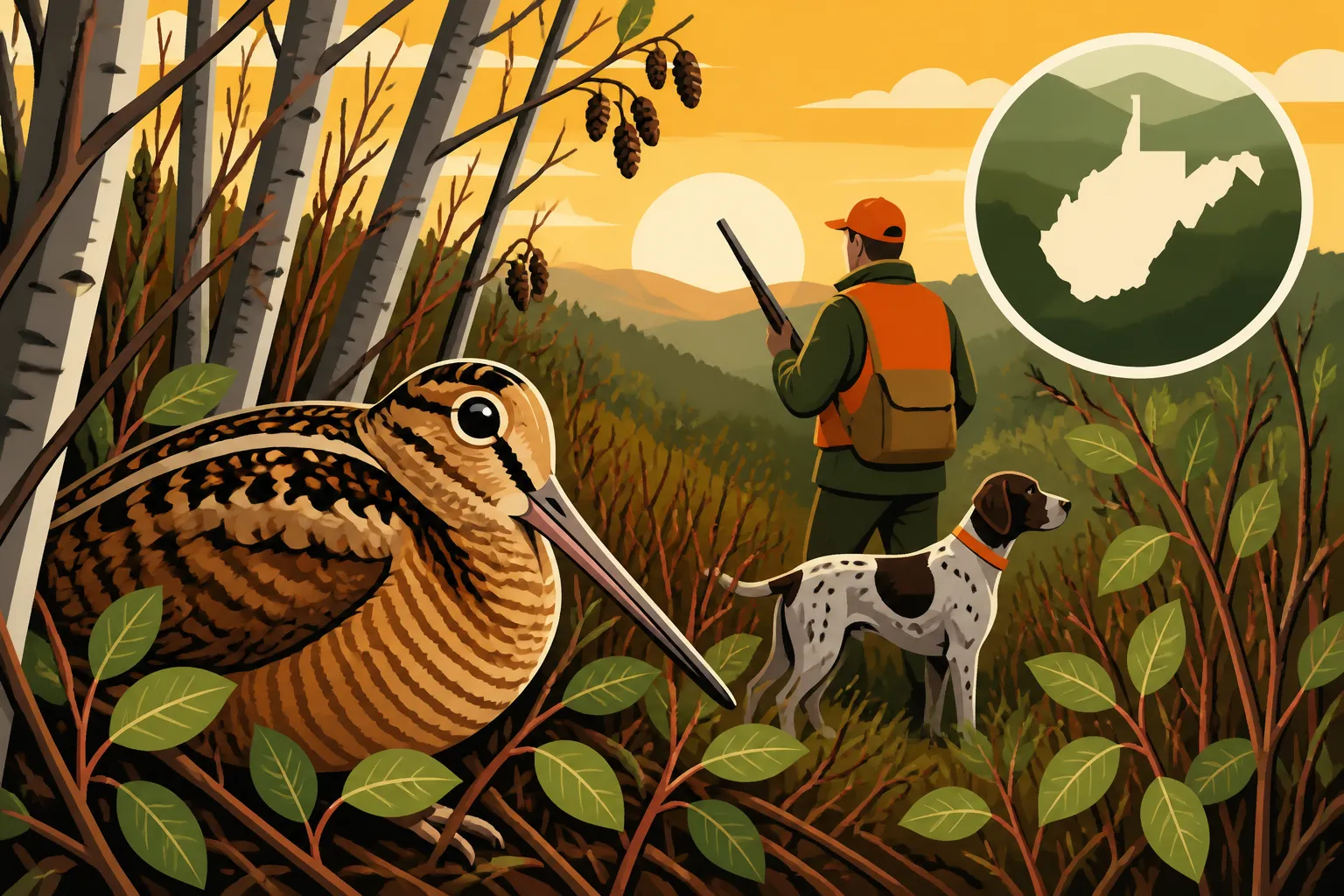
There's a special kind of frustration that comes with hunting timberdoodles, those enigmatic American woodcock that flit through our West Virginia coverts like feathered ghosts. You've heard the stories, perhaps even flushed a few by accident, but consistently finding them in their preferred habitat, those dense, soggy alder runs, can feel like chasing a phantom. This guide is here to demystify the process, helping you pinpoint those prime woodcock haunts and develop effective strategies for a successful hunt in the Mountain State.
The Elusive Timberdoodle's Home: Understanding Woodcock Habitat in West Virginia
Before you even step foot in the woods, understanding what makes an alder run appealing to a woodcock is paramount. These aren't your typical upland birds that prefer mature timber or open fields. Woodcock have very specific needs, and once you learn to "read" the landscape for them, you'll start seeing potential cover in places you might have overlooked for years. It's about thinking like a bird that needs soft ground for probing, dense cover for protection, and a quick escape route.
Why Alder? The Appeal of Wet, Young Growth
Alder runs are the quintessential woodcock habitat, and for good reason. These dense thickets, often found along creek bottoms, seepages, or poorly drained areas, provide everything a woodcock needs. The soil in these areas is typically soft and moist, making it easy for their long, sensitive bills to probe for earthworms, their primary food source. Think about those areas where your boots sink just a little, or where the ground feels spongy underfoot—that's often prime worm territory. The dense, upright stems of alder, particularly young growth, offer incredible overhead cover from avian predators like hawks and owls, while still allowing them enough space to navigate on the ground. When these alders start to intertwine with other early successional species like willow, dogwood, or even young aspen, it creates an almost impenetrable jungle that's tough for predators to penetrate but perfect for a timberdoodle.
Beyond just the food and cover, woodcock also prefer these areas for roosting and nesting. While we're mostly focused on hunting them during the fall migration, knowing their year-round preferences helps solidify why these spots are so crucial. The tangles protect them from ground predators, and the slight warmth retained by moist ground on cooler nights can be a real draw. When you're scouting, look for evidence of past activity, like splashes of white-brown droppings on leaves or small, cone-shaped probe holes in the damp earth. Finding these signs confirms you're in the right kind of place, especially if you're not seeing birds right away. Remember, the wetter and thicker, the better for these secretive birds.
Beyond Alder: Other Key Habitat Indicators
While alder runs are the holy grail, woodcock don't exclusively live there. They are creatures of young, regenerating forests and moist woodlands, and West Virginia has plenty of that, especially in our post-mining landscapes and areas recovering from timbering. Look for regenerating clear-cuts that are 5-15 years old, especially where the soil has a high clay content or stays naturally damp. These areas might be filled with young maple, cherry, or even dense saplings of various hardwoods. What you're looking for is that thick, overhead canopy at ground level, combined with soft, moist soil.
Another excellent indicator is the presence of heavy briar thickets, particularly those with blackberries or multi-flora rose, again, usually in damp depressions or along creek beds. These provide the same dense cover and often hold the moisture that earthworms thrive in. Even mature forests can hold woodcock, but typically only in specific pockets: small, damp seepages on hillsides, or floodplains along river bottoms where the ground remains soft and the understory is thick. Think about those low-lying areas, almost like a miniature marsh within a larger wooded landscape. Sometimes, even field edges that border dense, damp woods can hold birds, especially if there's a good buffer of shrubs and saplings. Knowing what types of cover to target will drastically improve your chances of success, especially when you're focusing on hunting for Grouse and Woodcock Hunting in West Virginia.
Scouting and Locating Productive Alder Runs
Finding those elusive alder runs isn't just about luck; it's about smart scouting, both from your armchair and with boots on the ground. West Virginia's rugged terrain can make these thickets feel impossible to navigate, but with the right tools and a keen eye, you can identify promising areas before you ever load your shotgun. This proactive approach saves time and effort, putting you in the best position to encounter birds.
Mapping for Success: Digital Tools and Topography
Before you strap on your boots, dive into the digital realm. Modern mapping applications like onX Hunt or even simpler tools found on the WVDNR website are invaluable for pinpointing potential woodcock habitat. What you're looking for on these maps are low-lying areas, creek bottoms, drainages, and areas marked as "wetlands" or "swamps," even if they're small. Alder typically thrives in these poorly drained areas. Pay close attention to topographic lines; flat areas within generally steep terrain, especially along stream beds, are often where you'll find those prime, wet habitats. You can often discern dense, low-growing vegetation by how light doesn't penetrate as well on satellite imagery, creating a darker, thicker appearance compared to surrounding mature timber.
Many of these apps also allow you to layer different data, such as soil types. Look for soils with high organic matter or clay content, which retain moisture better. Tools like GoHunt can provide detailed topographical maps and land ownership information, which is critical for ensuring you're on public land or have permission for private ground. Plot out several potential areas on your map, marking them as waypoints. This creates a strategic approach rather than just aimlessly wandering. Remember, the goal here is to narrow down your physical scouting to the most promising locations, saving you energy and increasing your odds. You might even overlay historical timber harvest data, if available, to locate those 5-15 year old clear-cuts that are now transitioning into excellent woodcock cover.
Boots on the Ground: Reading the Landscape
Once you've identified promising spots on your map, it's time for some old-fashioned legwork. Nothing beats walking the ground to confirm what the maps suggest. When you're scouting, look for the visual cues: the dense, reddish-brown stems of alder, intertwined with other young growth. Feel the ground underfoot – is it soft and moist, or hard and dry? Scan for those tell-tale woodcock "splashes" (white-brown droppings) on leaves or logs, and probe holes in the mud where they've fed. These are undeniable signs of woodcock presence.
Pay attention to water sources. Are there small springs, seeps, or slow-moving creeks keeping the ground consistently damp? These are key. Also, consider access. Can you reasonably work this cover with a dog, if you have one? Are there paths or openings that allow for a strategic approach? Sometimes the most promising cover is so thick it's nearly impossible to hunt effectively. You want areas that are dense enough to hold birds but open enough to allow for a shot. While scouting, remember to check West Virginia Woodcock Season Dates and West Virginia Grouse and Woodcock Season Rules to ensure you're compliant with regulations when you eventually hunt. Make notes, take pictures, and mark exact spots on your GPS where you find good sign. This intel is gold for planning your actual hunt.
Strategies for Hunting West Virginia Woodcock
Hunting woodcock isn't like hunting pheasants in open fields or deer in big timber. It requires a specific mindset, a deliberate approach, and the right gear to navigate the dense cover these birds call home. Patience and persistence are key, as a woodcock can hold incredibly tight, seemingly disappearing into thin air until you're nearly on top of them.
Working the Cover: Flushing Tactics
When you're actually hunting an alder run, the strategy is all about systematic flushing. Woodcock are known for holding very tight, often waiting until you're just a few feet away before bursting out of the cover. This means you need to work the cover thoroughly and slowly. If you're hunting with a dog, let them work the wind and follow their lead. A good bird dog, especially a pointing breed, is an incredible asset for woodcock, as they can pinpoint birds you would undoubtedly walk past. The dog's nose will guide you to those hidden birds, and their staunch point will give you a moment to prepare for the flush.
If you're hunting without a dog, you'll need to be the "dog" yourself. Walk slowly, in a zig-zag pattern, covering every inch of the promising cover. Kick at clumps of brush, pause occasionally to make a bird nervous, and listen intently for the distinctive whistle of flushing wings. When a bird flushes, it's often a quick, darting flight through the trees, making for challenging shots. Be ready to mount your gun quickly and swing through the cover. Remember, safety is paramount in these dense areas; always know where your hunting partners are and what's beyond your target. Focus on areas where the alder is thickest, especially near small openings or the edges of the run, as birds might stage there before flushing into more open areas.
Gear Up Right: Shotguns, Chokes, and Dogs
Having the right equipment can make all the difference when pursuing woodcock in West Virginia's dense cover. For shotguns, lighter, fast-handling guns are preferred. Many hunters opt for a 20-gauge or even a 28-gauge, but a 12-gauge with light loads works just fine. The key is balance and maneuverability. Remember, shots are usually close and quick. As for chokes, an open choke like Cylinder or Improved Cylinder is almost always the best choice for woodcock. The birds flush so close that a tighter choke will often result in blown-up birds or missed opportunities due to too dense a pattern at close range. For more detailed information on appropriate firearms, check out Upland Guns for Highlands Grouse Cover or Shotguns for West Virginia Grouse and Woodcock.
Your choice of shot size is also important; smaller shot like 7.5 or 8 is perfect for the relatively delicate woodcock. You want a dense pattern for quick kills without over-penetration. Beyond the gun, good brush pants or chaps are essential for protecting your legs from briars and thorns. Waterproof boots are a must in these often-soggy environments. And if you're lucky enough to hunt with a dog, ensure they are wearing appropriate protective gear like a cut vest, especially in West Virginia's rugged terrain. Don't forget a whistle for your dog, and a small backpack with water for both of you. You'll be doing a lot of walking and pushing through cover, so staying hydrated is important. For more on canine companions, explore Bird Dog Gear for West Virginia Cover.
| Feature / Item | Ideal for Woodcock Hunting | Why It Matters |
|---|---|---|
| Shotgun Gauge | 20-gauge, 28-gauge (or light 12-gauge) | Lighter, faster handling for quick, close shots in thick cover. |
| Choke | Cylinder, Improved Cylinder | Birds flush close; wide pattern increases hit probability without destroying bird. |
| Shot Size | 7.5 or 8 | Sufficient pellets for small birds, good pattern density. |
| Footwear | Waterproof, ankle-supporting boots | Essential for navigating wet, muddy, and uneven terrain. |
| Clothing | Durable brush pants/chaps, lightweight layers, blaze orange | Protection from briars, comfortable movement, safety visibility. |
| Dog (if applicable) | Pointing breed, well-trained | Locates hidden birds, allows hunter to prepare for flush, crucial in thick cover. |
| Mapping App | onX Hunt, GoHunt, WVDNR GoWild | Identifies potential habitat (wetlands, young growth, topo), property lines. |
Timing Your Hunt: When and Where to Find Migrators
Woodcock are migratory birds, and their presence in West Virginia is highly dependent on the season. While a few resident birds might be found, the real numbers show up during the fall migration. Understanding the timing of this movement and how local conditions influence it is crucial for maximizing your chances. It’s not just about if you find an alder run, but when those runs are likely to be holding birds.
The Autumn Migration Window
The prime time for When Woodcock Migrate Through West Virginia is typically from mid-October through November, though this can vary slightly each year based on weather patterns further north. As cold fronts push down from Canada and the northern states, woodcock begin their southward journey, stopping in suitable habitat like West Virginia's alder runs to rest and feed. The migration often comes in "waves," with a surge of new birds appearing after a significant cold snap. Keep an eye on weather forecasts for upstate New York, Pennsylvania, and New England; when those areas get their first hard freezes, you can expect a fresh influx of birds in West Virginia within a week or two.
Early in the season, you might find more resident birds, but the numbers really swell with the migrators. The peak typically occurs in early to mid-November, coinciding with our beautiful fall foliage. This window is also often shared with the Grouse Hunting Allegheny Highlands Cover season, so you might find yourself hunting both species in similar areas. As December approaches and consistent freezing temperatures set in, many woodcock will have moved further south, but some can linger in prime, unfrozen pockets, especially in the southern counties where the ground might stay softer longer. It pays to know West Virginia Woodcock Singing Ground Surveys results, as these can give you an idea of local populations and habitat health.
Localized Movement and Weather Patterns
Even within the migration window, daily weather and local conditions play a huge role in where woodcock will be holding. Mild, damp weather is ideal. A consistent stretch of warm, rainy days can keep the ground soft and worm activity high, meaning birds will stay in the area longer. Conversely, a hard freeze that penetrates the ground makes it impossible for woodcock to probe for food, and they will quickly move on. If the ground is frozen solid in one area, look for alder runs in lower elevations or areas with a thicker canopy that might retain ground moisture and warmth more effectively.
Wind can also affect their behavior. On very windy days, woodcock often seek out the densest, most sheltered parts of the cover, or move into protected hollows. Light drizzles or fog can often make for excellent hunting conditions, as birds might be more active and less prone to flying long distances when flushed. It’s all about understanding their basic needs – food, cover, and soft ground – and adapting your hunt to where those needs are best met given the current conditions. By paying attention to these subtle cues, you'll greatly improve your chances of locating and flushing these fantastic game birds.
Disclaimer
Hunting involves inherent risks, including injury and death. Always prioritize safety, follow all local, state, and federal hunting regulations, and be aware of your surroundings. The information provided in this guide is for informational purposes only and should not replace professional training or expert advice. Be sure to check the latest West Virginia hunting regulations before heading afield, as rules and seasons can change.