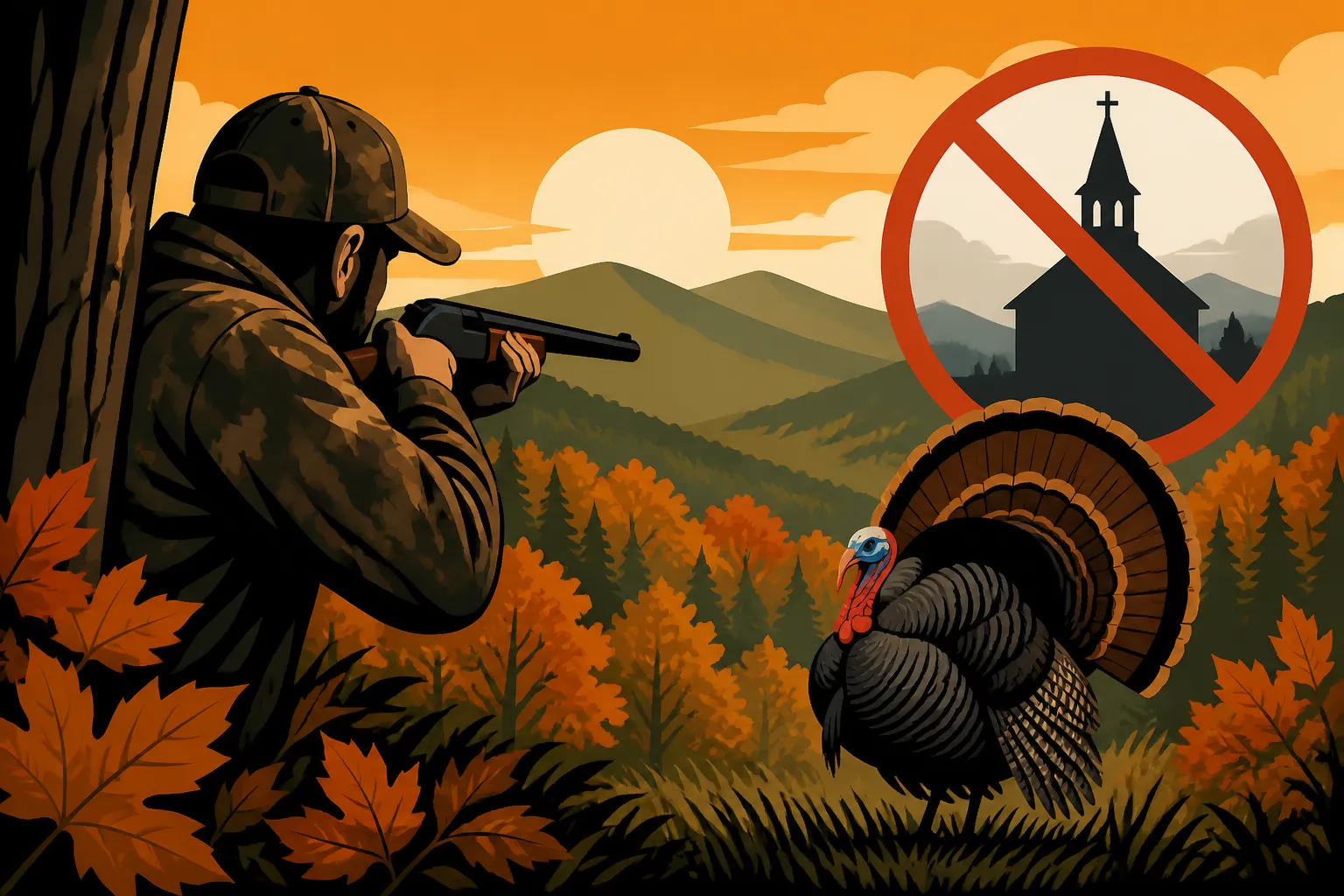
Fall Turkey Tactics Where Sundays Are Closed
It's incredibly frustrating when you've got your sights set on a perfect fall turkey hunt, only to hit a wall because Sunday rolls around and suddenly, your hunting plans are put on hold. West Virginia, with its diverse landscape and abundant wildlife, offers fantastic fall turkey opportunities, but navigating the specific county-by-county regulations, especially those concerning Sunday hunting, can feel like a maze. This guide is here to walk you through how to successfully adapt your fall turkey tactics in those areas where the woods fall silent on Sundays, helping you make the most of every permissible hunting minute.
Navigating West Virginia's Sunday Hunting Closures for Fall Turkeys
The Mountain State is truly a hunter's paradise, but the rules aren't always uniform, particularly when it comes to Sunday hunting. For many fall turkey hunters, arriving at a county where Sundays are off-limits can throw a wrench into meticulously laid plans. It's a reality that can be disheartening, especially when you've traveled and invested time, only to be forced out of the woods for a full day. Understanding these rules isn't just about compliance; it's about optimizing your strategy.
Understanding the "No Sunday Hunting" Rule
In West Virginia, the ability to hunt on Sundays isn't a statewide blanket rule. Instead, it's determined at the county level, often influenced by local ordinances and historical traditions. This means that while some counties might offer uninterrupted hunting through the weekend, others strictly prohibit it. For fall turkey hunting, this distinction is crucial because turkeys, unlike deer, often require more consistent pressure and opportunity to locate and work them effectively. A forced break can disrupt patterns you've identified, making it feel like you're starting from scratch every Monday.
This rule exists for a variety of reasons, from community desires for quiet Sundays to the traditional farming calendar. Regardless of the reasoning, as hunters, our responsibility is to know and respect these regulations. Getting caught hunting on a Sunday in a restricted county isn't just a fine; it can impact your hunting privileges and reflects poorly on the entire hunting community. You really need to be crystal clear on the specific regulations for the county you're planning to hunt in.
Identifying Which Counties Restrict Sunday Turkey Hunting
Before you even pack your bags, the absolute first step is to confirm the Sunday hunting status of your target county. This information is readily available through the West Virginia Division of Natural Resources (WVDNR) hunting regulations guide, which is updated annually. You can find detailed breakdowns of these rules, including which specific game animals are affected by Sunday closures, by checking out the guide on West Virginia Sunday Hunting Rules. Don't just assume; always verify.
It’s not uncommon for adjacent counties to have different rules. For instance, you might be hunting in Greenbrier County, which permits Sunday hunting, but just across the line in Pocahontas County, it might be restricted. This checkerboard pattern can be confusing, especially for those who hunt across county lines or visit from out of state. Many hunters use mapping applications, like those offered by GoHunt, to not only scout terrain but also to overlay public land boundaries and, in some cases, quickly check regulations relevant to a specific parcel. Before heading out, make sure you know Finding Your County's Fall Turkey Tier as well, which can also dictate season length and bag limits.
The Impact on Fall Turkey Behavior
When a county closes to hunting on Sundays, it creates an immediate, albeit temporary, respite for the wildlife. For fall turkeys, this means a 24-hour period of no human pressure. While a single day might not seem like much, it can allow flocks to settle back into their routines, visit preferred feeding grounds more openly, and generally relax from the disturbance of hunters in the woods on Saturday. This can be both a challenge and an opportunity.
On the challenging side, if you've been working a specific flock hard on Saturday, they might have scattered or become wary. By Monday morning, they could have relocated entirely, or at least be much more cautious. The lack of pressure on Sunday might also make them less responsive to calls early in the week, as they haven't been pushed or disrupted for a full day. On the flip side, this break can also make them more predictable. They might return to core areas they feel safe in, or to consistent food sources that they avoid during heavy weekday pressure. Understanding this dynamic is key to predicting their post-Sunday movements.
Strategic Planning for Mid-Week Fall Turkey Hunting
Since Sundays are off the table in some areas, your entire fall turkey hunting strategy needs to revolve around maximizing the available open days, especially weekdays. This means shifting your mindset from a typical Saturday-Sunday weekend hunt to a more flexible, weekday-centric approach. It often requires more upfront planning and perhaps even adjusting your work schedule, but the rewards can be well worth the effort.
Making the Most of Your Open Days
If you're limited to hunting Monday through Saturday, every single minute in the woods becomes precious. This means being in prime position at first light and staying out until legal shooting hours conclude, pushing hard through the middle of the day. Unlike spring turkey hunting where early morning activity is paramount, fall turkeys can be active throughout the day as they feed. This means your "mid-day lull" might actually be a prime time to catch a flock moving between roosting areas and feeding grounds.
For those with limited vacation time, consider taking a personal day on Monday or Friday to create a longer hunting stretch. A Friday-Saturday hunt followed by a Monday hunt can still give you three solid days. On public land, especially in areas like the Monongahela National Forest or various Wildlife Management Areas, hunting mid-week often means encountering significantly less pressure than on Saturdays. Less human disturbance often translates to more relaxed birds that are more susceptible to calling and easier to pattern. Focus your efforts on these less-pressured times for a better chance at success.
The Importance of Pre-Weekend Scouting
When your hunting week is interrupted by a Sunday closure, scouting becomes even more critical. You can't hunt on Sunday, but you can certainly scout! This doesn't mean tromping through the woods spooking birds; rather, it means utilizing mapping tools, glassing from a distance, and looking for fresh sign. Think of Sunday as a mandatory "intel gathering" day, but do so from a respectful distance to avoid pushing birds out of an area you plan to hunt Monday.
Before the weekend even arrives, spend time looking for clues. Use a mapping app like GoHunt to pinpoint potential feeding areas, water sources, and roosting spots. Look for mast crops, like acorns or beechnuts, or fields where turkeys might be scratching for insects. Even driving rural roads on Sunday, scanning open fields with binoculars, can give you valuable information on where flocks are congregating without disturbing them directly. You can find excellent general advice on Scouting West Virginia Public Land Before Season, which applies whether you're fall turkey hunting or chasing deer. The more information you gather before you step foot in the woods with a gun or bow, the better equipped you'll be to make the most of your shortened hunting window.
Adjusting Your Work-Life Balance for the Woods
Let's be real, taking time off work isn't always easy, especially for a passion like hunting. But if you're serious about consistent fall turkey success in Sunday-closed counties, a traditional 9-to-5, Monday-to-Friday work week might need some creative adjusting. This could mean using personal days strategically, shifting your work hours if possible, or even considering a remote work setup that allows you to be closer to your hunting grounds during the week.
Some hunters find success by doing shorter, hyper-focused hunts before or after work during the week, especially if they live close to hunting property. An early morning "roost hunt" can be highly effective, even for just a couple of hours. Then, back to work. These quick forays can be incredibly productive, as fall turkeys often provide good shot opportunities right after fly-down. Similarly, a late afternoon hunt, focusing on intercepting birds heading to roost, can also yield results. The key is flexibility and a willingness to think outside the traditional weekend hunting box.
| Day of the Week | Typical Hunter Pressure (Sunday-Closed Counties) | Turkey Behavior Tendency | Strategic Approach |
|---|---|---|---|
| Monday | Low to Moderate | Re-establishing patterns, feeding | Aggressive calling, locate roosts, hunt feeding areas |
| Tuesday | Low | Settled into routine, less wary | Pattern birds, continue breaking up flocks |
| Wednesday | Very Low | Relaxed, predictable | Deep woods exploration, target secluded flocks |
| Thursday | Low | Preparing for weekend, increased movement | Scout for Friday/Saturday, identify new areas |
| Friday | Moderate | Potentially pushed by early weekend arrivals | Focus on less accessible areas, quick hits |
| Saturday | High | Wary, scattered, pressured | Hunt deep, use subtle tactics, focus on breakups |
| Sunday | None (Closed) | Respite, settling, less pressured | Remote scouting, analyze maps, prepare for Monday |
Effective Tactics for Sunday-Restricted Counties
The interruption of a Sunday closure means your tactics on the open days need to be sharp and adaptable. Fall turkey hunting is already a game of strategy, and adding in a forced day off just makes it more so. You can't just expect the birds to be in the same spot or exhibit the same behavior they did on Saturday. Instead, you need specific approaches to deal with both fresh, unpressured birds and those that have already felt some hunting pressure earlier in the week.
Breaking Up Fall Flocks Early in the Week
One of the most classic and effective fall turkey tactics is locating a flock, spooking them into scattering, and then waiting a period before calling them back together. In counties with Sunday closures, you want to execute this early in the week, particularly on Monday or Tuesday, when birds are less pressured and more likely to respond. A scattered flock wants to reunite, and your plaintive hen calls can be just the ticket. You can learn more about this technique by reviewing Breaking Up a Fall Turkey Flock.
To do this effectively, scout out potential feeding areas or travel corridors where you expect to find birds. Once you locate a flock, often by seeing them or hearing their chatter, move in quickly and aggressively to scatter them in all directions. Make as much noise as possible. Then, retreat to a central location where you have good visibility and cover. After about 30-60 minutes, start with some soft yelps and clucks. Listen for replies. Often, juvenile birds or even wary hens will start filtering back, trying to locate their flock mates. This tactic is extremely powerful for bagging a bird in the fall.
Calling Strategies for Pressured Birds
Even mid-week, turkeys can become call-shy if they've been bumped multiple times or have encountered other hunters. On a Friday or Saturday, leading up to the Sunday closure, birds can be particularly wary. This is when subtle, realistic calling becomes paramount. Forget the aggressive, loud calling that might work on an unpressured spring gobbler. Fall turkeys, especially those that have experienced some hunting pressure, respond best to soft, inquisitive clucks, yelps, and purrs that mimic a lost or lonely bird.
Often, you don't even need to call much. If you've scattered a flock, subtle calling is usually all it takes. If you haven't scattered them, try a series of soft assembly yelps or kee-kees to mimic young birds trying to find their mother hen. Listen intently for soft answers or movement. Don't call too frequently; let the woods be quiet, and only call enough to let them know you're there. Sometimes, just sitting quietly in a known turkey area and letting curiosity get the best of them is the most effective calling strategy of all. Pay attention to how turkeys behave when hunting around a Hunting a Funnel Between Two Hollows where subtle calls can travel well.
Locating Consistent Food and Water Sources
Turkeys are creatures of habit, especially when it comes to their basic needs. In the fall, their lives revolve around finding food and water. When Sunday hunting closures provide a break in pressure, birds tend to gravitate back to reliable food and water sources. These become critical locations for you to focus your efforts on the open days. Look for areas with abundant mast (acorns, beechnuts, hickory nuts), soft mast (dogwood berries, wild grapes), or agricultural fields where they might be gleaning leftover grains.
Water sources, especially during dry periods, are also magnets. Creeks, springs, and even puddles can draw turkeys in. Use your mapping app to identify these features and then scout the surrounding areas for tracks, droppings, and scratch marks. These signs will tell you if turkeys are regularly using the area. If you can locate a consistent feeding or watering spot, set up in ambush position during open hours, ideally at first light or late afternoon, when birds are most likely to be moving to and from these areas. Keep in mind that West Virginia Turkey Population Trends can influence the abundance of birds in various food sources.
Maximizing Your Efforts Around Sunday Interruptions
The key to successful fall turkey hunting in counties with Sunday closures is not to let that day off completely derail your momentum. Instead, view it as an opportunity to regroup, gather intelligence, and refine your approach for the remaining open days. It’s all about continuity, even with a forced break.
Post-Sunday Reconnaissance
When Monday morning rolls around, and you're back in the woods, don't just pick up where you left off Saturday. Turkeys might have shifted their patterns. The first hour or two on Monday should be treated almost like an initial scouting mission. Get into the woods early and listen intently for fly-down cackles. If you heard turkeys on the roost Saturday evening, head back to that general area on Monday morning. However, be prepared for them to have moved.
Look for fresh sign along known travel routes, around feeding areas, and near water. Pay attention to dust bowls, which indicate recent activity. Use a lightweight pair of binoculars or a spotting scope to scan open areas from a distance, looking for flocks feeding or loafing. This quick recon helps you confirm existing patterns or identify new ones that might have emerged over the quiet Sunday. Don't be afraid to cover ground if your initial spots are quiet. Birds will typically Roost Hunting West Virginia Gobblers in familiar areas, but they might change up their daytime feeding locations.
Refining Your Strategy for the Week Ahead
The information you gather on Sunday (through remote scouting) and during your initial Monday recon should directly feed into your strategy for the rest of the week. Did the birds move to a different ridge? Are they hitting a specific new food source? Are they more or less responsive to calls?
If you found a new concentration of birds, focus your efforts there. If a particular calling strategy didn't work on Monday, try a different approach on Tuesday – maybe less calling, or different vocalizations. The beauty of fall turkey hunting is that it's highly dynamic. The more adaptable you are, the better your chances. This constant refinement helps you stay ahead of the birds and capitalize on their post-closure habits. Remember, flexibility is your greatest asset in these situations, especially when trying to pinpoint where turkeys might be after the relative calm of Sunday.
Using Technology for Remote Scouting
In this modern age, we have an incredible array of tools at our fingertips, and they are especially valuable when you have a mandatory day off from hunting. Even though you can't be in the woods with a weapon on Sunday, you can certainly be on the maps. Apps like GoHunt offer detailed satellite imagery, topographic maps, and public/private land overlays. You can use these features to identify potential roosting areas (tall timber near water), probable feeding grounds (oak flats, clearings, fields), and ideal travel corridors (ridge lines, saddles, creek bottoms).
On Sunday, pour over these maps. Mark waypoints for promising areas. Plan out silent approach routes that will put you in position for Monday morning without spooking birds. You can also review historical weather data for the area to anticipate how conditions might affect turkey movement in the coming days. Some advanced mapping apps even offer features that show recent harvest data or heat maps of game activity, providing another layer of intel. This virtual legwork on your non-hunting day can save you countless hours of unproductive walking on your open hunting days.
Disclaimer
Hunting is an inherently dangerous activity. Always prioritize safety, follow all local, state, and federal regulations, and obtain proper licenses and permits. The information provided in this guide is for informational purposes only and should not be considered a substitute for professional guidance or personal due diligence regarding hunting laws and safety practices. Conditions in the field can change rapidly, and hunters must always be prepared and exercise sound judgment.