Decoy Placement for Pressured West Virginia Birds
We’ve all been there: you’ve spent weeks scouting, located what you think is the perfect setup, and then the birds come in… almost. They circle, they hang up out of range, or they simply veer off before committing to your call and decoy spread. It's frustrating, right? Especially in West Virginia, where many of our public lands see a fair amount of pressure, wild turkeys and even waterfowl become incredibly wary. This guide is all about understanding why those birds get so skittish and, more importantly, how to adjust your decoy placement to fool even the most pressured birds into committing.
Understanding Why West Virginia Birds Get Pressured
Hunting in the Mountain State is a cherished tradition, but with that popularity comes pressure. Whether you're chasing a springtime gobbler across a ridge or waiting for ducks on a river bottom, animals quickly learn to associate certain sights and sounds with danger. It’s not just about what they see from you; it’s about what they’ve already seen from countless other hunters throughout the season.
The Impact of Early Season Crowds
Think about opening day of spring turkey season in West Virginia. The woods come alive with hunters, and it’s a beautiful thing, but it also means those birds are getting educated fast. Turkeys that gobble their heads off on scouting trips suddenly go silent, or they become masters of hanging up just out of shotgun range. This isn't just theory; it's a real-world phenomenon. Birds in areas with easy public access, like many of our Wildlife Management Areas (WMAs) or even popular sections of the Monongahela National Forest, learn almost overnight that a full-strut tom decoy might mean trouble. They might see a dozen hunters in the first week alone, each with a different call and decoy setup. This constant human presence teaches them suspicion. When you’re putting in the effort to find the perfect spot, you can use tools like GoHunt to cross-reference public land boundaries with terrain features, helping you identify pockets that might see slightly less foot traffic.
Recognizing Subtle Signs of Wary Birds
Pressured birds don't just disappear; they change their behavior in subtle, yet critical, ways. For turkeys, this might mean gobbling less, especially on the roost, or only responding to very soft, realistic calls. When they do come in, they often skirt around your setup, trying to get a visual from a distance. They're looking for movement, for anything out of place, before committing. I’ve seen gobblers walk a perfect line for 200 yards, then suddenly pivot and walk the other direction just because something didn’t feel right. For waterfowl, it’s often about circling higher, fewer committed passes, or landing far out in the field or water body, rather than dropping right into your decoys. They're constantly scanning, and their caution often translates into a silent, watchful approach rather than the bold, vocal displays you might hope for. It pays to understand the impact of Hunting Pressure on West Virginia Public Land and tailor your approach.
Strategies for Decoy Placement When Birds Are Wary
So, if birds are so smart, how do we outsmart them with decoys? The key is realism and subtlety. Forget the flashy, aggressive spreads you see on TV for unpressured birds. When dealing with West Virginia's educated game, you need to think like the animal, not like a hunter.
Less is More: The Subtle Decoy Spread
When birds are wary, a big, aggressive spread can often do more harm than good. A full-strut gobbler decoy might look impressive, but after seeing a few of his buddies get shot over one, an old tom might associate it with danger. The "less is more" approach is often incredibly effective.
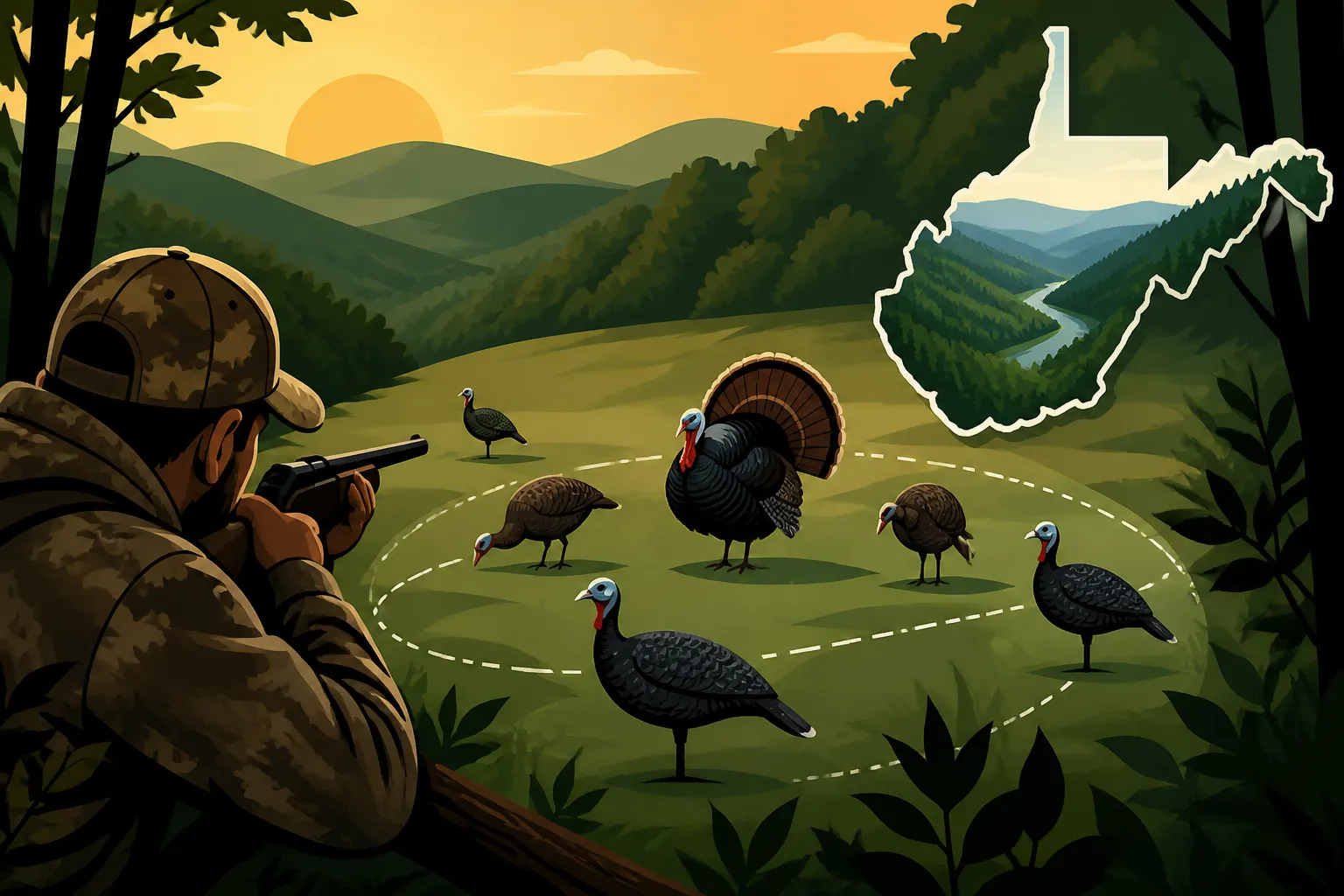
- Single Hen or Jake Decoy: Sometimes, all you need is one lonely hen, maybe even a feeder hen that looks completely relaxed and unconcerned. This projects an image of safety. For spring turkeys, a single jake decoy or even a jake paired with one hen often works wonders. The jake isn't overly aggressive but still provides an attractive target for an older gobbler looking to assert dominance or a younger one hoping to find a date.
- The "Breeding Pair" or "Lone Jake" Approach: A subtle breeding pair setup, perhaps a breeding hen lying down with a jake or gobbler close by, can be very enticing. It’s a natural, non-threatening scene. Or consider just a lone jake, appearing nonchalant. This setup offers just enough visual cue to draw them in without raising red flags. Realism is paramount. Don't use a decoy that looks like it belongs in a toy store; invest in realistic, non-glossy decoys that mimic actual bird postures. Brands like Avian-X and Zink Calls offer some incredibly lifelike options that can make a huge difference.
Positioning for Commitment and Confidence
It's not just what decoys you use, but where you put them. The goal is to draw the bird in, make it feel safe, and present a shot.
- Closer to Your Hide: Instead of placing decoys far out, try setting them closer to your position—say, 15-20 yards. This achieves a few things: it creates a tighter shooting lane, makes the decoys appear more accessible, and gives the approaching bird a shorter "decision-making zone" before they're right in your lap. For a spring gobbler, this means they'll be in comfortable shotgun range when they commit.
- Creating a "Safe Zone" for the Birds: Think about how birds naturally approach. They want cover, they want to feel secure. Place your decoys near natural breaks in the terrain, at the edge of a woodline, or just over a slight rise. This gives the incoming bird a natural approach path and a sense of concealment until they pop up right in front of your spread.
- Angles for Approach and Shot Opportunities: Always consider the angle you want the bird to present for a shot. For turkeys, a quartering-away or broadside shot is ideal. Position your decoys so that when the real bird approaches to confront or join them, it offers you that ethical shot. For instance, if you're right-handed, you might place your decoys slightly to your left, encouraging the bird to swing around to their right, presenting a perfect broadside or quartering-away shot.
- Using Terrain and Cover to Enhance Realism: West Virginia's varied terrain is your friend here. A small rise, a downed log, or even a clump of rhododendrons can be used to funnel birds, or to make your decoys appear more naturally integrated into the environment. Don't just stick them in the middle of a field. Put a feeding hen right on the edge of a field, or a jake just peeking over a small knoll. You'd be surprised how much confidence this builds in wary birds. When Scouting West Virginia Public Land Before Season, pay close attention to these natural features.
Adapting to Different Species and Seasons
While many principles of decoy placement apply broadly, specific adaptations are crucial for different game and times of year.
Game Species / Season Decoy Strategy for Wary Birds It's a lot to take in, but breaking it down, using tools like GoHunt to analyze terrain and access points before you ever step foot in the woods, makes a world of difference. The more information you have about the area, the better you can plan your approach.
Advanced Decoy Tactics for Ultra-Pressured Scenarios
When you're dealing with birds that have seen every trick in the book, you need to elevate your game. This might involve being more mobile, understanding the finer points of concealment, or leveraging technology.
Mobile Decoy Strategies
Sometimes, sitting in one spot with a stationary spread just isn't cutting it. Pressured birds will often circle wide, stay in the timber, or just generally avoid the open spots where traditional decoy spreads are placed. That's when you need to get mobile.
- Lightweight, Packable Decoys for Run-and-Gun Tactics: Instead of heavy, bulky full-body decoys, consider investing in lightweight, collapsible options. These are perfect for Run-and-Gun Turkey Tactics on Public Land. You can quickly set up a single feeding hen or a quarter-strut jake in a new location if the birds aren't responding. This allows you to quickly adjust to their movements, setting up ambushes where they feel safe. The beauty of these decoys is that they disappear into your vest or pack, making long treks across steep Allegheny ridges much more manageable.
- Quick Setups in New Locations: As you move, listen for soft clucks or faint gobbling. If you hear a bird that seems interested but isn't coming to your calls, quickly evaluate the terrain. Can you get ahead of it? Is there a natural opening or a small bench where you could quickly deploy a subtle decoy? Sometimes, simply showing a bird something from a new angle is enough to tip the scales.
- The "Flicker" Decoy or Motion Enhancements: Motion is a huge confidence booster for wary birds. A simple turkey fan on a stake that you can subtly twitch with a string, or a motorized flicker decoy for waterfowl, can make your spread come alive. Even a slight breeze causing a hen's head to bob can be enough to draw a second look from a bird that’s ready to bolt. Just be careful not to make exaggerated movements; subtlety is key.
Camouflage and Concealment for Decoy Success
Decoy placement is only half the battle; your own concealment is equally, if not more, critical, especially when birds are extra wary. They’ve likely been spooked by a hunter who wasn't well-hidden before.
- Blending Your Setup and the Decoys Themselves: Your hide needs to be impeccable. Whether you're in a ground blind or nestled into the base of a big oak, ensure your outline is broken up. For the decoys, try to make them look as natural as possible. Don't place a pristine decoy in a muddy field if all the surrounding foliage is still lush. Brush in the base of your decoys if it looks unnatural. If you are using a ground blind, make sure to read up on Using a Ground Blind on West Virginia Public Land for tips on proper setup and brushing it in.
- Avoiding Unnatural Lines or Reflections: This is huge. Pressured birds pick up on anything that looks out of place. This means no shiny surfaces on your decoys, calls, or gun barrels. Your silhouette should be completely broken up. If you're hunting turkeys, make sure you don't have a clear skyline behind you that your head or shoulders could break. For waterfowl, ensure your blind is completely brushed in and doesn't cast strange shadows. Even the slightest glint of sunlight off a plastic decoy can spook a bird that's already on high alert.
- The Importance of a Good Hide to Match the Decoy's Illusion: Your decoy is painting a picture of safety and normalcy. Your hide needs to complete that picture. If your decoys look natural but you're constantly fidgeting or getting picked off by approaching birds, the whole illusion falls apart. Become one with your surroundings. Use the terrain, brush, and shadows to your advantage. Remember, turkeys have incredible eyesight, and waterfowl can spot a shiny face from hundreds of yards up.
- Using Natural Cover Effectively: In West Virginia, we have an abundance of natural cover. Laurel thickets, rhododendron patches, deep timber, and rock outcroppings are all prime spots to break up your outline. Don't just set up in the open; use what nature provides. A successful setup for pressured birds isn't just about the decoys; it's about creating an entire scene where the bird feels safe enough to drop its guard for those precious few seconds. For example, if you're targeting birds after a tough Spring Turkey Hunting in West Virginia opener, setting your decoy just inside the timber line, along a known travel corridor, can often be more effective than in a wide-open field. Knowing Where West Virginia Gobblers Roost can also help you predict their morning fly-down paths and place your decoys accordingly.
Disclaimer
Always consult the West Virginia Division of Natural Resources (WVDNR) official regulations for the most current hunting seasons, bag limits, and specific rules regarding decoy use in various regions or for different species. Regulations can change, and it is every hunter's responsibility to stay informed.