Calling a West Virginia Gobbler Off the Roost
There’s nothing quite like the heart-stopping thunder of a gobbler hammering from the roost as the West Virginia mountains begin to glow with the first hint of dawn. But let's be real, getting that bird to actually fly down and commit to your calls can feel like trying to coax a stubborn mule. It's a common frustration for even the most seasoned hunters, facing the unpredictable nature of wild turkeys combined with our challenging terrain. This guide will walk you through the nuances of calling a West Virginia gobbler off the roost, offering proven strategies to turn those distant gobbles into a bird in hand.
Understanding the Gobbler's Morning Routine
Before you can effectively call a gobbler off the roost, you need to understand why he's up there in the first place and what's on his mind as the new day breaks. Turkeys are creatures of habit and safety, and their morning ritual is dictated by both.
Why They're Stubborn on the Roost
Many factors contribute to a gobbler's reluctance to pitch down directly to a hunter's calls. First and foremost is safety. A turkey on a high limb is relatively safe from ground predators like coyotes, bobcats, or even a cunning fox. They have an elevated vantage point, making them feel secure. Descending to the ground, especially into thick cover or an unknown area, represents a significant risk. If he can't see a clear, safe landing zone or feels exposed, he's going to hesitate. This is particularly true in West Virginia's rugged mountains, where clearings can be scarce, and thick laurel or rhododendron can hide anything.
Another huge influence is the presence of hens. Often, a gobbler will roost with a "harem" of hens nearby, or at least hear them in the trees around him. His primary instinct in the spring is to breed, and if he already has hens within earshot, why would he abandon them to investigate a lonesome hen call from the ground? These "henned-up" gobblers are notorious for being the most difficult. They'll gobble their heads off, strutting on the limb, letting the hens come to them. If those real hens fly down and head in a different direction, he'll often follow them without a second thought, leaving you wondering what went wrong. Understanding these motivations is key to adapting your strategy.
Key Times for Calling Off the Roost
There's a narrow window of opportunity to convince a gobbler to fly down to your setup, and timing is everything. The magic generally happens from the first light of dawn until about an hour after sunrise. As the sky lightens, gobblers become more vocal, "shock gobbling" at owls, crows, or anything that makes a sharp noise. This is your initial opportunity to locate them. Once you've pinpointed a roosted bird, the critical period is just before he's ready to fly down.
This means getting into your setup well before light, ideally an hour or more before sunrise. You want to be settled, quiet, and ready when the first light starts to paint the ridgelines. The time directly leading up to and during his fly-down is when your soft, enticing calls are most effective. Once his feet hit the ground, especially if he's with hens, his priorities shift, and he'll often follow the real birds. If you're too late getting into position, or if you're too aggressive with your calling too early, you might spook him or give him reason to be suspicious. Remember, the goal isn't just to make him gobble, it's to make him commit to flying to you.
Strategic Call Selection and Technique
Calling a turkey off the roost isn't about volume; it's about subtlety, realism, and confidence. You're trying to sound like a hen that he wants to be with, not one that's screaming for attention.
The Right Calls for Roosted Birds
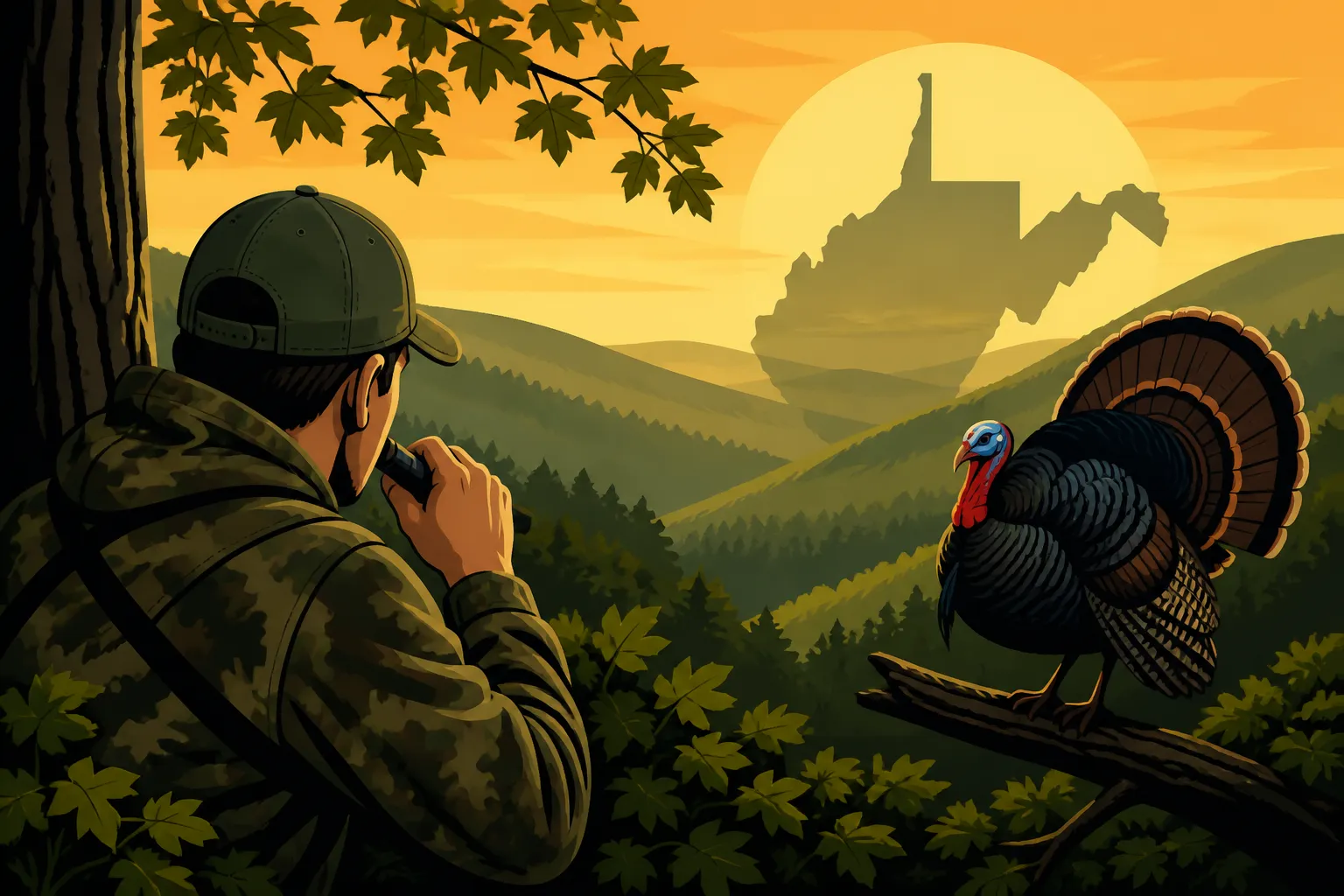
When a gobbler is still on the limb, less is often more. You want to sound like a hen just waking up, letting out a few soft, contented yelps or clucks. A soft tree yelp is your bread and butter here. It's a simple, short series of yelps, often with a slightly sleepy, raspy tone, that mimics a hen greeting the new day from her roost. You might throw in a few soft clucks or purrs to convey a sense of calm and desirability. Mouth calls (diaphragm calls) are excellent for this because they allow for hands-free operation, letting you keep your gun up and ready. Slate or glass calls can also produce excellent soft yelps and clucks, but require hand movement.
Avoid aggressive calling, loud cutting, or excited yelping while the bird is still in the tree. These sounds are more appropriate for later in the morning when you're trying to locate a bird or get a hung-up gobbler to commit. The exception to this "soft call" rule might come right at the moment you hear him flapping his wings, getting ready to pitch down. At that precise second, a realistic fly-down cackle followed by some wing beats (achieved by slapping your hat against your leg or using a dedicated wing flap call) can sometimes seal the deal, making him believe a hen just flew down right where you are. Just be sure not to overdo it; one good cackle is usually enough. For a deeper dive into call options, check out our guide on Box Calls Versus Mouth Calls.
Positioning for Success
Your setup location is as crucial as your calling. You need to be in a spot where the gobbler can comfortably fly down, feel safe, and be able to see or hear you clearly enough to entice him. Ideally, you want to get as close to the roost tree as safely possible without spooking the bird – think 75 to 150 yards. Being too close can reveal your position when he flies down, while being too far might make him lose interest. When you're Setting Up Against a Big Oak or another suitable tree, consider the terrain. Turkeys prefer to fly down into open woods, a field edge, or along a logging road where they can easily see. They typically won't fly down into thick, dense cover if they can avoid it.
Look for a natural funnel or an open lane that he might use. If you're hunting a steep ridge, try to set up on the same elevation or slightly below him, encouraging him to fly down to you rather than walking up to you. Facing the direction you expect him to come from, with good cover at your back, is paramount. Many hunters use mapping apps like GoHunt to scout potential roosting areas and fly-down zones from home, identifying saddles, benches, or powerline cuts that offer good visibility and access. This pre-scouting can significantly improve your chances of being in the right place at the right time. Remember, you want him to land within shotgun range, so visualize his flight path and choose your spot accordingly.
Reading the Gobbler and Adapting Your Approach
Wild turkeys are notoriously fickle. One minute they're gobbling their heads off, the next they're silent. Learning to interpret their responses is crucial for knowing when to stick with your plan or when to pivot.
Interpreting Gobbler Responses
Every gobble, or lack thereof, tells a story. An enthusiastic, booming gobble that echoes through the hollows, especially if he's cutting off your calls, often indicates a hot bird. He's interested, he knows you're there, and he's broadcasting his presence. This is a good sign. However, don't confuse volume with commitment. A bird can gobble all morning from the roost and still fly down in the opposite direction if real hens call him away. If he's gobbling consistently but not getting any closer, he might be henned up or just not ready to leave his perch.
On the other hand, if you get a few soft clucks or purrs in response, or just a single, distant gobble, he might be more cautious but still curious. Silence, especially after an initial gobble, can be unnerving. He might have flown down silently, be moving away with hens, or just be wary. Pay close attention to subtle sounds – wing beats, soft clucks from real hens, or leaves rustling. Sometimes, a lack of gobbling means he's actively looking, trying to sneak in without giving away his exact position. Staying patient and observant is key. When you're trying to understand the nuances of a gobbler's call, it really helps to have listened to various calls before the season, perhaps even trying some Locator Calls for West Virginia Gobblers to see how they react.
When to Change Tactics or Move On
If a gobbler is still hammering from the roost but refusing to fly down towards you, and you've given him some soft, enticing calls, it might be time to switch things up. If he’s flying down with hens and heading away from you, a common scenario in West Virginia, don’t despair. This is where you might transition from a static setup to a more aggressive Run-and-Gun Turkey Tactics on Public Land approach. You could try circling wide to get ahead of him and his hens, setting up an ambush further along their likely path. This requires quick, quiet movement and good knowledge of the terrain.
If the bird simply goes silent after fly-down, and you haven't seen or heard any real hens, it's possible he flew down silently and is now on the ground, still looking. Give it 15-20 minutes of silence, perhaps with a soft call every few minutes, before slowly moving to a new setup. Sometimes, just changing your angle or moving a hundred yards can make all the difference. Remember, the early morning roost routine is just the first chapter of the hunt. If it doesn't pan out, the day is long, and turkeys are always on the move, especially if you know When West Virginia Gobblers Go Quiet in May.
Common Mistakes and How to Avoid Them
Even experienced turkey hunters make mistakes, especially when that adrenaline kicks in at first light. Being aware of these common pitfalls can significantly increase your success rate.
Over-Calling and Aggression
One of the biggest mistakes hunters make, especially with a hot roosted bird, is over-calling. It's so tempting to keep hammering back at every gobble, but this can actually work against you. Too much calling, or calls that are too loud and aggressive, can make a gobbler wary. He might think, "That hen is awfully excited and loud, maybe she's not alone," or "She sounds too demanding." In a turkey's world, confidence and subtlety often win. You're trying to sound like a natural, receptive hen, not an insistent one.
Instead of constantly gobbling back, try a "call and wait" strategy. Offer a few soft yelps or clucks, then listen. If he gobbles, wait. Let him wonder where you went. Make him think he needs to come find you. A long silence from your end after a series of his gobbles can sometimes be the best call of all. It makes him impatient, inquisitive, and more likely to commit. If he's still on the roost, sounding like a contented hen just waking up will often be far more effective than trying to mimic a full-blown conversation. It’s all about maintaining realism and not giving away that you’re a human.
Poor Setup Location
Another critical error is choosing a poor setup location. You might get too close and accidentally spook the bird on the roost, or you might choose a spot where he can't possibly fly down safely. For example, setting up directly under a roost tree means he'll likely pitch off the opposite side. Choosing a location that forces him to cross an open field or a deep hollow to get to you also puts you at a disadvantage, as he might hang up at the edge, out of range. Hunters often forget that turkeys rely heavily on their eyesight, and they're not going to expose themselves to potential danger.
To avoid this, use your scouting tools like GoHunt's satellite imagery to identify natural travel corridors, open clearings near potential roost trees, and areas that provide good cover for you while offering a clear fly-down zone for the bird. Think about the sun's position – you generally want the sun at your back, shining into the turkey's eyes, making it harder for him to spot you. Also consider the terrain; Hunting Steep Allegheny Ridges means understanding how turkeys navigate these slopes. Always have a clear shooting lane, but also plenty of cover to conceal your movements. A well-chosen setup allows you to remain unseen, move your gun into position, and gives the gobbler a confident path directly to you.
Call Types for Roosted Gobblers
Here's a quick comparison of popular call types and their effectiveness for working a bird off the roost:
| Call Type | Pros | Cons | Best Use for Roosted Birds |
|---|---|---|---|
| Mouth Call | Hands-free, versatile, realistic soft yelps/clucks, fly-down cackles | Learning curve, can get wet/cold, hard for beginners to master | Soft tree yelps, clucks, purrs; fly-down cackle at moment of pitch. |
| Slate/Glass Call | Excellent realism, wide range of tones, easy soft calls | Requires hand movement, less ideal for gun-up readiness | Soft yelps, clucks, purrs, especially for quiet, natural sounds. |
| Box Call | Easy to use, great volume and realism, good for shock gobbling | Bulky, requires hand movement, harder for subtle sounds | Soft tree yelps (gentle strokes); good for locating birds post-fly-down. |
Disclaimer
Please be aware that hunting regulations and seasons can change. Always consult the latest West Virginia Division of Natural Resources (WVDNR) hunting regulations before heading into the field. Safety should always be your top priority when hunting.