Gaiters for Wet Highlands Bogs
There's nothing quite like the crisp, cool air of a West Virginia morning, the smell of damp earth and pine needles filling your lungs as you navigate the rugged terrain. But any hunter who has spent time in our state's higher elevations, particularly after a good rain or in early spring, knows the gut-sinking feeling of stepping into a hidden bog or a marshy seep and having icy water flood over the top of their boots. That instant chill can ruin a hunt, send you back to camp prematurely, and even pose a risk in truly cold conditions. This guide is all about tackling that exact problem, showing you how a simple piece of gear – the humble gaiter – can be an absolute game-changer for keeping your feet dry, comfortable, and focused on the hunt, especially when you're wading through those famously wet highlands bogs.
The Unavoidable Reality: Wet Feet in West Virginia's Highlands Bogs
West Virginia's mountains, while breathtakingly beautiful, present a unique set of challenges for hunters. The combination of elevation, persistent rainfall, snowmelt, and dense vegetation creates an abundance of wet, boggy areas, particularly in places like the Cranberry backcountry or the high-elevation bogs of Dolly Sods. It's not just the big, obvious puddles you have to worry about; it's the hidden springs, the saturated moss, and the trickling seeps that run through every hollow and along every bench.
Beyond Just Getting Wet: The True Impact on Your Hunt
Stepping into a bog and feeling that cold water seep into your boots isn't just uncomfortable; it's a morale killer. Imagine you're on a multi-day hunt, deep in the Monongahela National Forest, maybe Hunting Bears in the Cranberry Backcountry, and your feet get soaked on the first morning. Suddenly, every step is a squish, your socks are heavy, and blisters start to form. The focus shifts from tracking that mature buck or sneaking up on a gobbler to the nagging discomfort in your feet. In colder weather, wet feet aren't just uncomfortable – they can be genuinely dangerous, leading to hypothermia or frostbite if you're far from warmth and unable to dry out.
It also affects your stealth. The "squish, squish" of wet boots and socks isn't exactly ideal when you're trying to be as quiet as a ghost on a still morning. The rustle of wet pant legs against brush can also give away your position. Beyond the immediate misery, persistent wetness can also lead to skin issues like trench foot if not addressed quickly, turning a memorable hunting trip into a painful ordeal.
Why Standard Rain Gear Often Falls Short in Deep Cover
Many hunters invest in good waterproof hunting pants, and that's a smart move. However, even the best waterproof pants and high-quality hunting boots have their limitations, especially in West Virginia's truly wet environments. The problem often isn't the material itself, but the seam where your pants meet your boots, or the very top of your boot shaft. When you're pushing through thick, wet rhododendron tunnels, wading through knee-high swamp grass, or sloshing across a mucky stream bed, water inevitably finds its way in. It splashes up under your pant leg, or simply overtops your boot if the water is deeper than you anticipated.
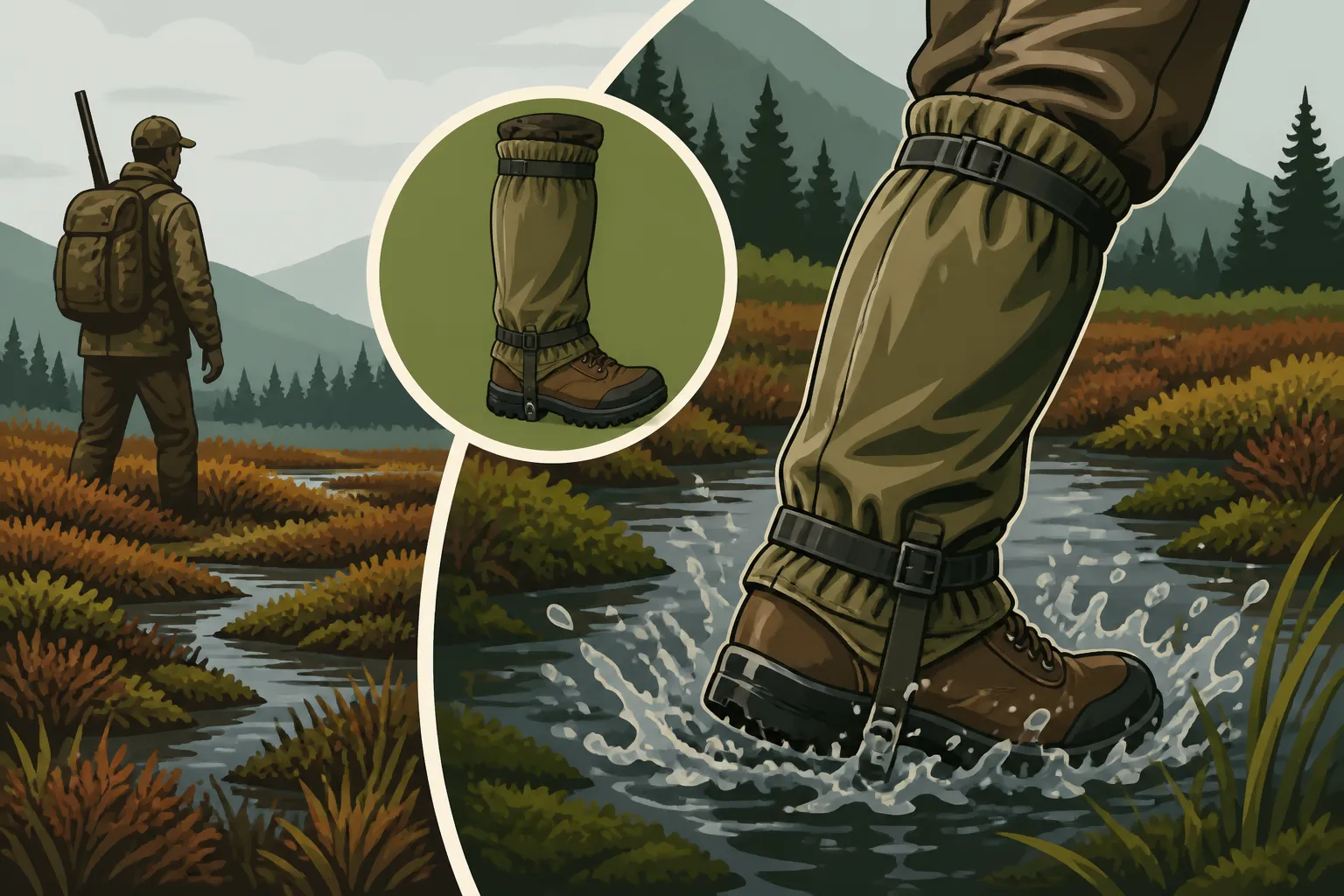
Your waterproof pants might keep your thighs dry, but if water funnels down to the top of your boot, or if you sink deeper than your boot's collar, that water has nowhere to go but in. This is where gaiters come in, acting as a crucial bridge and barrier between your pant cuffs and the top of your boots. They essentially extend the waterproof protection much higher up your leg, creating a seal that prevents water, mud, snow, and even abrasive debris from entering your footwear. It's a simple solution to a very common and frustrating problem that many of us have faced countless times in the field.
Understanding Gaiters: Your Footwear's First Line of Defense
Gaiters are essentially protective sleeves that wrap around your lower legs, covering the top of your boots and extending upwards, typically to just below the knee. They are a deceptively simple piece of gear that can make a world of difference when you're navigating truly gnarly, wet terrain. Think of them as an extra layer of armor for your boots and lower pant legs.
Breaking Down the Anatomy of a Hunting Gaiter
While they all serve the same basic purpose, gaiters come with a few key features that are important to understand:
- Main Body Material: This is the primary fabric that covers your lower leg. For hunting, you'll typically want something waterproof and durable, often made from rugged nylon or polyester with a DWR (Durable Water Repellent) coating or a waterproof/breathable membrane like Gore-Tex or similar proprietary fabrics.
- Front Closure: Most gaiters have a front opening that allows you to easily put them on and take them off over your boots. This usually consists of a full-length zipper, a hook-and-loop (Velcro) closure, or a combination of both. Some may have snaps or buckles for extra security at the top and bottom.
- Top Closure: To keep them from sliding down, gaiters have a closure at the top, typically a drawcord, elastic, or a strap with a buckle. This allows you to cinch them snugly around your calf.
- Under-Boot Strap: This is arguably one of the most critical components. A durable strap (often hypalon, nylon, or wire cable) runs underneath your boot, preventing the gaiter from riding up while you walk. This strap usually has a buckle or hook for adjustment and removal.
- Lace Hook: A small metal hook, typically found at the bottom front of the gaiter, clips onto your boot laces. This helps secure the gaiter to the front of your boot, preventing it from flapping or pulling away from the boot's tongue.
Understanding these parts helps you evaluate the quality and functionality of different gaiter designs. If you're doing serious mountain hunting, perhaps Hunting Spruce Knob Adjacent Terrain, you'll want features that stand up to abuse.
How Gaiters Shield You from the Elements and More
The primary benefit of gaiters is, of course, keeping you dry. They create a seamless, waterproof barrier that extends well above your boots, preventing water, mud, and snow from entering from the top. Imagine slogging through a creek crossing or a saturated clear-cut where the water is deeper than your boot tops; a good set of gaiters will let you push through with dry feet where otherwise you'd be soaked.
But their utility doesn't stop at just water. Gaiters are also fantastic at protecting against:
- Mud and Muck: They prevent mud from splashing up and coating your lower pant legs and boot laces, making clean-up easier and keeping your gear lighter.
- Snow and Ice: In winter conditions, they keep snow from accumulating on your boot tops and melting inside, a common problem when Hunting the Late-Season December Lull.
- Debris: Thorns, burrs, stickers, small rocks, and even grit can find their way into your boots, causing discomfort or damage. Gaiters keep all this abrasive material out, saving your socks and your feet.
- Abrasions: Pushing through dense brush, thorny thickets, or sharp rocks can quickly tear up the lower cuffs of your hunting pants. Gaiters take the brunt of this abuse, protecting your more expensive hunting clothing.
I've been in situations where I used a pair of gaiters to push through a dense blackberry patch, and while the gaiters came out a little scratched, my expensive waterproof pants were completely untouched. It was a testament to their protective power.
The Silent Benefit: Protecting Your Gear Investment
Let's be honest, hunting gear isn't cheap. Good quality waterproof boots, like those you'd rely on when Boots for West Virginia Hollows and Ridges, are a significant investment. The constant abuse from water, mud, briars, and abrasive terrain can take a toll. Gaiters act as an external protective layer, significantly reducing the wear and tear on the lower sections of your hunting pants and the uppers of your boots.
By keeping mud and gritty debris off your boot laces and out of the crevices, gaiters also help prolong the life of your boot's waterproofing and overall integrity. Fewer snags mean less chance of rips in your waterproof membranes. While gaiters themselves are subject to wear, they are generally far less expensive to replace than a pair of high-end hunting boots or technical waterproof pants. It's a small investment that offers outsized protection for your other, more costly, pieces of gear.
Choosing the Best Gaiters for West Virginia's Unique Terrain
When you're out hunting in West Virginia, whether you're Hunting Potomac Highlands Public Land or sneaking through river bottoms, the terrain and conditions are constantly changing. Choosing the right gaiters is paramount. It’s not just about throwing on any pair; it’s about finding the ones that can withstand our rugged mountains and notoriously damp conditions.
Waterproofing, Breathability, and Material Durability
This trifecta is key for West Virginia hunters. You need gaiters that are absolutely waterproof, or you defeat the entire purpose. Look for reputable waterproof membranes, often Gore-Tex or similar technologies, and fully taped seams. However, "waterproof" often comes with the caveat of "less breathable." For strenuous hikes up our steep ridges, your legs will sweat, and that moisture needs a way to escape. Gaiters made with breathable waterproof fabrics strike a balance, allowing internal moisture vapor out while keeping external liquid from penetrating.
Durability is another non-negotiable. Our woods are tough. We've got multiflora rose, thick laurel, sharp rocks, and abrasive shale. A flimsy gaiter will be shredded in one season. Look for heavy-duty nylon or Cordura fabrics, especially in areas prone to abrasion, such as the instep and around the ankle. Some gaiters feature different fabric weights, with tougher material lower down and lighter, more breathable material higher up.
Consider how your gaiters will hold up to daily abuse. I've seen gaiters with paper-thin material get shredded on their first outing when pushing through a thick blowdown. While GoHunt might offer some great insights and reviews into various gear, always prioritize materials that feel substantial and robust for our West Virginia hunting.
| Feature | Description | Why it matters for WV Hunting |
|---|---|---|
| Waterproof Rating | Usually measured in mm (e.g., 10,000mm+); indicates water resistance. | Keeps feet dry through bogs, stream crossings, and heavy dew. |
| Breathability | Measured in MVTR (Moisture Vapor Transmission Rate); allows sweat to escape. | Prevents clammy, uncomfortable legs on long hikes up steep grades. |
| Material Durability | Denier count (e.g., 500D Cordura); resistance to abrasion and tearing. | Withstands briars, sharp rocks, and dense laurel thickets. |
| Closure System | Zippers, Velcro, snaps, buckles. | Secure fit, easy on/off, and prevents mud/water ingress. |
| Under-Boot Strap | Hypalon, nylon, or wire cable; prevents riding up. | Keeps gaiter firmly in place, even when slogging through deep mud. |
| Lace Hook | Metal hook that attaches to boot laces. | Adds security, keeps front of gaiter flush with boot. |
Fit, Fasteners, and Features for Aggressive Mountain Hunting
A gaiter is only as good as its fit and how securely it stays in place. A floppy, ill-fitting gaiter will constantly ride down, let water in, and annoy you to no end. Look for gaiters that offer a snug fit around your calf but still allow for comfortable movement. Many come in different sizes based on calf circumference and boot size.
- Closure System: Zippers are fast, but can sometimes get jammed with mud or ice. Hook-and-loop closures are generally more reliable in dirty conditions but can accumulate debris. A combination of both often works best, with Velcro covering a zipper for added protection and mud resistance. Ensure the closures are robust and won't pop open mid-stride.
- Under-Boot Strap: This is crucial. A thin nylon strap will wear out quickly on rocky terrain. Look for a durable hypalon or reinforced strap. Some high-end gaiters use steel cables for ultimate durability, which might be overkill for most, but shows the commitment to longevity. Make sure it's easily adjustable to fit different boots.
- Top Closure: A reliable drawcord or webbing strap with a secure buckle will keep the gaiter from slipping down your leg, especially when you're post-holing in snow or mud.
- Quietness: For deer or turkey hunting, noise is a major concern. Some waterproof fabrics can be surprisingly noisy, making a swishing sound as you walk. Test them out, if possible, or read reviews specifically addressing noise. Look for softer, brushed fabrics that minimize sound.
When you're constantly climbing and descending, perhaps using Trekking Poles for Steep Ridge Access, you need gear that stays put and performs without distraction.
Finding the Right Balance: Noise, Weight, and Protection
This is where personal preference and hunting style come into play.
- Noise: As mentioned, some waterproof materials can be noisy. For archery hunting or still-hunting, this can be a deal-breaker. Look for gaiters with quiet fabric choices. Brands often tout "quiet" materials, but it's worth checking user reviews.
- Weight: While gaiters aren't typically heavy, every ounce counts on a long trek. Ultra-light backpacking gaiters exist, but they often sacrifice durability. For West Virginia hunting, a balance is needed – something robust enough to protect but not so heavy it feels cumbersome.
- Protection Level: Do you need full knee-high protection, or will ankle-high gaiters suffice? For serious bog-hopping or deep snow, higher gaiters are almost always better. If you're only worried about dew and light splashing, a shorter gaiter might work, but in the West Virginia highlands, you'll rarely regret having more protection.
My personal preference leans towards a medium-height, durable, and quiet gaiter, especially when I'm out Hunting Monongahela National Forest where I know I'll encounter varied, often wet, terrain. Remember to consider all these factors when doing your research on gear, maybe even cross-referencing options with tools like GoHunt for specific product details and comparative reviews before making a purchase.
Maximizing Your Gaiter's Lifespan: Care and Maintenance Tips
You've invested in a good pair of gaiters to keep your feet dry and comfortable in West Virginia's challenging terrain. Now, to make sure they last for many seasons to come, proper care and maintenance are absolutely essential. Neglecting your gaiters after a tough hunt can significantly shorten their lifespan and compromise their performance, leaving you with wet feet when you least expect it.
Post-Hunt Cleaning: A Simple Routine for Long-Term Performance
After a day spent slogging through mud, bogs, and creek bottoms, your gaiters are likely covered in grime, especially if you were Hunting Dolly Sods High-Elevation Bogs. It's tempting to just toss them in the corner until the next trip, but resist that urge!
- Brush Off Loose Debris: As soon as you take them off, or at least before the mud dries solid, use a stiff brush or even a sturdy stick to knock off any large clumps of mud, leaves, burrs, and other debris. This prevents it from getting caked in and grinding into the fabric.
- Rinse Thoroughly: If possible, rinse them under a hose or in a sink with cool water. Pay special attention to the underside straps, buckles, and zipper areas, where mud and grit tend to accumulate. A soft brush can help here too. Avoid using harsh detergents, as these can strip away the DWR (Durable Water Repellent) coating and even damage waterproof membranes. If you must use soap, opt for a gentle, technical fabric cleaner specifically designed for outdoor gear, or just plain water.
- Inspect and Clean Closures: Make sure the hook-and-loop (Velcro) closures are free of debris to ensure a good seal. Clean out any mud from zippers; a small toothbrush can be effective for this. This prevents premature wear and ensures they function smoothly when you need them.
- Dry Properly: Hang your gaiters in a well-ventilated area, away from direct sunlight or excessive heat. Ensure they are completely dry, both inside and out, before storing them. Hanging them upside down can help any remaining moisture drain out. Proper drying prevents mildew growth, which not only smells terrible but can also degrade fabrics and coatings over time. Just as you would carefully dry your Rain Gear for a West Virginia Downpour, treat your gaiters with the same respect.
Inspecting for Wear and Tear
Before and after each hunting season, and ideally after particularly rigorous hunts, give your gaiters a thorough inspection. Catching small issues early can prevent bigger problems down the line.
- Fabric Integrity: Look for any small tears, punctures, or worn-thin areas, especially on the lower sections that endure the most abuse. Pay attention to seams; are they still sealed and intact?
- Under-Boot Straps: These are often the first component to show wear. Check for fraying, cuts, or signs of stretching. If the strap is replaceable, consider having a spare on hand. If it's integrated, you might need to patch it or consider replacing the gaiters if the damage is severe.
- Closures: Test all zippers, snaps, buckles, and hook-and-loop closures. Ensure they engage securely and smoothly. If a zipper is sticky, try a specialized zipper lubricant. If Velcro is losing its grip, it might be clogged with debris or simply worn out.
- DWR Coating: If water is no longer beading up on the surface of your gaiters and is instead soaking in, the DWR coating might be compromised. This doesn't mean the gaiters are no longer waterproof (the internal membrane still works), but the outer fabric will wet out, making them heavier and less breathable. You can often restore the DWR with a spray-on or wash-in treatment designed for waterproof fabrics.
Proper Storage for Off-Season
When the hunting season wraps up and you're putting away your gear, don't just wad up your gaiters and toss them in a bin.
- Clean and Dry: Ensure they are meticulously clean and bone-dry, as outlined above. This is crucial to prevent mildew, odors, and fabric degradation during storage.
- Store Flat or Loosely Rolled: Avoid tight folding or crumpling, as this can create permanent creases and weaken fabric membranes over time. Store them loosely rolled or laid flat in a breathable storage container or gear bag.
- Avoid Extreme Temperatures: Store your gaiters in a cool, dry place, away from direct sunlight or extreme heat fluctuations. Attics, unheated garages, or damp basements are generally not ideal. A closet or a dedicated gear locker is usually best.
- Keep Away From Pests: Protect your gear from rodents and insects. Airtight containers or mesh bags can help, but regular checks are always a good idea.
By following these simple care and maintenance steps, your gaiters will continue to perform at their best, providing you with dry, comfortable feet season after season. It’s an investment in your comfort and success in the field, allowing you to focus on the pursuit rather than the misery of wet socks. Whether you're planning your next adventure with the help of GoHunt's scouting tools or simply reflecting on past successful outings, taking care of your gear ensures you're always ready for West Virginia's wild places.
Disclaimer
This article is for general informational purposes only and does not constitute professional advice. Laws, prices and regulations vary by location and change over time. Consult a qualified professional for guidance on your specific situation.