Coolers and Game Bags for Early Archery
The early archery season in West Virginia is a truly magical time, full of crisp mornings and the promise of a long season ahead. But let's be honest, those warm September and even early October days can turn a successful hunt into a scramble when it comes to meat care. Nothing's worse than finally getting a buck down after weeks of scouting, only to worry about spoilage because the temperatures are still soaring. This guide is all about equipping you with the knowledge and tools to ensure your hard-earned venison makes it from the woods to your freezer in prime condition, no matter what the thermometer says.
The Critical Importance of Early Meat Care
When you're out chasing deer in the early archery season, the weather isn't always cooperating with ideal meat preservation. Those warm, sunny days that make for comfortable hunting can quickly become a liability once you've made a kill. Unlike the deep freeze of late-season gun hunts, you're battling heat, humidity, and insects right from the moment the animal hits the ground. Neglecting proper care in these conditions can lead to bacterial growth and spoilage much faster than many hunters realize, turning delicious venison into a sad, wasted opportunity.
Why Speed and Cleanliness are Non-Negotiable
From the instant a deer expires, the clock starts ticking. The internal body temperature of a deer is around 100-102°F, a perfect incubator for bacteria, especially if the weather is warm. You need to rapidly reduce that internal temperature, and the first step is always field dressing. This isn't just about making the animal lighter to drag; it's about removing the heat-generating internal organs and allowing the carcass to begin cooling. Every minute counts, particularly on those days when the ambient temperature is above 50°F.
Beyond speed, cleanliness is paramount. Blood, dirt, and gut contents are vectors for bacteria. While field dressing, try your best to keep the meat clean. If you're near a clean water source, a quick rinse of the body cavity can help, but ensure you then dry it thoroughly to prevent further bacterial growth. It's a delicate balance, but striving for as clean an environment as possible for your meat right from the start is a game-changer. Ignoring these basics is a surefire way to compromise the quality of your venison, and believe me, you don't want to explain that to your hunting buddies at camp.
Understanding Spoilage Factors in Warm Weather
Several factors conspire against you when hunting in warmer temperatures. First and foremost is heat. The higher the ambient temperature, the slower the carcass cools, and the faster bacteria multiply. Humidity also plays a role, as it can hinder the formation of a protective "crust" on the meat, which helps prevent spoilage. Insects, especially flies, are a major concern. They lay eggs that quickly hatch into maggots, and these can ruin meat in short order. This is where quality game bags become an absolute lifesaver.
Furthermore, improper handling can bruise or dirty the meat, which can also accelerate spoilage. A deer that's dragged extensively through dirt and brush, or handled roughly, isn't going to present the same quality as one that's carefully quartered and packed out. The internal temperature of the deer coupled with external heat means you're fighting an uphill battle, but with the right gear and knowledge, it's a fight you can absolutely win. We're talking about avoiding that distinct sour smell or green tint that signals meat is past its prime.
Essential Gear: Coolers and Ice
Coolers are your frontline defense against spoilage once you've got your deer quartered. They act as mobile refrigerators, allowing you to quickly drop the meat's temperature and keep it there until you reach your processing destination. But not all coolers are created equal, and knowing what to look for can save you a lot of headache and potentially a lot of meat.
Choosing the Right Cooler for West Virginia Hunting
When it comes to coolers, you generally have two main categories: standard insulated coolers and high-performance roto-molded coolers. Standard coolers are fine for short trips or if the weather is already quite cool, but for early archery season in West Virginia, especially if you're deep in the Monongahela National Forest Hunting and have a long drive ahead, roto-molded coolers are often worth the investment. Brands like Yeti, RTIC, or Orca are popular for a reason—they offer superior insulation, keeping ice solid for days. The thicker walls and tighter seals make a huge difference in sustained cold retention.
Size matters, too. For a quartered deer, you'll want at least a 70-quart cooler, and ideally an 80-100 quart one, especially if you plan to get both sides of a larger buck in there with plenty of ice. If you anticipate harvesting more than one animal or a very large deer, two smaller coolers might be more manageable than one behemoth. Consider the space in your vehicle. Can it fit in the back of your SUV or truck without obstructing your view or being a pain to secure? Don't forget that a full cooler of meat and ice can be incredibly heavy, so think about how you'll load and unload it.
Mastering Ice Management for Optimal Cooling
Ice is your best friend. For early season, you need a lot of it. The ideal ratio is often considered to be a 2:1 ice-to-meat ratio by weight, though sometimes you can make do with 1:1 if you are diligent. Crushed ice offers more surface area contact and cools faster, but block ice lasts longer. A combination of both is often the best strategy: use crushed ice directly around the meat to initiate rapid cooling, then add block ice on top for longevity.
Pre-chilling your cooler before the hunt is a simple but effective trick. Fill it with ice and let it sit overnight. This cools down the cooler's internal temperature, so your hunting ice doesn't have to work as hard to cool the cooler itself. When it comes time to pack your meat, drain any melted water from the pre-chill ice, and then add your fresh hunting ice. As the ice melts, the cold water will continue to draw heat from the meat. However, it's crucial to regularly drain off the water and replenish with fresh ice, especially if the water starts to get bloody, as this can harbor bacteria. Many hunters prefer to keep their meat elevated slightly off the bottom of the cooler, out of the meltwater, using a grate or small rack.
Game Bags: Your Meat's First Line of Defense
Once you've field dressed or quartered your animal, game bags are the next critical piece of gear. They protect your meat from insects, dirt, and debris, while still allowing it to breathe and cool down. Using them properly can significantly improve the quality of your venison.
The Benefits of Breathable Game Bags
Forget trying to wrap your meat in plastic tarps or garbage bags. That's a recipe for disaster in warm weather. Plastic traps heat and moisture, creating a perfect environment for bacterial growth and a slimy, off-flavored product. Instead, you need breathable game bags. These are typically made from a sturdy, lightweight, and tightly woven material like cotton or synthetic blends. The breathability allows air to circulate around the meat, which is crucial for forming a dry "crust" on the surface. This crust helps protect the meat from bacteria and can actually improve its keeping qualities.
Beyond breathability, good game bags offer physical protection. They keep flies, yellow jackets, and other insects from laying eggs on your meat. They also prevent dirt, leaves, and other debris from adhering to the surface as you handle and transport the quarters. Imagine dragging a quartered deer out of a hollow – without a game bag, that meat would be covered in forest floor litter. With a good bag, it stays remarkably clean, making your butchering process much easier later on.
Types and Sizes for West Virginia Deer
Game bags come in various sizes and materials. For deer, you'll generally want bags specifically designed for quarters, backstraps, and other prime cuts. Many hunters opt for a set that includes several bags of different sizes to accommodate all the various pieces of a deer. For a whole quarter, you'll need larger, more robust bags. Smaller bags are perfect for backstraps and tenderloins.
Material-wise, fine mesh synthetic bags are popular as they are durable, reusable, and easy to wash. Cotton bags are also an option, often more affordable for single use, but can soak up blood and become heavier. When choosing, consider how many deer you plan to harvest and whether you want reusable options. Make sure the bags are robust enough to withstand being carried through thick West Virginia brush and lifted into a cooler without tearing. It's often a good idea to have a few extra on hand, just in case one gets damaged or for an unexpected second animal.
| Game Bag Type | Material | Key Benefit | Best Use Case |
|---|---|---|---|
| Fine Mesh Synthetic | Nylon, Polyester | Highly breathable, durable, reusable, washable | Quartered deer, backstraps, long-distance pack out |
| Heavy Duty Cotton | Cotton | Good breathability, often cheaper, absorbent | Whole quarters, shorter transport, single use |
| "Alaska Game Bags" | Proprietary blend | Excellent strength, high breathability, reusable | Backcountry hunts, heavy loads, harsh conditions |
| Ultralight Mesh | Fine nylon mesh | Very light, compact, good for small cuts | Tenderloins, smaller pieces, minimalist packing |
Field Care After the Shot: The First Critical Steps
Okay, you've made the shot, and your deer is down. Now the real work begins, especially in the early season heat. What you do in the first hour or two after the kill will determine the quality of your venison. This is not the time to dilly-dally or let adrenaline override common sense.
Rapid Field Dressing and Cooling
The absolute first priority is to field dress the animal. Don't wait. Get the guts out immediately. This removes a significant source of heat and allows the body cavity to start cooling. Lay the deer on a slight incline if possible to allow blood to drain, and prop the cavity open with a stick to maximize airflow. On warmer days, if you can, move the deer to the shade. Even a few degrees difference in ambient temperature can aid cooling.
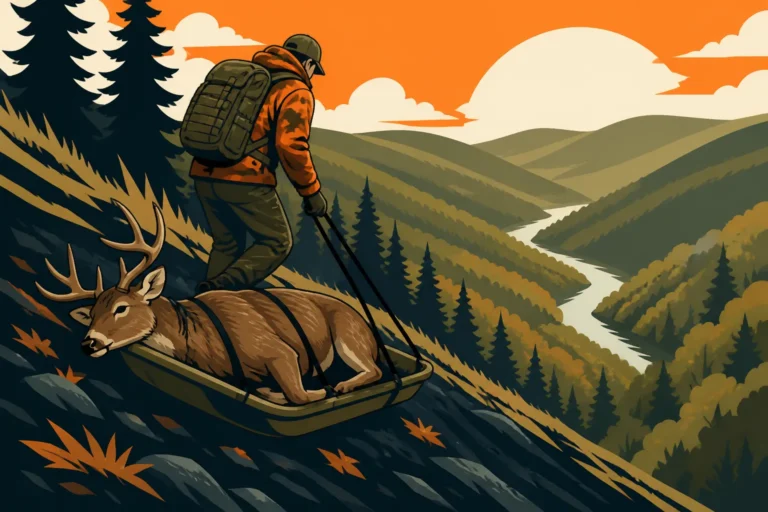
Once the deer is field dressed, resist the urge to drag it long distances if you can avoid it. Dragging can generate heat and bruise the meat, especially in rough terrain. If you're hunting in particularly steep country, consider quartering the animal right there on the ground. The "gutless method" is an excellent technique for this, allowing you to remove all the prime meat without opening the body cavity or dealing with the entrails. This is particularly useful when you're far from a trail or vehicle, perhaps scouting out potential bedding areas on a remote ridge in the Hunting Potomac Highlands Public Land.
Protecting Meat from Insects and Dirt
After field dressing, and especially if you've quartered the animal, get that meat into your game bags as soon as possible. As mentioned, flies are your enemy. They can find exposed meat remarkably fast. Secure the game bags tightly around each piece of meat. This creates a barrier against insects and helps keep the meat clean.
If you are quartering, ensure you have a clean surface to work on. A small, clean tarp or even a heavy-duty contractor bag (used as a clean surface, not to wrap meat) can work. Avoid placing meat directly on the ground. Once bagged, the quarters can then be placed on a game cart or in a deer sled for transport, or loaded directly into your pack if you're hiking it out. For long hikes in, checking mapping tools like GoHunt beforehand to identify the quickest, most shaded recovery routes can save precious minutes and keep your meat cooler.
Transporting Your Harvest Home
So, you've got your deer field dressed, quartered, and bagged. Now comes the transport phase, which is equally crucial for maintaining meat quality. This is where your pre-chilled coolers and diligent ice management truly pay off.
Packing Meat for the Journey
Once your meat is in game bags, carefully place it into your pre-chilled coolers with plenty of ice. Pack the ice strategically, ensuring it's in direct contact with as much meat surface as possible. If you're dealing with boned-out meat, it can be nestled directly into the ice. For bone-in quarters, try to get ice around and between the pieces.
It's tempting to cram everything into one cooler, but if it means less ice or poor air circulation, it's better to use multiple coolers. Again, remember that heavy coolers are tough to move. Consider bringing a separate, smaller cooler for backstraps and tenderloins if space is tight. Also, make sure the coolers are securely fastened in your vehicle. The last thing you want is a cooler sliding around, potentially damaging the meat or even spilling. If you're heading back from a spot where cell service is spotty, like deep in the Allegheny Mountains, a well-planned route on a tool like GoHunt can help you anticipate travel times and manage your ice supply accordingly.
Vehicle Storage and Ice Replenishment
During the drive home, keep your coolers out of direct sunlight as much as possible. If you're driving a truck, put them under a tonneau cover or a tarp. In an SUV, consider covering them with a blanket to add an extra layer of insulation. The goal is to minimize external heat gain.
Long drives in warm weather demand attention to your ice supply. If you're facing a multi-hour journey, plan for a stop to check your ice. If it's mostly melted or the water is heavily blood-stained, drain the water and add fresh ice. While it's okay for the meat to sit in cold water for a short time, prolonged soaking, especially in bloody water, can give the meat an undesirable "water-logged" taste and texture. Replenishing ice is a small effort that yields significant dividends in meat quality. This might feel like an extra hassle after a long hunt, but it's an investment in your dinner plate.
Post-Harvest Processing and Storage
The journey doesn't end when you pull into the driveway. What you do with your meat once it's home and before it hits the freezer is just as important as field care and transport. This final stage ensures that all your hard work translates into delicious meals.
Aging Venison at Home
Many hunters prefer to age their venison for a few days to improve tenderness and flavor. This can be done in a large cooler with ice, or even better, in a spare refrigerator if you have one that can hold the quarters. If using a cooler, maintain consistent ice levels and drain water daily. The ideal aging temperature is between 34-40°F. If you don't have a dedicated fridge, this is where a high-quality roto-molded cooler really shines, as it can hold temperatures more consistently.
Aging time varies. Some prefer 3-5 days, others up to 7-10 days for older bucks. However, in any aging process, strict temperature control and cleanliness are non-negotiable. Any sign of sliminess, strong odor, or discoloration means the meat should be processed immediately or discarded. For more information on deer aging and processing, you might find tips in resources like Butchering a Deer at Camp if you're planning to handle it yourself.
Processing and Freezing Your Meat
Once aged (or if you choose not to age), it's time to process your meat. This involves breaking down the quarters into roasts, steaks, and ground meat. Work in a clean, cool environment. Having sharp knives and a clean workspace is crucial. Many West Virginia hunters have a dedicated "meat room" or space in their garage set up for this. If you don't feel comfortable butchering your own deer, find a reputable local processor. They'll have the facilities to handle the meat quickly and efficiently, ensuring it's properly cut and packaged.
Proper packaging is vital for freezing. Vacuum sealing is the gold standard as it removes air, preventing freezer burn and extending the life of your meat. If you don't have a vacuum sealer, heavy-duty freezer paper or freezer bags can work, but try to press out as much air as possible before sealing. Label each package with the cut and date. Then, get it into the freezer as quickly as possible. Rapid freezing helps preserve the quality.
Overcoming Common Challenges
Early season hunting has its unique hurdles, especially when it comes to meat care. Knowing how to anticipate and overcome these challenges can make your hunt much more enjoyable and successful.
Dealing with Unexpected Warm Spells
West Virginia weather can be notoriously unpredictable. A forecast for cool, crisp days can quickly turn into an unseasonably warm spell. The best defense is always to be prepared for the worst-case scenario. Assume it's going to be warmer than you think. Bring extra ice. Have more game bags than you anticipate needing. If you find yourself with a deer down and the temperature suddenly spikes, your priority should be even more intense focus on rapid field dressing, quartering, and getting the meat on ice.
If you're hunting remotely and can't get to your vehicle quickly, consider hanging the quarters in the shade, suspended off the ground, with game bags on, to allow maximum airflow. Even a gentle breeze can help cool the meat. Some hunters even carry small, battery-operated fans for truly emergency situations to promote airflow, though this is less common. Planning your retrieval route to pass through shaded hollows rather than sunny ridge tops can also help, a detail you can often scout using detailed topographical maps or even an app like GoHunt.
Remote Recovery and Extended Pack-Outs
Hunting deep in West Virginia's vast public lands, like a remote section of the Cranberry Wildlife Management Area, often means long pack-outs. When you're miles from the truck, every ounce counts, and carrying heavy coolers filled with ice might not be feasible on the initial trip in. This is where the gutless method and quality game bags become indispensable. Boning out your meat and packing it into a sturdy frame pack, inside game bags, can be done efficiently.
Once you have the meat packed, the challenge shifts to getting it cooled. If you know you'll be on a multi-hour pack-out, consider carrying a separate, smaller soft-sided cooler with some ice to put critical cuts like backstraps into immediately. For the larger quarters, getting them out of the heat and into your waiting coolers at the trailhead is the goal. For these scenarios, internal links such as Sleds and Drags for Steep Country or Packs for a Monongahela Forest Day Hunt might offer further strategies for efficient retrieval. The key is to be realistic about your capabilities and the terrain, and plan your hunt with meat care in mind from the very beginning.
Disclaimer
This article is for general informational purposes only and does not constitute professional advice. Laws, prices and regulations vary by location and change over time. Consult a qualified professional for guidance on your specific situation.