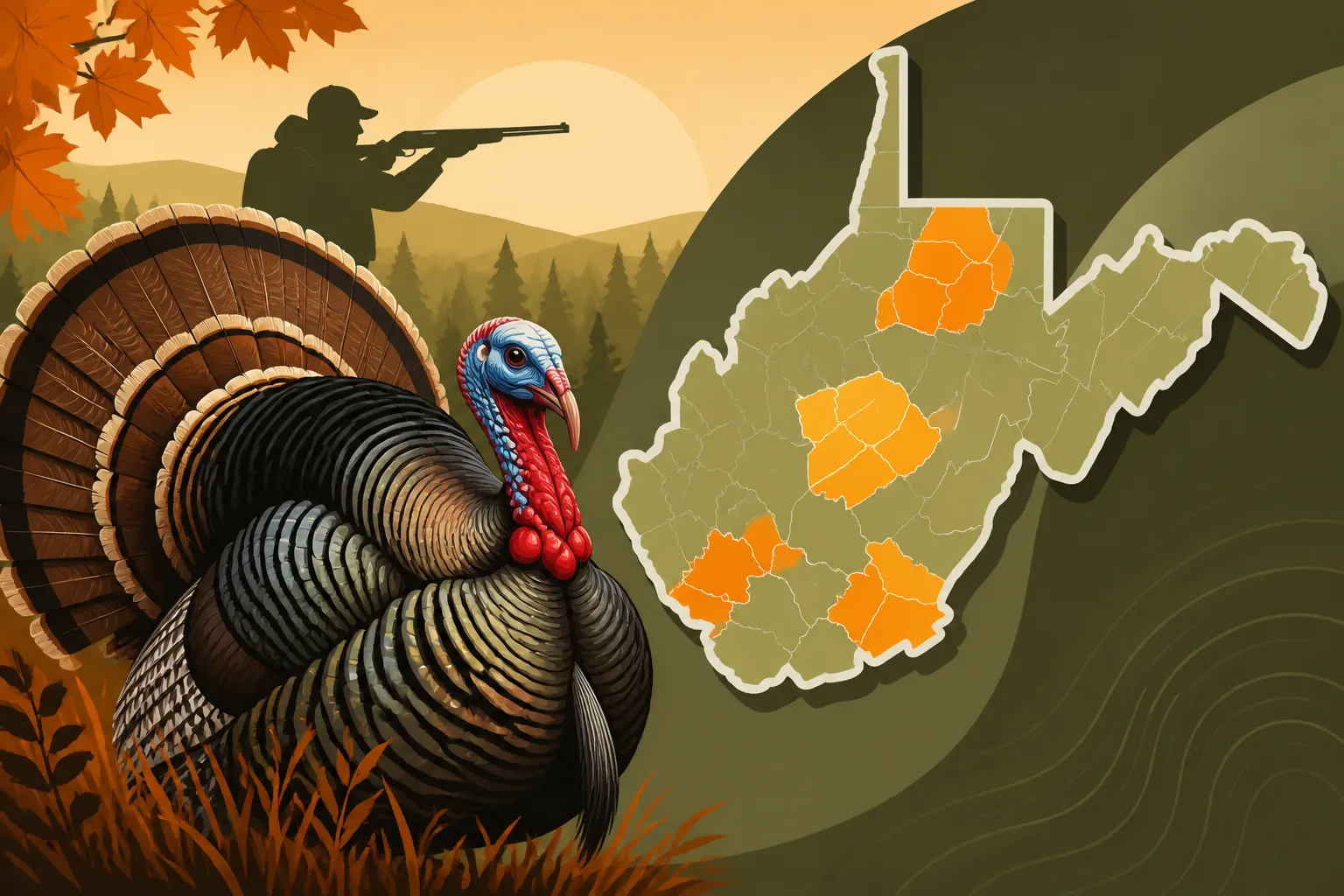
Hunting the Four-Week Fall Turkey Counties
The crisp autumn air, the vibrant colors painting the West Virginia mountains, and the sound of distant gobblers — there's nothing quite like fall turkey hunting. But if you've ever felt overwhelmed trying to decipher the staggered fall turkey seasons across our beautiful state, you're not alone. It can be a real head-scratcher figuring out how to maximize your time in those coveted four-week fall turkey counties. This guide is here to untangle the complexities and equip you with the knowledge to make the most of those extended opportunities, turning confusion into confidence.
Understanding the Four-Week Fall Turkey Season in West Virginia
West Virginia's fall turkey seasons aren't a one-size-fits-all affair, and understanding these differences is crucial for a successful hunt. While some counties might offer just a single week, or even two, a select group of counties provides a generous four-week window. This extended season isn't arbitrary; it’s a strategic decision by the West Virginia Division of Natural Resources (WVDNR) based on robust turkey populations and habitat conditions, ensuring sustainable hunting opportunities.
Why Some Counties Get an Extended Season
The primary driver behind the longer four-week season in certain counties is a healthy, thriving wild turkey population. The WVDNR conducts extensive surveys, including brood counts and harvest data analysis, to assess the health of regional turkey numbers. Counties consistently demonstrating high poult-to-hen ratios and strong overwintering survival are often granted these extended seasons. It's a testament to good habitat management and favorable breeding conditions in those areas. For hunters, this means more chances to be in the woods, but it also means the birds will face more pressure over a longer period, requiring adaptable tactics. Knowing which counties fall into which category is your first step; a good resource to check is the annual hunting regulations summary or online mapping tools like GoHunt that often include season overlays.
Key Dates and Legal Requirements
The four-week fall turkey season typically kicks off in late October, running continuously for its duration, though it’s always wise to double-check the specific dates in the current year's regulations as they can shift slightly. Unlike spring turkey hunting, there are no mandatory reporting requirements for fall turkeys in West Virginia, which can simplify things post-harvest. However, hunters must still possess a valid hunting license and the appropriate stamps. The statewide fall turkey bag limit is generally one bird per day, not to exceed two per fall season. It's a good idea to refresh yourself on the general West Virginia Fall Turkey Bag Limit before heading afield, ensuring you're compliant with all regulations. Remember, while the season is four weeks long, Sundays are generally closed to hunting for fall turkey in West Virginia, a rule worth noting, especially if you're coming from states where Sunday hunting is common. You can learn more about Fall Turkey Tactics Where Sundays Are Closed to plan your week effectively.
Scouting and Locating Flocks in Extended Seasons
A longer season means more opportunities, but it also means the turkeys have more time to react to hunting pressure and changing food sources. Successful fall turkey hunting in a four-week county hinges on continuous scouting and adapting your strategy as the season progresses. You can't just scout once and expect the birds to be in the same spot a month later.
Pre-Season Reconnaissance and Early Season Locations
Before the season even opens, dedicated scouting is paramount. Focus on identifying areas with abundant hard mast – primarily acorns and beechnuts. Turkeys are notorious for keying in on these high-energy food sources as they prepare for winter. Look for fresh scratchings in the leaf litter, droppings, and dusting bowls. Ridge tops, benches, and creek bottoms with mature oak and beech trees are prime locations. Water sources, like small streams or seeps, especially in dry falls, can also be magnets for birds. Using mapping applications like GoHunt during your pre-season scouting allows you to mark potential roosting sites, feeding areas, and travel corridors, saving you valuable time once the season starts. Pay attention to clear-cuts or logging operations, as new growth can attract insects and berries, providing additional food. Scouting West Virginia Public Land Before Season is always a wise investment of time, helping you identify these key areas before others do.
Adapting to Mid-to-Late Season Movements and Pressure
As the four-week season wears on, turkey behavior will inevitably shift. Increased hunting pressure will push birds into thicker, less accessible cover. Food sources will also diminish or be depleted. Mid-season, focus on transition areas – the edges of thick laurel thickets, rhododendron patches, or dense young timber stands adjacent to older hardwoods. These offer security cover while still allowing birds access to remaining food. Late in the season, turkeys will often form larger winter flocks, making them harder to locate but potentially easier to call in if you can break them up. Don't be afraid to venture into areas others might overlook; often, the deepest, steepest hollows or the nastiest tangles hold birds that have been pressured. Look for fresh tracks in soft ground after a rain, which can give you clues about recent travel routes. If early season saw turkeys in wide-open, accessible areas, expect them to become more wary and move into deeper woods as the weeks progress.
Effective Hunting Tactics for Four-Week Counties
The beauty of a four-week season is the opportunity to employ a variety of tactics, adapting them to the birds' changing behavior, weather conditions, and hunting pressure. What works on opening day might be completely ineffective by the third week.
Breaking Up Flocks and Calling Strategies
One of the most classic and effective fall turkey tactics is locating a flock, spooking them to scatter, and then setting up to call them back together. When you hear that distinct alarm putt and the birds fly or run in different directions, that's your cue. Immediately find a good setup spot with plenty of back cover, a clear shooting lane, and visibility. Wait 15-30 minutes for things to settle down, then begin calling. Young birds, especially jakes and jennies, are eager to reunite with the flock, making soft kee-keer runs and lost hen yelps incredibly effective. Don't overcall; subtle, realistic calls are often best. If you can locate a large flock of hens and poults, a good scatter can lead to multiple birds coming back to your calls. Mastering the art of Breaking Up a Fall Turkey Flock can turn a quiet morning into an exciting hunt. Remember to be patient; sometimes it takes an hour or more for scattered birds to feel comfortable enough to respond.
Still-Hunting and Ambush Techniques
While calling scattered birds is a hallmark of fall hunting, still-hunting or setting up ambushes can be incredibly effective, especially in highly pressured four-week counties or during the mid-to-late season when birds are warier. Still-hunting involves moving slowly and deliberately through the woods, pausing frequently to observe and listen. Focus on areas with good visibility but also plenty of cover for you to blend in – ridge lines, old logging roads, or benches where you can see down into hollows. Look for movement, listen for soft clucks or purrs, and pay attention to subtle sounds like scratching or leaves rustling. Ambush tactics work well along known travel routes between roosting areas and feeding grounds, or near persistent food sources. Set up before daylight in a natural blind, or use a pop-up blind brushed into the surroundings. These tactics are particularly effective when the weather turns nasty, pushing turkeys to seek shelter or stay closer to dense cover. Utilizing a good mapping application from GoHunt to identify these travel corridors and potential ambush points beforehand can significantly increase your success rate.
Adapting to Weather and Terrain
West Virginia's fall weather can be notoriously fickle, swinging from warm, sunny days to cold, blustery conditions with rain or even early snow. Turkeys react to these changes. On warm, clear days, they might spread out more, feeding actively. On cold, wet days, they often seek sheltered areas, like dense pines or thick rhododendron, and might feed less overtly. Strong winds can make hearing calls difficult and push birds into sheltered hollows or off exposed ridge tops. When it's windy, focus your efforts in these protected areas. The rugged terrain of West Virginia also plays a huge role. Steep hollows and thick laurel make movement difficult, but these areas can also hold unpressured birds. Learn to use the topography to your advantage, whether it's setting up on a ridge to call into a hollow or using a contour to sneak closer to a feeding flock. Consider the wind and thermals, especially in steep country; they can carry your scent or sounds to alert birds from surprisingly far away.
Gear and Preparation for Longer Fall Hunts
A four-week season means you'll likely encounter a wide range of conditions and situations. Having the right gear and being properly prepared can make the difference between a miserable trip and a memorable one.
Essential Clothing and Footwear
Layering is your best friend when hunting West Virginia in the fall. Early in the season, you might start in cool mornings that warm up significantly by midday. Later in the season, you'll face genuinely cold temperatures, sometimes with snow. A good base layer that wicks moisture is critical, followed by insulating layers (fleece, wool) and a waterproof, windproof outer shell. Consider wearing something with blaze orange for safety, especially when deer gun seasons might overlap in some areas. Quality footwear is non-negotiable. You'll be covering miles over uneven, often steep, and potentially wet terrain. Waterproof, insulated boots with good ankle support are essential. For those early season warm days, lighter hiking boots might suffice, but for later in the season, don't skimp on insulation. Carrying extra socks is always a good idea.
Calls, Optics, and Navigation Tools
For fall turkeys, a variety of calls is key. Mouth calls (diaphragms) are versatile and allow for hands-free calling. Slate and box calls can produce realistic kee-keers and yelps. Don't forget a good locator call – an owl hooter, crow call, or coyote howler can often get a shock gobble or a responsive cluck from a flock. Binoculars (8x or 10x) are invaluable for spotting subtle movement in the woods or identifying birds from a distance, especially when still-hunting. A reliable GPS unit or a smartphone with a robust hunting app like GoHunt is essential for navigation, marking key locations, and staying aware of property lines, especially when deep in public land. Many hunters also carry a small seat cushion or a turkey vest with a built-in seat to remain comfortable during long waits after scattering a flock. Learn more about Turkey Calls Worth Carrying in West Virginia to round out your arsenal.
Navigating Public and Private Land Challenges
Hunting over a four-week period means you'll likely encounter varying levels of pressure and access challenges. Being strategic about where and when you hunt can greatly improve your chances.
Finding Unpressured Public Land
Even in popular four-week counties, there are always pockets of unpressured public land, but you often have to work for them. Look at maps – both topographical and aerial – for areas far from main roads, trailheads, or easy access points. Steep terrain, dense laurel thickets, or areas that require crossing water often deter many hunters. Monongahela National Forest offers vast tracts of land that can hold turkeys throughout the season, but you'll need to put in the legwork. Consider hunting during weekdays if possible, as weekends will generally see higher hunter density. Focus on features that create natural barriers to entry, pushing you into areas other hunters might bypass. Remember, Hunting Pressure on West Virginia Public Land is a real factor, and finding ground others walk past is a skill developed over time.
Seeking Private Land Access
While public land offers abundant opportunities, securing private land access can dramatically increase your success, especially in four-week counties where birds might become highly wary on public ground. Farmers and landowners dealing with turkey depredation on crops might be open to granting permission. Always approach landowners respectfully, well in advance of the season, and with a clear explanation of your intentions. Offer to share game, help with chores, or simply present yourself as a responsible, ethical hunter. A good reputation spreads quickly in rural communities. Having a mapping app like GoHunt can help you identify land ownership, making it easier to research and contact landowners. Remember, Do You Need Written Permission in West Virginia? to hunt private land. While not always legally required for unposted land, it’s always best practice.
Post-Harvest Considerations for Fall Turkeys
Bringing a fall turkey to hand is a rewarding experience, but the work isn't over when the shot rings out. Proper care of your bird ensures quality table fare and respects the animal.
Field Dressing and Transporting Your Bird
Unlike spring gobblers, which are often harvested and breasted out quickly, fall turkeys typically carry more fat and offer more meat, especially the young birds (jakes and jennies) which are often part of a flock scatter. After the shot, take a moment to admire your bird, then begin the field dressing process promptly, especially on warmer days. This typically involves removing the entrails to allow the carcass to cool down. You can breast out the bird in the field to reduce weight if you have a long hike back, but for a full appreciation of the bird and more meat yield, carrying the whole bird out is often preferred. Have a game bag or large trash bag to protect the bird during transport. Ensure your vehicle has adequate ventilation, or a cooler with ice if temperatures are warm, to prevent spoilage.
Processing and Preparing Your Fall Turkey
Once home, process your fall turkey as soon as possible. Plucking the bird can be a time-consuming process but yields skin-on meat, which helps retain moisture during cooking. If plucking isn't an option, skinning is faster. Remove the breast meat, thigh meat, and drumsticks. Don't forget the tenderloins behind the breast, and the wings. The legs and thighs of a wild turkey are tougher than store-bought, but slow-cooking methods like braising, stewing, or grinding for sausage can make them incredibly delicious. The breast meat is lean and can dry out quickly, so consider brining it or cooking it with plenty of moisture. Fall turkeys tend to have a richer, more robust flavor than their spring counterparts, reflecting their diet of nuts and berries. Consider trying different recipes beyond just roasting – wild turkey chili, pot pie, or even smoked turkey are fantastic ways to enjoy your harvest from the West Virginia woods.
Disclaimer
Always consult the official West Virginia Department of Natural Resources (WVDNR) hunting regulations for the most current and accurate information regarding seasons, bag limits, and legal requirements before heading into the field. Regulations are subject to change, and it is the hunter's responsibility to know and follow all applicable laws.