Which West Virginia State Parks Allow Hunting
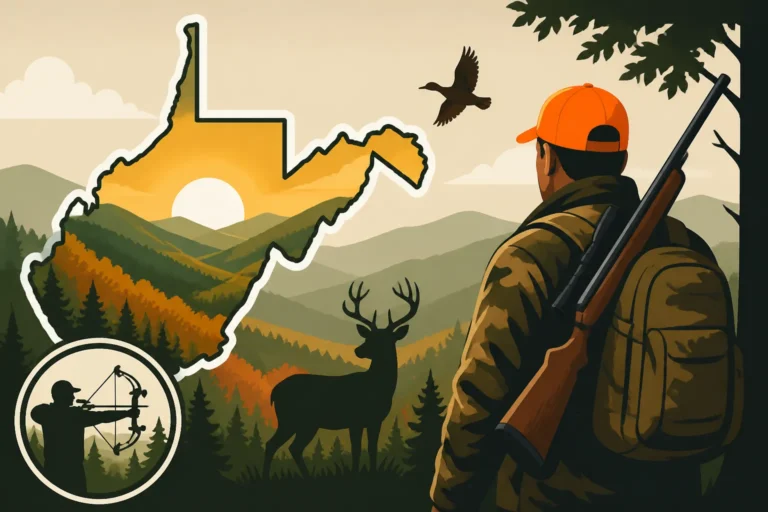
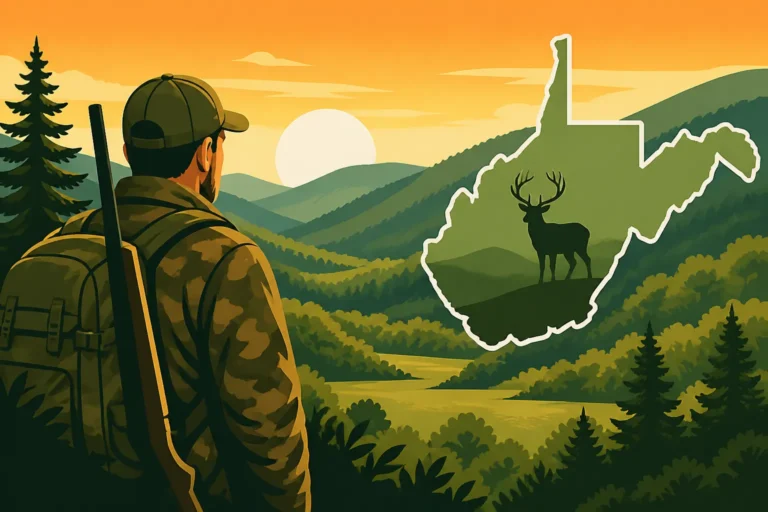
It's a common sight for us West Virginia hunters: driving through a beautiful state park, seeing deer or turkeys everywhere, and thinking, "Man, I wish I could hunt here!" That frustration is real, as many assume all public land is open game. State parks, however, operate with different rules than your typical WMA or National Forest. This guide will clarify which West Virginia State Parks allow hunting and how you can navigate those unique opportunities.
The General Rule: Why Most State Parks Are Off-Limits
For many West Virginia hunters, the sight of a vibrant state park teeming with wildlife can be both inspiring and incredibly frustrating. You see the deer browsing peacefully in the fields, the turkeys strutting through the woods, and your hunter's instinct immediately kicks in. But then you remember: "This is a state park, I probably can't hunt here." And for the most part, that gut feeling is absolutely correct. The vast majority of our beautiful West Virginia State Parks are, by design, closed to general hunting.
This isn't an oversight or an attempt to keep hunters out; it stems from the core mission of these recreational areas. State parks are often bustling hubs of activity, drawing hikers, campers, families on vacation, and nature enthusiasts who are looking for a different kind of outdoor experience. Introducing general hunting seasons into these high-traffic, multi-use environments would create significant safety concerns and conflicts between different user groups. The priority is to provide a safe, enjoyable, and accessible experience for everyone, and that often means designating these areas as wildlife sanctuaries where animals can be observed rather than pursued.
The Core Mission of West Virginia State Parks
Think about why most people visit a state park. They're heading out for a relaxing weekend getaway, maybe renting a cabin, hiking a scenic trail, or taking the kids fishing in a stocked pond. The atmosphere is generally one of peace and quiet enjoyment of nature. The parks are managed to provide amenities like lodges, campgrounds, picnic areas, and interpretive programs. Their focus is on tourism, recreation, and preserving natural beauty in a more controlled and developed setting than, say, a sprawling national forest.
This mission contrasts sharply with that of a Wildlife Management Area (WMA), where the primary objective is often habitat management for game species and providing hunting and trapping opportunities. WMAs are typically less developed, with fewer amenities, and are explicitly managed for hunting and wildlife conservation. Because state parks cater to a broader audience, many of whom are not hunters and may not understand hunting practices, general hunting is typically excluded to ensure the safety and comfort of all visitors. It's about balancing different recreational needs.
Designated Hunting Opportunities and Quota Hunts
While the general rule is "no hunting," there are indeed exceptions, and these are incredibly important for hunters to understand. The most common way hunting occurs in a West Virginia State Park is through highly controlled and limited "quota hunts." These aren't your typical open-season opportunities; they are special events, usually held outside of peak park visitation times, and they are specifically designed to manage deer populations or other game species within the park boundaries.
Quota hunts are typically lottery-based. Hunters apply for a limited number of permits, often for antlerless deer, during specific seasons. The WVDNR and park managers implement these hunts when wildlife populations, particularly deer, become too high for the ecosystem to sustain, or when they pose a threat to park vegetation or public safety. Drawing one of these tags can be tough due to high demand, but they offer a unique opportunity to hunt in areas that otherwise see very little pressure. These hunts are carefully regulated to ensure safety and minimize disturbance to other park operations.
Navigating Specific State Parks with Hunting Programs
When it comes to West Virginia State Parks, it's not a blanket "no hunting" rule across the board, but rather a carefully managed system of exceptions. It's vital to remember that these aren't your typical walk-in hunting areas. The opportunities are limited, specific, and often highly sought after, reflecting the unique balance that parks must maintain between recreation and wildlife management. You're not looking for an open-season free-for-all; you're looking for highly structured, almost surgical, hunting events.
The key to understanding these opportunities lies in recognizing that they are almost exclusively part of special management programs, usually in the form of quota hunts. These hunts are designed to address specific ecological needs within the parks, such as overpopulation of deer, which can lead to habitat degradation. Hunters who are successful in drawing a permit for one of these hunts are participating in a critical wildlife management function, not just a recreational outing. This often means different rules, smaller hunt zones, and heightened safety protocols.
Parks Known for Special Quota Hunts
Several West Virginia State Parks have historically participated in or currently offer special quota deer hunts. These are not annual guarantees for every park, but they represent the kinds of opportunities you might find. Parks like Babcock State Park, for example, with its rugged terrain and beautiful grist mill, has been known to host special archery or muzzleloader hunts for deer. These hunts often target antlerless deer to help control herd numbers and maintain ecological balance in the park's forests and fields.
Another example is Pipestem Resort State Park in the southern part of the state. This park, known for its gorge and aerial tram, often has a healthy deer population. When numbers warrant, they may open up specific areas to hunters through a lottery system. Similarly, Canaan Valley Resort State Park, nestled in the high Allegheny Mountains, has also been a past participant in managed deer hunts. These are usually very limited, often for a few days, and require pre-application and a successful draw. Each park will have its own specific rules, designated hunting zones, and allowed weapon types, so always check the latest WVDNR regulations. West Virginia State Park Deer Quota Hunts provides more details on this specific process.
State Forests Versus State Parks: A Crucial Distinction
This is where many hunters get confused, and it's an important distinction to make. West Virginia has a fantastic system of State Forests that are, for the most part, entirely open to hunting and trapping in accordance with statewide regulations. State Forests like Kumbrabow, Cabwaylingo, and Coopers Rock are managed primarily for timber production, water quality, and wildlife habitat, and recreation often includes hunting. You can camp there, hike, and generally operate under the same rules you'd expect on other public lands like national forests.
State Parks, on the other hand, prioritize developed recreation, tourism, and often have specific non-hunting zones to protect the safety and experience of their many non-hunting visitors. It's a fundamental difference in their management objectives and how they are utilized by the public. If you're looking for consistent, regular hunting opportunities on state-owned land, your best bet is almost always a State Forest or a Wildlife Management Area. Don't confuse the two; while they are both state-owned, their primary purposes and rules regarding hunting are very different. You can find excellent hunting in Public Hunting Land in West Virginia in general, with State Forests being a key component.
How to Find and Apply for State Park Hunting Opportunities
Alright, so you know that general hunting isn't allowed, but those special quota hunts in state parks can be a goldmine if you draw a tag. The challenge, of course, is knowing when and where these limited opportunities exist, and then actually getting your name in the hat. It’s not like simply showing up on opening day with your West Virginia Hunting Licenses and What They Cost. It requires a proactive approach and a keen eye on official announcements. Missing a deadline for a quota hunt often means waiting an entire year for the next chance.
These special hunts are truly a privilege, and they come with strict requirements and specific timelines. You can't just decide on a whim to hunt in a state park; you have to plan well in advance, understand the application process, and often be prepared for a bit of competition. It’s a bit like applying for a coveted out-of-state tag, but right here in your backyard. The good news is that the information is out there; you just need to know where to look and how to interpret it.
Monitoring the West Virginia DNR Announcements
The absolute, undisputed, single most important source for information on any special state park hunting opportunities is the West Virginia Division of Natural Resources (WVDNR). Their website is the hub for all official hunting regulations, season dates, and, critically, announcements for special draw hunts, including those in state parks. You'll want to keep an eye on their press releases, annual hunting regulations digest, and dedicated sections for special hunts.
Typically, announcements for quota hunts come out well in advance of the hunting season, often in late summer or early fall, with application periods that can be quite short. It's a good idea to bookmark the WVDNR's hunting section and check it regularly, or even sign up for any email newsletters they might offer. Missing an application window is easy to do if you're not paying attention, and it's the only way to get your foot in the door for these unique opportunities. Stay tuned for details about the West Virginia Quota Hunt Application Window specific to these special drawings.
Utilizing Mapping and Scouting Tools for Park Perimeters
Once you've identified a state park that might have a quota hunt, or if you're simply trying to understand where park boundaries lie in relation to surrounding huntable public land, mapping tools are your best friend. Services like onX Hunt or GoHunt are invaluable for this. These apps allow you to see detailed property ownership, including the precise boundaries of state parks, state forests, and Wildlife Management Areas. This is crucial for staying legal and safe.
With a mapping app, you can zoom in and identify the exact perimeter of a state park, see where it abuts a national forest like Monongahela National Forest Hunting or a WMA. This is not just for quota hunts; it's also helpful if you're hunting near a state park and want to ensure you're not inadvertently trespassing or hunting in a non-hunting zone. You can mark waypoints, measure distances, and understand the terrain, all of which are critical for effective scouting and safe hunting. These tools can even help you understand onX Layers for West Virginia Land Status to distinguish between different types of public land.
Tips for Hunting In (or Near) West Virginia State Parks
Hunting in or around West Virginia State Parks presents a unique set of challenges and opportunities. Because these areas are primarily designed for general recreation, hunter behavior and adherence to specific rules become even more paramount. It's not just about ethical hunting; it's about being a good ambassador for hunters and ensuring the safety and enjoyment of every park visitor. A little foresight and respect can go a long way, whether you've drawn a coveted quota tag or are simply hunting adjacent public land.
The environment around state parks can often be a magnet for wildlife due to lower pressure within the park boundaries. This means that even if you can't hunt directly in the park, understanding its layout and how wildlife moves in and out can give you a significant advantage on neighboring properties. It's all about smart strategy and meticulous planning, combined with an unwavering commitment to rules and safety.
Respecting Boundaries and Non-Hunting Zones
This cannot be stressed enough: always know your boundaries. If you're fortunate enough to draw a quota hunt permit for a state park, you will be given specific instructions and maps outlining the legal hunting areas. Stick to these zones rigidly. Violating park rules or venturing into non-hunting areas can lead to severe penalties, including fines, loss of hunting privileges, and even criminal charges. More importantly, it can endanger other park visitors and give all hunters a bad name.
If you're hunting on public or private land adjacent to a state park, use your mapping tools like onX Hunt diligently. Pay attention to signs, fences, and natural boundary markers. Remember that parks often have buffer zones where discharge of firearms might be prohibited, even if you're technically outside the park boundary. Err on the side of caution. Consider the implications of a retrieved animal. You absolutely do not want to track a deer into a busy picnic area, for instance. Safety and respect for others are paramount.
Combining Park Recreation with Nearby Hunting Access
One excellent strategy for hunters is to leverage the amenities of West Virginia State Parks while hunting on adjacent, legally accessible public land. Imagine booking a cozy cabin at, say, Watoga State Park, but spending your days hunting deer in the nearby Hunting Potomac Highlands Public Land or the vast acreage of the Monongahela National Forest. This gives you a comfortable base camp with hot showers and a warm bed, while still providing access to prime hunting grounds.
Many state parks are strategically located near large tracts of national forest or WMA land. You can enjoy the park's facilities in the evenings and mornings, and then head out to hunt in the surrounding areas during the day. This is a fantastic way to introduce family to the outdoor experience, offering something for everyone. Just be sure to check park rules regarding firearms or harvested game within cabin areas or campgrounds, and always be discreet and respectful of other park guests.
Planning for Quota Hunts: Application Strategy
Since state park quota hunts are so limited and desirable, a strategic approach to applying is essential. Don't just pick one and hope for the best. If eligible, consider applying for multiple quota hunts across different parks or for different hunt periods within the same park. This increases your odds of drawing a tag, even if it means researching several different sets of rules and dates.
Research past hunt success rates if the WVDNR makes that information available. Talk to other hunters who may have drawn tags in previous years to get an idea of the terrain, challenges, and what to expect. These hunts often occur in areas with strong deer populations that may be less pressured than typical public hunting grounds, offering a unique and potentially rewarding experience. Always ensure your West Virginia Deer Season Structure Explained knowledge is up to date when considering these opportunities.
| State Land Type | General Hunting Allowed? | Primary Mission | Typical Amenities |
|---|---|---|---|
| State Park | No (Except Special Quota Hunts) | Recreation, Tourism, Conservation | Cabins, Lodges, Campgrounds, Trails, Interpretive Centers |
| State Forest | Yes (Statewide Regulations Apply) | Timber, Wildlife, Recreation | Primitive Camping, Trails, Limited Facilities |
| Wildlife Management Area (WMA) | Yes (Statewide Regulations Apply) | Wildlife Habitat, Hunting, Trapping | Parking Areas, Access Roads, Trails, Observation Blinds |
Disclaimer
This article is for general informational purposes only and does not constitute professional advice. Laws, prices and regulations vary by location and change over time. Consult a qualified professional for guidance on your specific situation.