Blackwater WMA Grouse Hunting Access
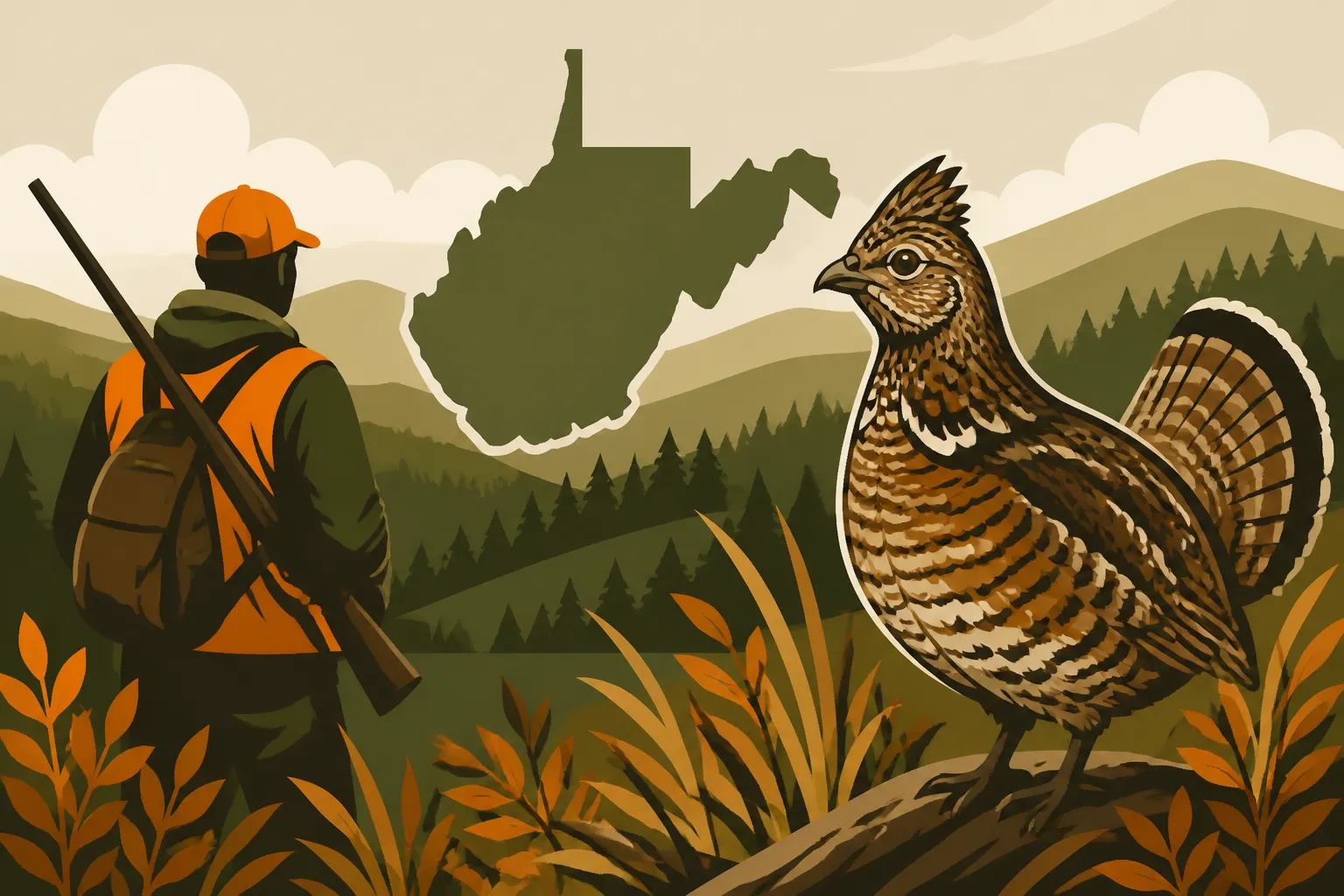
For many of us who chase the thunder of a ruffed grouse, the dense cover and steep terrain of West Virginia can be both a blessing and a curse. Finding consistent, productive access to these elusive birds, especially in a specific public land gem like Blackwater Wildlife Management Area, often feels like a puzzle. This guide aims to demystify Blackwater WMA for grouse hunters, offering insights into its unique habitat, pinpointing key access points, and sharing tactics to help you fill your vest in this ruggedly beautiful corner of the state.
Decoding Blackwater WMA's Unique Grouse Habitat
Blackwater WMA, nestled in the heart of the Allegheny Mountains in Tucker County, presents a distinct challenge and opportunity for grouse hunters. It’s not your typical flat, manicured pheasant country, nor is it solely vast, unbroken mature timber. Instead, it’s a patchwork of diverse forest types, shaped by elevation, past logging operations, and the natural forces of the mountains. Understanding this mosaic is crucial for predicting where grouse might be holding.
Aspen Stands and Early Successional Growth
If you're looking for grouse, you're looking for young forest, and Blackwater WMA has pockets of it. Aspen stands, particularly those that are relatively young and dense, are prime grouse real estate. These areas are typically created through timber harvesting, where sunlight can finally reach the forest floor, spurring new growth. The thick tangles of saplings, briars, and low-lying vegetation offer both food and crucial escape cover for grouse from aerial predators like hawks and owls. You'll often find these areas on slopes that have been clear-cut in the last 10-25 years, creating the "early successional" habitat grouse thrive in. These thickets can be brutal to walk through, but the rewards are often worth the effort. It’s in these dense spots that you’re most likely to hear that exhilarating flush. Understanding How Old a Cut Should Be for Grouse can really hone your search.
Elevation and Cover Transitions
Blackwater WMA spans a significant elevation range, which means you’ll encounter different types of cover as you move up and down the slopes. Grouse often prefer the edges where one habitat type transitions into another. Think about the lines where a dense spruce or hemlock thicket meets a deciduous hardwood stand, or where an old logging road cuts through a regenerating clear-cut. These transition zones provide a diverse food source throughout the season and offer varied cover, allowing birds to move between different types of protection. Hunting the mid-slopes, where these transitions are most pronounced, can be highly productive. Pay attention to changes in tree species, density, and undergrowth as you traverse the terrain; grouse love to sit right on these breaks. Sometimes, the thermal changes along these elevations can also influence where birds choose to roost or feed.
Water Sources and Their Importance
While grouse aren't waterfowl, reliable water sources are a vital component of their habitat, especially during drier periods or in the early part of the season. Small springs, seeps, and trickling creeks crisscross Blackwater WMA, often creating areas of denser, more succulent undergrowth that can hold insect life and tender plant shoots. These damp areas also tend to foster specific vegetation like alders or hawthorns, which provide both cover and food. Don't overlook these damp pockets, especially if the surrounding uplands are relatively dry. Grouse, like most wildlife, need water, and these areas often concentrate activity. While hunting, if you come across a small stream or a boggy area, slow down and work it thoroughly; you might be surprised at what you flush.
Key Access Points and Trail Systems
Getting into Blackwater WMA means navigating a mix of paved roads, gravel forest roads, and foot-only trails. Knowing where to park and how to approach your chosen hunting area can save you a lot of time and legwork, and crucially, put you into prime grouse habitat more efficiently.
Primary Entrances and Parking Areas
Blackwater WMA is accessible from several points, primarily off WV Route 32 and secondary county roads. One of the main points of entry is near the town of Davis, with various gravel roads branching off into the WMA. Look for designated parking areas or pull-offs where these gravel roads intersect with public land boundaries. It’s always a good idea to scout these spots beforehand, even if just virtually. Many of these roads are maintained for timber operations or general forest access, but they often lead to less traveled areas if you're willing to walk a bit. Remember, the easier the access, the more likely it is to be pressured. Aim for those spots that require a little extra effort.
Navigating Old Logging Roads and Foot Trails
Once you're in the WMA, your primary means of traversing the landscape will often be old logging roads and unmarked foot trails. These old logging roads, while sometimes overgrown, offer relatively easier walking than pushing through dense cover, and they often lead to those valuable clear-cut areas we discussed. Pay close attention to your mapping app, like onX Hunt, to identify these faint lines on the landscape. Many of them aren't official trails, but they create natural corridors that grouse might use for movement, or simply offer a path to less-disturbed cover. The trick is to identify where these roads intersect with prime habitat, then dive into the thick stuff. Flushing Grouse Without a Dog means you’ll be doing a lot of walking, so knowing the best routes is key.
Remote Backcountry Access
For the truly dedicated grouse hunter seeking untouched cover and less pressured birds, Blackwater WMA offers significant backcountry opportunities. These areas typically require longer hikes, often several miles from the nearest vehicle access. They might involve bushwhacking or following game trails where human presence is minimal. These remote sections often contain older growth forests interspersed with challenging, dense pockets of spruce, laurel, or rhododendron, particularly along stream bottoms or steep benches. While these areas can be physically demanding, they offer the highest chance of encountering mature, unpressured grouse that hold tighter. Using a reliable GPS or mapping app is absolutely critical here, as getting disoriented in Blackwater’s backcountry is a very real possibility. Consider packing extra water and emergency supplies for these longer excursions.
Tactics for Flushing Birds in Blackwater
Grouse hunting is an active pursuit, a game of walking and watching, listening and reacting. Blackwater WMA's terrain demands specific tactics, whether you're working with a seasoned bird dog or going solo.
Working Cover Slowly and Deliberately
Unlike some other upland birds that might flush at a distance, ruffed grouse are notorious for holding tight, often to the point where you might nearly step on them before they burst out of cover. This means moving slowly and deliberately is paramount. Don't rush through promising cover. Pause frequently, listen for subtle sounds, and scan the undergrowth. Work in a zig-zag pattern through dense thickets, ensuring you cover every potential hiding spot. When you hit a particularly dense patch of briars or tangled evergreens, hesitate at the edge, then push through with purpose. Many times, the bird you're looking for is just on the other side, waiting for you to get within range before exploding into flight. The key is to try and surprise them, or at least be ready when they surprise you.
Hunting with or Without a Dog
Hunting Blackwater WMA with a good bird dog is undeniably an advantage. A well-trained setter or pointer can cover more ground, pinpoint birds that hold tighter, and retrieve downed game from the thickest cover. The dog's presence also helps flush birds that might otherwise let you walk right past. However, hunting without a dog is entirely feasible and often productive if you adjust your strategy. When hunting solo, focus on those prime cover types – the aspen regeneration, the rhododendron thickets, the creek bottoms. You'll need to work these areas even more thoroughly and slowly, often kicking at cover or pausing to make a "flush point" yourself. Many seasoned grouse hunters without dogs use an imaginary "dog line" in front of them, constantly checking for subtle signs and being ready to swing. Your ears become your first alert system, listening for those wingbeats.
Reading Sign and Identifying Roosting Areas
While grouse sign isn't as obvious as deer rubs, there are still clues to look for. Keep an eye out for "cuttings" – small twig ends or buds snipped clean, indicating recent feeding activity. Droppings can also be found, though they are often small and easily missed. More importantly, learn to identify preferred roosting areas. Grouse often roost in dense evergreen cover, like stands of spruce, hemlock, or thick laurel, especially in colder weather or at night. If you find an area with good feeding cover (like an aspen stand) adjacent to dense roosting cover, you've found a high-probability spot. Grouse might spend their mornings and evenings feeding in the younger growth and then retreat to the thicker, taller evergreens for security. These transition points, again, are critical.
Leveraging Technology for Better Blackwater Hunts
In today's hunting landscape, technology isn't just a convenience; it's an indispensable tool, especially when navigating vast public lands like Blackwater WMA. Modern mapping applications and pre-season scouting techniques can drastically improve your efficiency and success.
Mapping Apps for Navigating the Terrain
Gone are the days of solely relying on paper maps, though carrying one as a backup is always smart. Mapping applications like onX Hunt and GoHunt are game-changers for public land hunters. These apps provide detailed topographical maps, satellite imagery, and crucial land ownership data, which is essential for ensuring you stay on public ground within Blackwater WMA. With onX Hunt, you can mark waypoints for promising cover, identify old logging roads that aren't on standard maps, and track your movement in real-time. This is particularly useful for finding your way back to your vehicle or for understanding exactly how much ground you've covered. Knowing Using Go Wild West Virginia Without Cell Service is important, as service can be spotty, so downloading maps for offline use is a must.
| Feature / App | Topographical Maps | Satellite Imagery | Land Ownership | Waypoint Marking | Offline Use |
|---|---|---|---|---|---|
| onX Hunt | Yes | Yes | Yes | Yes | Yes |
| GoHunt | Yes | Yes | Yes | Yes | Yes |
| Standard GPS Unit | Yes | No (usually) | No (usually) | Yes | Yes |
| Paper Map | Yes | No | Limited | No | Yes |
Pre-Season Scouting with Aerial Imagery
Long before opening day, your mapping app can be your best friend for pre-season scouting. Utilize the aerial imagery layers to identify potential grouse hotspots from the comfort of your home. Look for the tell-tale signs of early successional habitat – clear-cuts will appear as lighter green, often with distinct boundaries, compared to the darker green of mature timber. Trace old logging roads that might not be visible on topo maps, and identify potential water sources. By pinpointing these areas digitally, you can arrive at Blackwater WMA with a solid game plan, focusing your valuable hunting time on the most promising cover, rather than simply wandering aimlessly. This kind of preparation significantly increases your chances of success, especially if you’re traveling a distance to hunt.
Understanding WMA Boundaries
One of the most critical functions of these mapping apps is clearly displaying WMA boundaries. Blackwater WMA is bordered by private land in many areas, and accidentally trespassing is a serious offense that can jeopardize your hunting privileges. Both onX Hunt and GoHunt provide robust mapping layers that delineate public and private property lines, often color-coded for clarity. Before you head into a new area, take a moment to understand the boundaries, identify any potential pinch points where private land might be close to a good hunting spot, and ensure you're always aware of your position relative to these lines. This not only keeps you legal but also shows respect for landowners and the hunting community. Remember that Reading West Virginia Public Land Boundary Signs is also a crucial skill, as technology can fail, but physical signs are usually present.
Hunting grouse in Blackwater WMA is a rewarding challenge that combines physical exertion with keen observation and a solid understanding of grouse habitat. By focusing on early successional growth, recognizing key access points, implementing effective hunting tactics, and leveraging modern mapping technology, you can unlock the secrets of this rugged West Virginia gem and enjoy the thrill of pursuing one of the wildest game birds in the mountains.
Disclaimer
This article is for general informational purposes only and does not constitute professional advice. Laws, prices and regulations vary by location and change over time. Consult a qualified professional for guidance on your specific situation.