Which West Virginia County Has the Most Public Land
Hunting in West Virginia can sometimes feel like you're constantly running into "No Trespassing" signs or realizing that prime ground is locked up behind private land ownership. It’s a common frustration for many of us who just want to find a quiet piece of wilderness to pursue our passion. But fear not, because the Mountain State does offer vast tracts of public land, if you know where to look. This guide will help you pinpoint which West Virginia county stands out for its sheer volume of public hunting opportunities, along with practical advice on how to explore these expansive areas effectively.
Unraveling West Virginia's Public Land Puzzle
West Virginia, while known for its rugged mountains and dense forests, often surprises people with how much private land there actually is. This makes finding accessible hunting spots a constant challenge for both residents and non-residents alike. When we talk about public land here, we're primarily looking at areas managed by the federal government, like the Monongahela National Forest, and state-managed Wildlife Management Areas (WMAs). These are our sanctuaries, offering everything from deer and bear hunting to turkeys and small game.
Understanding where these lands are concentrated is the first step to unlocking some incredible hunting experiences. It's not just about looking at a state map; it’s about delving into specific counties that boast significant portions of these accessible acres. Without this knowledge, you might spend more time driving and less time hunting, which is the last thing any of us wants.
Why Public Land Concentration Matters
For many hunters, public land is the only option. Leasing private ground can be incredibly expensive, and gaining permission from landowners often requires extensive networking or just plain luck. When a county has a high concentration of public land, it generally means a few things:
- More Opportunity: Simply put, more acres mean more places to scout, more varied terrain, and potentially less crowded hunting conditions if you're willing to walk a bit.
- Diverse Habitat: Large tracts of public land, especially within national forests, tend to offer a broader range of habitats – from high-elevation spruce forests to mixed hardwoods, river bottoms, and everything in between. This diversity supports a wider array of game species.
- Backcountry Potential: Counties with extensive public lands often hold remote, rugged areas where you can truly get away from the crowds and experience a more challenging, rewarding hunt. These are the places where mature bucks and bears can thrive relatively undisturbed.
When you're looking to plan a hunt, knowing which counties are rich in public land can drastically cut down on your research time and increase your chances of finding that perfect spot. It allows you to focus your efforts where the opportunity is highest.
Pocahontas County: The Undisputed King of Public Hunting Access
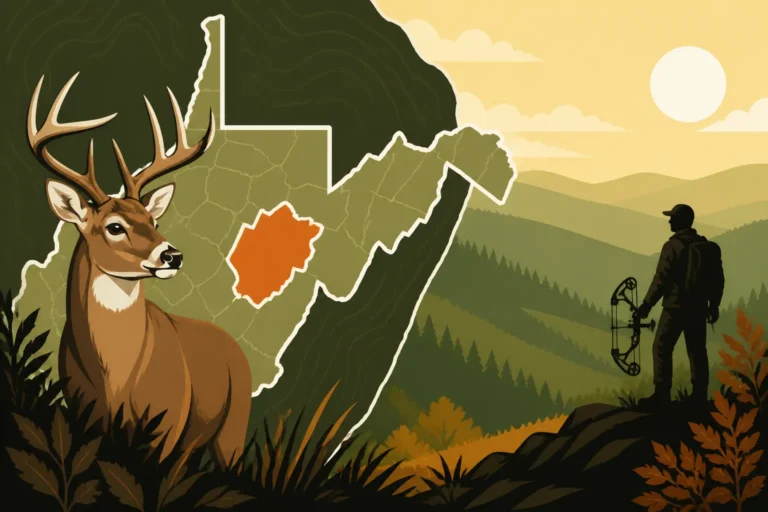
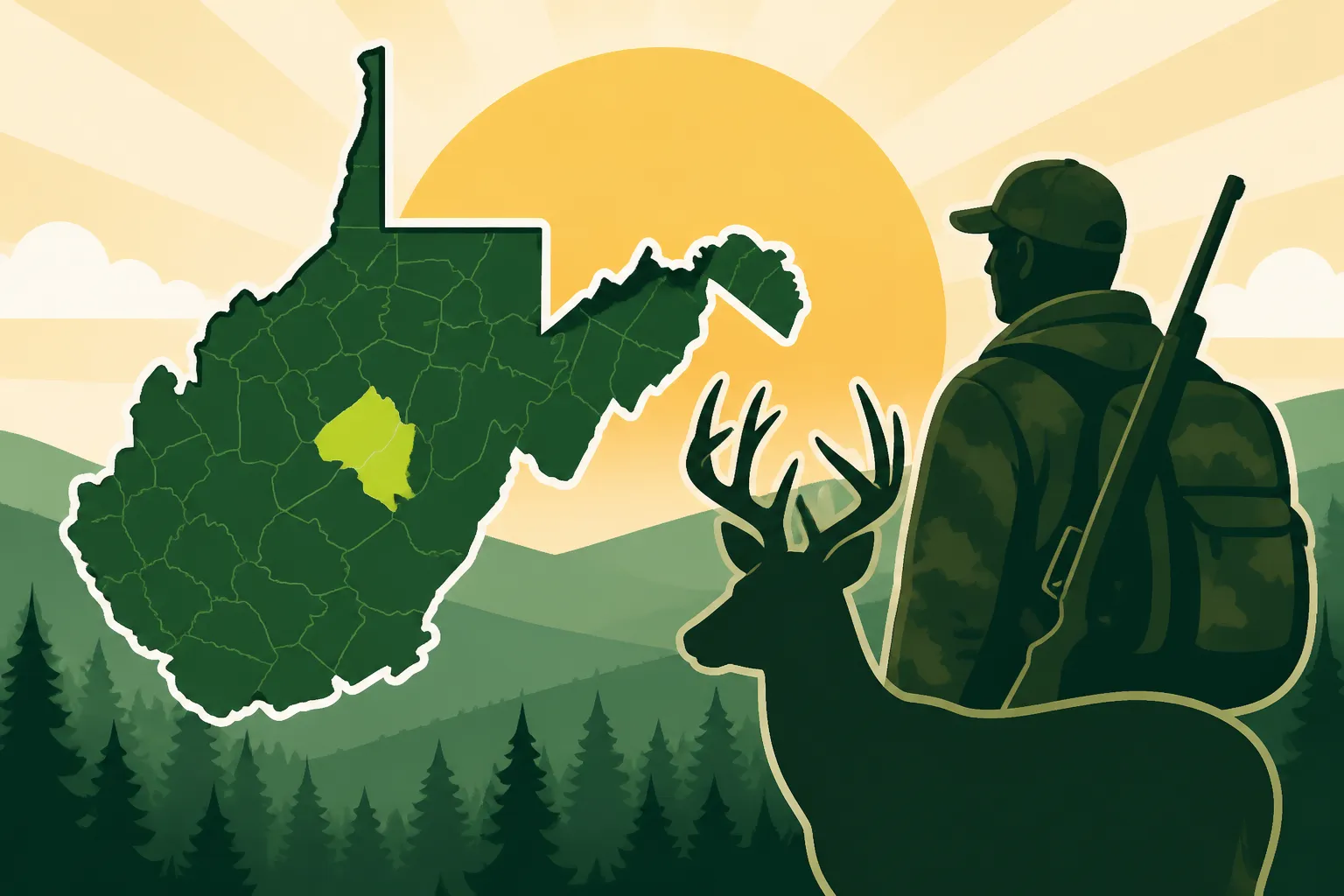
When it comes to sheer acreage and diverse public hunting opportunities in West Virginia, Pocahontas County stands head and shoulders above the rest. Nestled in the heart of the Allegheny Mountains, this county is synonymous with vast wilderness and incredible outdoor recreation, and hunting is no exception.
The primary reason for Pocahontas County's dominance in public land is its significant portion of the Monongahela National Forest. This massive federal landholding covers over 920,000 acres across several counties, and a huge chunk of it lies within Pocahontas. Imagine endless ridges, deep hollows, pristine streams, and dense forests stretching as far as the eye can see – that's what you get in Pocahontas County. Hunters often find themselves overwhelmed by the sheer scale of the landscape.
What Makes Pocahontas County So Special?
Beyond just the Monongahela National Forest, Pocahontas County also hosts significant state-managed lands that add to its public hunting appeal.
- Monongahela National Forest: This is the big one. Within its boundaries, you can pursue white-tailed deer, black bears, wild turkeys, and various small game. The terrain here is challenging, with steep climbs and thick cover, but it often rewards persistent hunters with less pressured animals. You'll find a mix of mature timber, regenerating clear-cuts, and unique high-elevation habitats. The remote nature of much of the forest means serious scouting is often required to find pockets of game. If you're looking for an immersive backcountry experience, this is the place. Consider researching Monongahela National Forest Hunting for deeper insights.
- Cranberry Wildlife Management Area: As one of the largest WMAs in the state, Cranberry WMA is a gem tucked within the Monongahela National Forest, predominantly in Pocahontas and neighboring Webster and Nicholas counties. While not exclusively Pocahontas, a significant portion is right there. It offers diverse hunting for deer, bear, and turkey, with plenty of remote hiking trails and primitive camping opportunities. The regulations on WMAs can sometimes differ slightly from general forest land, so always check the specific rules before heading out. For those interested in this specific area, Cranberry Wildlife Management Area offers more details.
- Rimel Wildlife Management Area: This WMA also contributes to the county's impressive public land tally, offering additional opportunities for deer, turkey, and bear hunters within a more managed setting. Like other WMAs, it’s often actively managed for wildlife habitat, which can concentrate game in certain areas.
The sheer volume of ground means that even during popular seasons, a hunter willing to walk a few miles off the beaten path can often find solitude and undisturbed game. The challenge lies in navigating the rugged landscape and understanding game movement in such expansive areas. For serious hunters, Pocahontas County represents the pinnacle of public land hunting in West Virginia, offering a true wilderness experience.
Exploring Other Public Land Powerhouses
While Pocahontas County might hold the crown for the most public land, several other West Virginia counties offer substantial and excellent public hunting opportunities. These counties are often adjacent to or contain large portions of the Monongahela National Forest or other significant state WMAs. They are definitely worth considering for your next hunting adventure, especially if you're looking for different types of terrain or a slightly shorter drive depending on your starting point.
Notable Counties with Extensive Public Land
Here's a look at some other counties that deserve your attention when it comes to public land hunting:
- Randolph County: Bordering Pocahontas to the north, Randolph County also contains a very large portion of the Monongahela National Forest. It's known for its rugged terrain, excellent bear habitat, and good deer and turkey populations. Areas like the Otter Creek Wilderness fringe and parts of the Monongahela near the Cheat Mountain range offer challenging but rewarding hunts. Its vastness means there's always new ground to explore.
- Pendleton County: Situated in the Eastern Panhandle, Pendleton County boasts significant public land, including parts of the Monongahela National Forest and the George Washington National Forest. This county offers a unique blend of mountain hunting with some agricultural interfaces on its edges, providing varied habitat for deer and turkey. It's a great choice for those looking to hunt the Allegheny Highlands.
- Grant County: Also in the Eastern Panhandle, Grant County is another strong contender, hosting portions of the Monongahela National Forest, including some of the high-elevation areas around Spruce Knob. It offers incredible views and equally challenging hunting. Hunting Potomac Highlands Public Land could provide more specific insights into this region.
- Tucker County: Known for its wild and scenic beauty, Tucker County is home to parts of the Monongahela National Forest and several WMAs, including Blackwater WMA. It's an excellent location for grouse hunting in the Allegheny Highlands, as well as deer, bear, and turkey. The terrain here is often characterized by thick laurel and rhododendron, making for tough but rewarding hunts. Grouse Hunting Allegheny Highlands Cover might be a useful read if you're targeting those birds.
- Greenbrier County: To the south of Pocahontas, Greenbrier County also has substantial public land, including portions of the Monongahela National Forest and several WMAs. It offers good deer, turkey, and bear hunting, often with slightly different habitat characteristics as you move from the higher elevations into more rolling terrain.
- Webster County: Adjacent to Pocahontas, Webster County shares some of the same rugged, forested landscape and boasts parts of the Monongahela National Forest and the Cranberry WMA. It's a fantastic choice for remote hunting experiences, similar to Pocahontas, and can offer a bit less pressure if you find the right spots.
These counties, while perhaps not quite matching Pocahontas in total public acres, still provide immense opportunities for hunters willing to put in the effort. Each offers its own unique flavor of West Virginia hunting.
| County | Primary Public Land Holdings | Notable Hunting Opportunities | Terrain Characteristics |
|---|---|---|---|
| Pocahontas | Monongahela National Forest, Cranberry WMA, Rimel WMA | Deer, Bear, Turkey, Small Game | Vast, rugged mountains, high elevations, deep hollows |
| Randolph | Monongahela National Forest, Otter Creek Wilderness (fringe) | Deer, Bear, Turkey | Steep ridges, dense forests, mixed hardwoods |
| Pendleton | Monongahela National Forest, George Washington National Forest | Deer, Turkey, Bear | Mountainous, some agricultural edges, diverse forest types |
| Grant | Monongahela National Forest, parts of Spruce Knob | Deer, Bear, Turkey | High elevation, rugged peaks, thick timber |
| Tucker | Monongahela National Forest, Blackwater WMA | Grouse, Deer, Bear, Turkey | Laurel thickets, spruce forests, varied elevation |
| Greenbrier | Monongahela National Forest, various WMAs | Deer, Turkey, Bear | Mountains transitioning to rolling hills, mixed forests |
| Webster | Monongahela National Forest, Cranberry WMA | Deer, Bear, Turkey | Remote, rugged, similar to Pocahontas, dense timber |
This table highlights why these counties are frequently at the top of many West Virginia hunters' lists when it comes to finding public land.
Navigating and Maximizing Your Public Land Experience
Finding which county has the most public land is just the first step. The real work begins when you start planning your hunt. Navigating these vast, rugged areas and maximizing your chances of success requires a blend of preparation, the right tools, and a willingness to explore.
Essential Tools for Public Land Hunters
Gone are the days when a paper map and compass were your only navigational aids, though they are still vital backup. Modern technology has revolutionized how we scout and navigate public land.
- Mapping Apps: Tools like onX Hunt and GoHunt have become indispensable for public land hunters. These apps allow you to view public and private land boundaries, topo maps, aerial imagery, and even mark waypoints for treestand locations, scrapes, or bedding areas right on your phone. They are incredibly powerful for scouting from home and navigating in the field. Make sure to download offline maps, as cell service can be spotty, if not entirely absent, in remote West Virginia mountains. Learning to Scouting West Virginia Public Land Before Season with these tools can give you a significant advantage.
- Physical Maps and Compass: Never underestimate the importance of a good old-fashioned paper map and a reliable compass. Batteries die, phones break, and signals disappear. Having a physical backup can literally be a lifesaver, especially when you're deep in the Monongahela National Forest.
- WVDNR Website and Go Wild West Virginia: The West Virginia Division of Natural Resources (WVDNR) website is a treasure trove of information. You can find WMA maps, regulations, and season dates. The "Go Wild West Virginia" platform is your portal for licenses and permits, and it often has an interactive map feature to help visualize public hunting areas. Utilizing Using the Go Wild West Virginia Map Tool can help you understand the lay of the land before you even step foot in the woods.
Strategies for Effective Public Land Hunting
Hunting public land often means dealing with more pressure than private land, so developing smart strategies is key.
- Go Deeper: Most hunters don't venture more than a mile or two from a road or parking area. By being willing to put in the miles and hike deeper into public tracts, you significantly increase your chances of finding less pressured game. This is especially true for mature deer and bears. Consider How Far to Walk From a Forest Road can impact your success.
- Hunt the Terrain: West Virginia's mountains are defined by their topography. Learn to read topo maps and understand how deer and other game use ridges, hollows, saddles, and benches for travel, bedding, and feeding. Features like a Hunting a Ridge-Top Saddle for Rutting Bucks can be prime ambush points.
- Understand Pressure Points: Observe where other hunters are concentrating their efforts. If a trailhead parking lot is full, that area will likely be heavily hunted. Look for alternative access points or plan to hike past the initial wave of hunters. Hunting Pressure on West Virginia Public Land is a very real factor.
- Scout Religiously: Pre-season scouting is crucial on public land. Look for fresh sign, identify food sources, and locate bedding areas. Understanding the general movement patterns of game before the season opens will give you a significant advantage. Even better, combine digital scouting with boots-on-the-ground reconnaissance.
- Be Flexible: Conditions can change rapidly in the mountains. Be prepared to adapt your strategy based on weather, wind direction, recent sign, and hunting pressure. If your initial spot isn't producing, don't be afraid to move and explore new areas.
Challenges and Rewards of Public Land Hunting
Hunting West Virginia's extensive public lands, especially in a county like Pocahontas, comes with its own set of challenges, but the rewards can be incredibly satisfying. It's a different kind of hunting than on a manicured private tract, one that often demands more from the hunter but gives back in unique ways.
Overcoming Common Public Land Hurdles
- Hunting Pressure: This is often the biggest complaint. During peak seasons, popular access points can see a lot of activity. However, as discussed, this can be mitigated by hiking further, hunting mid-week, or targeting less obvious areas. Remember, most hunters follow predictable patterns.
- Rugged Terrain: West Virginia is called the Mountain State for a reason. Steep inclines, thick brush, and challenging footing are the norm. This requires good physical conditioning, appropriate gear like quality boots and a sturdy pack, and careful planning for game retrieval, especially when considering Dragging a Deer Off a Steep Ridge.
- Limited Amenities: Unlike some private lands, public hunting areas, particularly in national forests, often have minimal facilities. You're usually on your own for water, shelter, and packing out game. Be self-sufficient and prepared for primitive conditions.
- Navigational Complexity: The vastness and uniformity of large forest tracts can make it easy to get disoriented, especially in dense fog or after dark. Always have multiple navigation methods at your disposal.
The Unforgettable Rewards
Despite the challenges, public land hunting in West Virginia offers unparalleled rewards that keep us coming back year after year.
- The Wilderness Experience: There's something truly special about being deep in the Monongahela National Forest, far from roads and towns. It's an opportunity to connect with nature on a profound level, to test your skills against the wild, and to experience the raw beauty of West Virginia.
- Sense of Accomplishment: Harvesting an animal on challenging public land often carries a greater sense of pride and accomplishment. You earned it through hard work, persistence, and skillful hunting in an unmanaged environment.
- Accessibility: For many, public land is the only avenue into hunting. It democratizes the sport, ensuring that anyone with the drive and the right licenses can participate. Knowing that you can purchase a West Virginia Hunting Licenses and What They Cost and then access thousands of acres is a powerful motivator.
- Diverse Game Opportunities: From chasing trophy bucks in November – perhaps Hunting the Rut in Mid-November – to calling in a spring gobbler or encountering a black bear, public lands offer a wide range of species to pursue across various seasons. You can tailor your hunts to your interests, whether it's West Virginia's Black Bear Comeback or Ruffed Grouse in the West Virginia Highlands.
West Virginia's public lands, particularly those concentrated in counties like Pocahontas, are truly a treasure. They represent the wild heart of the state and offer endless possibilities for those willing to embrace the challenge. So, gear up, do your homework, and get out there to experience the wild beauty and abundant hunting opportunities that await in the Mountain State's most public land-rich counties.
Disclaimer
This article is for general informational purposes only and does not constitute professional advice. Laws, prices and regulations vary by location and change over time. Consult a qualified professional for guidance on your specific situation.