West Virginia Whitetail Color Phase Rarities
You're out in the West Virginia woods, minding your own business, and suddenly a deer steps out that just doesn't look quite right. Maybe it's pure white, or patchy with stark white spots, or perhaps even darker than any whitetail you've ever laid eyes on. It's enough to make you rub your eyes and wonder if you're seeing things! These unique deer aren't figments of your imagination; they're whitetail deer displaying rare color phases, and encountering one is truly a once-in-a-lifetime event for many hunters. This guide is all about shedding light on these magnificent anomalies, explaining what causes them, how to identify them, and what encountering one means for West Virginia hunters.
Understanding the Genetics Behind Unusual Deer Colors
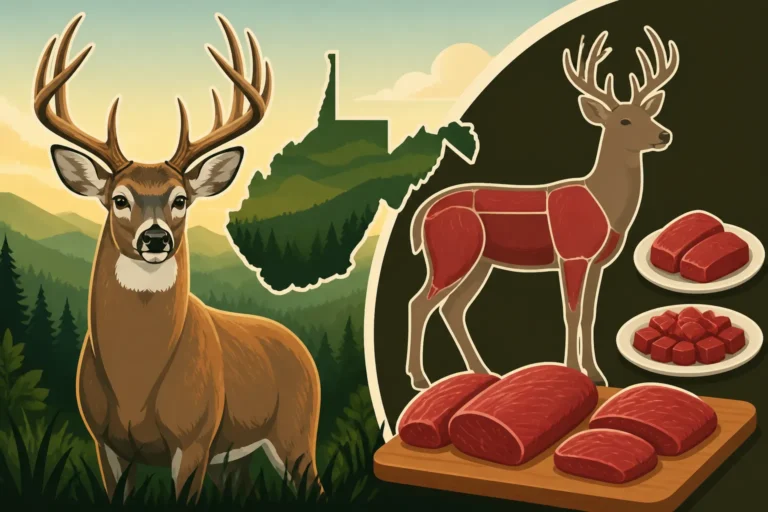
The typical West Virginia whitetail deer we all know and love sports a beautiful coat of reddish-brown in summer, transitioning to a grayer-brown in winter. This coloration is a masterclass in natural camouflage, allowing them to blend seamlessly into our hardwood forests, thick laurel patches, and open fields. But every now and then, nature throws a curveball, and a deer is born with a genetic anomaly that results in a highly unusual coat color. These aren't different species; they're simply whitetails with unique genetic expressions.
The Role of Melanins and Pigmentation
At the heart of any animal's coloration are pigments, primarily melanins. Eumelanin is responsible for black and brown hues, while pheomelanin creates red and yellow tones. The vast majority of West Virginia deer have a balanced genetic code that dictates the production and distribution of these melanins, resulting in their characteristic brown and gray coats. Think of it like a finely tuned recipe where every ingredient is just right to produce the perfect final product.
However, sometimes there's a slight hiccup in that genetic recipe. It might be a gene mutation that reduces or eliminates pigment production entirely, leading to white deer. Or, conversely, it could be a mutation that ramps up pigment production, resulting in a much darker animal. These genetic variations are often recessive, meaning an individual deer needs to inherit a copy of the gene from both its mother and father to display the trait. This is a big part of why these deer are so rare – both parents have to carry that hidden genetic blueprint, even if they themselves look like typical brown whitetails.
How Recessive Genes Play a Part
Recessive genes are fascinating because they can lie dormant in a population for generations, only surfacing when the right genetic combination occurs. Imagine a family tree where a great-great-grandparent carried a unique trait, but it took several generations of specific pairings for that trait to finally reappear. That's often how these rare color phases work. A specific gene responsible for pigment production might be present in a small percentage of the White-Tailed Deer Across West Virginia herd, but most deer will have a dominant gene that masks it.
When two deer, both carrying the recessive gene for, say, albinism, mate, there's a chance (typically one in four) that their fawn will inherit both recessive copies and express the albino trait. This makes these occurrences almost like winning a genetic lottery. Because of this, you might see localized "pockets" of unusual deer in certain areas of West Virginia, perhaps on a smaller tract of land or within a more isolated deer population, simply because the recessive gene might be more concentrated there due to limited genetic exchange with other deer groups.
Spotting West Virginia's Rare Whitetail Color Phases
While most hunters dream of seeing a big typical buck, spotting a deer with a truly unique color phase is an experience that sticks with you just as long. These are the deer that spark conversations around the campfire and make you pull out your phone to search for answers later. Let's delve into the most recognized rare color phases you might encounter in the Mountain State.
Albino Deer: The Pure White Ghost
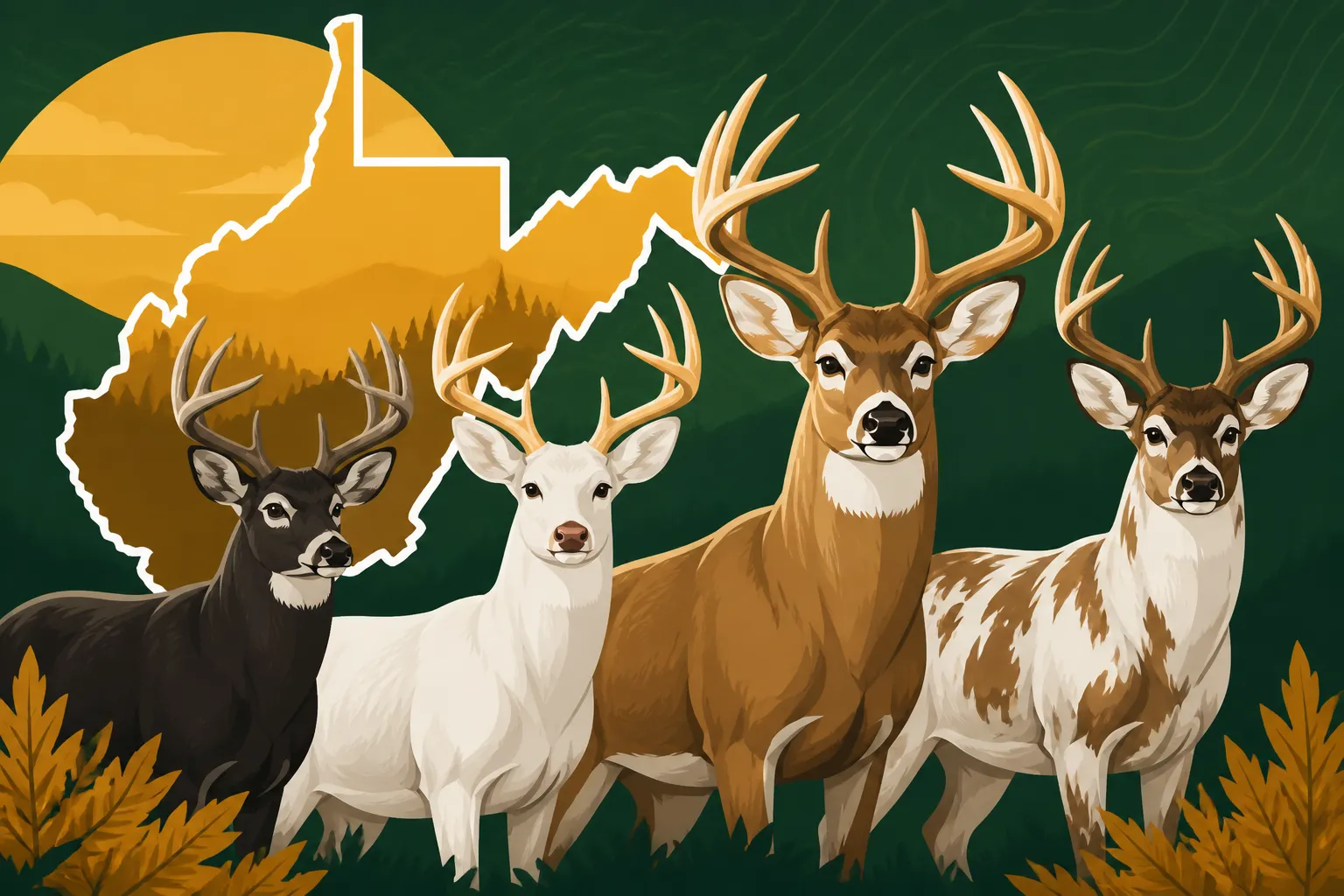
The true albino deer is perhaps the most iconic and easily recognized of the rare color phases. These deer lack all pigment, not just in their coat, but in their skin, eyes, and hooves as well. Their fur is startlingly pure white, often described as ghostly or ethereal against the green and brown backdrop of the West Virginia woods. The most defining characteristic, beyond the white coat, is their pink or reddish eyes. This isn't because their eyes are naturally pink, but rather because the blood vessels in their retinas show through due to the complete absence of pigment in the iris.
Encountering an albino deer is incredibly rare. Their lack of camouflage makes them highly vulnerable to predators, especially as fawns. They also often suffer from poor eyesight due to light sensitivity, making survival even tougher. If you're fortunate enough to see one, it's a moment you won't soon forget. While legal to harvest in West Virginia, many hunters choose to pass on these unique animals, preferring to let them live out their unusual lives. It’s a personal decision, but one often rooted in respect for the rarity.
Leucistic Deer: The More Common White
Often confused with albinos, leucistic deer are another form of white deer, but with a crucial difference: they have some pigment, just not a full complement. Leucistic deer will have a white or very pale coat, but their eyes, nose, and hooves will retain their normal dark pigmentation. So, if you see a beautiful white deer with dark brown eyes and a black nose, you're looking at a leucistic whitetail, not an albino.
This distinction is important because leucism can manifest in various degrees. Some leucistic deer might be nearly pure white, while others might have patches of their normal brown coloration, making them look almost piebald. Because they retain some pigment and often have better vision than true albinos, leucistic deer generally have a slightly higher survival rate. They are still rare, but a hunter in West Virginia is statistically more likely to encounter a leucistic deer than a fully albino one. When I'm out scouting new areas and using tools like GoHunt to analyze aerial maps for prime habitat, I always keep an eye out for any sign that might indicate a unique deer in the area, though it's rare to get a visual before the season.
Piebald Deer: Patches and Puzzling Patterns
Piebald deer are probably the most "common" of the rare color phases, though they are still far from typical. These deer display a distinct, irregular patchy coat of white and normal brown fur. Think of a pinto horse, but on a deer. The amount of white can vary wildly, from just a few splashes on the legs or belly to large sections covering most of the body. Their eyes, nose, and hooves are typically normal colored, just like leucistic deer.
Beyond the coat, piebald deer often exhibit other physical anomalies. These can include bowed legs, a shortened lower jaw (known as a "parrot mouth"), an arched spine, or internal organ issues. These deformities can impact their mobility, feeding, and overall health, making their lives in the wild more challenging. Despite these potential handicaps, piebald deer can and do survive and reproduce. You might even hear local lore about a particular piebald buck or doe that has been seen in an area for several seasons. Keeping a detailed log of your sightings, perhaps using a scouting app from GoHunt, can help track these unique individuals over time.
Melanistic Deer: The Shadow of the Woods
While white deer often capture the most attention, melanistic deer are perhaps the most mysterious and genuinely rarest of the rare. Melanism is the opposite of albinism or leucism; it's an excess of dark pigment (melanin), resulting in a deer with a coat that is significantly darker than normal, often appearing solid black. Imagine a deer that looks like a miniature black bear, and you're close.
Melanistic whitetails are incredibly seldom seen in West Virginia, or anywhere else for that matter. Their occurrence is concentrated in certain localized populations, primarily in parts of Texas and other southern states, making a sighting here an extraordinary event. Just like other rare phases, these deer possess normal eye, nose, and hoof coloration. The genetics behind melanism in whitetails are not as well understood as those for white variations, but it's believed to be a dominant genetic trait in some cases, rather than recessive. If you ever witness a true melanistic whitetail in the Mountain State, consider yourself one of the incredibly few to have laid eyes on such a marvel.
Why These Rarities Remain Rare in the Wild
Given how many West Virginia Deer Herd Size numbers we have and how many deer inhabit our forests, one might wonder why these unique color phases aren't more widespread. It boils down to a combination of genetic factors and the harsh realities of survival in the wild. Nature has a way of favoring traits that enhance an animal's ability to live long enough to reproduce, and often, being conspicuously different isn't one of them.
Survival Challenges for Atypical Deer
Life is tough for any whitetail fawn in West Virginia, but it's even tougher for one that stands out. The primary challenge for albino and leucistic deer is their lack of camouflage. A pure white fawn, especially in the spring or fall, is a glaring beacon to predators like coyotes, bobcats, and even bears. While Coyotes and Predators in West Virginia are part of the natural ecosystem, they are highly opportunistic, and an easily spotted fawn is a prime target. This increased predation pressure means fewer of these deer survive to adulthood and fewer get the chance to pass on their unique genes.
Furthermore, albinos often suffer from impaired vision due to their lack of eye pigment, which can make it harder for them to detect predators, navigate complex terrain, or even find food efficiently. Piebald deer, with their associated physical deformities, may struggle with mobility, making them slower or less agile when escaping danger. While melanistic deer might seem to have a camouflage advantage in some low-light conditions or dense shadows, a completely black deer can also stand out significantly in bright daylight or against snow, which isn't their natural environment in West Virginia's varied landscape. All these factors contribute to a lower survival rate compared to their typically colored counterparts.
Genetic Bottlenecks and Localized Populations
The rarity of these color phases is also reinforced by the very nature of their genetic expression. As mentioned, most are caused by recessive genes. For a recessive trait to become widespread, it needs to be present in a large portion of the breeding population, and individuals carrying the trait need to have a high survival and reproductive rate. Since the survival rate for many of these deer is lower, the recessive genes are naturally "selected against" over time.
However, in certain localized areas, particularly those with smaller, more isolated deer populations, you might see a higher incidence of these rare phases. This can happen due to a "founder effect," where a small group of deer with a higher-than-average frequency of a particular recessive gene starts a new population, or a "genetic bottleneck," where a population is reduced to a small number, increasing the chance of inbreeding and the expression of recessive traits. While West Virginia's White-Tailed Deer Across West Virginia population is generally healthy and widespread, there might be specific valleys or smaller, less connected woodlots where these genetic anomalies pop up more frequently. This is why sometimes a specific county or even a particular small private tract might be known for having "that white deer" for years.
Ethical Encounters and Management Considerations
So, you're lucky enough to spot one of these rare deer while hunting or scouting. What now? It’s a moment that can stir a range of emotions, from awe to confusion about what, if anything, you should do. Understanding the general approach to these unique animals within the hunting community and wildlife management is helpful.
Hunting Decisions and Conservation
In West Virginia, deer with rare color phases are legally considered the same as any other whitetail deer. There are no specific regulations prohibiting the harvest of an albino, leucistic, or piebald deer, provided it's within legal season, bag limits, and using legal methods. However, many hunters choose, out of personal ethics and respect for the rarity, to pass on these animals. For many, encountering such a deer is a special moment to observe and appreciate, rather than to harvest. It’s a moment to connect with the sheer diversity of nature.
If you do choose to harvest one, be prepared for some attention, both positive and potentially critical, from other hunters or the public. It's a personal ethical choice, and one that highlights the deep connections many hunters feel to the wildlife they pursue. For those interested in the broader impact of hunting decisions, understanding West Virginia Deer Harvest Records can provide context on typical harvest numbers.
Reporting Sightings and Contributing to Research
Even if you don't hunt these rare deer, simply observing and reporting them can be a valuable contribution. Wildlife agencies, like the West Virginia Division of Natural Resources (WVDNR), are often interested in reports of unusual wildlife, especially if there are concerns about the animal's health or if multiple sightings occur in a specific area. This can help them monitor local populations and assess genetic diversity.
If you photograph one, take careful notes of the date, time, and general location (without being too specific about exact stand locations, of course!). You can even use mapping apps like GoHunt to mark the general area where you saw it, which can be useful for your own future scouting or for sharing general information with wildlife officials. While these color phases don't typically indicate a disease, it's always good practice to report any deer exhibiting unusual behavior or signs of illness, which is part of West Virginia Wildlife Disease Monitoring. Knowing about rare color phases helps distinguish them from potentially sick animals, which would require a different response as per Reporting a Sick Animal in West Virginia.
| Color Phase | Primary Characteristics | Eye Color | Nose Color | Hoof Color | Relative Rarity (WV) | Common Physical Anomalies |
|---|---|---|---|---|---|---|
| Albino | Pure white coat, no pigment | Pink/Red | Pink | Pink/White | Extremely Rare | Impaired vision, light sensitivity |
| Leucistic | White or pale coat, some pigment | Normal Brown | Normal Black | Normal Black | Rare | Generally none |
| Piebald | Patches of white and brown | Normal Brown | Normal Black | Normal Black | Uncommon | Bowed legs, parrot mouth, arched spine |
| Melanistic | Abnormally dark or black coat | Normal Brown | Normal Black | Normal Black | Extremely Rare | Generally none |
Whether you're exploring Monongahela National Forest Hunting or tracking deer near Hunting the Eastern Panhandle, the chance of encountering one of these unique whitetails is always there. It's a testament to the incredible diversity of nature and a reminder that even in familiar landscapes, there are always wonders waiting to be discovered. Understanding these rarities deepens our appreciation for West Virginia's incredible wildlife, and contributes to being a well-informed hunter, as emphasized in West Virginia Hunter Education Requirements. Even if you never see one yourself, knowing about them adds another layer of richness to your outdoor experiences, whether you're planning your next hunt by Scouting West Virginia Public Land Before Season or just enjoying the scenery.
Disclaimer
This article is for general informational purposes only and does not constitute professional advice. Laws, prices and regulations vary by location and change over time. Consult a qualified professional for guidance on your specific situation.