West Virginia Predator Impact on Fawn Recruitment
It’s a concern that echoes through deer camps and whispers on logging roads across West Virginia: "Where are all the fawns?" Many hunters feel like they’re seeing fewer young deer make it to maturity, and it’s natural to point a finger at the growing presence of predators in our mountains and hollows. This guide isn't here to demonize any specific animal, but rather to break down the real, nuanced impact that predators have on fawn recruitment in West Virginia, helping you understand the dynamics at play in our beloved deer herds.
Understanding Fawn Recruitment in West Virginia
Before we can point fingers or make assumptions, we need a clear understanding of what "fawn recruitment" actually means and why it's such a critical metric for our deer populations. It's more than just seeing a few spotted fawns running around in July; it's about their survival and integration into the breeding population.
What is Fawn Recruitment and Why Does it Matter?
Fawn recruitment, in simple terms, refers to the number of fawns that survive from birth to reach their first hunting season, or more broadly, to reproductive age. Think of it as the new generation successfully joining the ranks. For the health and sustainability of White-Tailed Deer Across West Virginia, this number is absolutely crucial. A low recruitment rate year after year can lead to a shrinking deer population, fewer tags filled, and a noticeable decline in the overall vigor of the herd. When we talk about healthy deer numbers, we’re not just talking about how many adult deer are out there, but also how many young ones are making it through their most vulnerable stage. It’s the engine that drives population growth and stability. Factors far beyond predators, such as habitat quality, nutrition, and disease outbreaks like EHD, all play significant roles in whether a fawn survives.
The Natural Cycle: Fawn Survival and Mortality
Nature is a tough school, and fawnhood is arguably the most challenging period in a deer's life. In West Virginia, the peak fawning season typically occurs in late May and early June. During these weeks, our woods are dotted with tiny, vulnerable fawns, instinctively hunkering down in dense cover while their mothers forage nearby. A healthy doe, in good physical condition thanks to ample forage and managed deer densities, is more likely to give birth to robust fawns, sometimes even twins or triplets, which naturally increases the chances of survival for at least some of them. However, even in the best conditions, a certain percentage of fawns won't make it. This natural mortality is part of the ecosystem's balance, but when it starts to exceed a healthy threshold, that's when wildlife managers and hunters alike begin to take notice. The ability of a fawn to remain absolutely still and camouflaged in thickets, relying on its lack of scent, is its primary defense during those first few critical weeks.
Key Predators of West Virginia Fawns
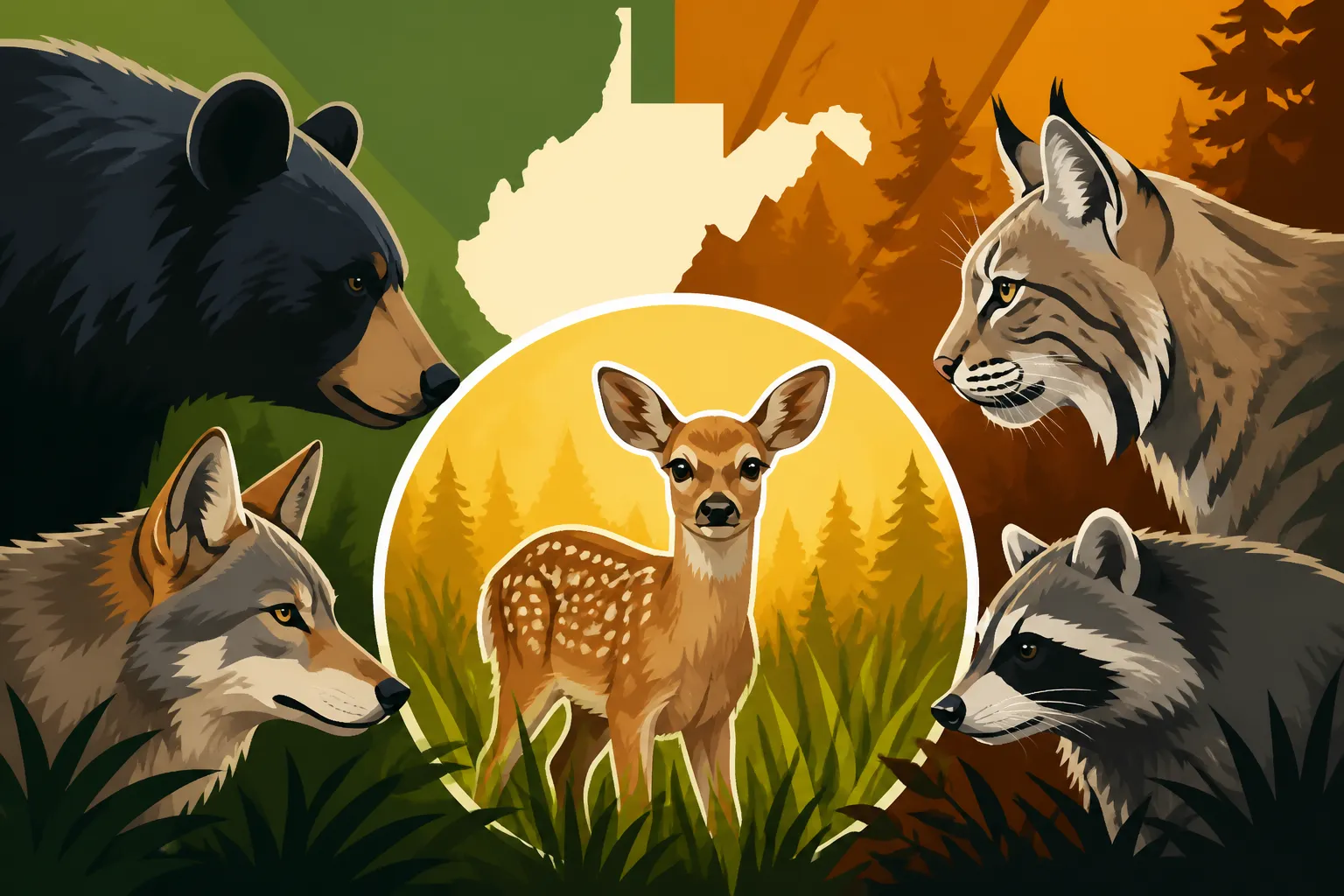
When most hunters think of predators impacting fawn survival, a few animals immediately come to mind. While the exact impact varies greatly by region, habitat, and predator density, there are definitely some key players in West Virginia’s natural drama.
The Dominant Role of Coyotes
Ah, the coyote. Love them or hate them, these adaptable canids have become a significant part of the West Virginia landscape. Coyotes and Predators in West Virginia have expanded their range dramatically over the decades, and their populations are robust in many areas. Coyotes are opportunistic predators, meaning they'll take what's easiest. And unfortunately, a newborn fawn, alone and still in a thicket, is often an easy meal. Studies in various regions have consistently shown that coyotes are a primary cause of fawn mortality. They actively hunt bedding areas, especially during the fawning season, using their keen sense of smell and hearing to locate hidden fawns.
Imagine a scenario: a doe beds her fawn down in a laurel thicket along a ridge, then slips away to feed. A lone coyote, scenting the area or simply patrolling a known travel corridor, might stumble upon that fawn. The outcome is often swift and tragic. While coyotes certainly play a vital role in keeping deer herds healthy by culling sick or weak animals, their sheer numbers and efficient hunting methods can, in some localized areas, depress fawn recruitment to a level that impacts overall deer numbers. It’s a complex issue, and simply eradicating coyotes isn’t a magic bullet for increasing deer populations, as other factors quickly come into play.
Black Bears: An Overlooked Threat?
While coyotes often get the most attention, West Virginia's burgeoning black bear population also plays a role in fawn mortality, one that many hunters might underestimate. West Virginia's Black Bear Comeback is a fantastic conservation success story, with bears now found in all 55 counties. As bear numbers and ranges expand, so does the potential for their interactions with deer. Bears are also opportunistic omnivores, and a helpless newborn fawn is a high-protein meal they won't pass up if encountered.
Unlike coyotes who might actively hunt, bears more often stumble upon fawns during their daily foraging. A sow bear emerging from her den with cubs, constantly on the lookout for calories, might be more prone to seek out fawns. Their larger size means a single encounter is often immediately lethal, leaving little chance for the fawn to escape. While bears might not target fawns with the same persistent hunting strategy as coyotes, their widespread presence and sheer power make them a significant, albeit perhaps less frequent, cause of fawn mortality, particularly in the mountainous, heavily wooded regions where deer and bear densities overlap the most.
Other Potential Predators
Beyond the big two, other predators contribute to fawn mortality, though generally to a lesser degree across the state. Bobcats, while effective predators, are less numerous and typically more selective in their prey, often targeting smaller game. However, an opportunistic bobcat certainly won’t pass up a vulnerable fawn. Then there's the often-frustrating reality of domestic dogs. Near rural communities and even on some public land, free-ranging or poorly supervised domestic dogs can cause significant fawn mortality. These dogs often chase and harass deer, sometimes leading to exhaustion or direct attacks on young fawns. While not "wild" predators, their impact can be localized but devastating. Other animals like raccoons, foxes, and even certain raptors like eagles, might occasionally take a very young or sickly fawn, but their overall impact on recruitment is usually considered negligible compared to coyotes and bears.
The Complex Interplay: Predator-Prey Dynamics
Understanding predator impact isn't just about counting coyotes and bears. It's about a dynamic, ever-changing relationship influenced by a host of environmental factors. The ecosystem is a complex web, and every strand affects the others.
Habitat's Influence on Predator Impact
You can have a healthy deer population even with plenty of predators if the habitat is prime. Thick, diverse cover is a fawn's best friend. Dense stands of mountain laurel, rhododendron, honeysuckle, or recent clear-cuts with vigorous regrowth offer crucial hiding spots. When a doe can tuck her fawn into an impenetrable thicket, the chances of a coyote or bear stumbling upon it decrease dramatically. Conversely, in areas with fragmented habitat, open woods, or heavily browsed understories, fawns have fewer places to hide, making them far more vulnerable to predation.
Consider the role of timber management: a fresh clear-cut, while looking barren initially, quickly grows into dense browse and cover in a few years, creating ideal fawn-rearing habitat. This new cover can help buffer fawns from predation. Areas like those found in Monongahela National Forest Hunting and Hunting the Potomac Highlands often have vast tracts of varied cover, which can help distribute fawns and dilute predator effectiveness. However, if that same habitat lacks nutritious forage, does might be in poorer condition, leading to weaker fawns and a greater susceptibility to predation.
When Predator Impact Becomes a Problem
It’s crucial to understand that predators are a natural and necessary component of a healthy ecosystem. They help cull weak or sick animals, preventing disease spread and strengthening the gene pool. Predator impact only truly becomes a "problem" when it becomes a limiting factor for the deer population. This usually happens in specific scenarios:
- Declining Deer Herd: If a deer herd is already struggling due to disease, severe weather, or overhunting, even normal predator pressure can push fawn recruitment into dangerously low territory.
- Poor Habitat: As mentioned, if fawns lack adequate cover, they are simply easier targets. This can exacerbate predator impacts even with moderate predator densities.
- High Predator Density: In localized areas with exceptionally high coyote or bear populations, predation pressure on fawns can become intense, especially if deer densities are also high, leading to more frequent encounters.
- Compensatory Mortality: This concept suggests that some fawns lost to predators might have died anyway from other causes like starvation or disease. However, at a certain point, predator mortality becomes additive, meaning those fawns would have otherwise survived, directly reducing recruitment.
Wildlife agencies, like the WVDNR, closely monitor West Virginia Fawn Survival Rates and other population metrics. If recruitment drops consistently below sustainable levels, they investigate the contributing factors, which often include predation, alongside habitat conditions and disease prevalence.
Management Strategies and Hunter Perspectives
Given the complex nature of predator-prey dynamics, management strategies are rarely simple. Wildlife agencies generally manage predator populations through regulated hunting and trapping seasons, allowing hunters and trappers to harvest coyotes and bears. West Virginia Coyote Hunting Season Status is year-round, for example, reflecting the state's approach to managing their population. For bears, Hunting West Virginia's Liberal Bear Season helps keep numbers in check.
Many hunters engage in predator hunting as a way to "do their part" for the deer herd. While hunting individual coyotes can certainly make an impact at a local level, especially around a specific property, broad-scale predator control is a massive undertaking with often unpredictable results. Habitat improvements are often seen as a more universally beneficial approach, as they help both deer and other wildlife. From the hunter's perspective, observing fawn sightings, tracking herd health, and advocating for good habitat management practices are all ways to contribute to a healthy deer population. Using tools that help track harvest data can give hunters valuable insights into deer population trends, though it can be hard to directly tie that to fawn recruitment specifically.
What This Means for West Virginia Deer Hunters
So, how does all this science and observation translate to your time in the woods? Understanding predator impact on fawn recruitment can change how you scout, how you hunt, and how you perceive the overall health of the deer herd in your favorite areas.
Understanding Local Deer Population Health
As hunters, we're often the first to notice changes in the woods. Pay attention to what you're seeing: are there fewer fawns trailing does in late summer? Are you finding more fawn remains or signs of predation while scouting? These anecdotal observations, when considered over time and across multiple hunters, can provide valuable ground-level insights into West Virginia Deer Population Estimate and recruitment success in your specific hunting grounds. While official West Virginia Deer Harvest Records provide big-picture data, your boots-on-the-ground experience is still vital.
It’s also important to consider the age structure of the deer herd. A healthy population isn't just about total numbers; it's about a good balance of fawns, yearlings, and mature animals. If recruitment is consistently low, you might start seeing an older age structure with fewer younger deer coming up, which can affect future hunting opportunities and herd resiliency. Tools like GoHunt can provide useful insights into historical harvest data and public land access, helping you connect the dots between regional trends and your specific observations in the field.
Personal Observations and Scouting
When you’re out Scouting West Virginia Public Land Before Season, expand your focus beyond just deer sign. Look for coyote scat, bear tracks, or even signs of bobcat activity. These observations can tell you a lot about the predator pressure in an area. If you find an area with abundant fawn sign (small tracks, faint trails) but also heavy predator activity, it might be a higher-risk area for fawn survival. This doesn't mean you avoid it; it just means you go in with a better understanding of the dynamics.
Consider where fawns would find the best hiding cover – thick briars, dense conifer stands, or regenerating clear-cuts. When you're Reading West Virginia Mud for Fresh Deer Movement, also pay attention to other tracks. Do you see fresh coyote tracks overlaying deer trails? This can indicate active predation. If you're consistently seeing fewer fawns in an area despite good habitat, it might suggest that predator impact is playing a significant role. Adjusting your hunting strategy could mean focusing on areas with better fawn recruitment or even spending some time on Predator Calling West Virginia Ridgelines to help balance the scales.
| Predator Type | Primary Fawn Vulnerability | Common Impact | Mitigation by Hunters/Management |
|---|---|---|---|
| Coyote | Newborn fawns in cover | Direct mortality | Hunting, trapping, habitat work |
| Black Bear | Very young, bedded fawns | Direct mortality | Regulated hunting seasons |
| Bobcat | Opportunistic | Less common, direct | Regulated trapping/hunting |
| Domestic Dog | Harassment, direct attack | Localized, high | Leash laws, responsible pet ownership |
Disclaimer
This article is for general informational purposes only and does not constitute professional advice. Laws, prices and regulations vary by location and change over time. Consult a qualified professional for guidance on your specific situation.