West Virginia Fawn Survival Rates
It's disheartening when you spend hours in the woods, scouting and hunting, only to feel like the deer numbers just aren't what they used to be, or perhaps you're seeing fewer young deer around. Understanding why some fawns make it through their first year and others don't is absolutely crucial for appreciating the health of West Virginia's deer herd and for planning your own hunts. This guide will dive deep into the fascinating, yet sometimes harsh, realities of West Virginia fawn survival rates, exploring the factors that help or hinder these vital young whitetails.
Understanding Fawn Survival in West Virginia
The life of a whitetail fawn in West Virginia is a precarious one, filled with challenges from the moment it hits the ground. Its ability to navigate these early obstacles directly shapes the future of our deer herd, impacting everything from population density to the trophy potential we all dream about.
Why Fawn Survival Matters to Hunters
For us hunters, fawn survival isn't just an academic concept; it's the very foundation of our sport. A robust fawn crop means a healthy, growing deer population, which translates to better hunting opportunities down the line. When fawn survival is high, we see more deer enter the age classes capable of producing impressive antlers, and the overall herd can sustain greater harvest pressure. Conversely, low fawn survival can signal deeper issues within the herd or its habitat, leading to fewer deer in future seasons and potentially more restrictive regulations from the West Virginia Division of Natural Resources (WVDNR).
Think about it this way: the fawns born this spring are the bucks and does we'll be chasing in two, three, or even four years. If too many of them succumb to predators, disease, or environmental stressors in their first few months, that's a direct reduction in the number of deer available for harvest in the seasons to come. It influences everything from the allocation of West Virginia County-Specific Antlerless Rules to the overall density of deer you encounter while afield. We need these young deer to make it, not just for the thrill of the hunt, but for the long-term vitality of the ecosystem.
Natural Threats to Young Deer
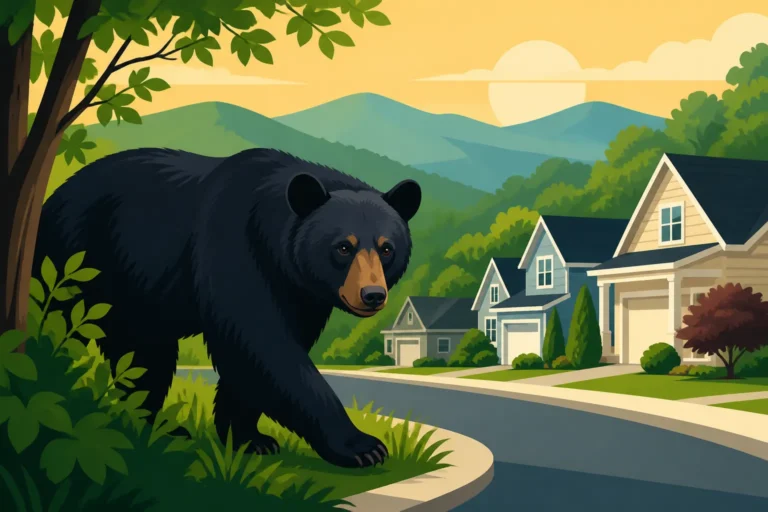
West Virginia is a wild state, and that means fawns face a gauntlet of natural threats from day one. Predators are, of course, a major concern. Coyotes are incredibly opportunistic and can take a significant toll on young fawns, especially in agricultural areas or fragmented woodlands where cover is sparse. Black bears, too, are known fawn predators, particularly during the spring fawning season when does are often tucked away in dense thickets. We're seeing more bears in areas they haven't historically occupied, and this shift can sometimes put additional pressure on local deer populations, especially in some of the more remote, mountainous regions of the state.
Beyond predators, fawns are susceptible to various diseases, though less commonly than older deer. EHD (Epizootic Hemorrhagic Disease) and bluetongue can impact fawn populations, particularly during dry, late summer periods when infected midges are prevalent near water sources. Environmental accidents also play a role; a fawn might get separated from its mother during a sudden storm, fall into a creek, or even become disoriented and wander into an unsafe area. While often heartbreaking to consider, these are all natural, albeit tough, parts of the wild world in West Virginia.
Key Factors Influencing Fawn Survival Rates
When we talk about fawn survival, it's never just one thing; it's a complex tapestry woven from habitat, weather, predation, and even the health of the mother doe. Each thread contributes to the overall strength of the fawn's chances.
Habitat and Nutrition
Quality habitat is arguably the most critical factor in a fawn's early survival. A doe needs plenty of dense, protective cover to hide her newborn fawns from predators. Think thickets of laurel, regenerating clear-cuts, or dense stands of saplings where a fawn can bed down virtually unseen. Without this secure cover, fawns are far more exposed and vulnerable, leading to lower survival rates. The absence of suitable fawning cover can be a major limiting factor in some areas.
Beyond cover, the nutritional health of the mother doe is paramount. A well-nourished doe will give birth to stronger, healthier fawns and produce more abundant, higher-quality milk. This early nutrition is essential for rapid growth and developing the strength needed to escape danger. Areas rich in diverse forage, like mast-producing hardwoods, lush undergrowth, and agricultural fields, contribute significantly to doe health. Conversely, areas with poor forage can result in weaker fawns and mothers, increasing vulnerability. If you've ever had a Hunting After a Poor Acorn Year, you know how quickly deer conditions can decline, and that trickles down to fawn production and survival.
Predation Pressure
While natural, predation is a huge component of fawn survival rates. In West Virginia, coyotes are ubiquitous, and they are masters at finding and dispatching fawns. Their impact can vary greatly depending on local coyote densities and alternative food sources. Where coyote populations are high and deer are their primary prey, fawn survival often takes a hit. Bears, particularly during early summer, will also prey on fawns, especially if other food sources like berries or soft mast aren't readily available. We're seeing West Virginia's Black Bear Comeback in a big way, and with more bears comes increased potential for fawn predation.
The dynamics of predator populations are constantly shifting, and these shifts can dramatically affect fawn numbers. For instance, in areas with a healthy population of bobcats, which are also rebounding in parts of the state, they too contribute to the predator mix. Hunters can certainly influence coyote numbers through activities like Predator Calling West Virginia Ridgelines, but nature's balance is a complex equation, and many variables are at play beyond human intervention. It’s not just about how many predators there are, but also how much other food is available to them.
Weather and Environmental Conditions
Mother Nature can be a harsh mistress, and her whims directly affect fawn survival. A late, harsh winter can stress does, making them less capable of supporting their fawns. Extreme cold or heavy, unexpected snow in late spring, around the typical fawning period, can lead to hypothermia in newborns. Fawns are particularly vulnerable to cold and wet conditions in their first few days of life, before they've had a chance to build up sufficient fat reserves.
Conversely, extended droughts can also be detrimental. Dry conditions lead to reduced forage quality, impacting the doe's milk production and the fawn's ability to grow. This can leave fawns weaker and more susceptible to disease or predation. The balance of rain and sunshine throughout the spring and early summer plays a critical role in the growth of vegetation, which in turn feeds the does and provides cover for the fawns. A stable, moderate climate during the fawning season gives our young deer the best fighting chance.
How West Virginia Monitors Fawn Survival
Understanding fawn survival isn't just guesswork for our wildlife managers; it's based on rigorous scientific methods and careful observation. The WVDNR invests significant effort into tracking these numbers.
WVDNR Studies and Research
The WVDNR uses a variety of scientific methods to estimate fawn survival rates across the state. One of the most intensive, and insightful, methods involves collaring fawns. This means wildlife biologists will actively seek out newborn fawns, capture them, quickly fit them with tiny radio collars, and then release them. These collars allow researchers to track the fawns' movements and, crucially, to determine when and why a fawn might die. These studies provide invaluable data on causes of mortality, whether it's predation, disease, or other factors. For example, What Collared Deer Research Revealed in Hampshire County offered deep insights into deer movement and survival in a CWD-impacted region, which naturally includes fawn survival dynamics.
Other methods include spotlight surveys, where researchers drive specific routes at night to count deer, distinguishing between does and fawns to estimate recruitment. Trail camera surveys on public lands also contribute by providing visual data on fawn presence relative to does. The WVDNR continually analyzes these findings, along with harvest data and public observations, to create a comprehensive picture of the deer herd's health and reproductive success. This informs their management decisions, including harvest quotas and season lengths.
Hunter Observations and Data Collection
While the WVDNR conducts its scientific studies, hunters like us play a vital role in providing anecdotal and sometimes structured data. Every time you report a deer harvested online, or if you participate in voluntary check stations during special seasons, you're contributing to a larger dataset. Seeing the number of fawns accompanying does during hunting season, or noting specific instances of fawn predation, all adds to the collective understanding.
For personal use, tools like GoHunt or other mapping applications can help hunters log their observations over time, allowing them to spot trends in fawn numbers in their hunting areas. This isn't formal scientific data, but it's incredibly useful for a hunter to understand what's happening on their own local grounds. By paying attention to what you're seeing in the field – the ratio of fawns to adult does, the health of those fawns – you're essentially conducting your own micro-study that can inform your hunting strategy.
Implications for West Virginia Deer Management and Hunting
The survival rates of fawns have direct and profound implications for how the WVDNR manages our deer herd and, by extension, how we get to hunt them. It's a fundamental metric that dictates much of the strategic thinking behind regulations.
Adjusting Season Structures and Bag Limits
When fawn survival rates are consistently low in a particular region, it often signals a need for the WVDNR to adjust season structures and bag limits to protect the breeding population. This might mean reducing antlerless harvest opportunities, especially in areas where doe populations are already stressed. Conversely, strong fawn survival allows for more liberal harvests, ensuring the population remains healthy and doesn't overgraze its habitat, which can lead to reduced fawn survival in the future. The entire West Virginia Deer Season Structure Explained is built upon understanding these population dynamics, including how many fawns are making it to adulthood.
Consider the West Virginia Youth Deer Weekend Rules, for instance. These special seasons are often designed not just to introduce new hunters, but also to provide early, managed opportunities to harvest deer, often including antlerless deer, with careful consideration of population health derived from fawn recruitment data. The goal is always to strike a balance: maintain a healthy, huntable deer herd while allowing for sustainable recreational opportunities. Good fawn survival provides the flexibility to offer more diverse hunting options without jeopardizing the herd.
Hunter's Role in Herd Health
As hunters, we are critical stewards of the deer herd. Our ethical choices and participation in management efforts directly impact fawn survival and overall herd health. This includes making responsible harvest decisions, abiding by regulations, and reporting our harvested deer accurately. If a hunter consistently takes only prime does from a unit with struggling fawn survival, it can negatively impact the reproductive potential of that local population. Understanding the implications of fawn survival helps us make more informed decisions in the field.
Furthermore, awareness of diseases like Chronic Wasting Disease in West Virginia Deer is crucial. While CWD primarily affects older deer, its presence can impact overall herd health and density, which indirectly affects fawn survival by altering population structures and reducing the health of breeding does. Supporting WVDNR efforts in CWD monitoring, such as mandatory testing in containment areas, contributes to a healthier herd for everyone, including the fawns. Every responsible action we take, from knowing the regulations to choosing our shots wisely, contributes to the long-term viability of West Virginia's deer herd, ensuring strong fawn survival for generations to come.
Here's a quick look at some factors influencing fawn survival:
| Factor | Impact on Fawn Survival (Generally) | Details |
|---|---|---|
| Dense Cover | High | Provides hiding spots from predators, thermal protection. |
| Poor Cover | Low | Increased exposure to predators, harsh weather. |
| High Doe Health | High | Stronger fawns, better milk production, more resilient mothers. |
| Low Doe Health | Low | Weaker fawns, less milk, higher susceptibility to disease. |
| High Predator Density | Low | More fawns lost to coyotes, bears, bobcats. |
| Low Predator Density | High | Fewer fawns lost to predation (though other factors can still limit survival). |
| Mild Spring Weather | High | Less stress on fawns and does, favorable conditions for vegetation growth. |
| Harsh Spring Weather | Low | Risk of hypothermia, reduced forage, increased stress on does. |
| Abundant Mast/Forage | High | Improved nutrition for does, leading to healthier fawns. |
| Scarce Mast/Forage | Low | Reduced doe health, smaller fawns, less milk. |
Understanding West Virginia fawn survival rates is about so much more than just a number; it's about appreciating the delicate balance of nature and our role within it. By recognizing the myriad challenges these young deer face and how those challenges shape the future of our deer herd, we can become more informed, responsible, and ultimately, more successful hunters and conservationists. Keep observing those fawns, and remember that their survival today means a vibrant hunting tradition tomorrow.
Disclaimer
This article is for general informational purposes only and does not constitute professional advice. Laws, prices and regulations vary by location and change over time. Consult a qualified professional for guidance on your specific situation.