Donating Venison in West Virginia
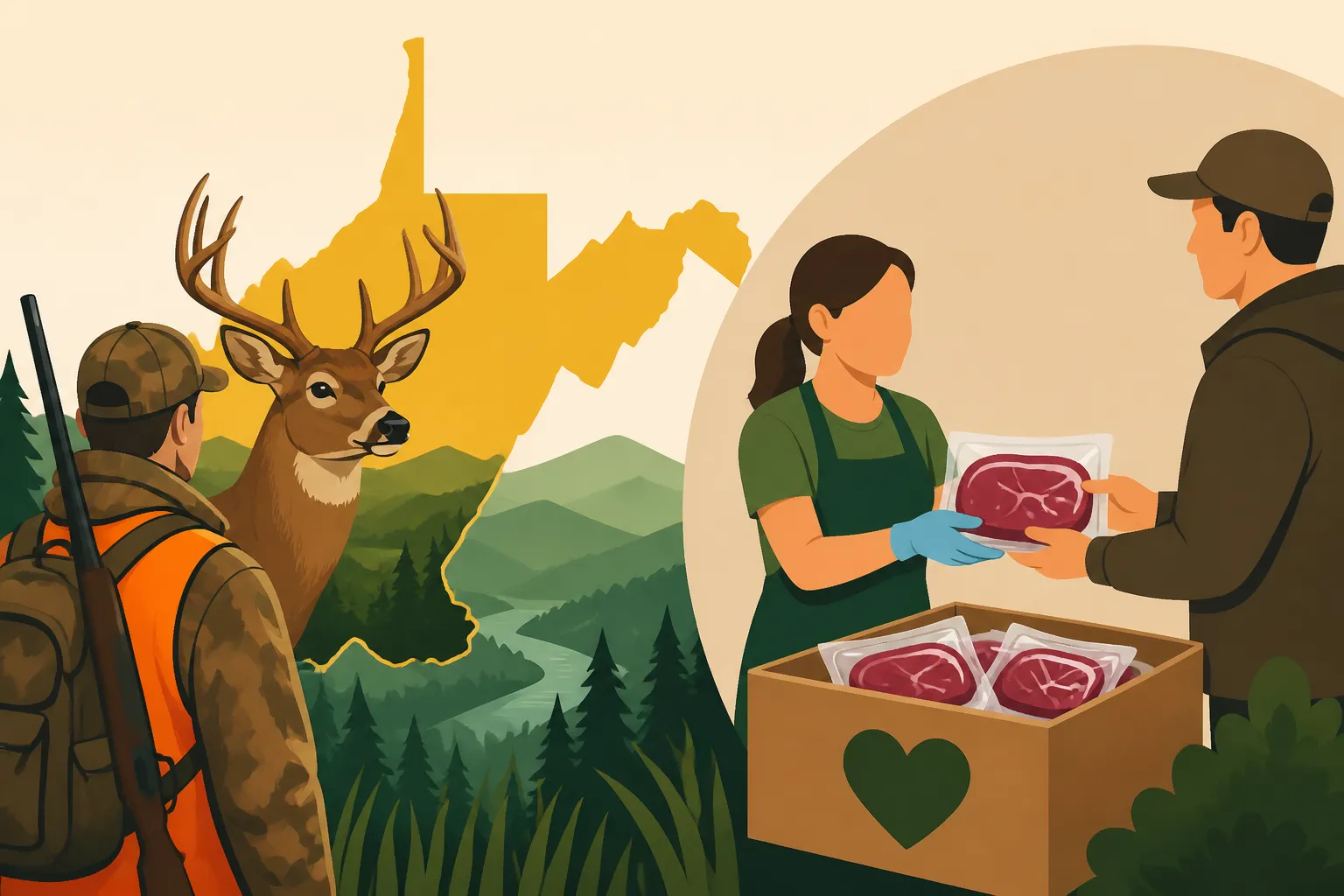
There's nothing quite like the satisfaction of a successful deer hunt in the mountains and hollows of West Virginia. But sometimes, you find yourself with more venison than your freezer can realistically hold, or perhaps your family's tastes have shifted. Instead of letting that delicious, lean protein go to waste, or simply struggling to eat it all, consider the incredible impact you can make by donating your venison to those in need right here in the Mountain State. This guide will walk you through the ins and outs of ethically and effectively donating your harvested deer, ensuring it provides nourishment far beyond your own dinner table.
The Heart of the Hunt: Why Sharing Venison Matters in West Virginia
Hunting is deeply ingrained in the culture of West Virginia, a tradition passed down through generations. While the thrill of the chase and the connection to nature are paramount, the harvest itself represents a tangible resource. For many, deer season isn't just about sport; it's about putting food on the table. Extending that bounty to others who are struggling brings a profound sense of purpose to the hunt, embodying the true spirit of community that defines our state.
Bridging the Food Security Gap
It's a harsh reality, but food insecurity is a real challenge for many families across West Virginia. While we often think of national charities, the need is very much local, often right in our own communities. Donating venison provides high-quality, lean protein to individuals and families who might otherwise struggle to afford it. It's not just food; it's nutrient-dense sustenance that can make a real difference, especially for growing children and those with limited access to fresh meat. Think about the impact a few pounds of ground venison can have on a family trying to stretch their budget. It's a game-changer.
Imagine a single parent in a smaller town, perhaps still reeling from economic shifts in the coalfields, trying to put a healthy meal on the table for their kids. The cost of meat can be prohibitive. When you donate venison, you're directly alleviating some of that burden. It’s a direct, tangible way for hunters to contribute to the well-being of their neighbors, fostering a stronger, more resilient community fabric. This act of sharing resonates deeply with the self-reliant and community-oriented nature of West Virginians.
Maximizing Your Harvest and Minimizing Waste
Let's be honest, sometimes you have an exceptionally good season. Maybe you filled all your tags, or perhaps you just had one really big buck that yielded more meat than you anticipated. Rather than feeling overwhelmed by a freezer full of venison you can't get through, donating offers a perfect solution. It ensures that the animal you harvested serves its ultimate purpose, providing sustenance, and prevents any part of that precious resource from being wasted.
We owe it to the animals we hunt, and to ourselves as ethical hunters, to utilize every bit of the harvest responsibly. Donating excess venison is a clear demonstration of that commitment. It shows respect for the game and for the environment, reinforcing the idea that hunting is a sustainable practice that benefits not just individuals but the wider ecosystem and community. It's a way to honor the animal's life by ensuring its contribution doesn't go unappreciated or unused.
Continuing a Proud Tradition of Sharing
Long before organized programs, hunters shared their bounty. Whether it was with neighbors, friends, or family down the road, the act of distributing game was a hallmark of the hunting culture. Donating venison today is a modern extension of this time-honored tradition. It connects us to generations past who understood that a full larder was best when shared, especially within a close-knit community.
This tradition reinforces the social bonds within our rural communities. Hunters are often viewed as stewards of the land and providers, and participating in venison donation programs only strengthens that image. It’s a powerful way to showcase the positive contributions hunters make, not just through wildlife management and conservation efforts, but also through direct community support. It’s a way for us to collectively say, "We take care of our own."
Navigating West Virginia's Venison Donation Programs
When it comes to donating venison in West Virginia, the most established and effective pathway is usually through a dedicated program that partners with food banks and licensed meat processors. These programs ensure the meat is handled safely, processed correctly, and distributed efficiently to those who need it most.
Hunters Helping the Hungry: A Key Player
The primary program you'll hear about in West Virginia is often associated with "Hunters Helping the Hungry." This type of initiative typically works by connecting hunters with participating, certified meat processors who are set up to handle deer donations. The program often involves a partnership between the state wildlife agency, local non-profits, and the processing facilities themselves. It's designed to make the donation process as smooth and reliable as possible for both the hunter and the recipient.
These programs take the guesswork out of where your venison will go and ensure it reaches food banks and charities that can properly store and distribute it. They often cover the processing costs, either through direct funding or a voucher system, so hunters aren't burdened with an extra expense for their charitable act. This infrastructure is crucial for translating a hunter's goodwill into tangible aid for families. You can often find details about participating processors and program guidelines through the West Virginia Department of Natural Resources (WVDNR) or affiliated charitable organizations.
Understanding Accepted Donations
Generally, venison donation programs are looking for whole, field-dressed deer. This means the deer must be harvested legally, immediately field dressed to remove entrails, and kept cool to prevent spoilage. You can't just drop off a bag of freezer-burnt venison that's been sitting in your freezer for two years. The quality and safety of the meat are paramount for public health. Processors will typically inspect the deer to ensure it's in good condition.
It's also important to understand that most programs require the deer to be boned out and processed into ground venison. This makes it easier for food banks to distribute and for recipients to cook, ensuring consistency and safety. They can't accept deer with visible signs of disease, excessive bruising, or anything that compromises the integrity of the meat. Think about it from the perspective of someone receiving this food – you want to provide them with the best quality possible.
The Financial Aspect: Processing Fees
While the act of donating is charitable, the processing of the deer still incurs costs. Many "Hunters Helping the Hungry" style programs work to cover these costs for the hunter. Sometimes, this is done through a statewide fund, other times through local donations or grants. However, it's always a good idea to confirm with the specific participating processor if there are any fees you might be responsible for, or if the program fully covers the processing.
Some hunters choose to cover the processing fee themselves as an additional charitable contribution, which is always greatly appreciated. Others might contribute a small amount, with the program covering the rest. The exact setup can vary year by year and by region, so a quick call to the processor or checking the program's latest information, often found on the WVDNR website or through a resource like Scouting West Virginia Public Land Before Season, is always recommended. Rest assured, the intent of these programs is to make it as easy and affordable as possible for you to donate.
Your Step-by-Step Guide to Donating Deer
Ready to turn your successful hunt into a meal for a West Virginia family? The process is straightforward, but adhering to proper steps ensures your donation is accepted and truly helps.
Step 1: Ethical Harvest and Immediate Field Dressing
The donation journey begins the moment you harvest your deer. A clean, ethical kill is always the priority, but for donated meat, it's even more crucial. Any unnecessary trauma or damage to the carcass can impact the meat's quality. As soon as the deer is down, begin the field dressing process. Prompt removal of the entrails helps the carcass cool down quickly, which is critical for preventing bacterial growth, especially during early archery season when temperatures might still be warm.
You'll want to ensure the deer is thoroughly field dressed, removing all organs. If possible, rinse out the cavity with clean water, especially if any contents from the gut spilled during the process. Pack the cavity with ice if the weather is warm and you have a bit of a drive ahead of you to the processor. The goal is to get that core body temperature down as fast as possible. Remember, the quality of the meat for donation hinges on this initial care. For more on this, you might find Field Dressing a Deer in Cold Weather useful, as the principles of cooling apply universally.
Step 2: Locate a Participating Processor
This is perhaps the most important logistical step. You can't just drop a deer off at any butcher shop. You need to find a meat processor that is licensed, inspected, and specifically participates in West Virginia's venison donation programs, such as Hunters Helping the Hungry. The WVDNR website is usually the best place to find an updated list of these processors, often categorized by county.
It’s a good idea to call ahead to the processor, especially during peak deer season. They can advise you on their current capacity, hours of operation, and any specific requirements they might have. They'll also be able to confirm if they are participating in the donation program for that season and what, if any, fees are covered. This pre-planning prevents wasted trips and ensures your deer can be accepted. Tools like GoHunt can sometimes have community forums where hunters share processor recommendations or updates, though official sources are always best for program specifics.
Step 3: Transporting Your Deer Safely
Once field-dressed, transport your deer to the processor as quickly and cleanly as possible. If it's warm, ice is your friend. Lay the deer on a tarp in the bed of a truck, or if using an enclosed vehicle, ensure it's well-sealed to prevent any leaks or contamination. A warm, jostled deer packed into a trunk is a recipe for spoiled meat, and no one wants that, especially not for a donation.
When you arrive at the processor, the staff will typically ask you to complete some basic paperwork for the donation program. This might include your name, contact information, and details about the harvest. They'll also confirm the deer was legally harvested.
Step 4: Mandatory Deer Checking and Program Registration
Remember, all legally harvested deer in West Virginia must be checked. This is a non-negotiable part of hunting in our state, regardless of whether you're keeping the meat or donating it. Many processors participating in donation programs are also official check stations, or they will guide you on how to complete the check. You can often do this online or through the WVDNR's mobile app.
It's important to complete the checking process as required by the WVDNR. This includes getting your confirmation number. This number is often required by the processor for their records, proving the legality of your harvest before they can accept it for donation. For more information, you can read Checking a West Virginia Deer Harvest Online. Ensuring all regulations are followed upholds the integrity of both your hunt and the donation program.
Here's a quick overview of the donation process:
| Step | Key Action | Important Considerations |
|---|---|---|
| 1. Ethical Harvest | Clean kill, immediate field dress | Prevent contamination, cool carcass quickly, especially during warm weather. |
| 2. Locate Processor | Find a participating WVDNR-approved facility | Call ahead for hours, capacity, and fee information. Check WVDNR website for list. |
| 3. Safe Transport | Keep deer cool, clean, and contained | Use ice if warm, protect from dirt, transport promptly to avoid spoilage. |
| 4. Check Deer | Register harvest with WVDNR | Obtain confirmation number; processor may require it. Ensure all rules are followed. |
| 5. Drop-off & Paperwork | Deliver deer to processor, complete forms | Confirm any fees, verify participation in donation program. |
Key Considerations Before Donating
Donating venison is a commendable act, but a few critical factors can impact whether your donation is accepted and ultimately, how much good it does. Being aware of these points upfront ensures a smooth and effective contribution.
Chronic Wasting Disease (CWD) and Restrictions
Chronic Wasting Disease (CWD) is a neurological disease affecting deer and elk, and it's a serious concern in West Virginia. The WVDNR has designated CWD Containment Areas in certain counties. If you harvest a deer within one of these counties, specific rules apply to the movement and testing of the carcass. Processors within or near CWD zones will have protocols in place, and it's vital to understand them. Generally, deer harvested in CWD Containment Areas might be subject to mandatory testing, and restrictions on carcass movement out of the area are common.
These regulations are in place to prevent the spread of CWD. For donation programs, this means that venison from CWD-positive deer is not accepted. If you hunt in a CWD-affected county, familiarize yourself with the current WVDNR guidelines before you even head to the woods. Information on West Virginia's Chronic Wasting Disease Counties and Handling Venison From a CWD Containment Area will be invaluable. Always err on the side of caution and follow all CWD protocols to ensure public and wildlife health.
Ensuring Meat Quality and Safety
The ultimate goal of donating venison is to provide safe, nutritious food. Therefore, maintaining the quality and safety of the meat from the moment of harvest until it reaches the processor is paramount. This goes beyond just field dressing; it includes keeping the carcass clean and cool. Avoid dragging the deer through excessive mud or water that could contaminate open wounds or the body cavity. If you have a long drag, consider investing in a deer sled to keep the carcass off the ground.
A rapid cooldown is key. If temperatures are above 40-50 degrees Fahrenheit, even a few hours without proper cooling can lead to significant bacterial growth and spoilage. Using bags of ice in the chest cavity is highly recommended for warmer days. Remember, once the meat is at the processor, they will perform their own inspection. If they deem the meat to be compromised or unsafe, they will have to reject it. Don't let your good intentions go to waste because of improper post-harvest care.
Timing Your Donation Appropriately
While you might be eager to donate immediately after a successful hunt, keep in mind the operational hours and capacity of participating processors. As mentioned, it's always best to call ahead. Peak hunting season, especially the opening days of buck gun season, can see processors overwhelmed with deer. If you wait until the end of the season, some might stop accepting donations once their freezer space is full.
Plan your donation as part of your overall hunt strategy. If you anticipate donating, make those calls before you even leave for your hunting spot. Being proactive ensures your venison can be processed and distributed without issues. The sooner the deer gets from the field to a professional cooler, the better the quality of the end product for those who will benefit from your generosity.
Beyond the Formal Programs: Community Sharing and Ethical Considerations
While formal donation programs are the most structured way to contribute, the spirit of sharing venison extends beyond official channels. Many hunters in West Virginia have a tradition of distributing their harvest directly within their local communities.
Sharing with Friends, Family, and Neighbors
Often, the simplest way to share your venison is directly with people you know. Do you have an elderly neighbor who used to hunt but can no longer go? A young family member just starting out who would appreciate some healthy protein? Many West Virginians regularly share portions of their deer harvest with friends and family. This informal network of sharing builds community bonds and ensures good food doesn't go to waste.
When sharing informally, make sure the recipients understand they are receiving wild game. Proper labeling of packaged venison (e.g., "Ground Venison – Date Processed") is always a good practice, even for personal use. Ensure the meat has been properly handled and processed, just as you would for your own consumption. This direct approach often requires less paperwork and can be very fulfilling.
Local Community Groups and Direct Outreach
In some smaller communities, local churches, benevolent organizations, or even individual families in need might be open to receiving direct venison donations. However, this avenue requires more due diligence on your part. You must ensure that any group or individual you donate to understands proper food handling and storage, especially if they are receiving an unprocessed or partially processed carcass. Food safety is paramount.
If considering this route, always make initial contact to gauge interest and clarify logistics. Offer only high-quality, properly field-dressed, and ideally professionally processed meat. Be clear about the origin of the meat and any relevant information, such as it being wild game. While this can be a direct and impactful way to help, it lacks the formal oversight of programs like Hunters Helping the Hungry, so greater personal responsibility is required to ensure safety and proper use. Before offering processed meat, you should know that Butchering a Deer at Camp or other home processing methods can be fantastic for personal use, but for community donation, a licensed processor is generally preferred for consistency and safety assurance.
The Ethics of Giving Back
Ultimately, donating venison is an ethical extension of the hunting lifestyle. It highlights the hunter's role as a provider and conservationist, demonstrating that the harvest contributes not only to personal sustenance but to the well-being of the wider community. It also helps counteract negative stereotypes about hunting, showcasing the generosity and social responsibility that are inherent to many hunters.
As hunters in West Virginia, we have a unique opportunity to give back directly to our communities. Whether through formal programs or informal sharing, every pound of donated venison makes a difference. It's a tangible way to honor the game we pursue, support our neighbors, and strengthen the bonds that make our hunting traditions so rich and meaningful in the Mountain State. Consider how your actions reflect on the hunting community at large, and embrace the opportunity to share your bounty.
Disclaimer
This article is for general informational purposes only and does not constitute professional advice. Laws, prices and regulations vary by location and change over time. Consult a qualified professional for guidance on your specific situation.