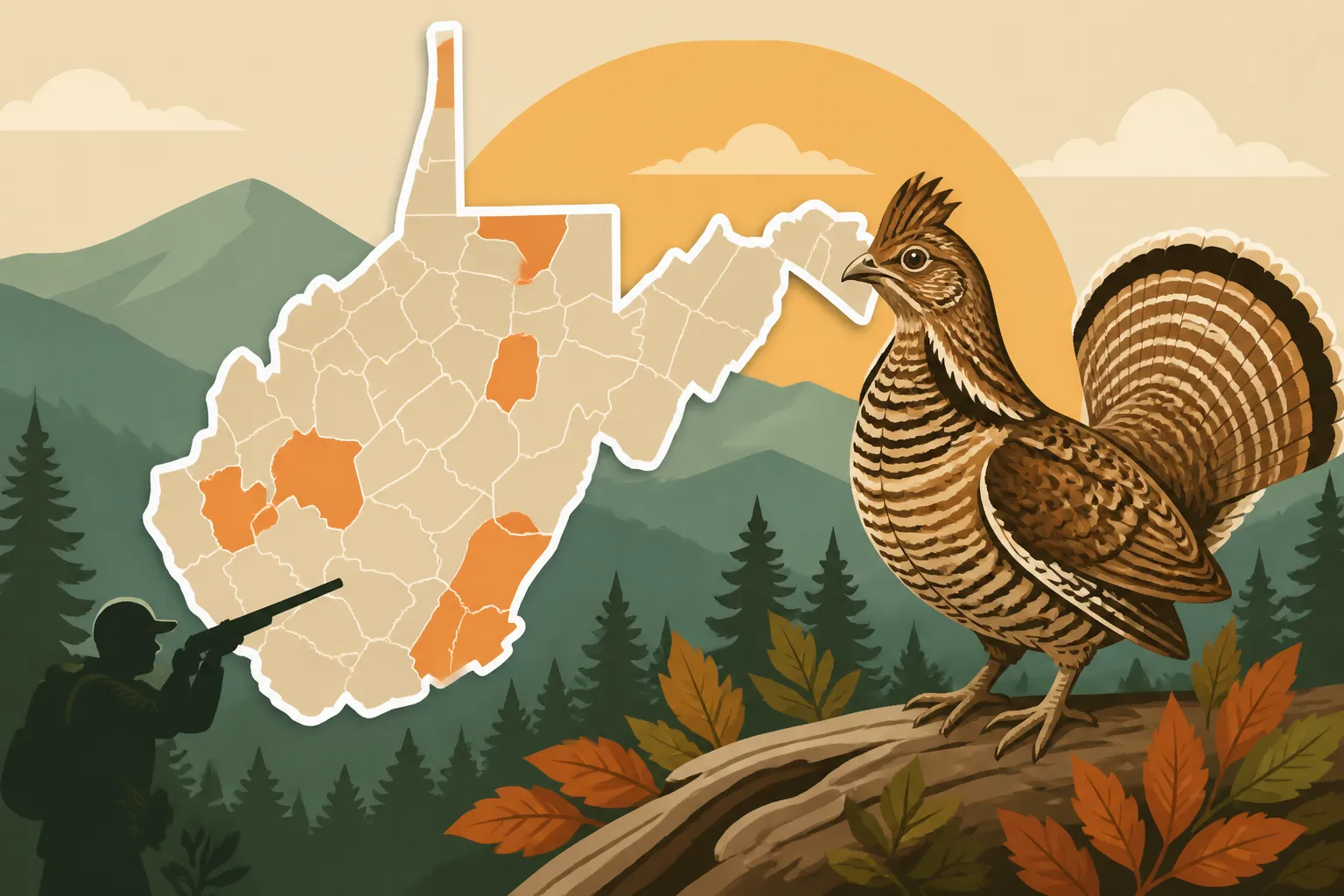
Best West Virginia Counties for Grouse
Finding prime ruffed grouse habitat in West Virginia can feel like searching for a needle in a haystack, especially with changing forest landscapes. Many hunters get frustrated walking mile after mile through mature timber only to flush a handful of birds, if any. This guide will cut through the guesswork, helping you pinpoint the best West Virginia counties for grouse and offering practical advice to increase your chances of finding these elusive thunder chickens.
Understanding West Virginia's Ruffed Grouse Landscape
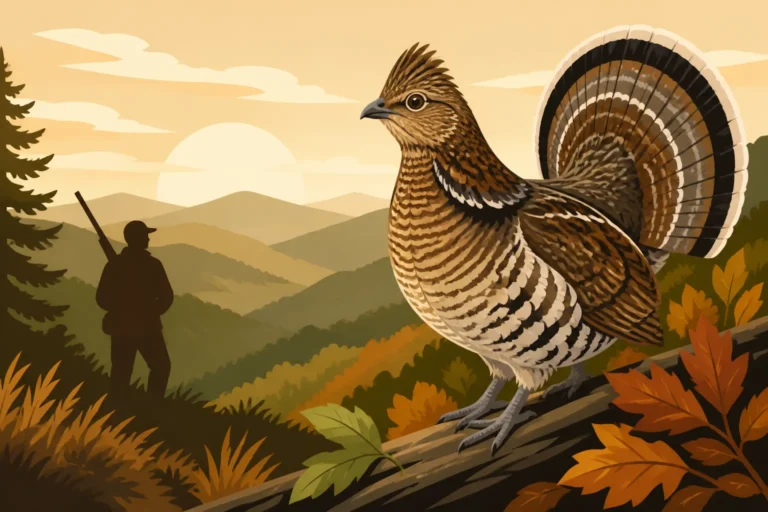
The ruffed grouse, often called the "king of game birds" in Appalachia, is a creature of specific habitat. Unlike deer or turkeys that can adapt to a wider range of environments, grouse thrive in young, regenerating forestland. This makes them a bellwether species for forest health and an indicator of actively managed timberlands. Over the past few decades, many hunters have noticed a West Virginia Ruffed Grouse Decline, and it's directly tied to the maturation of our forests.
The Critical Need for Young Forest Habitat
What exactly constitutes "young forest" for a grouse? Think about areas that have been recently logged, perhaps 5 to 20 years ago, creating a dense tangle of saplings, shrubs, and briars. This thick understory offers critical protection from aerial predators like hawks and owls, provides abundant food sources in the form of buds and berries, and creates ideal drumming logs for males in the spring. As forests age, the canopy closes, shading out the understory, and the habitat becomes less suitable for grouse. It’s a natural cycle, but one that requires active management (like timber harvesting) to maintain grouse numbers. Without this kind of disturbance, our West Virginia woods simply become too "clean" for these birds. This is where Aspen Management and Highlands Grouse comes into play, as aspen stands provide some of the best dense cover.
West Virginia's Unique Terrain and Grouse Distribution
West Virginia's rugged, mountainous terrain means that grouse habitat isn't evenly distributed. While you might find pockets of good cover anywhere, the larger, more consistent grouse populations tend to be in areas with a history of timbering and, critically, public land access that allows for that management to continue. The Allegheny Highlands, for instance, naturally lend themselves to certain types of forest management, and historically have been a stronghold for these birds. Understanding this geographic distribution is key to focusing your efforts and not wasting precious hunting time in less productive areas. A good mapping tool, like the one offered by GoHunt, can help you visualize these landscape features before you even step foot in the woods, allowing you to identify potential clear-cuts or regrowing timber.
Top Counties for Pursuing West Virginia Grouse
While grouse populations ebb and flow and habitat conditions change, some West Virginia counties consistently offer better prospects for ruffed grouse hunters due to their forest composition, management practices, and public land acreage. These are the places where you'll find a higher likelihood of encountering birds, and more importantly, the kind of habitat grouse need to thrive.
Highlands Strongholds: Randolph, Pocahontas, and Tucker
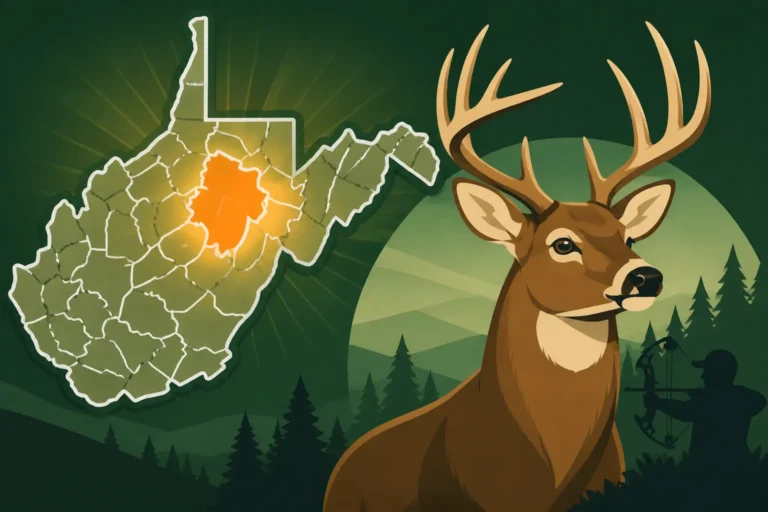
When people talk about Ruffed Grouse in the West Virginia Highlands, counties like Randolph, Pocahontas, and Tucker immediately come to mind. These counties are dominated by the Monongahela National Forest, which, despite its vastness of mature timber, also contains significant tracts of actively managed forest. Here, you'll find a mosaic of habitat types: older clear-cuts in various stages of regrowth, areas affected by ice storms that created dense new growth, and stands managed specifically for timber production.
- Randolph County: With its extensive public land holdings, Randolph offers diverse terrain. Focus on areas with a mix of elevation changes and where you can see evidence of past logging activity. These could be old logging roads leading into dense thickets or younger stands adjacent to mature timber. The key is to find that specific successional stage that grouse love.
- Pocahontas County: Often hailed as a prime destination for various game, Pocahontas offers vast opportunities for grouse. Areas around the Cranberry Glades Botanical Area and the surrounding Cranberry Wilderness (though check specific regulations for wilderness areas) often have the necessary cover, particularly at higher elevations. Look for areas with a strong presence of spruce and fir mixed with hardwoods, as these transition zones can be highly productive.
- Tucker County: Home to Blackwater Falls State Park and Canaan Valley, Tucker County boasts high elevation and cooler temperatures, which can translate to good grouse habitat. Look for brushy creek bottoms, old burns, and clear-cuts, especially those along steeper slopes. The dense rhododendron and laurel thickets are notorious for holding birds, providing excellent thermal cover and escape routes. Remember, these thickets are tough walking, but they're often worth the effort.
Other Promising Counties and Regional Considerations
While the Highlands are often considered the epicenter, other counties can also offer excellent grouse hunting, particularly those with significant tracts of state forests or wildlife management areas (WMAs) where active timber management occurs.
- Preston and Barbour Counties: These counties, while perhaps not as mountainous as the eastern highlands, still offer good grouse hunting in areas with younger timber. Look for state forests like Coopers Rock State Forest (check specific hunting zones) and other WMAs that have undergone recent timbering. These areas might see less pressure than some National Forest tracts, offering a quieter experience.
- Grant and Hardy Counties (within the Potomac Highlands): Though known more for deer and turkey, these counties in the Hunting the Potomac Highlands region can produce grouse, especially in their western, more mountainous sections bordering the national forest. Again, focus on areas with active forest management and a good mix of cover types.
- General Strategy: No matter the county, the principle remains the same: find young, dense cover. Use mapping apps like GoHunt to scout for areas with recent timber cuts, powerline clearings, or old logging operations that have regenerated into thickets. Sometimes, simply driving lesser-used forest roads will reveal cuts that are ripe for hunting. Pay attention to the age of the timber; How Old a Cut Should Be for Grouse is a crucial factor.
Here's a quick overview of some top counties and what makes them stand out:
| County Name | Primary Public Land Presence | Key Habitat Features | Why It's Good for Grouse |
|---|---|---|---|
| Randolph | Monongahela National Forest | Diverse elevation, active timber cuts, mixed hardwoods | Large tracts of managed forest create varied age classes |
| Pocahontas | Monongahela National Forest | High elevation, spruce/fir, dense rhododendron | Excellent escape cover, varied food sources, remote areas |
| Tucker | Monongahela National Forest, WMAs | High elevation, old burns, clear-cuts, laurel thickets | Rugged terrain with pockets of ideal dense regeneration |
| Preston | Coopers Rock State Forest, WMAs | Mixed hardwoods, younger timber, brushy creek bottoms | Potential for less pressure, focused habitat management on state lands |
| Grant | Monongahela National Forest, WMAs | Mountainous western sections, some clear-cuts | Borders prime habitat, good for combining with deer/turkey hunts |
Tactics for Chasing Grouse in West Virginia's Best Counties
Knowing where to go is just the first step. Successfully hunting ruffed grouse in West Virginia requires specific tactics, an understanding of their behavior, and a willingness to work hard in challenging terrain.
Dog Work vs. Flushing Without a Dog
Whether you hunt with a dog or prefer to Flushing Grouse Without a Dog, your approach will differ significantly.
- Hunting with a Dog: A good bird dog, particularly a setter or pointer, is an invaluable asset. They can cover significantly more ground, locate birds in dense cover that you'd walk past, and hold them for a shot. Focus on working your dog through the thickest cover, paying close attention to their body language. When a dog goes on point, get ready to move in quickly, as grouse often hold tight until the very last second. Be prepared for explosive flushes and quick shots in tight windows.
- Hunting Without a Dog (Still-Hunting/Walking): If you're dog-less, you'll need to rely on methodical walking and an intimate understanding of grouse cover. Walk slowly, pausing frequently. Grouse often flush when you stop, sensing your presence. Target specific cover types like the edges of clear-cuts, dense creek bottoms, old logging roads lined with brush, and areas where laurel or rhododendron forms impenetrable thickets. These birds will often run on the ground before flushing, so be attentive to any movement or sound in the underbrush. Try to walk into the wind when possible, as it helps carry your scent away from the birds and might make them hold tighter.
Timing and Weather Considerations
Timing is everything in grouse hunting. While the season often opens in mid-October, many experienced hunters prefer to wait until after the leaves have fallen, typically in early to mid-November.
- Late Fall (Post-Leaf Drop): This is arguably the prime time. With the leaves off the trees, visibility improves dramatically, making it easier to spot flushing birds and shoot through cover. The cooler temperatures also make it more comfortable for both hunters and dogs. Look for birds feeding on remaining berries, green browse, or tree buds.
- Early Season (Before Leaf Drop): While challenging due to thick foliage, early season can be productive if you know where to look. Birds might be found in more open areas near cover edges, feeding on insects or early berries. It's a great time to work on flushing skills, but expect low visibility.
- Weather's Impact: Grouse are influenced by weather. Overcast, drizzly days can be excellent, as birds tend to be more active and hold tighter. Bright, sunny days can make them jumpy. Pay attention to fronts; a few days after a cold front can sometimes stimulate bird movement.
Essential Gear for West Virginia Grouse Hunting
The ruggedness of West Virginia's grouse country demands reliable gear.
- Shotgun: A fast-handling shotgun is paramount. Many prefer a 20-gauge or 12-gauge with improved cylinder or skeet chokes for the quick, close-range shots typical of grouse hunting. Upland Guns for Highlands Grouse Cover should be lightweight and robust.
- Ammunition: #7.5 or #8 shot is standard for grouse. Consider carrying a mix of loads if you might encounter other small game.
- Clothing: Dress in layers for varied mountain weather. Durable brush pants are a must to protect against briars and thick undergrowth. Good quality, waterproof boots with ankle support are crucial for navigating uneven terrain. Don't forget your blaze orange vest or hat for safety, especially on public land.
- Navigation: While you might think you know the woods, it's incredibly easy to get turned around in dense cover. A reliable GPS unit or a mapping app like GoHunt on your phone is essential. Download maps for offline use before you go, as cell service is often nonexistent in remote areas. This can also help you identify Finding West Virginia Property Lines if hunting near private ground.
- Water and Snacks: Grouse hunting is physically demanding. Carry plenty of water and high-energy snacks to keep you going.
- First Aid Kit: Always a good idea, especially in remote areas.
The Future of Grouse Hunting in West Virginia
The challenges facing West Virginia's ruffed grouse populations are real, but conservation efforts and a growing awareness of habitat needs offer a glimmer of hope. Understanding these efforts and what hunters can do to support them is vital for the long-term sustainability of this cherished tradition.
Habitat Management and Conservation Efforts
The primary driver of grouse populations is habitat, and that means managing our forests. The West Virginia Division of Natural Resources (WVDNR) works with various partners, including the Ruffed Grouse Society, to promote and implement forest management practices beneficial to grouse. This includes selective timber harvests, clear-cuts of various sizes, and prescribed burns, all designed to create the mosaic of young and mature forest that grouse (and many other wildlife species) need. These efforts often focus on public lands, such as national forests and state wildlife management areas, where large-scale management is feasible. West Virginia Grouse Habitat Loss Causes are primarily due to natural forest succession rather than overhunting, highlighting the importance of these management strategies.
Hunter Engagement and Citizen Science
Hunters have a crucial role to play in grouse conservation. Beyond purchasing licenses and stamps that fund wildlife management, active participation can make a difference. Many states conduct West Virginia Grouse Drumming Surveys in the spring, which are important for monitoring populations, and hunters can often get involved with these efforts. Reporting your observations in the field – how many birds you flush, where you find them – can provide valuable data to wildlife biologists. Advocating for sound forest management policies and supporting organizations dedicated to habitat improvement are also important ways to contribute. Remember, grouse hunting is about more than just the harvest; it's about connecting with nature and ensuring future generations can experience the thrill of a thunderous flush.
Ethical Hunting and Responsible Practices
As with all hunting, ethical practices are paramount. Respect private property, follow all regulations, and ensure you're practicing good woodsmanship. Be mindful of your impact on the land, and if you're hunting with a dog, ensure it's well-trained and under control. The ruggedness of West Virginia's terrain often means that retrieving a bird from a steep hollow can be a challenge; plan your shots and know your limits. Leave no trace, and consider the aesthetic of the landscape you're hunting. By being responsible stewards of the land and the wildlife, we can help ensure that the elusive ruffed grouse continues to challenge and delight hunters in West Virginia for years to come.
Disclaimer
This article is for general informational purposes only and does not constitute professional advice. Laws, prices and regulations vary by location and change over time. Consult a qualified professional for guidance on your specific situation.