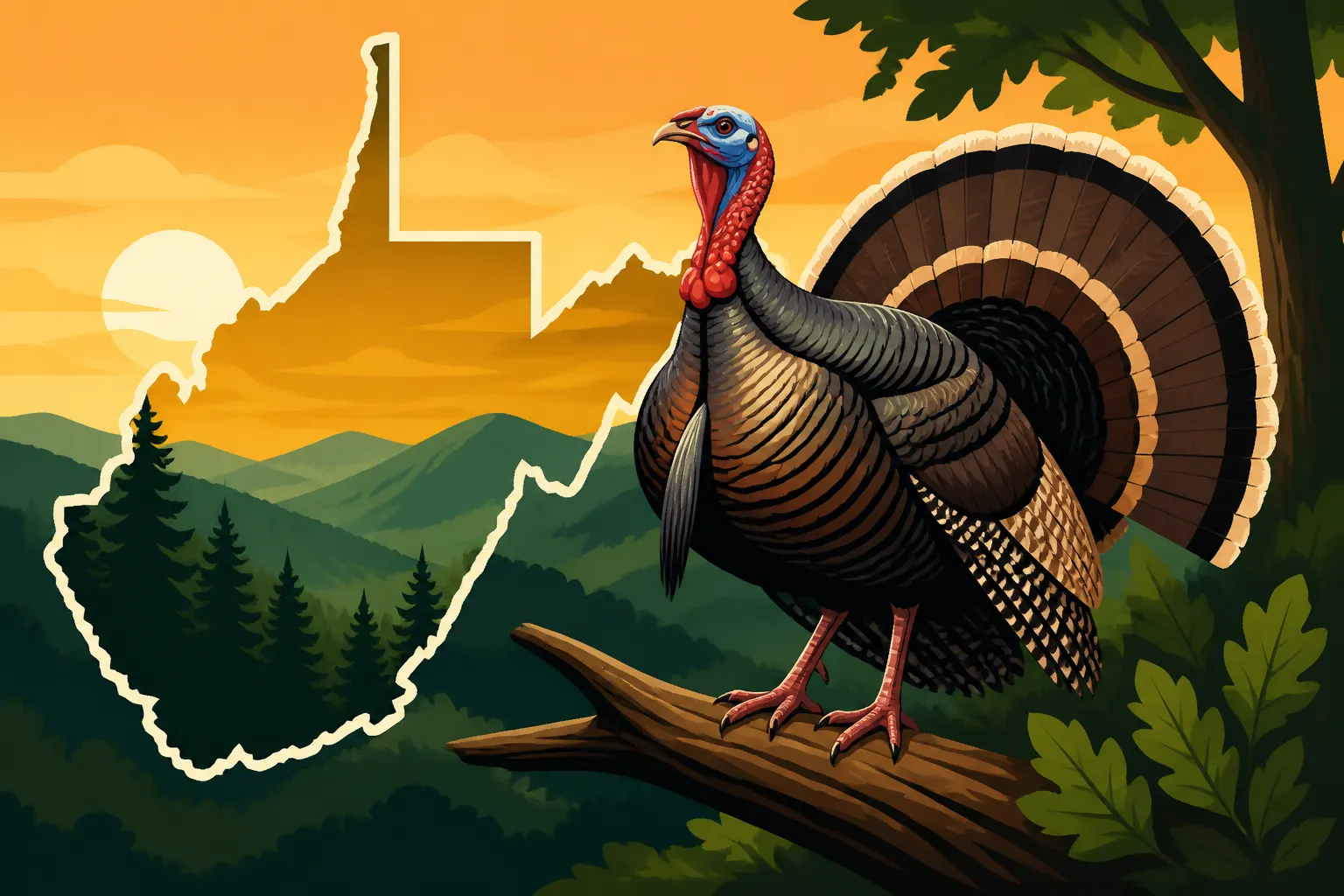
Where West Virginia Gobblers Roost
It's a familiar frustration for any West Virginia turkey hunter: you've done your scouting, practiced your calls, and you're ready for opening day, but where in the world are those gobblers spending the night? Pinpointing exactly where a wild turkey roosts can be the difference between an exciting morning hunt and a frustrating walk through empty woods. This guide will dive deep into the fascinating world of West Virginia gobbler roosting habits, helping you decode their nighttime choices and improve your chances of getting on a bird at first light.
The Mystery of the Night Roost: Why West Virginia Gobblers Pick Their Perches
Wild turkeys, especially our wily West Virginia gobblers, don't just pick any old tree to spend the night. Their roosting behavior is a complex blend of instinct, survival, and environmental factors. Understanding the "why" behind their choices is just as important as knowing the "where." It's not just about a comfortable limb; it's about staying safe from predators and getting a good start to the day.
Understanding the "Why" Behind Roosting Choices
Think about it from a turkey's perspective. They spend their days foraging on the forest floor, but once dusk approaches, staying on the ground becomes a massive risk. Coyotes, bobcats, foxes, and even bears become far more dangerous under the cover of darkness. Climbing high into a tree offers a crucial advantage. It removes them from the immediate reach of most ground predators and provides a vantage point from which they can scan for threats before descending at dawn.
The specific trees they choose are rarely random. Turkeys prefer strong, horizontal limbs that can comfortably support their weight. They're looking for stability and an unobstructed flight path into the tree at dusk and out of it at dawn. Often, these are mature, well-established trees that offer plenty of cover without being so dense that they impede movement. In West Virginia, this often means older hardwoods with large, spreading canopies, providing plenty of options for multiple birds or even entire flocks to roost together. Factors like wind direction and thermal currents can also play a subtle role, influencing where they feel most secure.
Safety in the Branches: Predator Avoidance
The primary driver for roosting high off the ground is predator avoidance. A turkey on the ground at night is a sitting duck. By flying up, they create a physical barrier between themselves and most nocturnal hunters. They also gain the ability to hear and see approaching threats from a distance. If a coyote passes underneath, they're likely to hear it and can remain silent and still, or even reposition themselves on a higher limb if necessary. This elevated position also helps them detect threats when they fly down at first light. Before their feet ever hit the forest floor, they'll typically "tree talk," clucking and yelping from their roost, listening for any suspicious sounds that might indicate a predator below.
Sometimes, you'll hear a turkey "fly down" with a thunderous commotion. While it might sound careless, that noise actually acts as a deterrent. It draws attention to their general location but makes it difficult for a predator to pinpoint their exact landing spot in the low light. This sudden burst of sound can also startle a predator, giving the turkey an extra second to escape. Knowing this behavior helps us appreciate the intricate strategies these birds employ just to survive another night in our wild mountains.
Prime Real Estate: Common West Virginia Roosting Habitats
West Virginia's diverse landscape offers a variety of habitats, and gobblers adapt their roosting preferences accordingly. While there's no single "perfect" roost tree, certain locations and types of timber consistently prove more popular. From the towering timber of our national forests to the edges of agricultural fields, understanding these preferred spots is key to finding where your birds will settle in for the night.
Towering Timber and Ridge Tops
In the vast expanses of the Monongahela National Forest or across our steeper Allegheny ridges, gobblers often favor the tallest, most dominant trees on a ridge top or along a high bench. These locations offer a superior vantage point, allowing them to survey the surrounding terrain for predators before settling in. Large oak, hickory, and poplar trees with strong, horizontal limbs are classic choices. The canopy provides some shelter from the elements, and the height gives them security.
When hunting in these areas, focus your scouting on mature timber stands, especially those that haven't been heavily logged in recent decades. Look for clusters of large trees near the crests of ridges or along distinct benches. These areas also tend to hold more mature birds, as older gobblers are often more cautious and selective about their roosting sites. Sometimes, you'll find them on a saddle between two peaks, a natural travel corridor that also offers good roosting opportunities. Hunting Steep Allegheny Ridges can provide additional insights into navigating this challenging but rewarding terrain.
Water's Edge and Field Borders
While mountain ridges are common, gobblers also love roosting along river bottoms, creek edges, and the borders of agricultural fields. These areas often feature large, mature trees that provide cover and elevated perches, but with the added benefit of being close to prime feeding grounds. Turkeys can fly down directly into a field of corn, soybeans, or clover, or descend to a water source. Sycamore, maple, and large oaks found along riparian zones are frequently used.
On farmland in the Eastern Panhandle, for instance, you'll often find birds roosting in the tallest trees lining a creek, a brushy fencerow, or a woodlot bordering a cornfield. This proximity to food sources is a huge draw. If you're hunting private land, or public land adjacent to agricultural areas, scouting these field edges and river bottoms, particularly where mature trees are present, is essential. Remember to consider Turkey Tactics for Eastern Panhandle Field Edges when planning your approach in these specific habitats.
Becoming a Roost Detective: Scouting and Locating Gobblers
Finding roosting birds isn't always easy, but with a bit of dedication and the right tactics, you can become a true roost detective. It involves a combination of pre-season groundwork and in-season listening and observation. Don't be afraid to put in the legwork; those pre-dawn steps are far more confident when you know roughly where a gobbler is sleeping.
Pre-Season Reconnaissance: Maps and Acoustics
Long before the season opens, you can start your roosting investigation using maps and your ears. Topographical maps, satellite imagery, and even tools like GoHunt or the WVDNR app can be invaluable. Look for those dark green patches indicating mature timber, especially on ridge tops, along creek beds, or adjacent to known food sources. Identify prominent features like steep hollows, benches, or sharp changes in elevation where large trees might grow. Scouting With the WVDNR App can help you get started with official resources.
During late winter and early spring, take walks through potential turkey habitat around dusk and dawn. This is your chance to listen. Before sunrise, drive or walk to areas you've pinpointed on a map and simply listen for the distinct sounds of turkeys on the roost – the soft clucking, tree yelps, and eventually the thunderous gobble that tells you a bird is ready to fly down. Similarly, in the evenings, be in the woods around an hour before dark. Listen for their "fly up" cackles as they ascend to their roosts. Pay attention to how the sound carries; in deep hollows, sound can be muffled, while on ridgelines, it can travel a surprisingly long distance.
In-Season Intelligence: Listening and Observation
Once the season is open, your ears become your most powerful scouting tool. The evening before a hunt, or even several nights leading up to it, head out to areas you plan to hunt. Get to your listening post an hour before sunset. Use an owl hoot, a crow call, or even a sharp coyote howl to try and get a "shock gobble" from a bird on the roost. This can help you pinpoint their exact location before they fly up for the night, or even after they've settled in. Repeat this process at first light. Remember, patience is key. Sometimes a gobbler won't sound off every night or every morning, but consistent effort will eventually pay off.
If you can discreetly observe a roost site from a distance with binoculars, it can provide invaluable information. Watch which trees they use, how many birds are there, and their flight paths. Just be incredibly careful not to disturb them. Turkeys are sensitive to pressure, and spooking a bird off its roost can make it wary of that spot for days or even weeks. West Virginia Public Land Hunting Hours dictate when you can legally be in the woods, so plan your scouting within those limits.
Hunting the Roost: Strategies and Ethical Considerations
Once you've located a roosting gobbler, the real strategy begins. Hunting a roost is one of the most exciting and effective ways to bag a spring turkey, but it requires careful planning and a deep respect for the birds and their habits. It's about getting close without being detected and setting up in a spot that encourages the gobbler to come to you once he flies down.
Setting Up for Success Near a Roost
The golden rule of hunting a roost is to get in before the turkeys wake up, ideally well before first light. You want to be set up, still, and silent, waiting for them to make the first move. Determine the most likely fly-down path based on topography and your scouting observations. Position yourself where you can see a reasonable distance but also have good concealment. A large oak tree, a dense laurel thicket, or even a strategically placed ground blind can offer excellent cover. Remember that turkeys have incredible eyesight, so minimizing movement is crucial. Setting Up Against a Big Oak is a classic tactic for a reason.
Once you hear the first tree calls, respond softly with a few clucks or a tree yelp. You don't want to overcall or spook him. Let him know you're there, but don't challenge him too aggressively while he's still in the tree. The goal is to entice him to fly down in your direction. As soon as he hits the ground, you can become a bit more vocal, but still err on the side of caution. If he's already gobbling his head off, you might not need to call much at all. The aim is to make him believe a hen is waiting nearby. Sometimes, a well-placed decoy can make all the difference, giving him a visual to commit to. Just remember that other hunters might be doing the same thing, so always be mindful of safety.
Minimizing Disturbance and Ensuring Bird Health
Ethical hunting practices are paramount, especially when hunting a roost. Your primary goal should be to minimize disturbance to the birds. This means being incredibly stealthy when approaching and leaving a roost site. Avoid shining lights directly into the roost trees, making loud noises, or repeatedly trying to call a bird off the roost if it's not responding. Pressuring a roost too heavily can cause birds to abandon that site, making it harder for you and future hunters to find them.
If you don't get a shot opportunity, retreat quietly and consider giving that roost a break for a day or two. There are plenty of other birds and places to hunt in West Virginia. Understanding West Virginia Spring Turkey Season Rules will keep you legal and ensure you're participating in sustainable hunting practices. A successful hunt isn't just about the harvest; it's about respecting the game and ensuring the health of the population for years to come.
Remember, finding a gobbler on the roost is a fantastic head start to your hunt, but it's just the beginning. The real challenge, and the real thrill, comes from sealing the deal after that bird pitches down. Good luck out there this spring!
Disclaimer
This article is for general informational purposes only and does not constitute professional advice. Laws, prices and regulations vary by location and change over time. Consult a qualified professional for guidance on your specific situation.