Poult-to-Hen Ratios and What They Mean
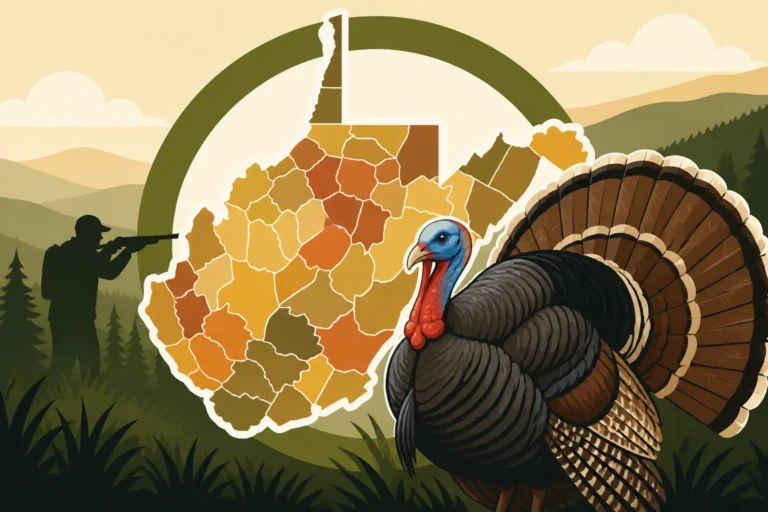
It's incredibly frustrating when you head into turkey season with high hopes, only to find the woods eerily quiet, or maybe you're seeing mostly mature gobblers but very few jakes, making you wonder where all the young birds went. Understanding why some years feel abundant and others feel sparse often comes down to what happened months or even a year or two prior. This guide is all about shedding light on the "poult-to-hen ratio" for West Virginia wild turkeys, explaining what these numbers mean, why they're so crucial for hunters, and how you can use this knowledge to become a more informed and successful turkey hunter in our beautiful, rugged state.
Understanding the Poult-to-Hen Ratio for West Virginia Turkeys
When we talk about the health of our wild turkey populations here in West Virginia, one of the most significant indicators isn't just how many gobblers are strutting or how many hens you see. It's about how many new recruits are entering the population, and that's precisely what the poult-to-hen ratio helps us understand. It’s a snapshot, taken at a critical time of year, that gives us a glimpse into the future of our turkey woods.
What Exactly is a Poult-to-Hen Ratio?
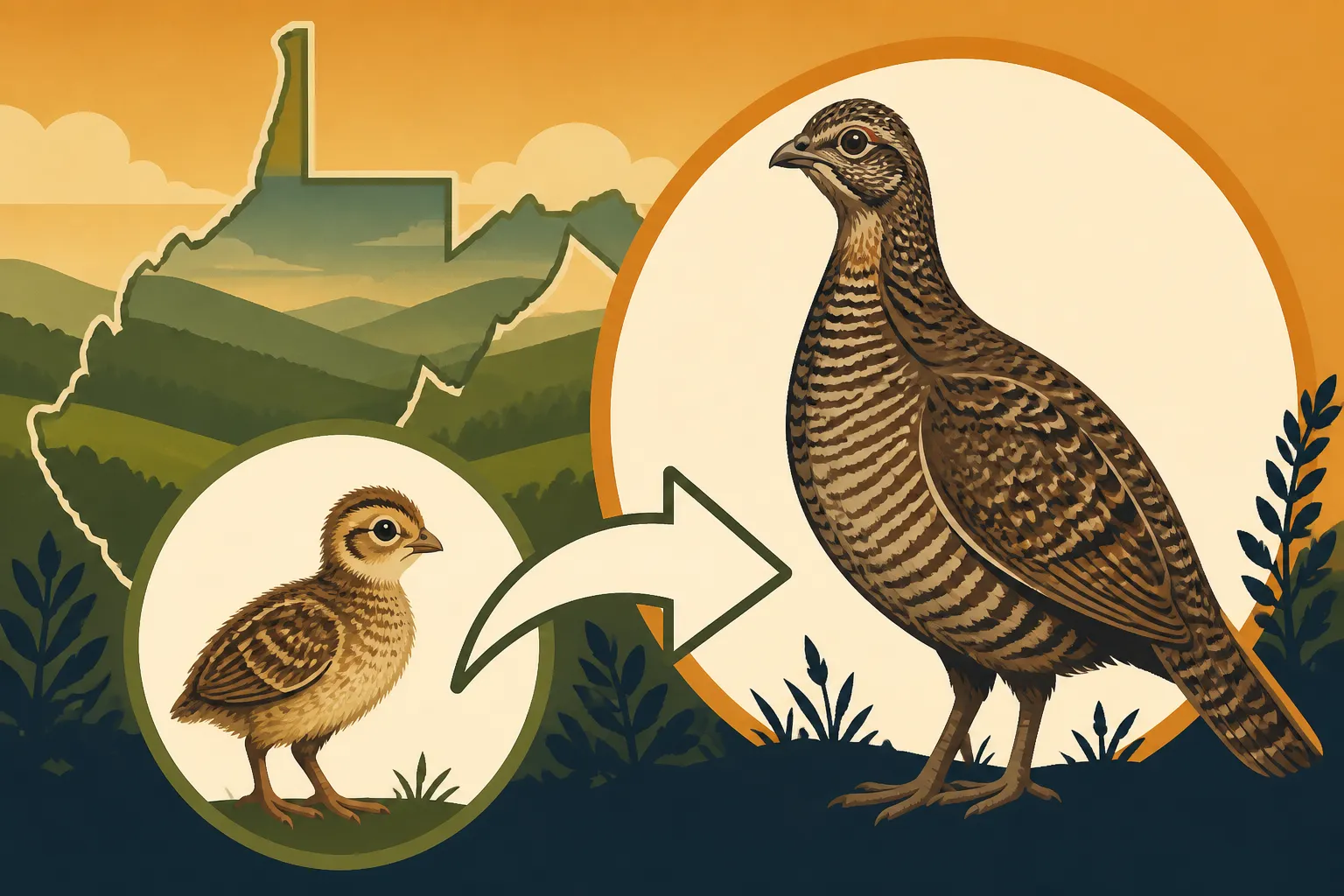
At its core, a poult-to-hen ratio is a simple measurement: it's the average number of young turkeys, called "poults," observed per adult hen during the late summer brood-rearing period. Imagine a hen scratching in the dirt with a string of little fuzzballs following her – counting those little ones and attributing them to that specific hen gives us one data point. When biologists and volunteers compile hundreds, even thousands, of these observations across the state, they can calculate an average ratio. This number directly reflects the reproductive success of the wild turkey population for that specific year.
Why is this ratio so important? Because it tells us if the population is growing, shrinking, or staying stable. If a hen successfully hatches a clutch and raises, say, five poults to a size where they're easily identifiable and counted, that's five new birds that will contribute to future hunting seasons. If she only raises one, or none at all, that's a lost opportunity for population growth. The critical window for observation is usually in July and August, when poults are big enough to be seen easily but haven't yet dispersed from their mother, and their juvenile plumage helps distinguish them from jakes (young males) or jennies (young females) from the previous year. This ratio is a far more precise measure of the health of the turkey population's recruitment than simply counting adult birds, which can fluctuate for various reasons unrelated to breeding success.
Why This Ratio Matters for West Virginia Hunters
For us hunters in West Virginia, understanding the poult-to-hen ratio isn't just academic; it has direct, tangible impacts on our hunting success and overall experience in the woods. Think of it as a forecast for your turkey seasons in the coming years. A strong poult-to-hen ratio means that there was good recruitment into the turkey population. This doesn't just mean more birds next year, but specifically, more jakes available in the spring season following a good hatch, and critically, more two-year-old gobblers two springs down the road. Those two-year-olds are often the most vocal and aggressive birds, providing some of the most exciting hunting opportunities.
Conversely, a year with a poor poult-to-hen ratio can spell tougher hunting. Fewer poults mean fewer jakes the next year, and fewer mature gobblers two years out. This might mean having to work harder, scout more extensively, or even adjust your expectations for the season. The rugged and diverse terrain of West Virginia – from the steep Allegheny ridges to the rolling hills of the Ohio River Valley – presents unique challenges for turkeys and hunters alike. High poult-to-hen ratios can make hunting more forgiving in areas like Monongahela National Forest, where birds can be scattered. Low ratios might mean those same areas feel empty. The WVDNR uses this data to track West Virginia Turkey Population Trends and helps shape future season regulations, emphasizing just how much this simple number can tell us about the future of our favorite spring and fall hunts.
How Poult-to-Hen Ratios Are Monitored in the Mountain State
Getting reliable data on wild turkey populations, especially poult-to-hen ratios, in a state as mountainous and densely vegetated as West Virginia is no small feat. It requires dedicated effort from wildlife professionals and citizen scientists alike. But without this critical information, managing our turkey resource would be like flying blind, and none of us want that for such a cherished game animal.
The Science Behind Brood Surveys
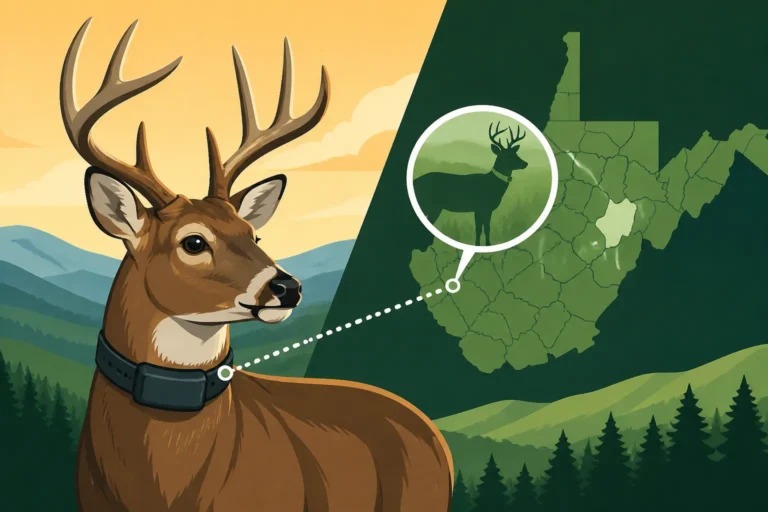
The process of collecting poult-to-hen ratio data in West Virginia relies heavily on what are known as "brood surveys." These aren't just random observations; they're systematic efforts to count hens and their broods during the crucial summer months. Typically, the West Virginia Division of Natural Resources (WVDNR) coordinates these efforts, often enlisting the help of volunteers, rural mail carriers, landowners, and even hunters who spend time outdoors during July and August. Participants are asked to record the date, location, number of adult hens, and the number of poults observed with each hen.
This timing is critical because by late summer, poults are large enough to be easily seen, but still small enough to be readily distinguished from adult birds, and they are generally still sticking close to their mother. The challenge in West Virginia, however, is immense. Our dense forests, steep topography, and often remote public lands make observing turkeys difficult. Unlike states with more open agricultural land, West Virginia turkeys spend a lot of time in cover, making visual counts tricky. This is where consistent, broad participation helps, as incidental sightings from many individuals can be compiled to form a larger dataset. For hunters who are out scouting for deer or enjoying the summer woods, participating in these surveys, perhaps even through an app like GoHunt if they offer a user-submission feature for wildlife sightings, can contribute valuable data to the WVDNR's efforts.
Interpreting the Numbers: What Good and Bad Ratios Look Like
Once all the data is collected, the WVDNR compiles it to determine the statewide average poult-to-hen ratio, and sometimes even regional averages. Understanding what these numbers signify is key to gauging the health of the turkey population and what you might expect in upcoming hunting seasons.
Here’s a general breakdown of how different ratios are often interpreted:
| Poult-to-Hen Ratio | Interpretation for West Virginia Turkey Population | Hunting Outlook (Spring 2 years later) |
|---|---|---|
| 3.0+ | Excellent reproduction, boom year | Strong numbers, good gobbler hunting |
| 2.0 – 2.9 | Good reproduction, stable growth | Solid hunting, healthy population |
| 1.5 – 1.9 | Fair reproduction, population maintenance | Moderate hunting, may require more effort |
| < 1.5 | Poor reproduction, population decline likely | Challenging hunting, fewer gobblers |
An "excellent" year with 3.0 or more poults per hen means a significant influx of young birds, promising a robust population of jakes the following spring and a fantastic class of two-year-old gobblers two years later. On the flip side, a "poor" year with a ratio below 1.5 indicates reproductive struggles. This often leads to fewer jakes and mature gobblers in subsequent seasons, meaning hunters will need to work harder, scout more thoroughly, and potentially expand their hunting areas. It's vital to remember the "lag effect" – the success of this summer's poults truly impacts your hunting not just next spring, but especially the spring after that. The WVDNR often shares these West Virginia Turkey Brood Survey Results on their website or in annual reports, providing invaluable context for hunters like us.
Factors Influencing West Virginia's Turkey Reproduction
Wild turkeys are incredibly resilient creatures, but their reproductive success is often a delicate balance, particularly in a state with such varied and sometimes challenging environmental conditions as West Virginia. Several key factors play a massive role in whether a turkey hen successfully hatches a brood and, more importantly, raises those poults to maturity.
Weather's Impact on Nesting and Poult Survival
Without a doubt, springtime weather is one of the most critical determinants of turkey poult survival. For turkeys, a "good" spring means consistently warm and relatively dry conditions from late April through June. These conditions allow hens to nest and incubate eggs without the stress of constant cold and dampness, which can lead to nest abandonment or hypothermia in newly hatched poults.
Consider a spring like one we might get in the Potomac Highlands, where a series of cold, torrential rainstorms rolls through just as eggs are hatching. Newly hatched poults are extremely vulnerable to hypothermia and pneumonia because their downy feathers offer little insulation and they haven't developed their full thermoregulation capabilities. Persistent wetness also makes them more susceptible to diseases. On the flip side, a severe drought during the summer can reduce insect populations, which are a vital protein source for growing poults. They need bugs to fuel their rapid growth and feather development. So, when the weather is stable, warm, and dry during the nesting and brood-rearing period, you can almost bet on a better poult-to-hen ratio. This direct correlation with weather is a primary reason why West Virginia Wild Turkey Nesting Success can fluctuate so dramatically from year to year.
Predation and Habitat Quality
Beyond the weather, two other significant factors shaping poult-to-hen ratios are predation and the overall quality of available habitat. Even if a hen successfully hatches a clutch, those tiny poults are essentially bite-sized meals for a host of predators. Raccoons, opossums, skunks, foxes, and coyotes are all opportunistic predators that will readily consume turkey eggs and poults. That's why Nest Predation and West Virginia Turkey Hatches are always a concern for wildlife managers. Hens try to conceal their nests in dense cover, but it’s a constant battle.
Habitat quality plays an equally vital role. Hens need good nesting cover – areas with dense grasses, brushy thickets, or downed timber where they can hide their nests from prying eyes. Once poults hatch, they require brood-rearing habitat, which typically includes areas with a mix of open, grassy patches rich in insects, alongside dense cover for escape from aerial predators like hawks and owls. Thinned timber stands, old fields, and edges of clear-cuts can provide this mosaic of food and cover. A healthy forest with a diverse understory provides more security and food for turkeys. If habitat is fragmented or degraded due to extensive development or poor forest management, turkeys struggle to find safe places to nest and raise their young, inevitably leading to lower poult-to-hen ratios. Finally, abundant mast crops, like acorns and beechnuts, in the fall preceding nesting season ensure hens are in prime physical condition, which directly impacts their ability to lay healthy eggs and endure the rigors of incubation.
Applying Poult-to-Hen Knowledge to Your West Virginia Hunt
So, you've heard about these ratios, you understand what they mean, and you know what influences them. Now, how do you actually take that knowledge and put it to good use in the West Virginia turkey woods? It's about combining statewide trends with your boots-on-the-ground scouting and adapting your strategy.
Strategic Planning Based on Annual Reports
The first step in applying poult-to-hen knowledge is to actively seek out and review the annual brood survey reports from the WVDNR. These reports are usually released in the fall or winter, giving you ample time to prepare for the upcoming spring. You can often find them on the WVDNR's official website, and sometimes hunting resources or apps like GoHunt will consolidate or link to this data, making it easier to access.
Once you have the numbers, analyze them. Did your favorite hunting county have a stellar hatch two years ago? That might mean a good number of eager two-year-old gobblers this spring. Was the statewide average low? Then you might need to adjust your expectations and prepare for a tougher hunt, focusing on known areas of higher turkey density rather than venturing into marginal habitat. This data can even help you decide where to focus your efforts if you hunt in multiple counties that have different environmental conditions leading to varied success. For example, if the eastern panhandle had a great hatch, while parts of the southern coalfields struggled, you might adjust your focus accordingly. Keep an eye on how West Virginia Spring Turkey Season Rules and West Virginia Fall Turkey County Tiers might be influenced by long-term poult-to-hen trends, as wildlife managers use this data to make season recommendations.
Scouting and In-Season Adaptations
Beyond pre-season planning, poult-to-hen knowledge should inform your actual scouting and in-season tactics. When you’re out during late summer and early fall scouting for deer, pay close attention to any turkey broods you see. Are there many poults with each hen? Are they looking healthy and robust? Make a mental note, or better yet, log it on your GoHunt app or other mapping tool, marking areas where you see successful broods. This becomes your personal, localized poult-to-hen data for specific patches of woods. This information can be gold for future spring seasons.
If the reports indicated a high poult-to-hen ratio from two years prior, you can anticipate more two-year-old gobblers. These birds are often less wary than older, more educated gobblers, and can be more aggressive to calling. You might find success with more frequent or slightly louder calling sequences, trying to provoke a response. Conversely, if ratios were low, you might be hunting a smaller population of older, wiser birds. In this scenario, patience, subtle calling, and extensive Scouting West Virginia Public Land Before Season to locate individual birds might be more effective. You might focus more on Roost Hunting West Virginia Gobblers or stealthy still-hunting rather than aggressive run-and-gun tactics. Knowing the underlying population trends allows you to adapt your approach and increase your odds of success, making every minute you spend in our wild, wonderful West Virginia woods more productive.
Disclaimer
This article is for general informational purposes only and does not constitute professional advice. Laws, prices and regulations vary by location and change over time. Consult a qualified professional for guidance on your specific situation.