Bear Encounters Around Highlands Cabins
There's nothing quite like the peace and quiet of a West Virginia highlands cabin, whether it's for a weekend getaway or a longer hunting trip. But that serene beauty often comes with the added excitement – and sometimes anxiety – of living alongside our incredible wildlife, especially black bears. Many folks come to the mountains to escape, not to have an unexpected encounter right on their porch, and it can be genuinely unsettling when it happens. This guide aims to demystify bear activity around mountain cabins, offering practical advice to prevent encounters and what to do if you find yourself face-to-face with one of our furry, four-legged neighbors.
Understanding West Virginia's Bear Population and Behavior
Before we can even think about preventing encounters, it's crucial to understand who we're sharing the mountains with. West Virginia has an amazing story of black bear recovery, and their success means we're seeing them in more places than ever before.
The Resurgence of Black Bears in West Virginia
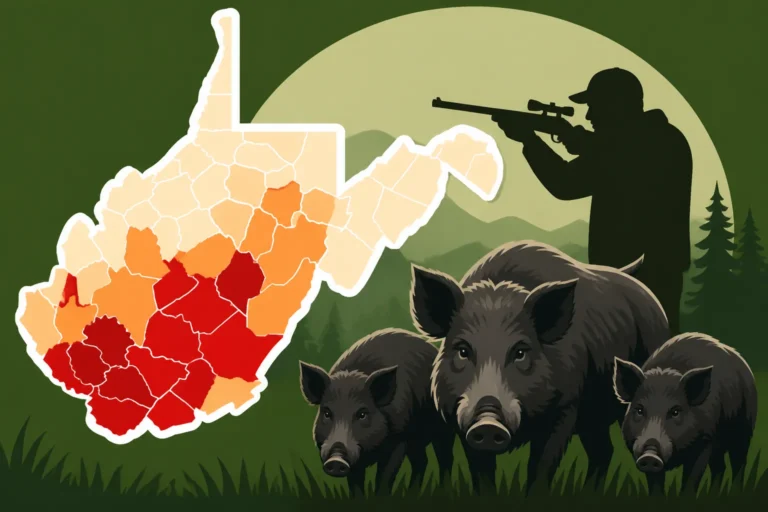
Our state's black bear population has seen a remarkable comeback over the past several decades. Once largely confined to the most remote, rugged corners of the Monongahela National Forest, these adaptable creatures have expanded their range significantly. It’s truly a conservation success story, reflecting healthy ecosystems and dedicated management efforts. This resurgence means that even cabins in areas that weren't traditionally considered "bear country" might now experience visits. It's a testament to the resilience of nature and the effectiveness of conservation programs, but it also means we, as residents and visitors, need to adjust our habits. If you're wondering just how widespread they are, it's worth noting Why Bears Now Live in All Fifty-Fifty Counties, truly illustrating their adaptability.
This expansion means that whether you're tucked away deep in the woods near the Cranberry backcountry or on the edge of a more developed rural area in the Potomac Highlands, a bear sighting isn't out of the question anymore. It’s easy to romanticize the idea of wildlife, but when that wildlife is digging through your trash at 2 AM, the reality can be a bit startling. Understanding that their numbers are strong and growing is the first step in being prepared. The WVDNR provides excellent information on West Virginia's Black Bear Comeback if you want to dive deeper into the history and science behind their population growth.
Typical Bear Behavior Around Human Habitation
Black bears, contrary to some myths, are not inherently aggressive towards humans. They are, however, incredibly intelligent, curious, and driven by one primary instinct: finding food. A bear that wanders near a cabin isn't usually looking for trouble; it's looking for an easy meal. This could be anything from spilled birdseed, pet food left on a porch, or, most commonly, unsecured garbage. They have an incredible sense of smell, far superior to a dog's, which means even faint odors can draw them in from a considerable distance.
Once a bear discovers a reliable food source near human dwellings, it's likely to return. This is why prevention is so critical. A "problem bear" isn't usually a mean bear; it's almost always a bear that has been habituated to human food sources, either intentionally or unintentionally. They learn quickly, and if your cabin becomes known as a place with easy calories, it will be added to their regular patrol route. Bears will often move quietly, especially at night, and you might not even know they're around until you see overturned trash cans or claw marks on a door. Recognizing this opportunistic nature is key to understanding why they visit and how to deter them.
Preventing Bear Encounters at Your Highlands Cabin
The best bear encounter is the one that never happens. Proactive prevention is truly your strongest defense when enjoying your cabin in West Virginia's beautiful, bear-rich highlands. It’s all about making your property as unappealing as possible to a hungry bear.
Securing Food and Garbage Sources
This is, hands down, the most important step you can take. Bears are lazy in the best way possible: they prefer an easy meal over working hard for it. If your cabin offers an open buffet, they'll take it.
First, garbage is gold to a bear. If you're staying in a cabin, ensure all trash is kept indoors, preferably in a sturdy garage, shed, or even your vehicle (if it's a hard-sided vehicle, not a soft-top or open bed truck). If you have outdoor garbage cans, they absolutely must be bear-resistant. Simply having a lid won't cut it; bears can open most standard cans with ease. Look for heavy-duty, reinforced cans with secure latching mechanisms or store them in a bear-proof enclosure. If your cabin provides a dumpster, make sure the lid is always closed and latched. Never leave bags of trash sitting outside, even for "just a minute" or "until morning." That minute could be all a passing bear needs.
Second, think about pet food and outdoor cooking. Pet food bowls should be brought inside immediately after your pets eat. Leaving dog food on the porch overnight is like putting out a welcome mat for bears. If you grill, clean the grill thoroughly after each use. Burn off any residual food and scrub the grates. Store barbecue tools, drip pans, and even the grill itself (if portable) in a secure place. Leftover food residue, even tiny crumbs, can be a potent attractant. Similarly, any cool box or cooler left outside, even if latched, can be an invitation. Bears are strong and persistent; they can often open or destroy coolers to get at what's inside. Always store coolers indoors when not actively in use, and never leave them unattended with food inside.
Third, bird feeders, really? Yes, those innocent bird feeders are a prime bear attractant. The seeds are high in calories, and the feeders are often easy for a bear to knock down and raid. During bear season (which, in West Virginia, is pretty much spring through fall), it's best to take down bird feeders entirely. If you simply must feed birds, bring the feeders in every single night. The same goes for suet. Also, if you have fruit trees or berry bushes on your property, try to clean up any fallen fruit promptly. Fermenting fruit can smell sweet and draw bears in.
Managing Your Cabin Environment
Beyond food, there are other elements around your cabin that can inadvertently attract bears or make them feel comfortable. General tidiness and awareness go a long way.
Consider your overall outdoor setup. Are there areas around your cabin where a bear might feel secure approaching, hidden by dense brush or tall grass? Keeping a clear perimeter can help. While a bear might still visit, a clear line of sight can make both you and the bear more aware of each other, potentially leading to the bear moving on before a direct encounter. If you have open sheds or outbuildings, ensure they are securely closed and don't contain anything that smells appealing, like feed or stored hunting gear that might still carry scent.
Think about water sources too. While bears won't necessarily be "attracted" to a water source like a deer might be, if they're in the area for food, an accessible pond or bird bath is an added bonus. It's usually not a primary attractant, but it's part of the overall environmental picture. For hunters, be mindful of where you hang your game processing tools or dispose of any remnants after field dressing. Bears are keen scavengers. If you’re processing a deer, make sure all scraps and blood are handled responsibly and far from the cabin, or even better, removed from the property entirely. If you're out scouting, pay attention to the terrain around your cabin and how a bear might approach. Utilizing mapping tools like those from GoHunt might help visualize common game trails or potential travel corridors bears might use, giving you a better understanding of how animals are moving in your specific area. When looking for signs of wildlife, keep an eye out for clues such as Reading West Virginia Mud for Fresh Deer Movement, which can also indicate other large mammals like bears are in the vicinity.
What to Do During a Bear Encounter
Despite all your best preventative efforts, sometimes a bear might still wander too close. Knowing how to react calmly and correctly can make all the difference for your safety and the bear's. Panic is a natural reaction, but it’s the most unhelpful one.
If You See a Bear From a Distance
If you spot a bear from afar, whether it's in your yard, down the driveway, or foraging in a nearby field, the first thing to do is assess the situation calmly. Is it aware of you? What is it doing? Most times, a bear that hasn't noticed you will continue on its way if you give it space.
- Do not approach the bear. This might sound obvious, but curiosity can get the best of people, especially if cubs are involved. Maintain a safe distance.
- Make noise and make your presence known. Clap your hands, shout in a firm voice ("Hey bear!"). The goal is to let the bear know a human is there and to encourage it to leave. Often, a bear will simply walk away once it realizes it's been detected.
- Back away slowly. Never turn your back and run. Running can trigger a chase response in many animals, including bears. Instead, slowly retreat while facing the bear, keeping an eye on its behavior.
- Make yourself look big. If the bear is looking at you, raise your arms over your head, wave them, and continue to speak firmly. The bigger you appear, the less likely a bear is to view you as easy prey.
- Avoid eye contact. While you should keep the bear in sight, direct, prolonged eye contact can be perceived as a challenge or threat by some wildlife.
Remember, most black bear encounters are not aggressive. The bear is likely just as surprised as you are, and its primary instinct will be to flee. Your actions should reinforce that natural inclination.
If a Bear Approaches or Enters Your Space
This is where things can feel more intense, especially if a bear comes onto your porch or tries to access your cabin. Again, the key is to avoid panic and act assertively.
- Stay calm and do not run. Reiterate this: running can invite a chase.
- Make loud noises. Yell, bang pots and pans, blow a whistle or air horn. Make it clear the bear is not welcome.
- Throw objects (but not food). If the bear is persistent, throw rocks or sticks at it. Aim for its feet or near it, not necessarily at its head, unless absolutely necessary to deter a charge. This is about intimidation, not injury.
- If indoors, secure yourself. If a bear is on your porch or trying to get into a door, get inside and lock all doors and windows. Do not try to shoo it off from inside by opening a door. Call for help if necessary.
- Never get between a sow and her cubs. This is perhaps the most dangerous scenario. A mother bear will be extremely defensive of her young. If you encounter cubs, immediately assume the sow is nearby and act with extreme caution, backing away slowly while making noise.
- Fight back if attacked. Black bear attacks are rare, but if one occurs, do not play dead. Fight back aggressively using anything you have—sticks, rocks, fists. Aim for the bear's face and eyes.
If you encounter an aggressive bear, or a bear that shows no fear of humans and continues to approach or attempts to enter your cabin despite your deterrence efforts, it is critical to report it. Contact the West Virginia Division of Natural Resources (WVDNR) immediately. They have protocols for handling such situations and can provide guidance. For reporting nuisance animals, it's good to know the West Virginia Nuisance Bear Reporting Rules and who to contact.
Long-Term Strategies and Responsible Living
Living in bear country, even part-time at a cabin, means adopting a mindset of shared space. It's a privilege to be surrounded by such magnificent wildlife, and with that privilege comes responsibility.
Educating Guests and Neighbors
If your cabin is a rental property or you frequently have friends and family visit, it's your responsibility to educate them about bear safety. Many visitors from urban or suburban areas may have no experience with wild bears and could inadvertently create problems.
Consider creating a simple "Bear Smart" welcome packet or a laminated sign for your refrigerator. This guide should clearly outline rules for food storage, garbage disposal, and what to do if a bear is spotted. Emphasize why these rules are important – not just for their safety, but for the well-being of the bears. A habituated bear that consistently gets food from humans often has to be relocated or, in extreme cases, euthanized, which is a tragic outcome for everyone.
Communication with neighbors is also crucial. A single cabin owner who isn't diligent about securing attractants can unintentionally draw bears into the entire neighborhood, impacting everyone. A community approach to bear-proofing makes the entire area less appealing to bears, helping to keep them wild and focused on natural food sources, like acorns and berries, which is why understanding their natural foraging habits, such as Hunting Bears Over Natural Mast in the Mountains, is so important.
Using Technology and Resources
In today's world, we have access to more tools than ever to help us understand and coexist with wildlife. The WVDNR website is a treasure trove of information regarding bear populations, behavior, and safety guidelines. They often provide updates on bear activity and may even have specific recommendations for certain regions. Understanding West Virginia Bear Harvest Trends can give you a picture of population health and distribution across the state.
While there isn't an app specifically for real-time bear alerts (and you wouldn't want to rely on that anyway!), general outdoor apps like GoHunt can still be valuable. These platforms often include detailed topographical maps, satellite imagery, and public/private land boundary information, which can help you identify potential bear travel corridors, dense cover where they might bed, or natural food sources away from your cabin. This kind of scouting can help you understand the landscape from a bear's perspective, enabling you to better manage your property and plan your outings, especially if you're also using the cabin as a base for hunting, perhaps for Hunting the Cranberry Backcountry or simply enjoying the scenic Hunting Potomac Highlands Public Land.
Staying informed about wildlife news and conservation efforts in West Virginia can also give you a broader perspective. Knowing about events like West Virginia Deer Vehicle Collisions can highlight the constant interaction between humans and wildlife on our roads, showing that bears are just one part of a larger ecosystem we share. The more we understand, the better we can adapt.
| Action | Do | Don't |
|---|---|---|
| Food & Trash | Store all food indoors or in bear-resistant containers. | Leave garbage bags outside or in unsecured cans. |
| Clean grills thoroughly after each use; store securely. | Leave pet food bowls out overnight. | |
| Bring in bird feeders at night; consider removing them during bear season. | Feed bears, intentionally or unintentionally. | |
| Environment | Keep clear sightlines around your cabin. | Leave coolers, even latched ones, unattended outside. |
| Secure sheds and outbuildings. | Leave fallen fruit under trees. | |
| Encounter | Make noise, shout, wave arms to appear large. | Run away; playing dead is generally not recommended for black bears. |
| Back away slowly while facing the bear. | Approach a bear, especially a sow with cubs. | |
| Fight back aggressively if attacked. | Make direct eye contact for prolonged periods. | |
| Reporting | Report aggressive or habituated bears to WVDNR. | Assume a "problem bear" will just go away on its own. |
Disclaimer
This article is for general informational purposes only and does not constitute professional advice. Laws, prices and regulations vary by location and change over time. Consult a qualified professional for guidance on your specific situation.