Bow Sights for Timber Shots
West Virginia timber bowhunting requires specific bow sights to handle dim lighting, twenty-five yard shots, and steep angles.
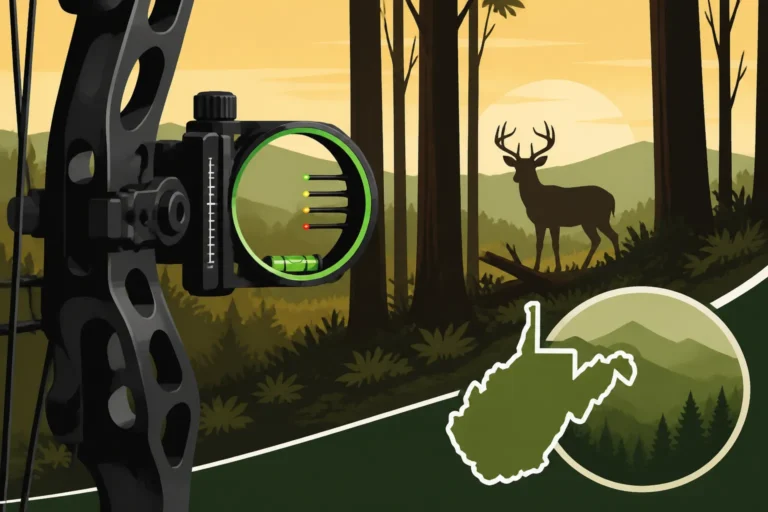
West Virginia timber bowhunting requires specific bow sights to handle dim lighting, twenty-five yard shots, and steep angles.
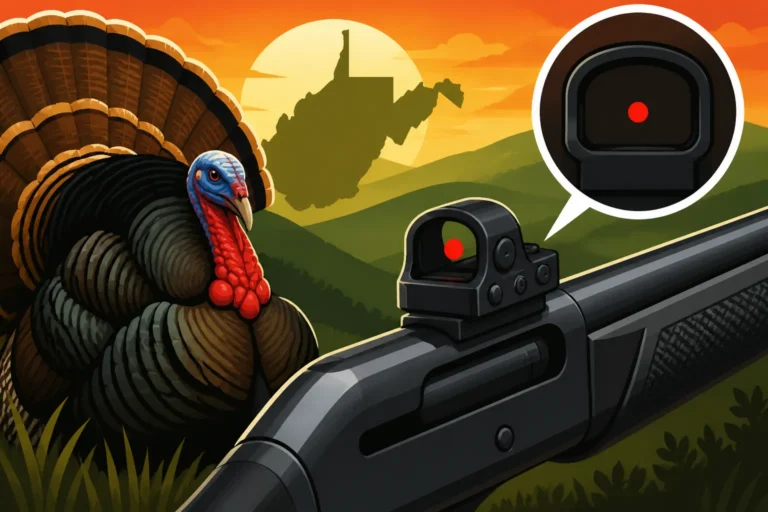
Red dot sights improve aiming speed and accuracy for West Virginia turkey hunters targeting a gobbler head and neck.
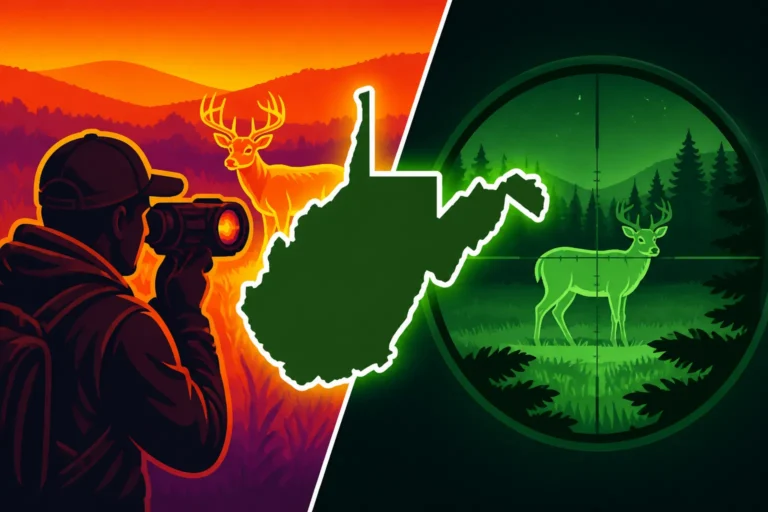
West Virginia hunting regulations for thermal and night vision gear, explaining optics legality, deer, bear, and fair chase ethics.
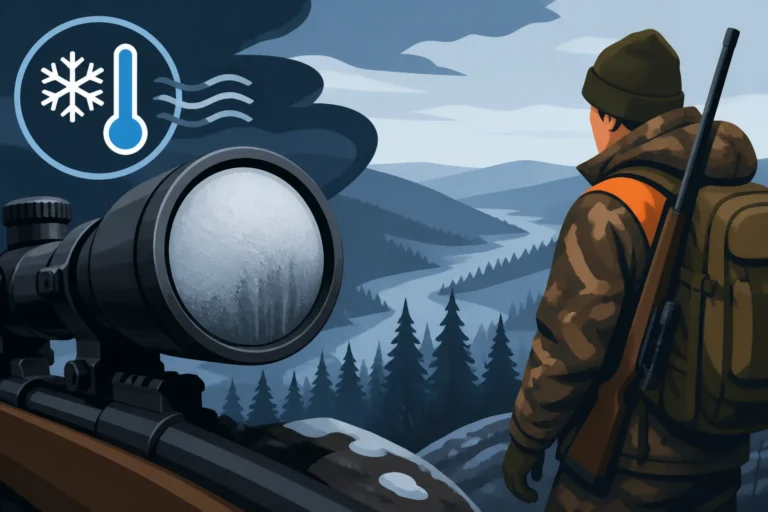
Mountain hunters in West Virginia learn why optics fog up in cold weather and how to prevent external condensation and moisture.
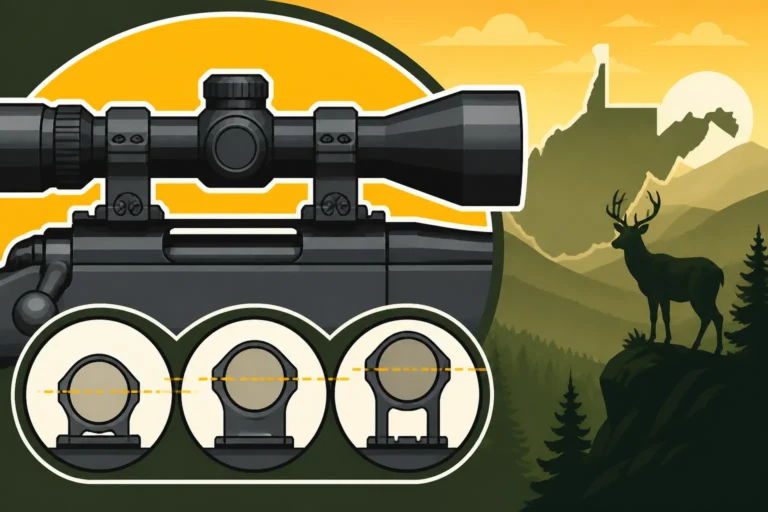
Proper scope mounting and correct ring height prevent missed shots and equipment damage while hunting whitetails in the mountains.
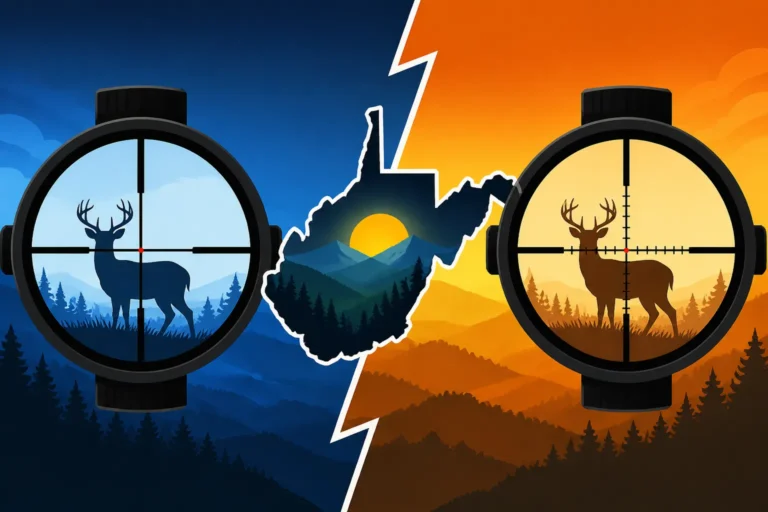
First focal plane and second focal plane rifle scopes differ in reticle placement, magnification behavior, and hunting applications.
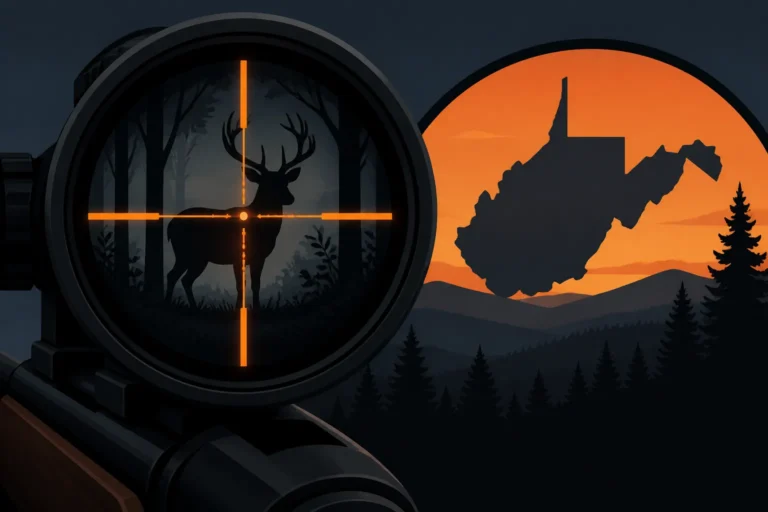
Illuminated scope reticles provide clear aiming points at sixty yards during low light deer hunting in West Virginia timber.
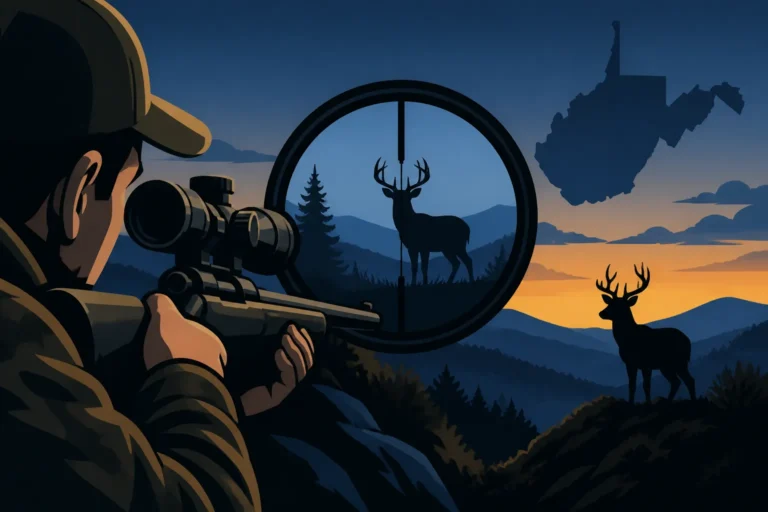
Low-light performance in hunting scopes explains how objective lenses gather light for ethical shots during dawn and dusk.
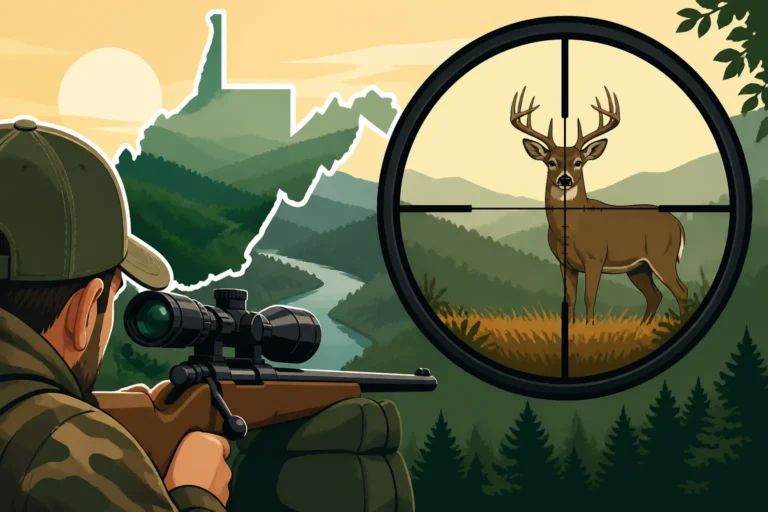
Rifle scope magnification choices for West Virginia deer hunters depend on dense timber covers and long mountain ranges.
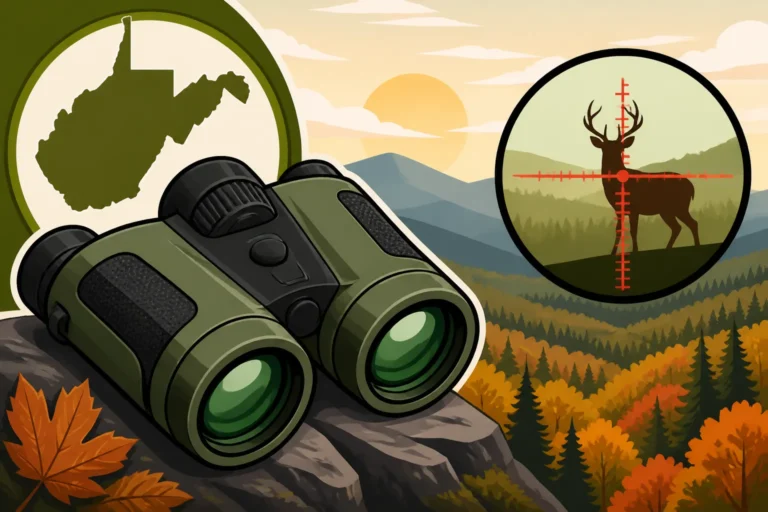
Rangefinding binoculars eliminate gear switching for West Virginia hunters, reducing weight and saving critical seconds when bucks appear.