West Virginia Disability Hunting Permits
The call of the wild, the crisp mountain air, the thrill of the chase – these are experiences deeply ingrained in the heart of many West Virginia hunters. But what happens when physical challenges or medical conditions threaten to put an end to those treasured moments afield? For too long, hunters facing disabilities have felt left out or unsure how to continue pursuing their passion. This comprehensive guide is here to unravel the complexities of West Virginia’s disability hunting permits, ensuring that more individuals can enjoy the Mountain State's rich hunting heritage.
Understanding West Virginia's Commitment to Accessible Hunting
It's a tough pill to swallow when a medical condition or disability suddenly makes your favorite hunting spot seem unreachable or your traditional methods impossible. You might feel a pang of frustration, thinking your days in the woods are numbered. But thankfully, West Virginia, through its Division of Natural Resources (WVDNR), recognizes the deep connection many people have to hunting and has made significant strides to ensure that these valuable experiences remain accessible.
Why Disability Permits Matter
These disability permits aren't just bureaucratic checkboxes; they represent a fundamental commitment to inclusivity and the belief that everyone, regardless of their physical limitations, deserves the opportunity to participate in the outdoor traditions of our state. Imagine having a lifelong love for chasing whitetails through the hollows, only for an injury or illness to suddenly make walking those steep ridges an insurmountable task. Without these special provisions, many would be forced to hang up their hunting gear for good.
The WVDNR understands that the challenges aren't just physical; they're emotional. Hunting isn't just about harvesting game; it's about solitude, camaraderie, connecting with nature, and carrying on family traditions. These permits bridge the gap, allowing hunters to adapt their methods and continue their pursuits, fostering a sense of normalcy and belonging that is absolutely vital. They help maintain the spirit of hunting for those who would otherwise be excluded, ensuring that West Virginia's rich hunting culture continues for all its residents and visitors. It’s about ensuring that the passion doesn't die just because the body changes. For those looking to get started or restart their hunting journey, understanding the basics of hunting can be found in our guide on West Virginia Hunter Education Requirements.
Overview of Available Permits and Provisions
West Virginia offers several different pathways and provisions tailored to accommodate hunters with various disabilities. These aren't one-size-fits-all solutions, but rather specific accommodations designed to address particular challenges. Generally, these fall into categories like mobility impairments, visual impairments, and other significant medical conditions. Each category has its own set of criteria, application processes, and approved accommodations, from allowing the use of certain vehicles in restricted areas to permitting assistance from another hunter. The goal is to make hunting safer and more achievable, without compromising the integrity of fair chase or the safety of others. Before diving into the specifics of these disability permits, it's always a good idea to ensure you understand the broader landscape of West Virginia Hunting Licenses and What They Cost, as these special permits are usually an addition to a standard hunting license.
Specific Disability Hunting Permits and Their Requirements
Navigating the specific rules and requirements for each type of disability permit can feel a bit like trying to read a topo map without a legend at first glance. But don't worry, we'll break down the common permits and what you need to know.
Mobility-Impaired Hunting Permits
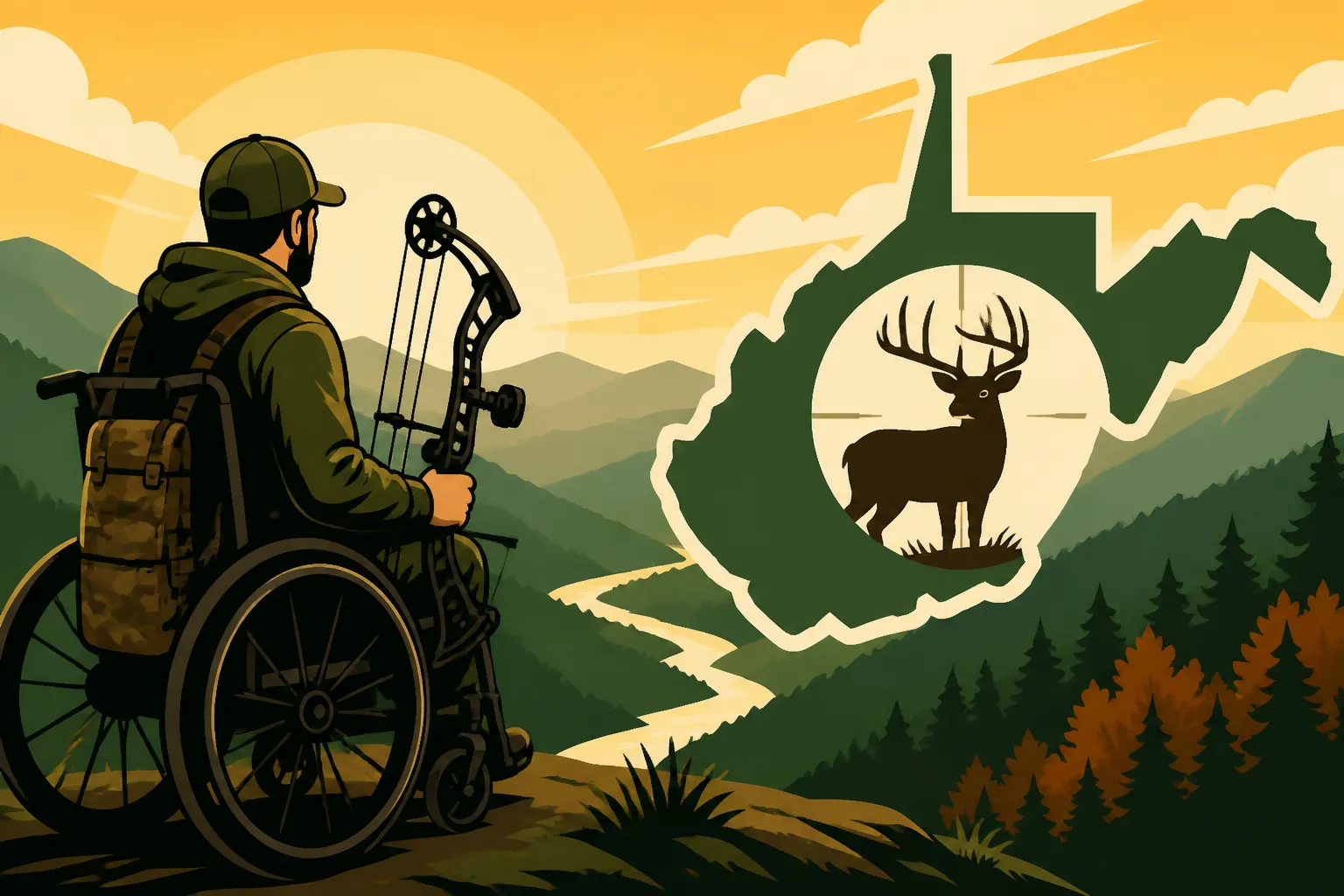
This is perhaps one of the most common types of disability permits, addressing the challenges faced by hunters who have difficulty walking or traversing uneven terrain. Many West Virginia hunting spots, particularly in areas like the Monongahela National Forest or steep Allegheny ridges, demand significant physical exertion. For someone relying on a wheelchair, crutches, or with severe cardiovascular issues, these landscapes can become impassable.
To qualify for a mobility-impaired hunting permit in West Virginia, you'll generally need a physician's statement verifying your specific medical condition and how it limits your mobility. This isn't just a casual note; it needs to be detailed, outlining the extent of your impairment and confirming that you meet the WVDNR's criteria for a mobility-impaired hunter.
Once approved, these permits often grant specific accommodations that can be game-changers. For instance, you might be allowed to hunt from a stationary vehicle on designated public roads or trails where vehicle access is otherwise restricted for general hunting purposes. This means you could potentially sit in your truck or ATV in a strategic location, offering you a vantage point previously unattainable. Similarly, some permits allow for the use of ATVs or UTVs on specific trails within certain wildlife management areas (WMAs) or national forest lands that are otherwise closed to such vehicles for hunting access. If you're considering this, it's vital to be intimately familiar with ATV Rules on West Virginia Forest Roads to ensure you're compliant and safe. Always check the specific permit details and WVDNR regulations, as rules can vary by location and year. When researching where you can hunt with these provisions, a platform like GoHunt can be a great resource for identifying accessible public land sections or understanding local WVDNR regulations.
Visually Impaired Hunting Provisions
Hunting demands keen eyesight, especially when it comes to identifying game, ensuring a safe shot, and knowing your surroundings. For hunters with significant visual impairments, this presents obvious and often heartbreaking challenges. West Virginia acknowledges this and offers provisions that allow visually impaired individuals to continue hunting safely and ethically, primarily through a mentored or assisted hunting framework.
Under these provisions, a visually impaired hunter can participate in the hunt with the direct assistance of a fully licensed and capable companion. This companion acts as a guide, helping with spotting game, identifying safe shooting lanes, and ensuring adherence to all hunting regulations. The visually impaired hunter still pulls the trigger and makes the shot, but the companion provides the critical visual information and guidance needed for a safe and successful hunt.
The requirements for this provision typically involve the visually impaired hunter obtaining a standard hunting license and any necessary stamps, along with documentation from a physician or ophthalmologist verifying their visual impairment. The assisting hunter must also hold all appropriate licenses and stamps for the game being pursued. The rules are often quite specific about how close the assisting hunter must be, and their role during the actual shot. This system is somewhat akin to the West Virginia Mentored Youth Hunting Rules, where an experienced hunter provides direct supervision and guidance, ensuring safety and compliance for a less experienced or visually impaired individual.
Other Medical Condition Accommodations
Beyond mobility and visual impairments, some hunters face other significant medical conditions that might not fit neatly into the previous categories but still severely impact their ability to hunt. These could include certain neurological conditions, severe cardiac or respiratory issues, or conditions requiring specialized equipment or rest periods that go beyond standard hunting practices.
For these situations, the WVDNR often has a process for individuals to apply for special consideration, usually requiring extensive medical documentation and a detailed explanation of how the condition limits their hunting activities. This might involve a review board or a medical committee within the WVDNR to assess the request on a case-by-case basis. The accommodations granted will be specific to the individual's needs and the nature of their condition.
For example, a hunter with a severe respiratory condition might be granted permission to utilize a ground blind in an area where permanent structures are typically prohibited on public land, allowing them to rest and manage their condition in comfort while still participating. Or, a hunter with certain physical limitations might be approved for a specific type of adaptive equipment not generally allowed. The key is to provide thorough medical documentation and a clear, well-reasoned request outlining the specific accommodation needed and why it’s medically necessary. It's about providing equitable access without compromising safety or fair chase.
Application Process and Key Considerations
Alright, you've understood the different types of permits and provisions available. Now, let's talk about the nitty-gritty: how do you actually apply for these valuable permits and what are the crucial details you absolutely need to remember? It's not always a straightforward path, but with a little guidance, you can navigate it successfully.
Step-by-Step Application Guide
Getting your disability hunting permit in West Virginia usually involves a few clear steps, but patience is often a virtue throughout the process.
- Obtain a Standard Hunting License: First and foremost, you'll need to purchase your general West Virginia hunting license and any necessary stamps for the game you intend to pursue. These disability permits are typically an add-on or a special provision, not a replacement for your core licensing. You can easily do this online through the Go Wild West Virginia platform. Our guide on Buying a License on Go Wild West Virginia provides a comprehensive walkthrough.
- Locate the Application Form: The specific application forms for disability permits are usually available on the official West Virginia Division of Natural Resources (WVDNR) website. Look under the "Hunting" or "Licenses & Permits" section, often under a subheading for "Special Permits" or "Disabled Hunter Information." You might also be able to pick up physical copies at WVDNR district offices.
- Gather Required Documentation: This is where the medical details come in. You will almost certainly need a physician's statement. This statement needs to be specific: it should clearly describe your disability or medical condition, its severity, how it limits your ability to hunt under normal regulations, and often, what specific accommodations your physician recommends. Generic doctor's notes won't cut it. For example, for a mobility impairment, the physician should detail your inability to walk certain distances or over specific terrains. For a visual impairment, an ophthalmologist's report would be necessary.
- Complete the Application: Fill out the application form thoroughly and accurately. Double-check all personal information, license numbers, and contact details.
- Submit Your Application: Applications can usually be mailed to the WVDNR headquarters. Ensure you send it well in advance of the hunting season you plan to participate in, as processing can take time. Don't wait until the week before opening day!
- Confirmation and Permit Issuance: Once your application is reviewed and approved, you will receive confirmation and your specific disability permit. This permit will detail the exact accommodations you are authorized to use. Always carry this permit with you while hunting, in addition to your regular hunting license.
For up-to-date forms and submission details, I always recommend checking the WVDNR's official site. A quick search on GoHunt can also sometimes lead you directly to the relevant WVDNR pages or provide forums where other hunters share their experiences with the application process.
Important Rules and Restrictions
While disability permits open up new opportunities, they also come with a strict set of rules. These aren't meant to hinder you, but rather to ensure safety, ethical hunting practices, and prevent misuse of the system.
- Permit Specificity: Your permit will outline exactly what accommodations you are allowed. Do not assume any additional privileges. If your permit allows you to hunt from a vehicle on a specific trail, it doesn't mean you can drive off-trail or use it to retrieve game indiscriminately.
- Designated Areas: Some accommodations might only be valid in certain areas. Always check if the WMA or public land you intend to hunt has specific rules or restrictions regarding disability access. Even with a special permit, certain wilderness areas might have federal regulations that supersede state-level allowances.
- Companion Requirements: If your permit requires an assisting hunter (as is common for visually impaired hunters), ensure that companion is fully licensed, understands their role, and is always within the stipulated proximity.
- Weapon Rules: The disability permit does not typically alter general weapon regulations. You still need to adhere to West Virginia Legal Firearms for Deer Hunting or Bow and Crossbow Setups for West Virginia, for instance.
- Safety First: Even with accommodations, safety remains paramount. All hunters, including those with disabilities, must still wear the appropriate amount of West Virginia Blaze Orange Requirements during firearm seasons.
- Reporting Requirements: All harvested game still needs to be legally checked and reported according to WVDNR regulations.
It's your responsibility as a permit holder to fully understand and abide by all rules. Ignorance of the regulations is not an excuse.
Utilizing Special Opportunities and Resources
Beyond the permits themselves, West Virginia sometimes offers specific programs or access points designed to enhance the hunting experience for individuals with disabilities.
- Accessible Hunting Blinds and Trails: Certain West Virginia Wildlife Management Areas and state parks have invested in creating accessible hunting blinds or trails specifically designed for hunters with mobility issues. These might be located in prime hunting spots, providing a comfortable and safe environment. Check with individual WMA offices or the WVDNR for maps and information on these facilities.
- Special Hunt Opportunities: Occasionally, the WVDNR or private organizations will host special quota hunts or guided hunts exclusively for disabled hunters. These events are fantastic opportunities to connect with other hunters, benefit from specialized support, and hunt in areas often reserved for these occasions. Keep an eye on WVDNR announcements and local hunting organization calendars.
- Non-Profit Organizations: Several non-profit organizations in West Virginia and nationally are dedicated to helping disabled individuals get into or stay in the outdoors. Groups like the National Wild Turkey Federation (NWTF) or local chapters of organizations like Heroes on the Water sometimes offer events or resources. These groups can also be excellent sources of information on adaptive equipment or finding hunting mentors.
- Online Resources: Websites like GoHunt often have sections or forums where disabled hunters share tips, discuss accessible locations, and connect. It's a great way to tap into a community that understands your specific challenges and can offer practical advice. Remember, even with special accommodations, general hunting regulations like West Virginia Public Land Hunting Hours still apply.
| Permit Type | Primary Eligibility | Key Accommodations | Required Documentation | Considerations |
|---|---|---|---|---|
| Mobility-Impaired | Severe walking/mobility limitations | Hunting from stationary vehicle, ATV/UTV on designated trails, special access | Physician's statement, medical history | Specific to designated areas; check ATV rules carefully |
| Visually Impaired | Significant visual impairment | Mentored/assisted hunting with a licensed companion | Ophthalmologist/Physician's report | Companion must be fully licensed and follow strict proximity rules |
| Other Medical Conditions | Other significant health issues limiting hunting | Case-by-case (e.g., special blind, adaptive equipment) | Detailed physician's statement, specific request | Requires WVDNR review; specific to individual needs |
Navigating Challenges and Finding Support
Let's be real, even with permits and provisions, hunting with a disability isn't without its challenges. There will be days when it feels harder, when you encounter unexpected obstacles. But the key is to approach these challenges with a positive mindset and lean on the resources available.
Overcoming Accessibility Barriers
West Virginia's terrain is famously rugged, and while the WVDNR works to create accessible points, many prime hunting locations are still quite challenging. This means you might need to get creative and adapt your strategy.
- Scouting is Critical: Before the season, spend extra time scouting areas that are genuinely accessible to you. Look for flatter benches, logging roads, or clear-cuts that might be easier to navigate. Use tools like satellite imagery and topographical maps, which can be found via apps like GoHunt, to identify terrain features from home. Consider areas with existing infrastructure like old rail grades or gas line clearings.
- Adaptive Equipment: Don't be afraid to explore adaptive equipment. This could range from specialized shooting rests that accommodate limited mobility, to electric all-terrain wheelchairs designed for rough outdoor use (where legally permitted). Even something as simple as a sturdy trekking pole can make a world of difference on uneven ground.
- Ground Blinds and Stands: For those with mobility issues, using a ground blind can be far more comfortable and accessible than a traditional treestand. Our article on Using a Ground Blind on West Virginia Public Land offers some great tips. If a treestand is still an option, look into setups that prioritize ease of access and safety, keeping in mind Treestand Rules on West Virginia Public Land.
- Strategize for the "Hard Stuff": If dragging a deer is an issue, hunt closer to accessible roads, or pre-plan with a hunting buddy who can assist with game recovery. Consider using an electric cart or a dedicated game sled designed for heavy loads.
- Weather Considerations: Cold, wet, or icy conditions can exacerbate physical limitations. Plan your hunts carefully around weather forecasts and invest in high-quality, layered clothing to stay warm and dry.
Remember, the goal isn't to be a hero; it's to enjoy the hunt safely and effectively. Adaptations are signs of ingenuity, not weakness.
Connecting with the Disabled Hunter Community
One of the most powerful resources you have is other hunters who share similar experiences. The disabled hunting community is growing, and connecting with them can provide invaluable support, tips, and camaraderie.
- Online Forums and Social Media Groups: Many online platforms host active communities for disabled hunters. These forums are excellent places to ask questions, share challenges, and get advice from people who genuinely understand your situation. You might find discussions on the best accessible WMAs, adaptive gear recommendations, or even find hunting partners.
- Local Organizations: Check for local chapters of national organizations like the National Wild Turkey Federation (NWTF), Quality Deer Management Association (QDMA), or specific groups focused on disabled outdoor recreation. These organizations often host events, workshops, or mentorship programs that can be incredibly beneficial.
- WVDNR Programs: Stay in touch with the WVDNR. They may offer specific events or point you toward resources that can connect you with other disabled hunters or volunteers.
- Mentorship: Consider seeking out a mentor, or becoming one yourself. Sharing knowledge and experiences is a cornerstone of the hunting community. A seasoned hunter familiar with local terrain and regulations can offer practical advice and assistance in the field.
Never underestimate the power of shared experience. When you connect with others facing similar challenges, you’ll find solutions, encouragement, and friendships that can enrich your hunting life even further.
Disclaimer
Please note that hunting regulations, including those pertaining to disability permits, can change. This guide is intended for informational purposes only and should not be considered legal advice. Always consult the most current West Virginia Division of Natural Resources (WVDNR) regulations and speak with WVDNR personnel or a legal expert for definitive information regarding permits, requirements, and legal hunting practices.