West Virginia Youth Turkey Weekend Dates
The thrill of chasing a gobbler in the spring is an experience every young hunter deserves, but navigating the specific dates and rules for West Virginia's Youth Turkey Weekend can feel like a riddle, leaving many parents and mentors confused about when and how to get their kids afield. This guide is here to untangle all that, providing clear, up-to-date information on the youth turkey weekend dates, requirements, and best practices to ensure a safe, successful, and memorable hunt for the next generation.
Understanding West Virginia's Youth Turkey Weekend
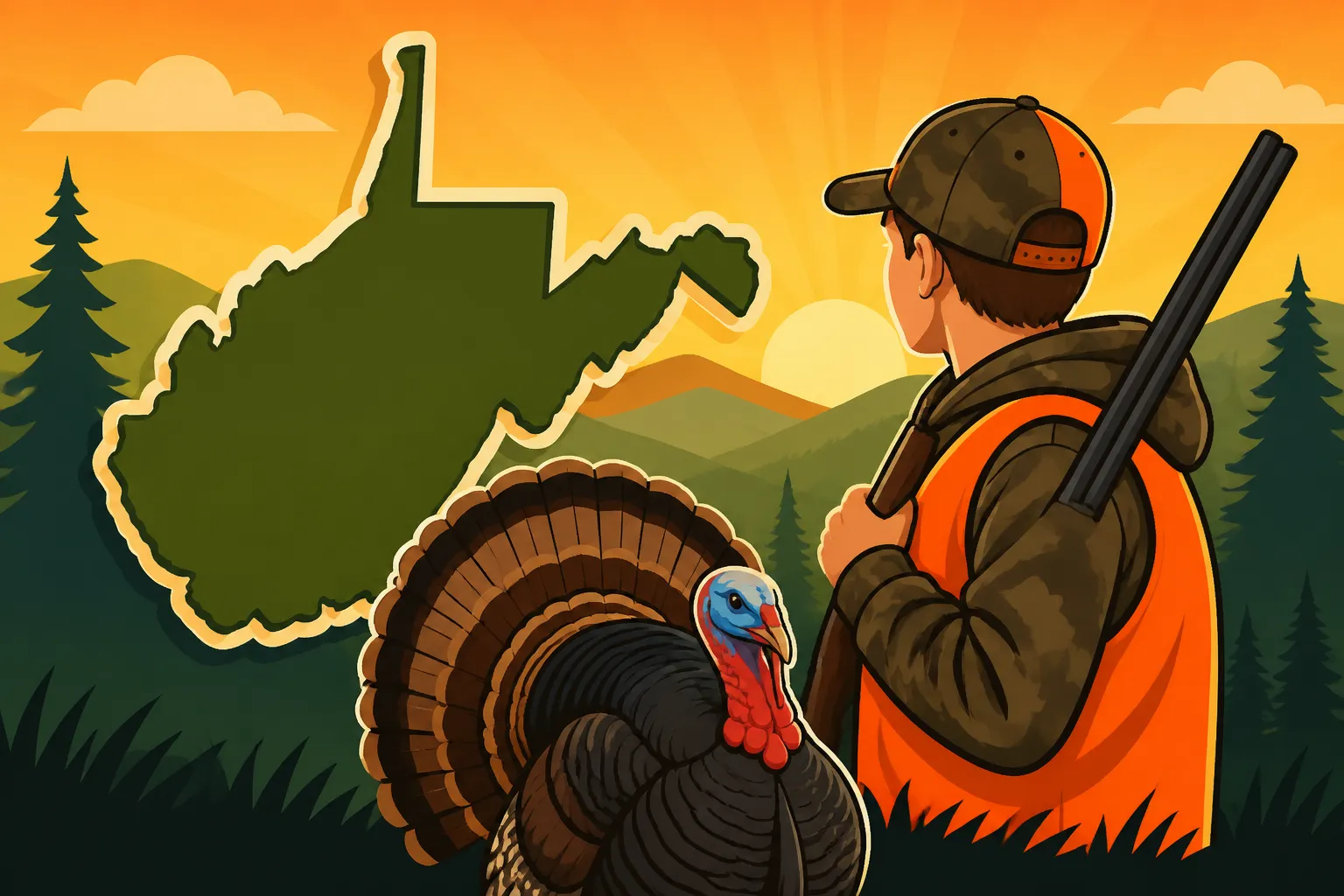
West Virginia is dedicated to fostering new hunters, and the Youth Spring Turkey Weekend is a prime example of that commitment. It’s a special, earlier opportunity designed exclusively for young hunters to get out and chase gobblers without the pressure and crowds of the general statewide opener. This creates a fantastic, focused environment for learning and enjoying the outdoors.
Specific Dates and Season Structure
Typically, the West Virginia Youth Spring Turkey Weekend is held on the Saturday and Sunday immediately preceding the statewide general spring gobbler season opener. While the exact calendar dates shift annually, this two-day window consistently provides a head start for eligible youth hunters. For instance, if the main season is slated to open on April 15th, you can expect the youth weekend to fall on April 13th and 14th of that year. It's always crucial to check the most current West Virginia Division of Natural Resources (WVDNR) hunting regulations proclamation, usually released in late winter or early spring, for the definitive dates each year. This is your go-to source to avoid any confusion or mishaps. Knowing these dates can also help you plan ahead for scouting trips, like those covered in Scouting West Virginia Public Land Before Season, ensuring you and your young hunter are ready when the special weekend arrives.
The logic behind this early opening is to minimize hunting pressure and provide a dedicated, less crowded experience. With fewer adult hunters in the woods, young participants and their mentors can often enjoy a more peaceful and focused hunt, increasing their chances of success and enjoyment. It's a thoughtful approach to hunter recruitment and retention, acknowledging that a positive early experience can ignite a lifelong passion.
Bag Limits and Weapon Restrictions
During the Youth Spring Turkey Weekend, the bag limit is typically one bearded bird. This aligns with the initial statewide daily limit and the overall season limit for the first part of the season. It’s important to remember that this bird counts towards the youth hunter's overall spring season limit, which is usually two bearded birds for the entire spring, as detailed in West Virginia Spring Turkey Bag Limit. So, if a young hunter harvests a bird during the youth weekend, they still have one more opportunity during the regular season.
When it comes to weapons, young hunters generally follow the same regulations as the statewide spring season. This means shotguns firing shot sizes 4, 5, 6, or 7 are the primary legal method. Bows and crossbows are also permitted, offering flexibility for different hunting styles. While centerfire rifles are not legal for turkey hunting in West Virginia, it's vital for mentors to review the specific regulations in the WVDNR proclamation for any nuances or changes. For example, some areas might have specific restrictions, or there might be new guidelines regarding certain ammunition types. Always double-check to ensure your youth hunter is equipped with legal and appropriate gear for a safe and ethical hunt.
Eligibility and Participation for Young Hunters
Getting a young hunter ready for their first — or even tenth — turkey hunt involves more than just knowing the dates. There are specific rules regarding age, mentorship, and the all-important hunter education requirements. These are in place to ensure safety and responsible hunting practices from the very start.
Age Requirements and Mentorship
The West Virginia Youth Spring Turkey Weekend is open to hunters ages 8 through 17, inclusive. This broad age range allows a significant number of young people to participate and gain valuable experience in the field. However, age is just one piece of the puzzle. All youth hunters, regardless of age, must be accompanied by a licensed adult mentor (at least 18 years old). This mentor must also possess a valid West Virginia hunting license for the current season. The mentor isn't just there for supervision; they are an active guide, sharing knowledge, ensuring safety, and helping the young hunter navigate the challenges and joys of the hunt.
The WVDNR defines specific guidelines for West Virginia Mentored Youth Hunting Rules, emphasizing that the mentor must remain in close proximity to the youth hunter – close enough for direct voice contact without shouting and to provide immediate assistance. This ensures that the young hunter receives proper guidance on safety, firearm handling, game identification, and ethical decision-making. It's not just about the shot; it's about instilling a deep respect for wildlife and the hunting tradition. It's a chance to pass on years of wisdom, from reading turkey sign to understanding Turkey Tactics for Eastern Panhandle Field Edges.
Licensing and Hunter Education Necessities
Before stepping into the woods, every eligible youth hunter needs to have the proper documentation. This includes a valid West Virginia hunting license for the current season. For residents, this typically means a Class X or A+CS license. Non-residents will need a nonresident hunting license. Additionally, all hunters born on or after January 1, 1975, regardless of age, are required to successfully complete a hunter education course. This is where the youth weekend really shines, as it often provides a pathway for those who have recently completed their course to immediately apply their new skills.
However, West Virginia also has a fantastic Apprentice Hunter program. This program allows individuals, including youth, who have not yet completed a hunter education course to still hunt, provided they are directly supervised by an experienced, licensed mentor (at least 21 years old) who has completed hunter education or is exempt from it. This means even if your child is new to hunting and hasn't had a chance to take the course yet, they can still participate in the Youth Spring Turkey Weekend under the watchful eye of an eligible mentor. Details on who needs West Virginia Hunter Education Requirements and how the apprentice program works are crucial to review. Many hunters use digital tools like GoHunt to keep track of these regulations and ensure they have everything in order before heading out.
Tactics for a Successful Youth Turkey Hunt
A successful youth turkey hunt isn't solely measured by a harvested bird, but rather by the quality of the experience. That said, putting thoughtful tactics into play can significantly increase the chances of hearing that exciting gobble and getting a shot opportunity, making the experience even more rewarding.
Scouting and Setup Strategies
Effective scouting is the bedrock of any successful turkey hunt, and it's especially critical when hunting with youth. Before the youth weekend arrives, spend time in the woods looking for fresh turkey sign: tracks, droppings, scratch marks in the leaves, and dusting bowls. Listen for gobblers roosting at dusk and again at dawn in the weeks leading up to the season. Understanding where turkeys are actively feeding and roosting will allow you to pinpoint prime locations for setting up. Utilizing apps and mapping tools can greatly assist in this pre-season work, helping you mark potential roost trees and travel corridors. Many hunters find that resources like GoHunt offer excellent mapping overlays to identify potential hotspots on public lands or areas where permission has been granted.
When it comes to setting up for the hunt, concealment and comfort are paramount for young hunters. A good ground blind can be an absolute game-changer. It not only provides excellent camouflage but also allows for some movement and warmth, which is vital when hunting with kids who might not have the patience for motionless sitting in the open. Position your blind in a spot that offers a clear shot opportunity at realistic turkey ranges, usually within 20-30 yards. Think about natural funnels, field edges, or logging road intersections where turkeys are likely to travel. Setting up against a large tree, as discussed in Setting Up Against a Big Oak, can also provide natural back cover and a comfortable lean for extended sits if a blind isn't an option.
Calling and Decoy Approaches
Calling turkeys effectively is an art form, but with a youth hunter, simplicity often wins. Focus on realistic, soft calling that aims to pique a gobbler's interest rather than over-calling and spooking him. Start with subtle tree yelps and soft clucks right at first light, mimicking hens waking up on the roost. As the morning progresses, you can introduce a little more volume with yelps and cuts, but always listen to the turkey's response. If he's gobbling consistently, keep up a conversation. If he goes silent, ease off the calling and wait. Teaching a young hunter to listen and interpret a gobbler's responses is a crucial skill. Learning to Calling a West Virginia Gobbler Off the Roost requires patience and understanding of turkey behavior.
Decoys can also be incredibly effective, especially for youth hunts. A single hen decoy, or a hen-and-jake setup, can draw a wary gobbler into close range, providing a perfect, ethical shot window. Place your decoys where they are visible from a distance but within your effective shooting range from your blind or natural cover. Consider a setup where the gobbler will approach the decoy from your left (for a right-handed shooter) to present a better shot angle. Be mindful of Decoy Placement for Pressured West Virginia Birds, as turkeys in popular hunting areas can become decoy-shy. On public lands, consider using a less aggressive setup or no decoy at all if you suspect high pressure. The visual appeal of decoys can also keep a young hunter engaged and excited during those quiet lulls.
Making the Most of the Experience Beyond the Harvest
While harvesting a turkey is certainly a highlight, the true success of a youth turkey hunt extends far beyond pulling the trigger. It's about instilling a love for nature, teaching responsibility, and creating cherished memories that will last a lifetime.
Safety First and Foremost
When hunting with youth, safety is the absolute priority, overshadowing even the quest for a trophy bird. Before the hunt, review all firearm safety rules rigorously. Emphasize muzzle control, keeping fingers off the trigger until ready to shoot, and being absolutely certain of your target and what lies beyond it. Dress in appropriate camouflage but always carry a blaze orange vest or hat to wear when moving through the woods, especially if you anticipate encountering other hunters. Even during archery season, Blaze Orange Requirements are critical for gun hunters, and while not always mandated for turkey, it’s a smart move when walking in and out.
Teach your young hunter the importance of identifying their target correctly – a bearded bird – and passing on questionable shots. This means being able to distinguish a gobbler from a hen, a skill that comes with practice and careful observation. Always assume any movement or sound could be another hunter. Never stalk turkey sounds; it's incredibly dangerous. Always remain still and call. Pack a basic first-aid kit, plenty of water, and snacks. Ensure your young hunter understands the game plan, including where you'll be walking, where you'll be sitting, and what to do if you get separated. Utilizing a reliable GPS on your phone or a dedicated unit, possibly from GoHunt, can provide extra peace of mind and help you navigate safely.
Building Lifelong Hunting Memories
The Youth Spring Turkey Weekend is a prime opportunity to build traditions and create indelible memories. Start the experience with anticipation. Talk about the strategy, look at maps, and share stories from your own hunting past. In the field, make it an educational adventure. Point out different bird calls, identify tracks, and discuss the local flora and fauna. Even if no bird is harvested, the lessons learned and the shared moments in nature are invaluable. Encourage your young hunter to participate in all aspects, from setting up the blind to packing out gear.
After the hunt, whether successful or not, celebrate the effort. If a bird is taken, involve them in the process of checking the game, as outlined in West Virginia Turkey Checking Requirements, and preparing the meat. This full-circle experience reinforces the connection between the hunt and the food on the table, fostering respect for the animal. Share photos, tell the stories of the day, and begin planning for the next adventure. These experiences are the foundation for a lifelong passion for hunting and conservation, ensuring that the rich tradition of Wild Turkeys in West Virginia continues to thrive for generations to come.
West Virginia Youth Turkey Weekend Summary
To help you keep track of the key details for the West Virginia Youth Turkey Weekend, here's a quick reference table. Always consult the official WVDNR regulations for the most current and specific dates for the upcoming season.
| Aspect | Details |
|---|---|
| Dates | Weekend immediately preceding the statewide general spring gobbler season opener (e.g., April 13-14) |
| Duration | Two days (Saturday & Sunday) |
| Eligibility | Hunters ages 8-17, inclusive |
| Mentor Required | Yes, licensed adult 18+ for ages 8-17. For Apprentice, mentor must be 21+ and Hunter Ed certified/exempt. |
| Bag Limit | One (1) bearded bird (counts towards overall season limit of two) |
| Legal Weapons | Shotguns (shot sizes 4, 5, 6, 7), Bows, Crossbows |
| Hunter Education | Required for those born after Jan. 1, 1975, OR participate via Apprentice Hunter Program. |
| License Required | Yes, valid WV hunting license for current season |
Disclaimer
Please remember that hunting regulations can change. While this guide provides the most accurate and up-to-date information at the time of writing, it is absolutely essential to consult the official West Virginia Division of Natural Resources (WVDNR) hunting regulations for the current year before planning and participating in any hunt. The WVDNR website and their annual hunting regulations pamphlet are your definitive sources for all legal requirements and season dates.